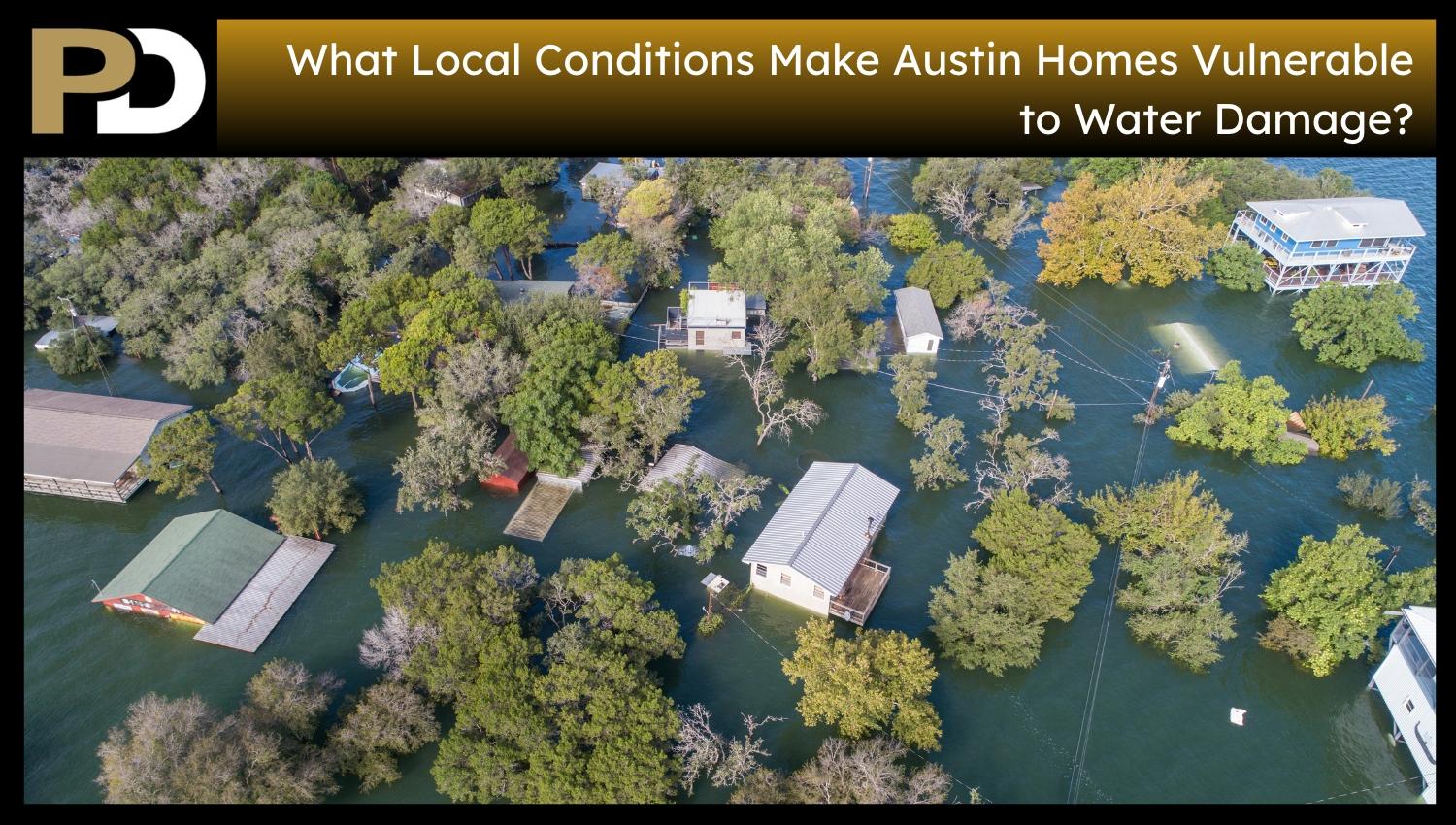
Severe weather, rainfall, and tropical systems affect local conditions, and Austin’s risk of storm-related water damage varies by season. According to the National Weather Service, March through May is Austin’s severe-weather season, and May, October, and June are the wettest months. Heavy weather and flash flooding remain possible year-round. Rain accumulation increases impacts from subsequent storms when the soil is still saturated from previous rainfall. Tropical systems also produce more heavy rain in Central Texas during late summer and fall. These seasonal trends help explain why weather-related water damage is more of a concern in some seasons than others, though they don’t predict property damage from every storm or wet month.
When Does Austin’s Main Severe-Weather Season Occur?
The National Weather Service’s climate guidance suggests that Austin’s primary severe-weather season is March through May. These months see thunderstorms with the potential for large hail, strong winds, and other severe weather. The National Weather Service identifies large hail and strong winds as two main contributors to Austin’s severe weather activity. City of Austin guidance also identifies spring as a critical time for thunderstorms, hail, straight-line winds, tornado threat, and flash flooding. This clustering of hazards makes spring a major seasonal period of risk for storm-related water damage. The season doesn’t have hard-and-fast dates. Severe weather and flash flooding happen year-round, and Austin Emergency Management stresses that it isn’t over when May ends.
Which Months Tend to Be Austin’s Wettest, and Why Does That Matter for Water-Damage Risk?
The National Weather Service climate guidance lists May, October, and June as Austin’s wettest months, respectively. Precipitation is fairly evenly distributed throughout the year, so there is no one short season for rainfall. The monthly patterns matter because the wetter months offer more chances for heavy rainfall and multiple rain events. October is another major rainy time of year, and May is also notable for heavy rainfall, as it’s also the main severe weather season in Austin. June is also one of the wettest months of the year, which leads to further heavy rain in the city. Monthly rainfall averages, however, reflect long-term patterns and cannot predict a single storm. One wet month does not mean property damage, and rainfall levels differ from one event to the next. The main point is that Austin’s rainfall calendar shows more than just windows of high risk for water damage from heavy or repeated rainfall.
Why Do Back-to-Back Rain Events Matter During Austin’s Wet Periods?
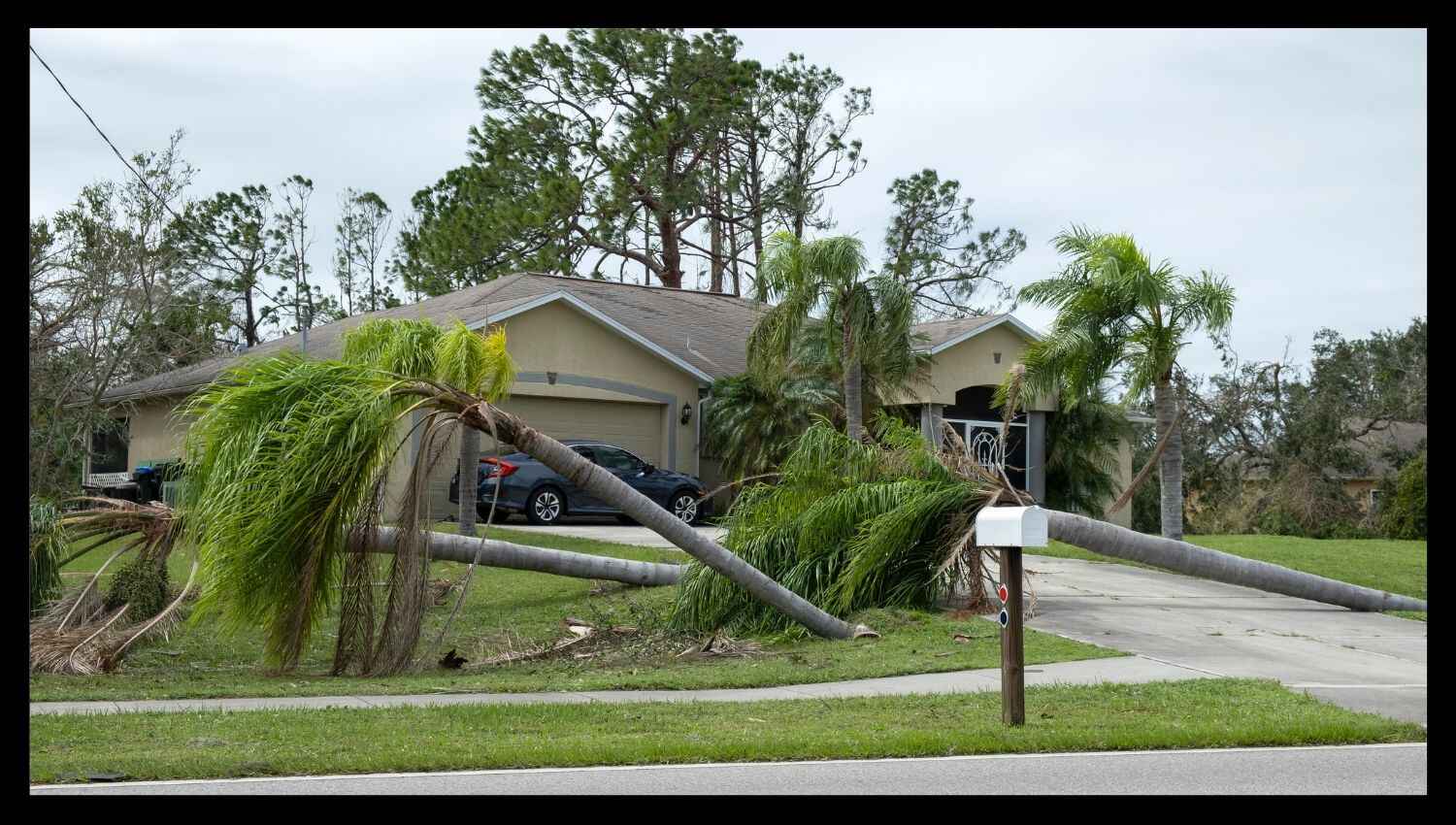
Back-to-back rains matter because a new storm’s impacts are influenced by rainfall from the previous hours or days. After previous precipitation saturates the soil, it has less room to absorb the next rain. A subsequent storm then produces more surface runoff than the same amount of rainfall after a long dry spell. The National Weather Service predicted soils would be nearly saturated based on its heavy-rain guidance, and the recent rainfall would make them more prone to flash floods. This matters during periods of precipitation, when multiple events occur in quick succession. Damage from the first storm doesn’t have to be severe for rain to affect how the ground responds to the next storm. As precipitation continues, the soil’s remaining ability to absorb water declines, making it more likely that additional precipitation increases runoff. The key is the pattern of rainfall events, not the amount of rain from a single storm.
Why Is Spring Austin’s Main Compound Severe-Weather Period?
Spring is Austin’s primary severe-weather season because several hazards occur in the same season. Heavy rainfall, large hail, strong or straight winds, and tornadoes are possible causes of thunderstorms from March to May. The National Weather Service Climate Forecasts for these months classify them as the main severe weather season and state that a significant portion of severe weather events involve large hail and strong winds. Austin Emergency Management also mentions the possibility of thunderstorms, hail, high winds, tornadoes, and flash flooding in the spring. Spring is a significant time for residential water-damage risk because hazards overlap. A single storm system can bring several hazards, so the timing and location of each hazard differ from event to event. This season’s concentration differs from other seasons, when other weather patterns more strongly influence rain. It also helps explain why the severe weather season remains significant to Austin when peak rainfall isn’t limited to March-May.
How Can Late-Summer and Fall Tropical Systems Bring Heavy Rain to Austin?
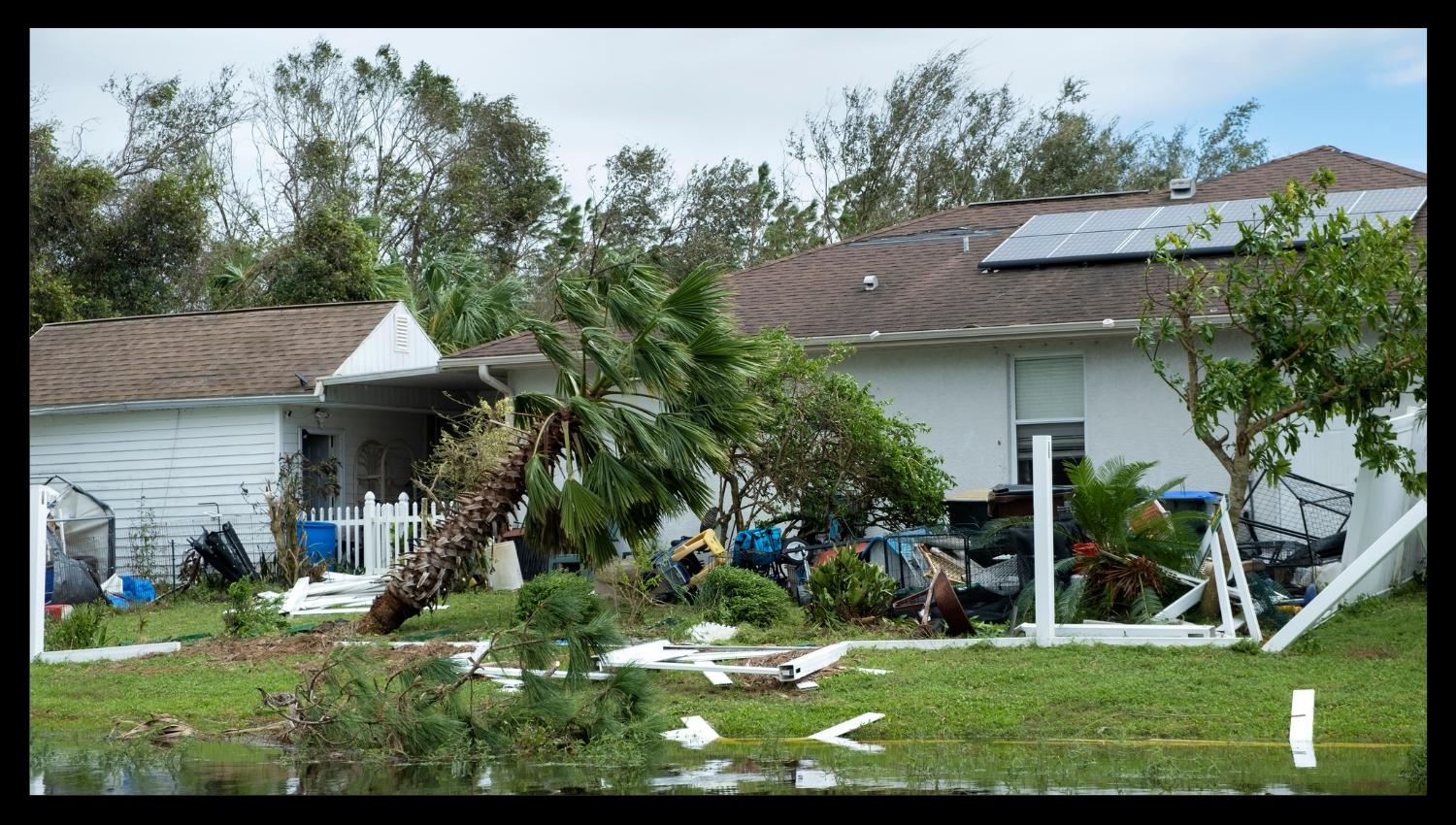
Tropical systems that move over the land from the Gulf of Mexico generate another potential for heavy rain in Austin in late summer and fall. The inland city of Austin rarely experiences direct effects from tropical storms; it is still greatly affected by land-falling tropical systems during this time of year, according to the National Weather Service’s climate guidance. Heavy rain and flooding are more significant tropical-system threats than coastal storm surge for Austin and the surrounding area. Tropical systems and their remnants bring a lot of moisture and lead to heavy rains after the major severe weather season in the spring. The remnants of Harvey, for instance, produced significant rainfall in Austin and show how tropical systems affect inland communities. These events do not always occur each year, and rainfall depends on each system’s movement and rainfall conditions. This seasonal effect does not eliminate the risk of storm-related water damage after spring. Another source of heavy rains in late summer and fall is tropical moisture.