EPA divides residential leak detection technology into two categories: point-of-use technology, installed near the leak, and point-of-entry technology, installed near the point of entry to the whole house. These systems include moisture sensing, flow monitoring, pressure monitoring, remote alerts, and automatic water shutoff features to help prevent catastrophic flooding. Smart consumers consider their individual needs when determining the right solution: simple localized sensors vs. full home monitoring networks. You choose the right security system for your home by considering features like mobile notifications and automatic shutoff valves. You can rest assured and keep your home safe from plumbing emergencies with the right system.
What Are the Main Types of Home Water Leak Detection Systems?
Here Are the 5 Main Types of Home Water Leak Detection Systems:
- Whole-Home Flow Monitoring Systems: These detect water flow through the home’s plumbing and alert you to unusual flow patterns that indicate a leak.
- In-Line Leak Detection Systems: In-line leak detection systems are installed in the main water supply line, detect water usage throughout the house, and feature automatic or remote shutoff options.
- External Flow Monitoring Systems: External flow monitoring systems do not require in-line installation. They attach near the meter or main line, depending on the plumbing configuration.
- Automatic Water Shutoff Systems: Water shutoff systems automatically shut off the water if water is used abnormally, rather than just sending an alert.
- Hybrid Leak Detection Systems: Smart water leak detectors use several methods. They use several methods.
How Do Smart Water Leak Detectors Work?
Smart water leak detectors use cutting-edge technology to detect water leaks before they wreak havoc on properties. Moisture detection uses special electrodes or sensors that sense moisture where it normally shouldn’t be. Flow monitoring tracks the amount of water flowing through your pipes and immediately detects unusual water use. Pressure monitoring detects small or abnormal plumbing events that homeowners otherwise miss through subtle pressure changes. Smart systems learn typical household water use and warn you if usage deviates from the norm by analyzing usage patterns. The system detects suspicious leakage and notifies you by phone or email. Higher-protection systems act immediately by automatically shutting off the main water shut-off valve once the alarm activates under predetermined leak conditions.
What Features Should You Look for in a Home Leak Detection System?
Here are the 8 Features You Should Look for in a Home Leak Detection System:
- Automatic Water Shutoff: This feature directly cuts off water flow when it detects an issue, rather than just sounding an alarm.
- Real-Time Notifications: Look for mobile, email, or audible alerts that promptly notify you of unusual water use.
- Small-Leak Sensitivity: Some monitoring technologies (Phyn, StreamLabs) detect subtle changes caused by slow, hidden leaks.
- Battery Backup: Backup power keeps essential system operations running during a sudden power outage.
- Wi-Fi and Smart-Home Connectivity: Connected features like Wi-Fi and smart-home connectivity are invaluable for those who travel often or manage properties remotely.
- Usage Monitoring: Devices provide detailed water-use information to help homeowners understand their home’s water consumption.
- Manual Shutoff Control: Homeowners can remotely close the shutoff valve if there’s a problem.
- Alert Customization: Adjust thresholds to meet household needs and capture normal and high-volume events like showers, watering, or appliance cycles.
Is a Whole-Home Leak Detector Better Than Individual Water Sensors?
The choice between a whole-home detector and individual sensors depends on your plumbing layout, budget, risk level, and the protection you want. Single sensors protect specific locations, while a whole-home sensor detects water-use anomalies throughout the plumbing downstream of the sensor. A point sensor notifies the homeowner when water contacts the sensor. A whole-home monitor alerts the homeowner to unusual water usage without identifying the source. Simple moisture detectors are easier to install, while in-line whole-house detectors require more professional and intrusive plumbing work. The main difference is that simple sensors only notify the homeowner, while advanced systems shut off the water in an emergency. Individual sensors protect and monitor specific points, while full-scale systems provide whole-house monitoring and require more complex installation and technology.

Where Should Water Leak Sensors Be Installed?
Strategically placed point-of-use sensors provide critical warnings that prevent water from damaging your floors and cabinets. Locate sensors as close as possible to water heaters, where leaking tanks, valves, or pipe connections release water first. Place detectors under kitchen faucets, where supply lines run near sinks, along drains, garbage disposals, and near easy-to-break cabinet bases. Keep appliances near washing machine hoses and drains in case of an overflow. Install sensors behind refrigerators to monitor appliances connected to an active ice-maker or drinking-water supply line. Place sensors near dishwashers and around toilets where water pools and then trickles under the bathroom flooring. In low-level basements and utility areas with multiple water sources, adding floor sensors is especially beneficial.
Which Leak Detection System Is Best for Different Types of Homes?
Here are the 6 Leak Detection Systems Best for Different Types of Homes:
- Best for Apartments or Smaller Homes: Point-of-use moisture sensors are ideal for areas where installing equipment on the water supply is still difficult.
- Best for Large Homes: Whole-home flow monitoring is an option for larger plumbing networks, where you install a monitoring system at the home’s main point.
- Best for Frequent Travelers: Smart monitoring with remote alerts and automatic shutoff means you monitor the property remotely and get alerted immediately when no one’s home.
- Best for Homes With Aging Plumbing: Whole-home monitoring, such as sensitive flow or pressure detection, adds an extra layer of visibility to detect abnormal or failing plumbing activity for older homes.
- Best for High-Risk Appliance Areas: Multiple point sensors are very helpful in areas with a high risk of water exposure, such as around water heaters, washing machines, refrigerators, dishwashers, and susceptible sinks.
- Best for Maximum Protection: Whole-home monitoring, automatic shutoff, and strategically located moisture sensors offer overall plumbing protection and location-specific detection.
Do Leak Detection Systems Require Professional Installation?
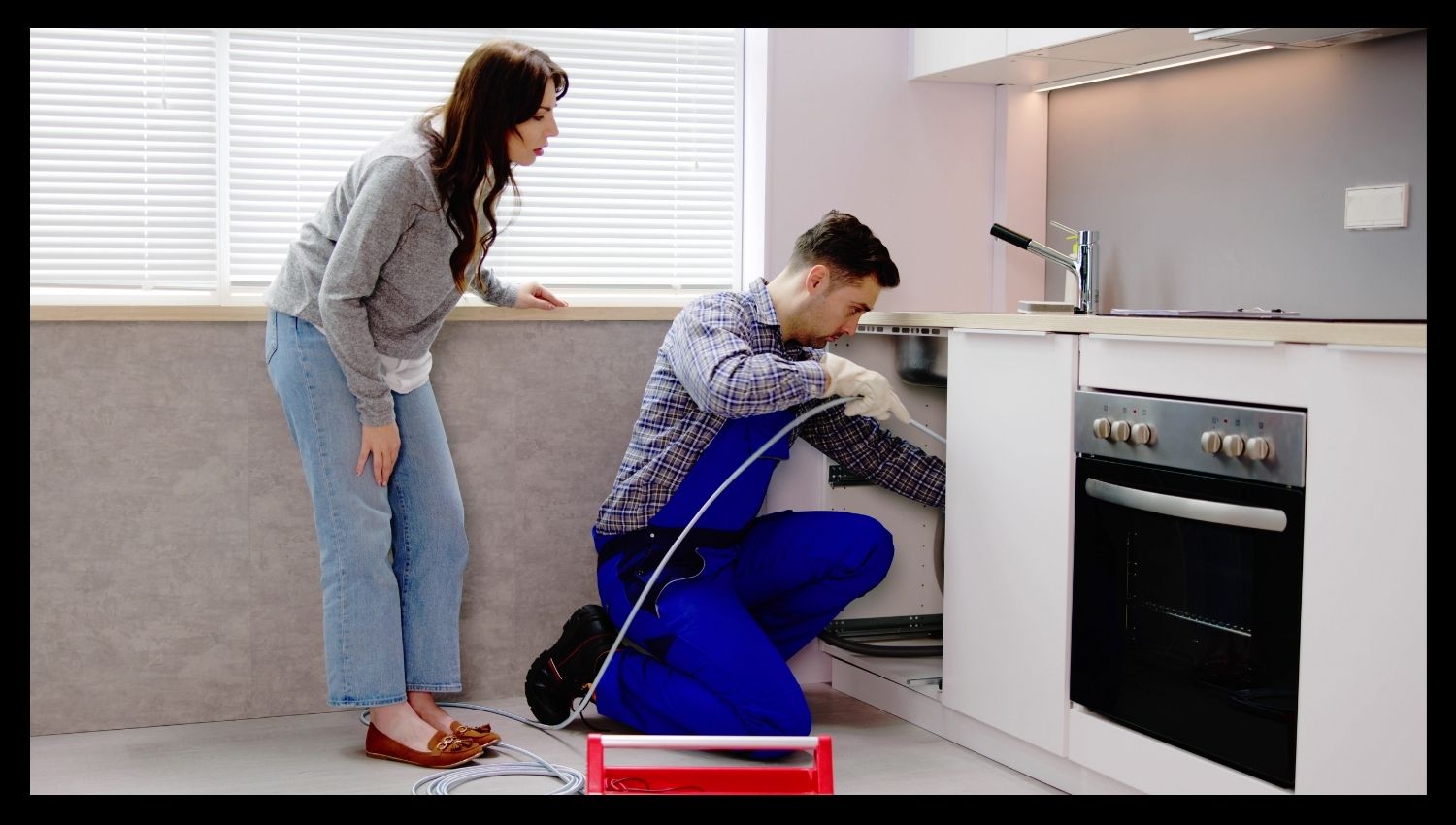
Installation instructions vary widely depending on the water meter type, the plumbing system, and the monitoring technology. Independent moisture detectors have relatively simple designs that users can easily install around leaking fixtures in their home. Installation requirements for external flow monitors vary depending on the fixture they monitor and whether they’re mounted near the meter or on the main line. In-line flow monitors attach inside the home’s plumbing system and require a licensed plumber to cut the line. Professional installation is required if a system needs changes to the main supply plumbing for an automatic shutoff valve. EPA lists product limitations related to water pressure, meter compatibility, and installation configuration, so verify these details before purchase.