Homeowners protect their homes by fixing small plumbing problems, maintaining appliances, and securing the exterior shell against the weather. A well-designed prevention program includes seasonal inspections, timely repair of minor leaks, and smart moisture management throughout the building. Leak detection systems and exterior drainage solutions add an extra layer of protection against unexpected water issues. Professionals inspect indoor environments and use humidification instruments (such as a digital hygrometer and thermal moisture meter) to detect hidden moisture early. These prevention measures help keep your home safe, dry, and structurally sound for years.
How Can Regular Plumbing Maintenance Help Prevent Water Damage?
Regular plumbing system checks directly reduce the risk of an explosive pipe burst and costly structural water damage. Homeowners should inspect accessible plumbing connections under sinks, around toilets, and near visible plumbing components for looseness, corrosion, or deterioration. Replace outdoor water supply connectors, aging flexible hoses, and other components before they fail to avoid unexpected flooding inside the home. Small leaks must be promptly repaired, not considered a “normal quirk of the house. Abnormally high water pressure strains plumbing connections, so adjust it to prevent damage to the entire system. All residents should know where the main shutoff valve is so they can immediately shut off the water supply in an emergency.
How Can You Reduce Water-Damage Risk From Household Appliances?
Check appliances such as washing machines and dishwashers that draw water from the house for cracking, bulging, brittleness, corrosion, or loose fittings. Maintain easy access to all connections easily accessible, and don’t store heavy items in front of appliance water lines and shutoff valves. Service regularly per the manufacturer’s instructions to catch worn parts before hundreds of gallons of water get into the home. Don’t wait until the hoses, valves, or fittings are visibly failing before replacing them. Appliances with specific shut-off points add an extra layer of security when water isn’t used for an extended period.
How Can Roof and Exterior Maintenance Help Keep Water Out?
The building exterior is the most important barrier against rainwater and seasonal weather elements that can damage a building. Fixing damaged or deteriorating roofing components immediately prevents moisture from getting into the attic or ceiling again. Cleaning gutters and downspouts helps prevent blockages and keeps water from piling up against the roofline. Runoff drains away from the outside walls and foundation through downspouts to prevent seepage into the ground at the foundation base. Inspect and replace caulking around exterior penetrations or seals as needed to ensure a complete watertight envelope. Repair small gaps or minor damage before they grow over time.
How Can Proper Drainage Reduce Water-Damage Risk?
An effective landscape drainage plan moves water away from the structure and prevents it from harming the structure over time. Never let leaves, dense soil, landscaping, or yard waste block waterways designed to carry water away from the home. Investigate and physically correct standing water around the structure to protect the concrete foundation permanently. Channel rainwater from the roof to the proper drainage area through gutters and downspouts that are maintained and kept clear of debris. Clear drainage paths keep the foundation from shifting and prevent water pressure from pushing into the building.
How Can Indoor Moisture Control Help Prevent Water-Related Problems?
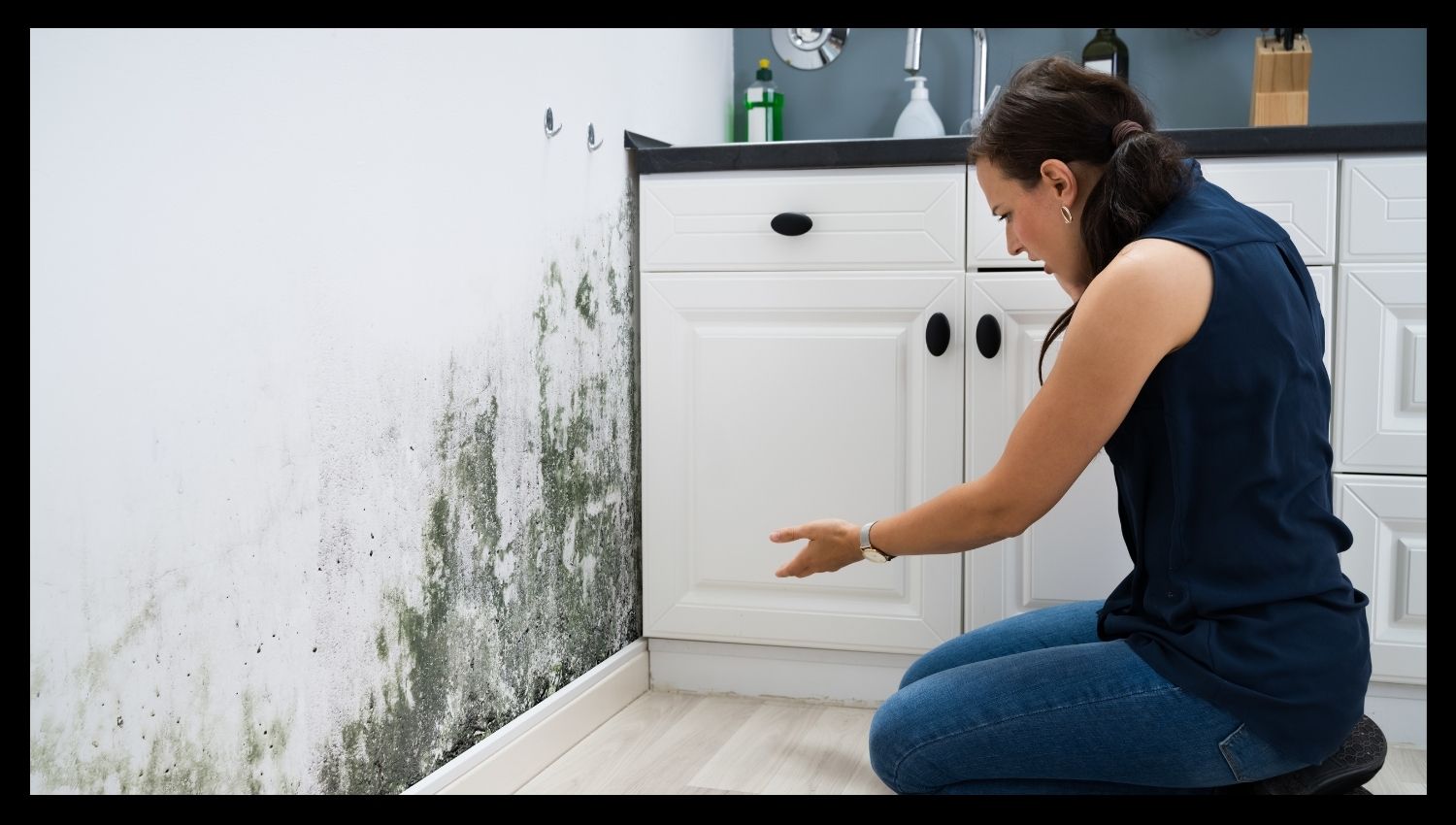
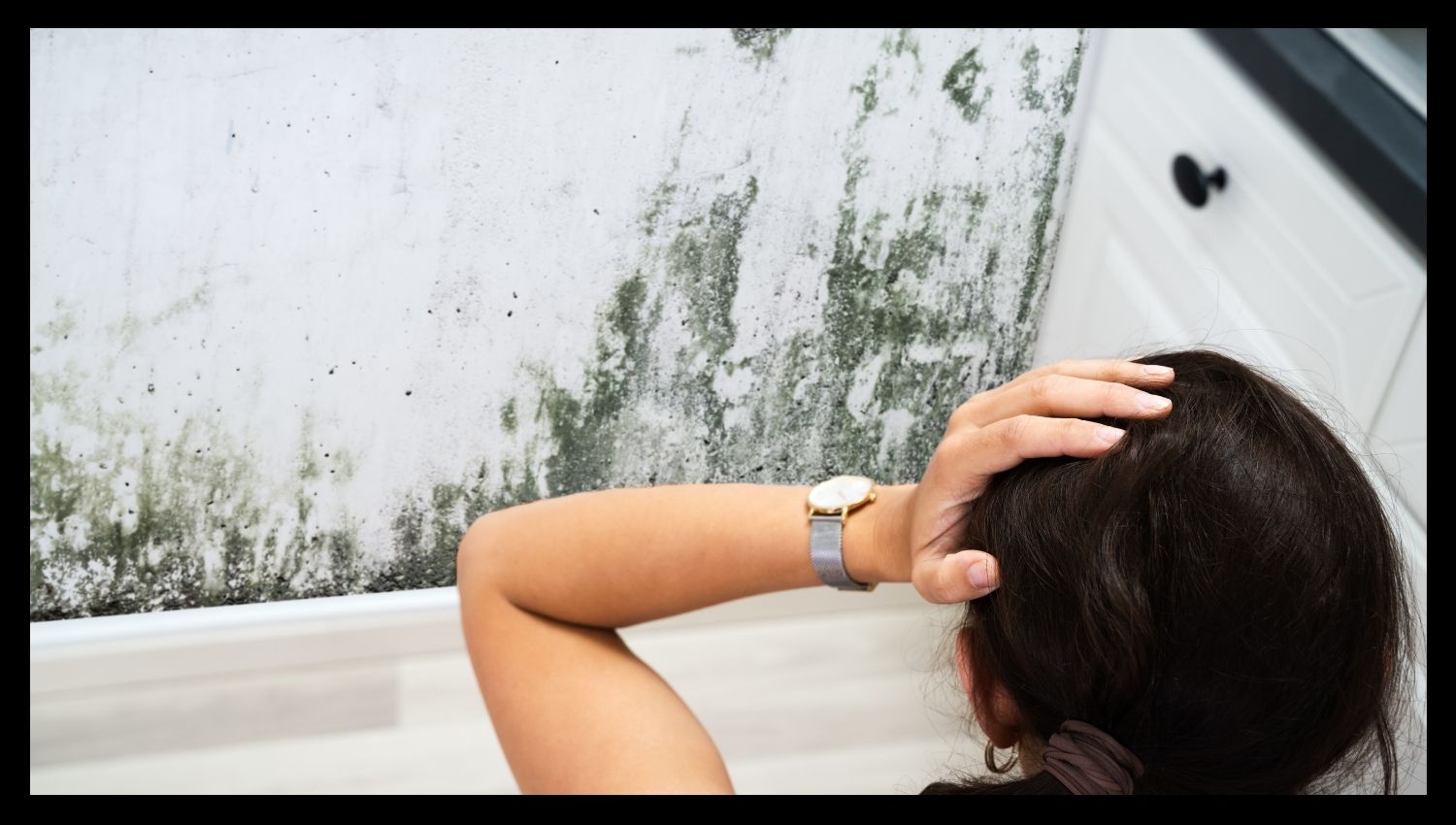
Bathroom and kitchen exhaust ventilation actively pulls away excess moisture created by daily showers, cooking, and normal room activities. Proper indoor humidity minimizes extended periods of wetness, which can damage paint, warp wood flooring, and damage drywall. Never ignore recurring condensation on metal pipes, window frames, or other cool indoor surfaces during seasonal temperature changes. Wet spaces prone to moisture need adequate ventilation, mechanical ventilation, and moisture control to protect the surrounding structure. Professionals monitor these invisible humidity levels with humidity instruments (indoor psychrometers and smart moisture sensors) and address direct water sources effectively.
Can Leak Detection Devices Help Prevent Major Water Damage?
New leak detection systems are a powerful early-intervention tool to protect homes from serious plumbing mishaps. Point leak detectors are small devices mounted near water appliances, water heaters, and sinks that detect leaks and warn occupants immediately. Whole-home monitoring systems track water usage and alert you to irregular use, which can indicate a hidden plumbing leak. Automatic shutoff systems automatically shut off the water supply when they detect abnormal flow or a pipe leak. Connected smart devices deliver real-time alerts to homeowners’ smartphones when they are away from home. This technology helps cut response times dramatically; it is not intended to replace regular maintenance of plumbing and appliances.
Should Every Homeowner Know Before a Water Emergency Happens?
Here are the 5 things Should Every Homeowner Know Before a Water Emergency Happens:
- Locate the Main Water Shutoff: All adults in the household should know where the main shutoff is and how to use it to prevent floodwater from entering the house.
- Identify Appliance Shutoff Valves: Know where the dedicated shutoff valves are for water-supplied appliances and major fixtures.
- Keep Emergency Contacts Available: Keep contact numbers for licensed plumbers, restoration companies, and other relevant contacts.
- Understand Basic Electrical Safety: Homeowners should avoid entering standing water at all times when potentially dangerous electrical hazards are nearby.
- Act Quickly When Water Escapes: Controlling the water source as quickly as possible helps reduce how much water reaches surrounding building materials or structural framing.