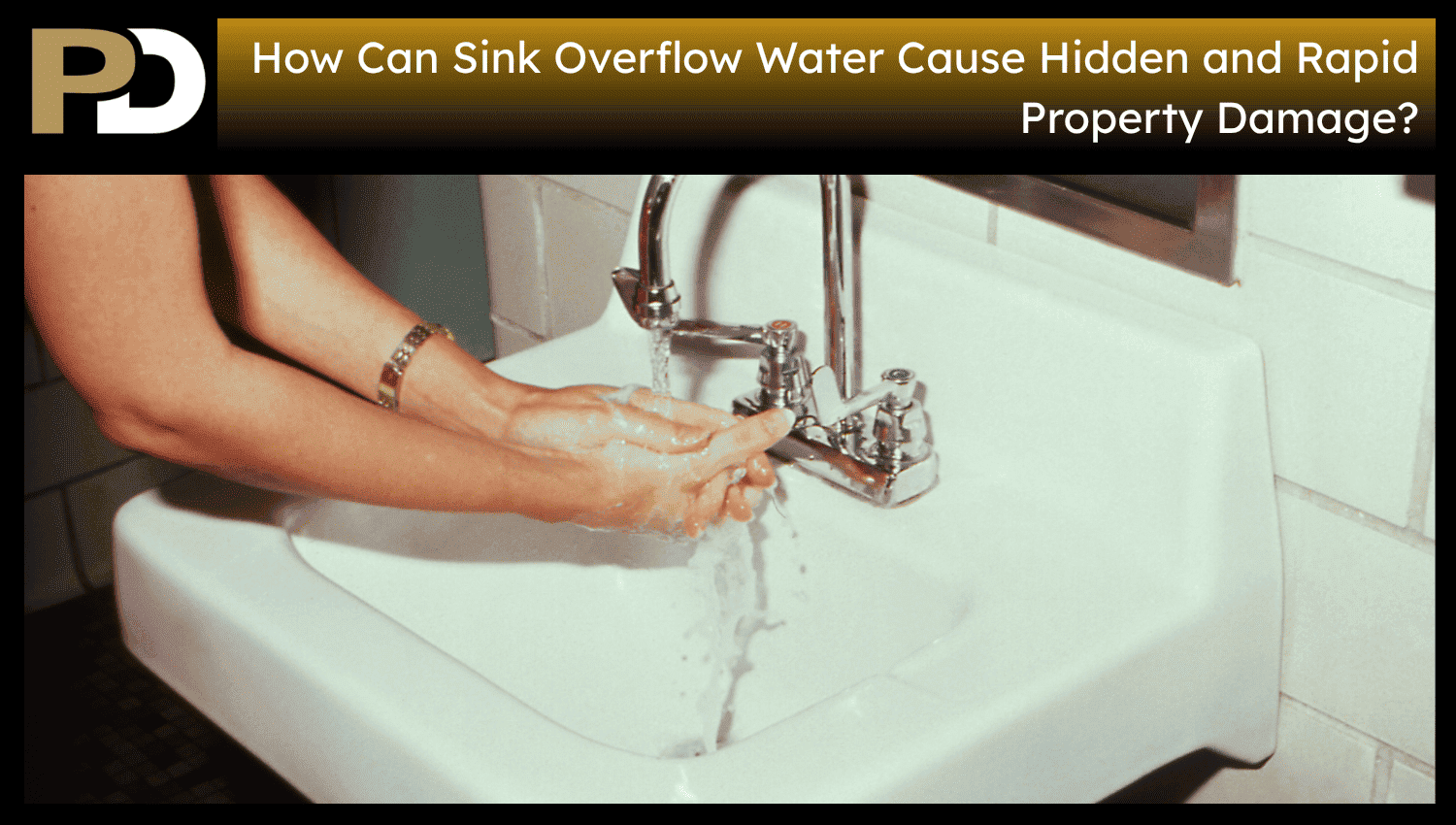
Overflow from sinks in both kitchens and bathrooms is a common cause of water damage. The seemingly insignificant overflows spread to cabinets, floors, walls, and other hidden areas within just a few minutes. Flooding from a sink tends to flow onto other countertops and flooring and into concealed building materials. Water also seeps through openings in the floor, causing problems in the ceilings or rooms below in multi-story houses or apartment complexes.
Kitchen sink overflows contain more water, grease, or food debris, creating extra cleaning difficulties. The overflow from the bathroom sink contains clean water and easily spreads to vanity cabinets, flooring, and wall materials. Kitchens have more exposed wood cabinetry, which is likely to absorb moisture, while bathrooms tend to have higher humidity, making it difficult for the wood to dry.
What Leads to Sink Overflow Events in Homes?
Here are the 5 Leads to Sink Overflow Events in Homes:
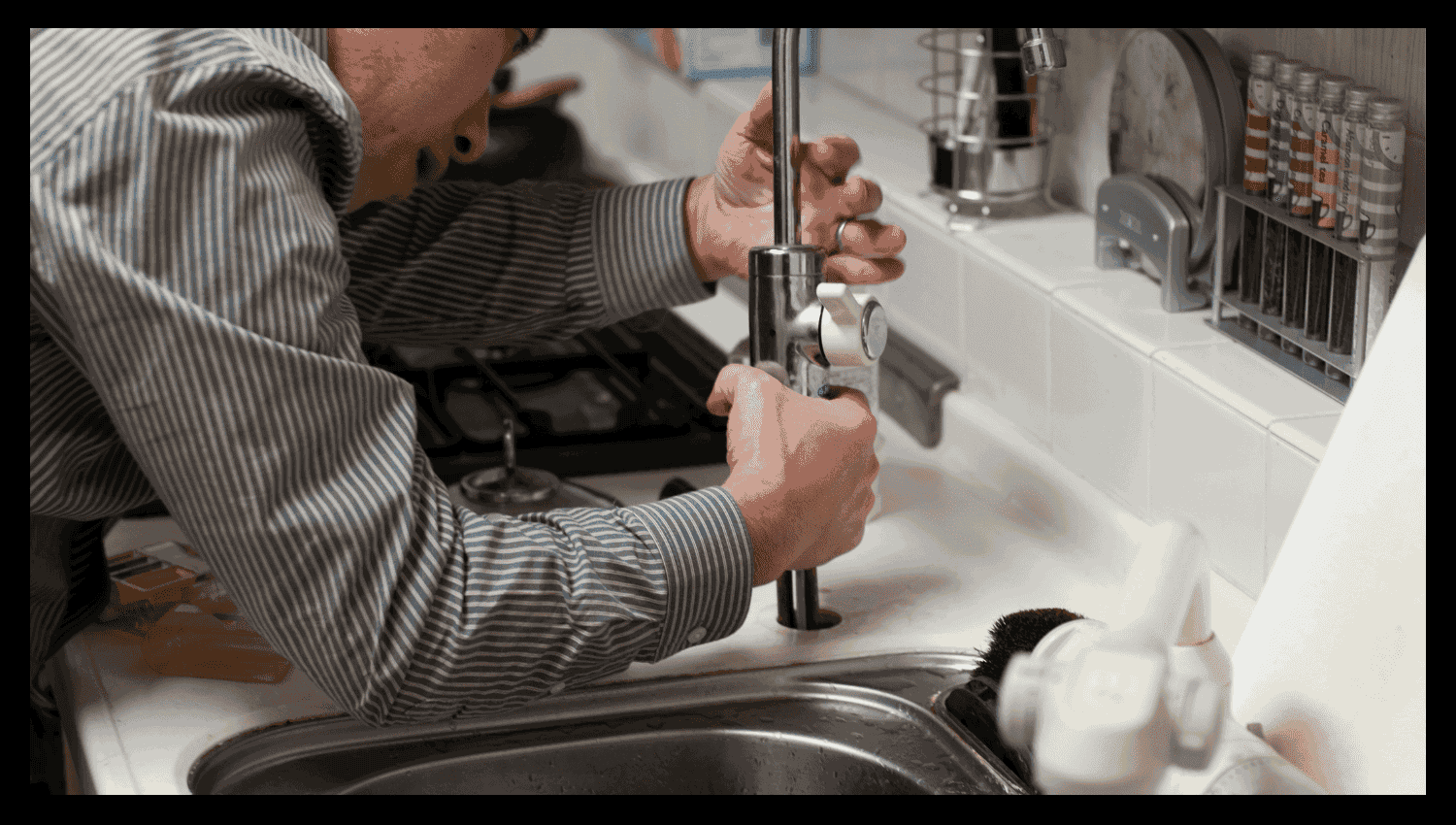
- Drain Blockages: Grease, food debris, and other items that build up in the kitchen sink pipes cause the sink to clog. The water eventually drips onto other surfaces as more water continues to pour into the sink.
- Hair and Soap Accumulation: Bathroom sinks are common sites of slow drains because hair, soap film, toothpaste, and other substances gradually reduce water flow, making it easier for the sink to overflow.
- Worn Drain Components: Damaged drain assemblies, deteriorated pipes, or loose plumbing fittings limit water flow or cause leaks, leading to overflow conditions.
- Overfilled Basins: Even if a faucet is left on while a sink is clogged, water easily spills over the edges, especially if the sink is not monitored.
- Installation Issues: Water that does not drain well overflows if the plumbing is not installed properly, the pipes are not aligned, or the drainage components are not properly connected.
Which Areas Are Most Prone to Sink Overflow Damage?
Here are the 5 areas most prone to Sink Overflow Damage:
- Kitchen Countertops and Flooring: The water first runs over the countertops and then over the surrounding flooring. Moisture infiltrates flooring joints and adjacent materials if not removed promptly.
- Bathroom Vanities: The vanity cabinets beneath bathroom sinks are highly susceptible to water penetration, as water enters through any plumbing hole and becomes trapped in the cabinet compartment.
- Subfloor Structures: Infiltrating water seeps through to the subfloor, causing long-term damage to the structural support.
- Cabinet Interiors: Water is absorbed by wooden cabinets below kitchen and bathroom sinks, causing them to swell, warp, and slowly deteriorate if trapped.
- Adjacent Living Spaces: A spill that is not cleaned up promptly spreads beyond the sink area and into surrounding rooms via doorways, gaps in the flooring, and baseboards.
What Are the Immediate Effects of Sink Overflow?
The damage caused by a sink overflow is visible within minutes. Water quickly spreads across counters and in the vicinity of countertops, enlarging the area of damage. Water seeps through cabinet joints and pipe openings, which is why cabinets under the sink start to absorb water as soon as they are installed. Wet floors are more slippery and cause falls in the kitchen and bathroom, and the risk is higher when the floor is wet. Other equipment, carpets, cleaning materials, and household goods stored near the appliances are also exposed to water, causing further damage to the property.
How Can Sink Overflow Water Damage Building Materials?
Overflowing water from a sink damages many building materials in a home. Wooden cabinets tend to absorb moisture very rapidly, leading to swelling, warping, and loss of strength. Water causes the adhesives to weaken, separate, or crack laminate and tile flooring. Drywall and baseboards draw up moisture, causing stains, swelling, or gradual deterioration. Water moistens the subfloor layers; prolonged dampness reduces the stability of the flooring system. Water also seeps into areas where the countertop edges are not secured and into weak sealant joints, causing damage to the countertop material over time.
What Hidden Damage Can Develop After a Sink Overflow?
A lot of sink overflow damage goes undetected, remains in cabinet structures long after the surfaces appear dry, and continues to affect the wood. Trapped moisture beneath floor coverings remains in subfloor systems, causing progressive deterioration of the subfloor. Plumbing openings also allow moisture to flow into wall cavities, continually exposing drywall and insulation to moisture. As water damage progresses over time, it extends deeper than is apparent.
How Can Sink Overflow Impact Indoor Environmental Conditions?
Sink overflow creates additional moisture in the home, which gets trapped in cabinets, under the floors, or in the walls. Standing water left for too long causes bad smells that won’t go away until you remove the water. Wet materials diminish comfort in kitchens and bathrooms, leaving them damp or less clean. Moisture exposure leads to the growth of microorganisms in moist building materials, which further degrade the indoor environment over time.
How Can Repeated Sink Overflow Incidents Affect Property Value?
The multiple sink overflows affect a property’s condition and market value. Water damage to cabinets, flooring, or walls undermines buyer confidence during viewings. Rusting and warped cabinets, as well as broken or worn-down floors, make the house look shabby and unkempt. Any plumbing problems noted before, or signs of previous water-leak damage, also affect buyers’ choices. A history of recurring sink overflow issues and moisture damage over the years diminishes the property’s resale value and market appeal.