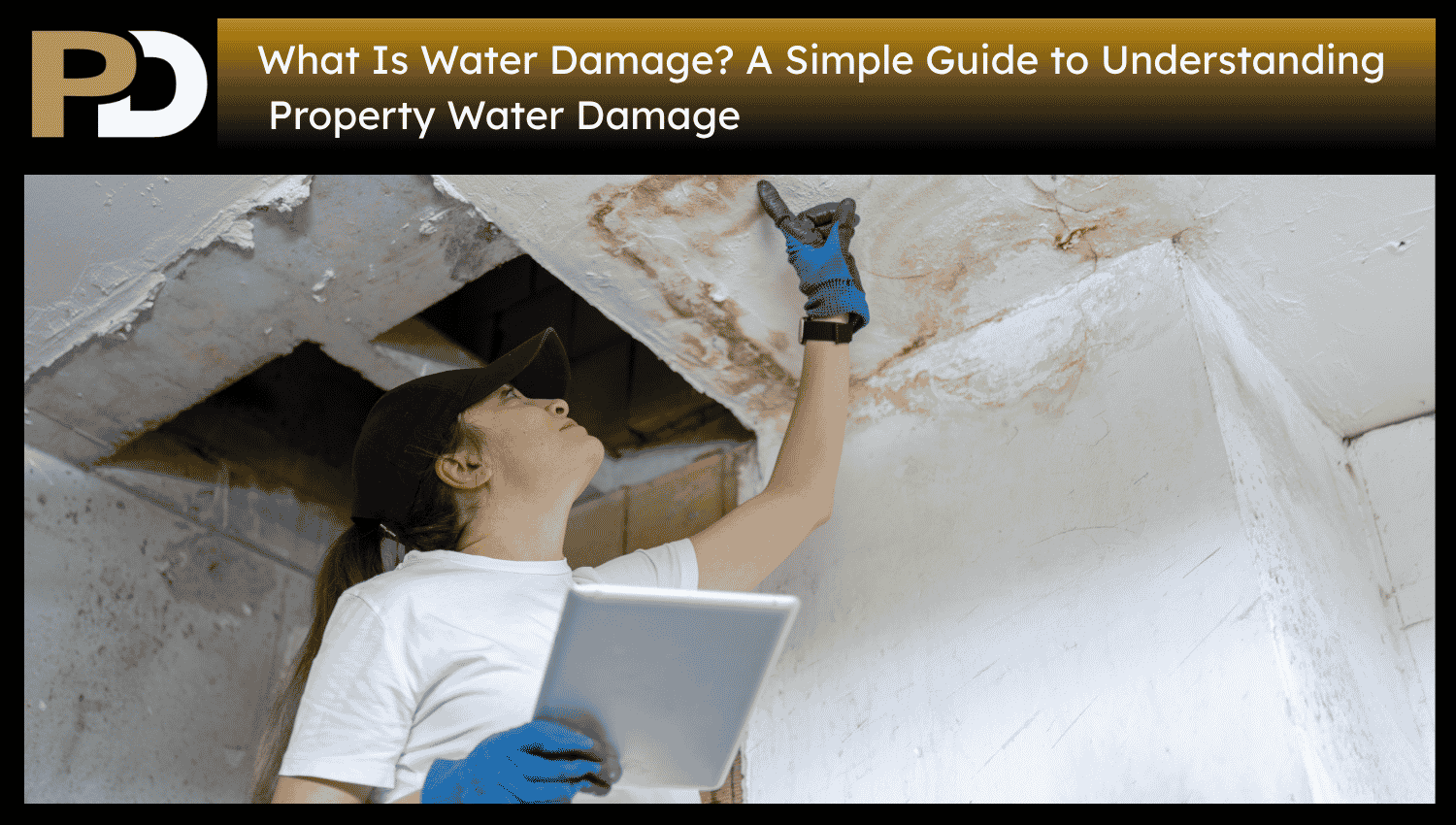
Water damage is the physical destruction of materials and structures in property caused by unwanted water. It affects a property’s safety, usability, value, and life. Excessive water destroys building materials (wood, drywall), floor, paint, furniture, electronics, documents, and personal belongings.
Water damage degrades the property, leading to repair costs and rendering it unusable. Early detection of water damage prevents damage to building structures and belongings. It keeps the building healthy in the long term by preserving the building’s integrity and improving indoor air quality and property value.
What are the Types of Property Components Commonly Affected by Water Damage?
Here are the 5 Types of Property Components Commonly Affected by Water Damage:
- Structural Components: Water seeps into wooden studs, beams, ceiling supports, and roof decking, causing them to become saturated, weak, and unstable. Moisture under finished floors impacts the durability and performance of subfloor materials. Concrete is durable, but over time it cracks, stains, and deteriorates from exposure to moisture.
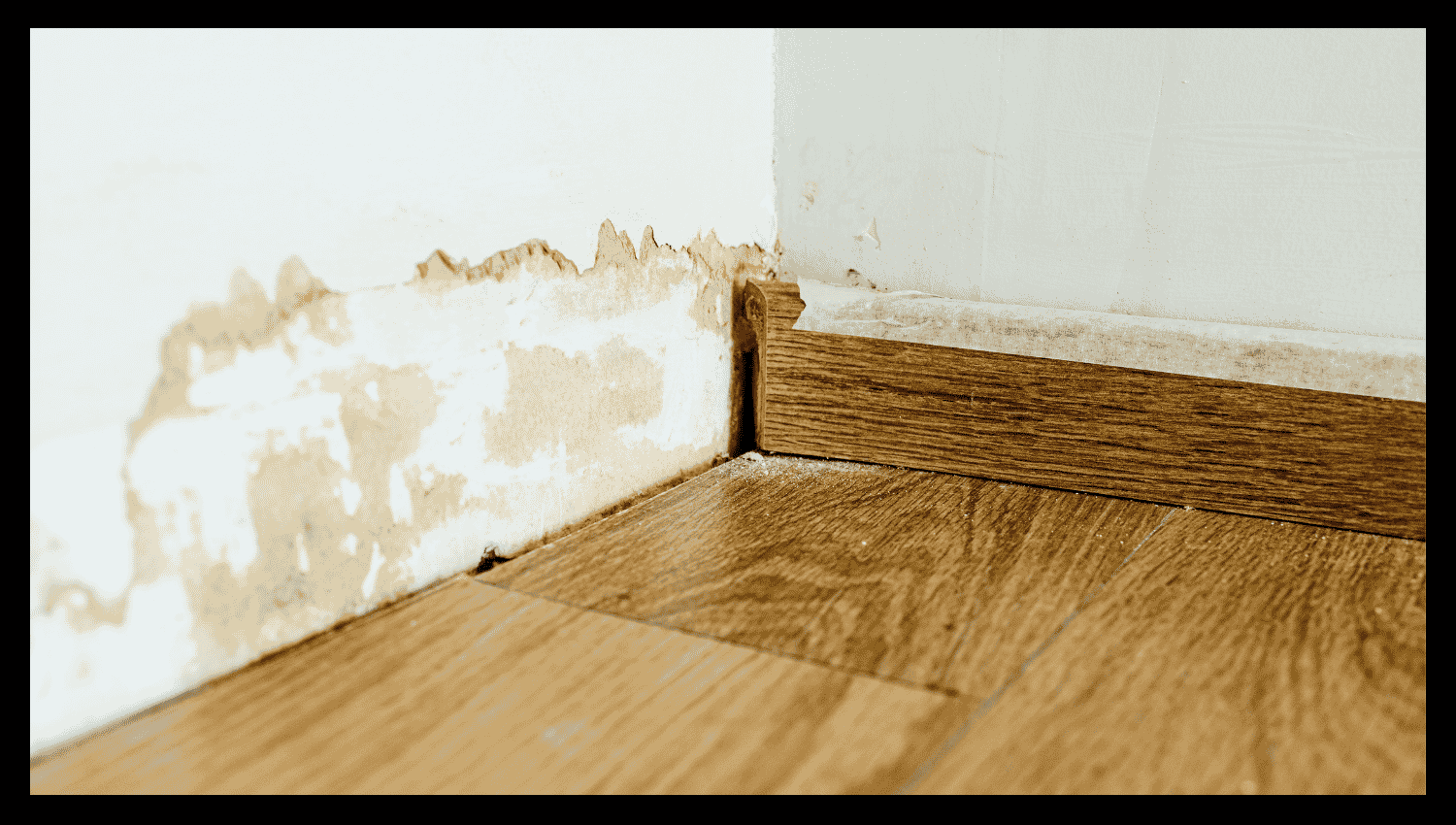
- Interior Building Materials: Drywall, plaster, and wallpaper swell, soften, stain, peel, or lose structural integrity due to water damage. Paint and decorative finishes bubble, peel, crack, and become discolored due to excess moisture. Trim, baseboards, and molding warp, swell, crack, or pull away from walls when exposed to water.
- Flooring Materials: Moisture seeps through seams and joints, causing the floor to lift, expand, or delaminate. Hardwood flooring swells, cups, buckles, warps, and separates due to water. Carpet and Padding became wet and smelly when damp for extended periods. The surface of Vinyl Flooring is waterproof, but moisture can get beneath it and damage the inner layers.
- Personal Belongings and Contents: Paper documents are sensitive to water and are stained, warped, torn, or even unreadable. Fabrics pick up water quickly, leading to odors, discoloration, and damage. Water permanently damages decorative items such as artwork, photos, and collectibles.
- Building Systems and Fixtures: Moisture affects HVAC Systems, ductwork, vents, and filters, degrading indoor air quality and efficiency. Water seeps near electrical outlets, wiring, switches, or electrical panels, posing safety risks and potential operational problems. Kitchen and bathroom cabinets swell, weaken, and become unstable with excessive moisture.
How Commercial Areas are Vulnerable to Water Damage?
Office buildings have several plumbing lines, HVAC systems, electronic equipment, papers, and office furniture that are impacted by hidden moisture issues. Water damage in retail shops and shopping malls affects product stock, showcases, floors, and customer areas, posing safety hazards and disrupting business operations. Large floor space in a warehouse or industrial facility affects stored products, packaging, and equipment used in operations. Dining areas and food storage spaces in restaurants and food service facilities are damaged by large amounts of water flowing through the buildings’ plumbing. Water infiltration damage to sensitive equipment and patient care areas in healthcare and medical facilities. Water damages books, technology, furniture, and interior finishes in educational facilities.
What Water Damage Means for Homeowners?
Water damage to walls, ceilings, floors, and personal belongings in a home. Excessive moisture damage to furniture, electronics, clothing, documents, and decorative items. Water damage affects comfort and causes damp conditions inside, and requires maintenance. Walls, ceilings, floors, basements, crawl spaces, and attics are susceptible to water intrusion. These areas retain or absorb water and, over time, can cause damage if not promptly detected and corrected.
What Water Damage Means for Businesses?
Water damage in business settings disrupts day-to-day operations and affects the functionality of business buildings. Water damage affects workspaces, equipment, and inventory, potentially damaging vital business assets. Water damage to commercial interiors, including flooring, walls, ceilings, furnishings, and fixtures. Water damage affects staff productivity, as they are unable to access work areas or work in an uncomfortable environment. Damaged interiors and limited services in customer-facing businesses negatively impact customers’ experience.
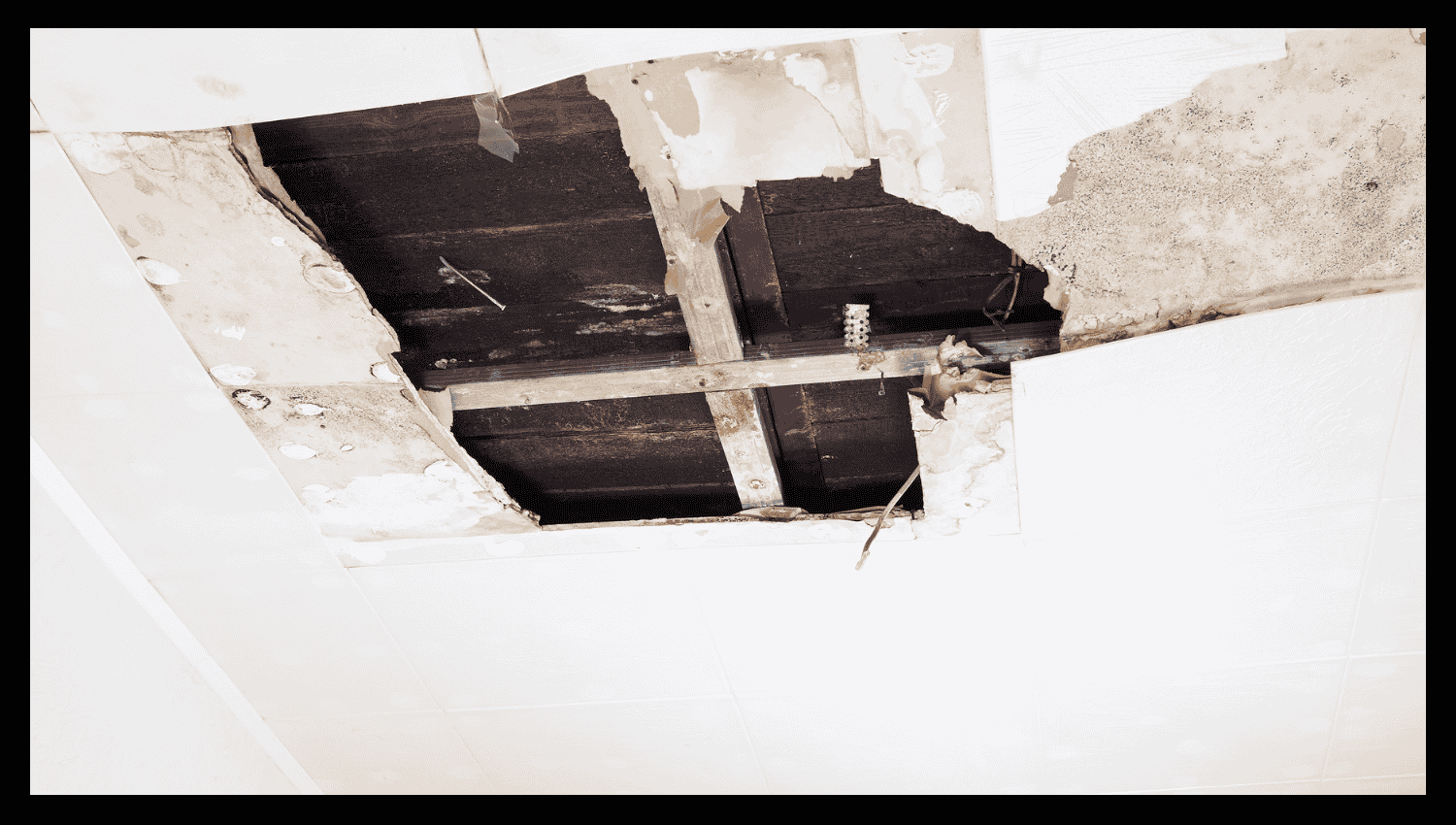
What Happens When Water Comes into Contact With Building Materials?
Here are the 5 mishaps that happen when Water Comes into Contact With Building Materials:
- Moisture Absorption: Porous materials absorb liquid water, including drywall, wood, insulation, and carpeting. Water moves through interconnected building materials, affecting surrounding surfaces and hidden areas. The longer water is exposed, the further it penetrates building materials.
- Material Expansion and Swelling: Wood products swell, warp, and change shape (absorb moisture), such as doors, trim, cabinets, and hardwood flooring. The drywall and insulation become soft, bulge, sag, or even rearrange. Flooring materials such as laminate and engineered wood expand or separate when exposed to moisture. Cabinets and wood-based fixtures swell and change size.
- Changes to Structural Stability: Excessive wetness affects material strength, durability, and performance. Over time, moisture in adjacent materials and joints affected their connections. Water exposure makes the load-bearing elements less stable.
- Surface and Appearance Changes: Water causes discoloration and staining on walls, ceilings, and all types of flooring. Flooring, trim, doors, and wall coverings warp, twist, or come loose upon exposure to moisture. Water damage causes peeling, blistering, cracking, and loss of adhesion of paint, wallpaper, and decorative finishes. Cosmetic blemishes and uneven surfaces occur in the water-affected area.
- Hidden Moisture Retention: Water held in wall cavities, below the floor, or above the ceiling, is not readily visible. Dense or layered building materials retain water for a long time and are destroyed. Water retention in electrical boards causes electric shock and damage to the electrical supply.
How does water damage differ from Moisture Problems?
Moisture is environmental dampness, and water damage occurs when water is absorbed by the material, causing physical damage. Water damage is identified by materials swelling, warping, staining, softening, peeling finishes, and other changes to the property components. These effects suggest that the materials have been affected, not merely exposed to moisture. Moisture problems are any condition of over-moisture, condensation, or dampness in a building environment. Moisture is present, with no immediate damage to building materials until they absorb water. Moisture can be there without any immediate consequences, but water damage tends to be much more serious, as it compromises the condition, stability, and long-term integrity of the property.