Water damage spreads fast inside a home’s structure. Homeowners and property managers need to be aware of how quickly water damage can occur. The speed of water damage depends on the amount of water, the building material, and the duration of the water. Water is moved by gravity and capillary action, flows downward, and reaches areas beyond the source. Drywall, wood, insulation, and carpeting are all porous materials that absorb and spread moisture. Wall cavities and subfloors are hidden areas where water can spread undetected. Moisture migration is affected by the temperature and humidity within a building. Water damage begins within minutes and continues for days or even weeks if water is trapped inside the home.
What Are the Earliest Signs That Water Damage Is Spreading?
Here are the 7 Earliest Signs That Water Damage Is Spreading.
- Water Stains and Discoloration: Yellow/brown or dark stains are present on the walls and ceilings, indicating that moisture is migrating beyond the scope of the initial damage.
- Damp or Wet Surfaces: Water feels damp on floors, carpets, walls, or other surfaces, indicating that water is migrating into other materials.
- Peeling or Bubbling Paint: Moisture trapped under paint, wallpaper, or other finishes causes bubbling, lifting, or peeling finishes.
- Swelling or Warping of Materials: Water causes wood flooring, baseboards, and cabinets to swell, warp, and change shape.
- Musty or Damp Odors: Persistent odors occur when moisture is trapped behind walls, under flooring, or in other hard-to-reach areas.
- Soft or Spongy Building Materials: As water further penetrates drywall, wood, and flooring materials can become soft, weak, and sponge-like.
- Increased Indoor Humidity: More moisture than usual in the rooms, making them feel unusually humid, damp, or stuffy.
What Are the Key Stages of Water Damage Spread?
Here Are 5 Key Stages of Water Damage Spread.
- Initial Water Contact: Water first comes into contact with the property by pooling on permeable surfaces such as floors, carpeting, and countertops. Damage is not readily visible at this stage, but there is immediate moisture damage to nearby materials.
- Surface Absorption: The porous materials, such as drywall, wood, insulation, and fabrics, begin to absorb moisture. Symptoms of early infestation include moist spots, discoloration, or slight swelling.
- Horizontal and Vertical Migration: Water travels away from the origin, spreading sideways and downward through construction materials and enters other rooms, wall cavities, ceiling, and subfloor systems.
- Deep Material Saturation: Water seeps into structural elements like insulation, flooring, framing, and other hidden materials. Water trapped in unseen areas causes more damage.
- Widespread Property Impact: The water spreads, and multiple areas of the property are affected. Deterioration of materials, weakening of structures, and observable changes in the indoor environment are more common and obvious.
How Does Water Travel Through Different Building Materials?
Here are the 4 ways water travels through different building materials.
- Drywall and Plaster: Drywall and plaster absorb water quickly due to their porous quality. Water migrates vertically and horizontally from the initial site of contact when it becomes a part of these materials.
- Wood and Framing Materials: Wood takes longer to absorb water but retains it over time. Water absorption causes wood to swell, and water is carried through connected framing materials to other areas of the building.
- Flooring Systems: Carpet and padding soak up water immediately, causing it to spread to a larger area. Water seeps up under hardwood or laminate flooring and causes it to warp, swell, or buckle.
- Insulation: Fiberglass and cellulose insulation retain water and keep it in place for long periods. Insulation carries moisture to other building components when it becomes wet.
How Does Water Damage Progress Within the First Hour?
Water continues to expand from the point of origin and begins to affect other rooms and building materials within the first hour. Porous materials like wood, drywall, insulation, and more absorb more and more moisture, spreading the damaged area. Water spread to furniture, cabinets, and personal belongings, leaving them damp. Water seeps under flooring surfaces and behind walls, doing further damage that is not apparent to you.
How Does Water Damage Change After 24 to 72 Hours?
Moisture continues to move deeper into the walls, ceilings, flooring systems, and other building materials over the next 24 to 72 hours. Water absorption causes materials to bow, swell, or lose their original shape. The damp conditions produce obvious musty or odorous smells in the affected areas. In this stage, moisture is retained within wall cavities, subfloors, and insulation, leading to greater damage and hidden pockets of moisture.
What Happens if Water Damage Remains for Several Days or Weeks?
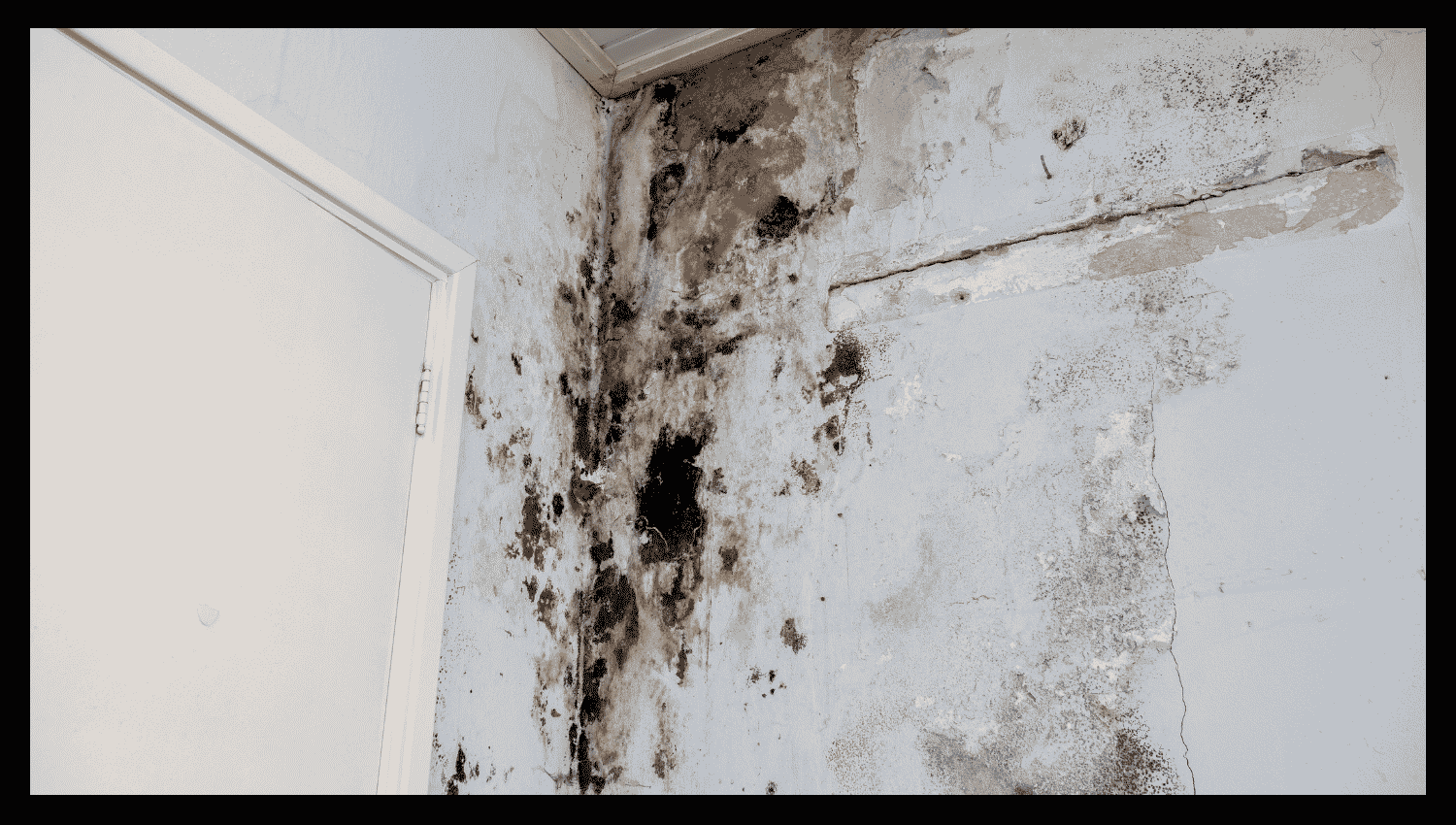
Water damage continues to seep into structural parts and areas of the building that were not affected if left for a few days or even weeks. Extended periods of high humidity cause drywall, wood framing, flooring systems, and other materials to become weak and lose strength and stability. Damage in one area slowly migrates to other rooms via connected materials and concealed areas. The condition of the property worsens and spreads over time as moisture is retained in wall cavities, subfloors, ceilings, and other areas in the property that are difficult to access.
Which Areas of a Home Are Most Vulnerable to Rapid Water Damage?
The most vulnerable areas to rapid water damage include bathrooms, kitchens, basements, crawl spaces, laundry rooms, attics, around windows and doors, and utility rooms. Bathrooms and kitchens have different water sources and plumbing connections, which can cause significant damage to surrounding floors, walls, cabinets, and fixtures in a short time. Basements and crawl spaces are prone to water accumulation, which seeps into foundations and building materials. Laundry rooms are affected by washing machine or drainage failures, and attics by roof leaks that seep into insulation, beams, and the ceiling. Rainwater enters the home through poorly sealed windows and doors, leading to issues with walls and floors. Utility and mechanical rooms with HVAC units, water heaters, and piping are also susceptible, and small leaks spread moisture to other parts of the building.
How Does Water Spread to Hidden Areas of a Home?
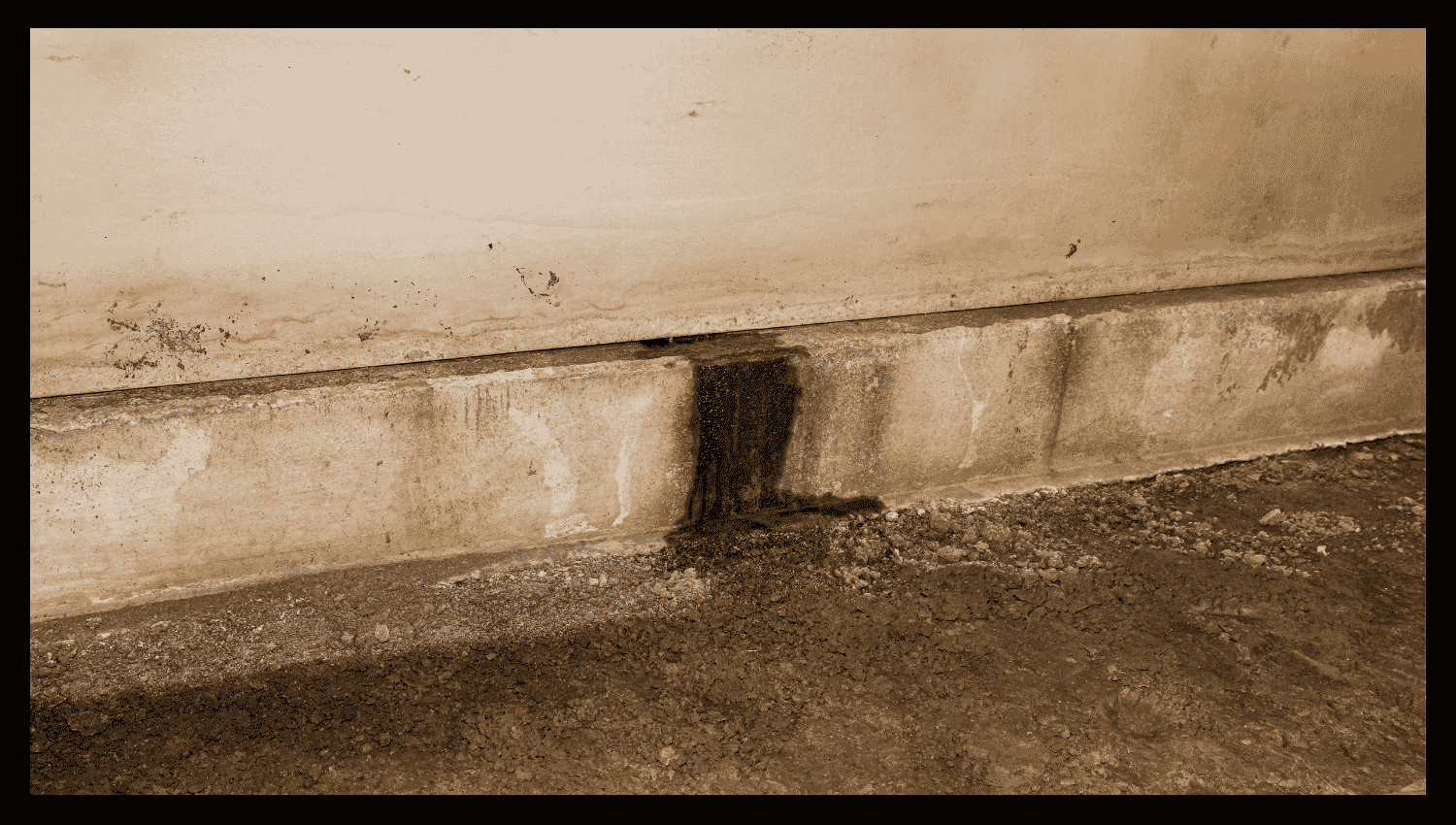
Water enters behind the drywall and runs up and down the wall cavities without being visible. Moisture spreads beneath carpeting, tile, laminate, and hardwood floors and becomes trapped beneath subfloors, padding, or glue. Beams and other structural framing members absorb water over time and transfer this moisture to connected components. Water from roof leaks is distributed throughout the attic, insulation, and ceiling materials before the leak is visible. water flows through the building in unobvious ways around plumbing lines, electrical conduits, and HVAC systems. Cracks in walls, foundations, and flooring provide an avenue for water to move further into the building and spread horizontally and vertically through building materials.