Small quantities of water left undrained for long enough cause structural damage by destroying building materials. Structural water damage refers to damage to load-bearing or supporting parts of the structure by water. These structures include subfloors, foundations, ceilings, walls, beams, and other materials that help to stabilize the property. Structural damage from water depends on the duration of contact with the materials, the types of materials, the area where water is leaking, and the rate at which moisture is absorbed. A minor trickle of water causes significant structural issues over time and only minor damage if it is addressed before materials become saturated. A major water loss causes minor damage if addressed before the materials become saturated. Structural water damage occurs when water causes a material to lose strength, durability, alignment, or stability.
What are the Signs That Water Has Reached Structural Levels?
Here are the 7 Signs That Water Has Reached Structural Levels:
- Warping or Buckling Floors: Floors affected by moisture in subfloor layers become uneven, raised, distorted, or hard to walk on. Water causes hardwood, laminate, vinyl, and other floor coverings to buckle or peel away. These changes are a good indicator that moisture has penetrated beyond the visible flooring material and into supporting material layers.
- Soft or Spongy Walls: Drywall becomes soft, weak, hollow, or unstable. Water turns materials used to make walls less rigid when it penetrates to the inner layers of the wall beyond the surface. Soft wall areas indicate water leaking into wall cavities, insulation, or wall framing.
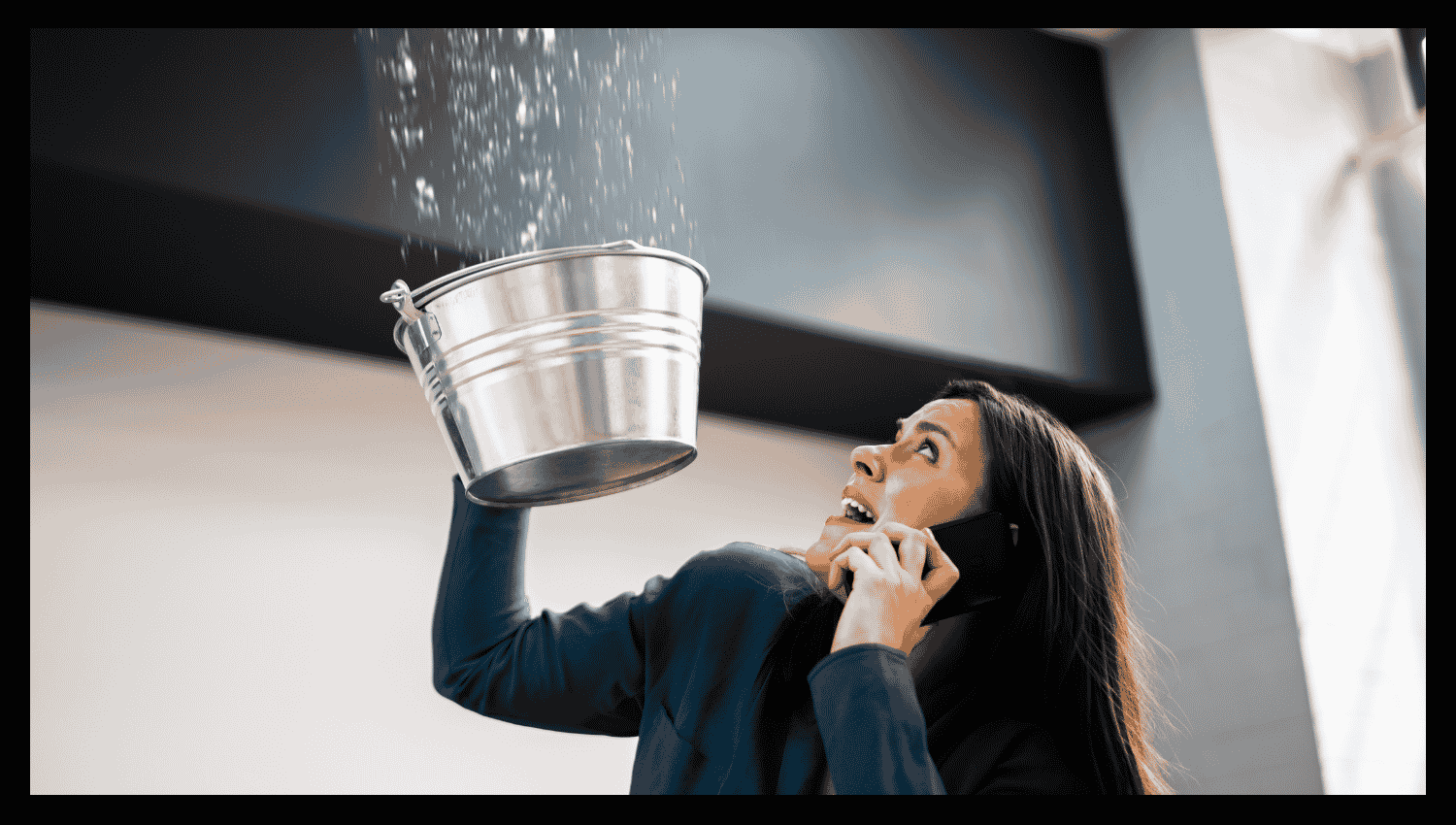
- Ceiling Sagging or Staining: Saturated ceiling materials become saggy, deformed, or separate from the ceiling’s structure. These signs indicate water has been trapped in an overhead layer such as insulation, ceiling boards, or roof-related structures.
- Cracks in Walls or Foundations: Materials become weakened, move, swell, or shrink due to moisture, resulting in visible cracks. Over time, water exacerbates existing foundation cracks as it enters them. Cracks do not necessarily indicate structural damage; they alert you to increased movement and should be evaluated in greater depth.
- Doors and Windows Misalignment: Doors and windows become hard to open, close, or lock. Frames move if the surrounding wood, walls, or other structures absorb moisture and expand. This misalignment is a sign that the water problem is not just on the surface but is due to movement in the building structure.
- Persistent Damp or Musty Odors: Persistent damp or musty odors are a sign of moisture inside the structural materials. water is left inside walls, floors, ceilings, or insulation long enough to cause odor to develop. A bad odor indicates that surface materials have dried out, but interior materials have not.
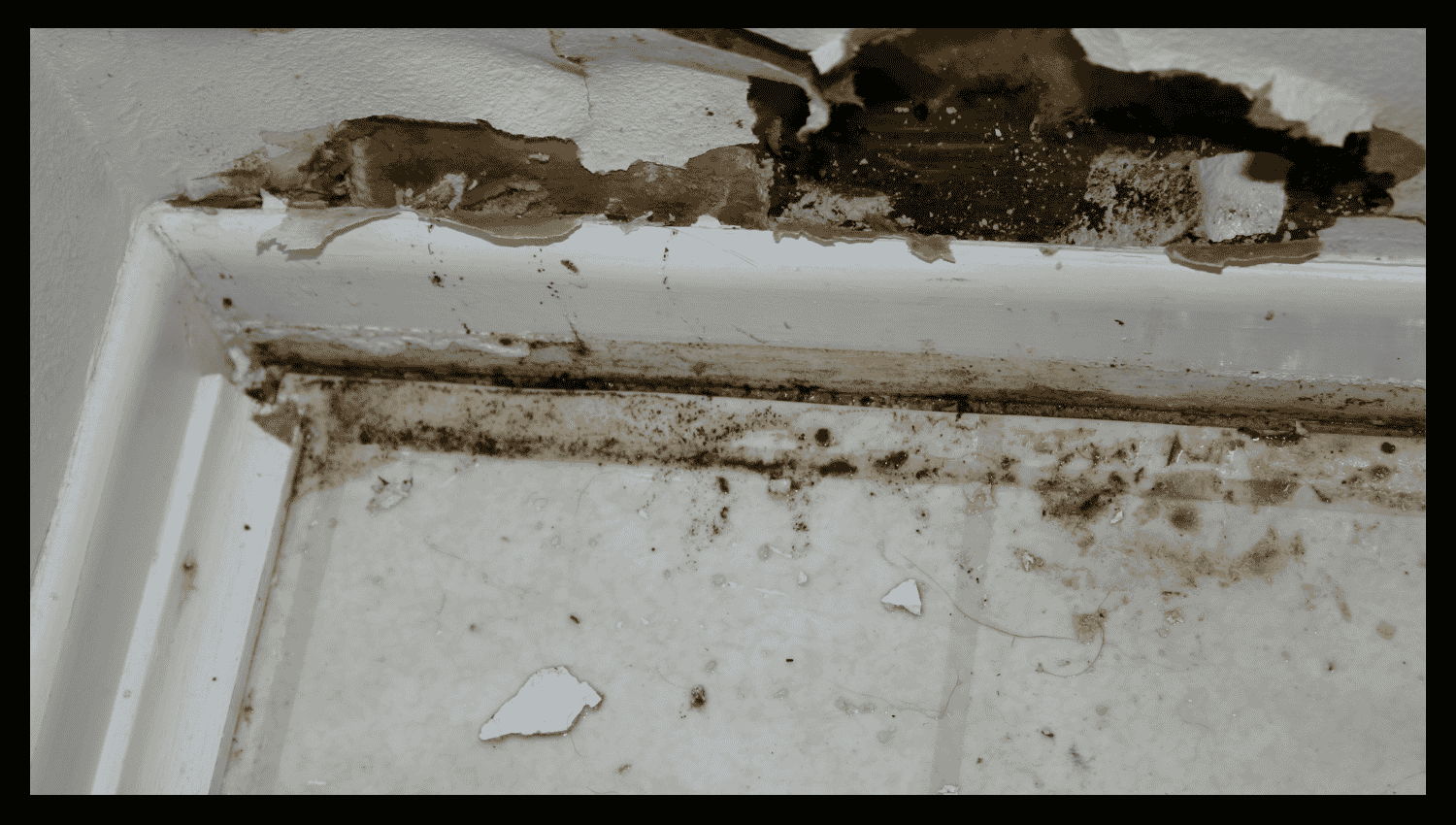
- Visible Mold Growth on Surfaces: Prolonged exposure to moisture causes mold to grow on walls, ceilings, corners, or flooring. The growth of mold indicates that the surrounding areas have been wet for quite some time. The moisture spreads throughout the interior, into hidden building elements, and mold grows on surface finishes.
How Different Building Materials Respond to Water Exposure?
Here are the 6 Different Building Materials Respond to Water Exposure:
- Wood and Framing Materials: Building materials derived from trees include wood and framing materials. Wood becomes saturated with water and gets wet, swells, bends, or changes shape. Extended exposure causes framing materials to become soft and helps to cause rot or decay.
- Drywall and Plaster: Drywall and plaster are porous materials that absorb water easily. Excessive exposure to moisture results in softening, swelling, cracking, crumbling, and separation from walls and ceilings. This damage occurs from the inside and grows before it is seen on the surface.
- Subfloors and Flooring Systems: Plywood and oriented strand board subfloors become weak, swollen, and delaminated in the presence of moisture. This situation causes flooring materials to warp, buckle, lift, and separate from the underlayer. Joists, adhesives, underlayments, and other supporting components are impacted by long-term dampness.
- Concrete and Masonry: Concrete and masonry have a greater resistance to water but still have y pores, cracks, and joints that absorb water. Over time, water causes discoloration, degradation, cracking, and surface deterioration. Water that seeps through these small cracks exacerbates existing cracks and promotes deeper water penetration.
- Insulation Materials: Fiberglass and cellulose insulation clump when wet, reducing their effectiveness. Wet insulation clings to the framing, wall, and ceiling, causing moisture to accumulate in wall cavities and roof spaces.
- Metal Components: Nails, fasteners, brackets, and steel framing are susceptible to corrosion. Rust affects the bond between structural materials, thereby weakening their durability. Corrosion is more likely to occur in high-humidity, damp, or poorly ventilated areas.
How Does Time Influence Structural Damage Progression?
Here is the 4Time Influence Structural Damage Progression:
- Minutes to Hours: Water starts to seep into the floors, walls, carpets, and other surfaces exposed to water instantly. Materials such as carpet edges, drywall, wood, and porous fabrics begin to absorb moisture in minutes. At this point, the damage is superficial, but early absorption leads to further moisture penetration if moisture remains.
- 24–48 Hours: Water seeps into concealed spaces such as wall cavities, subfloors, insulation, and ceilings within 24-48 hours. The drywall starts to bulge, bend, or lose rigidity, and wood parts swell, bend, or move slightly due to moisture. Water that flows past the visible surface and into supporting materials is at an increasing risk of structural damage.
- 3–7 Days: Support systems such as framing, flooring systems, and ceiling layers are impacted by prolonged exposure (3-7 days). The wood softens, bends, or decays prematurely. Moisture pockets are hidden and extend the extent of the damage, worsening the problem and resulting in extensive structural damage.
- Weeks or Longer: Prolonged saturation (week or longer) causes extensive wood decay, corrosion, delamination, and permanent deterioration of the material. Moisture damage causes load-bearing components to lose strength and stability when left unresolved.
What Environmental Conditions Accelerate Structural Damage?
Here are the 6 Environmental Conditions that Accelerate Structural Damage:
- Humidity Levels: Water in the air slows the drying process and leaves building materials moist. A persistently high level of humidity causes moisture to remain in wood, drywall, insulation, and flooring for extended periods. Longer periods of dampness lead to long-term progressive damage.
- Temperature Conditions: Warm temperatures increase evaporation but also accelerate material expansion and moisture-related deterioration. Cold weather slows drying and traps water within building products. Expansion and contraction with temperature changes create additional stresses in affected materials.
- Ventilation and Airflow: Insufficient ventilation for moisture to escape areas causes water to become trapped in wall cavities, crawl spaces, ceilings, and subfloors. Air movement is less likely to cause any hidden moisture to evaporate.
- Type and Intensity of Water Intrusion: A small leak of clean water that continues over time is slow to cause damage. Larger quantities of water are introduced at a faster rate due to continuous leaks, appliance overflows, roof failures, and floodwater. Water volume increases, accelerating material saturation and raising structural risks.
- Building Design and Layout: Water flows between floors, ceilings, walls, and hidden cavities of multi-level buildings. Moisture trapped in complex layouts (with enclosed spaces, layers of flooring, and voids that are not accessible). Poor drainage and limited access to concealed areas in buildings contribute to the delayed detection of water damage.
- Material Porosity: Wood, drywall, carpet, insulation, and untreated fabrics are highly porous materials that quickly absorb water. Faster absorption makes it more likely that moisture reaches deeper layers of the structure. Less porous materials delay the passage of water through cracks, seams, joints, and gaps.
How Does Hidden Water Lead to Structural Damage?
Hidden water is catastrophic because it continues to affect a material even after the surfaces appear dry. Moisture is contained within wall cavities and transported through insulation, framing, and other connected building materials, with no external indications. Water under the flooring makes subfloors damp, compromising the underlying support layers beneath carpets, tiles, laminate, or hardwood. Moisture that is not visible causes slow decay of wood framing, warping, and loss of load-bearing capacity. The moisture differential causes varying rates of weakening in different structural materials, leading to imbalances and long-term stability concerns.