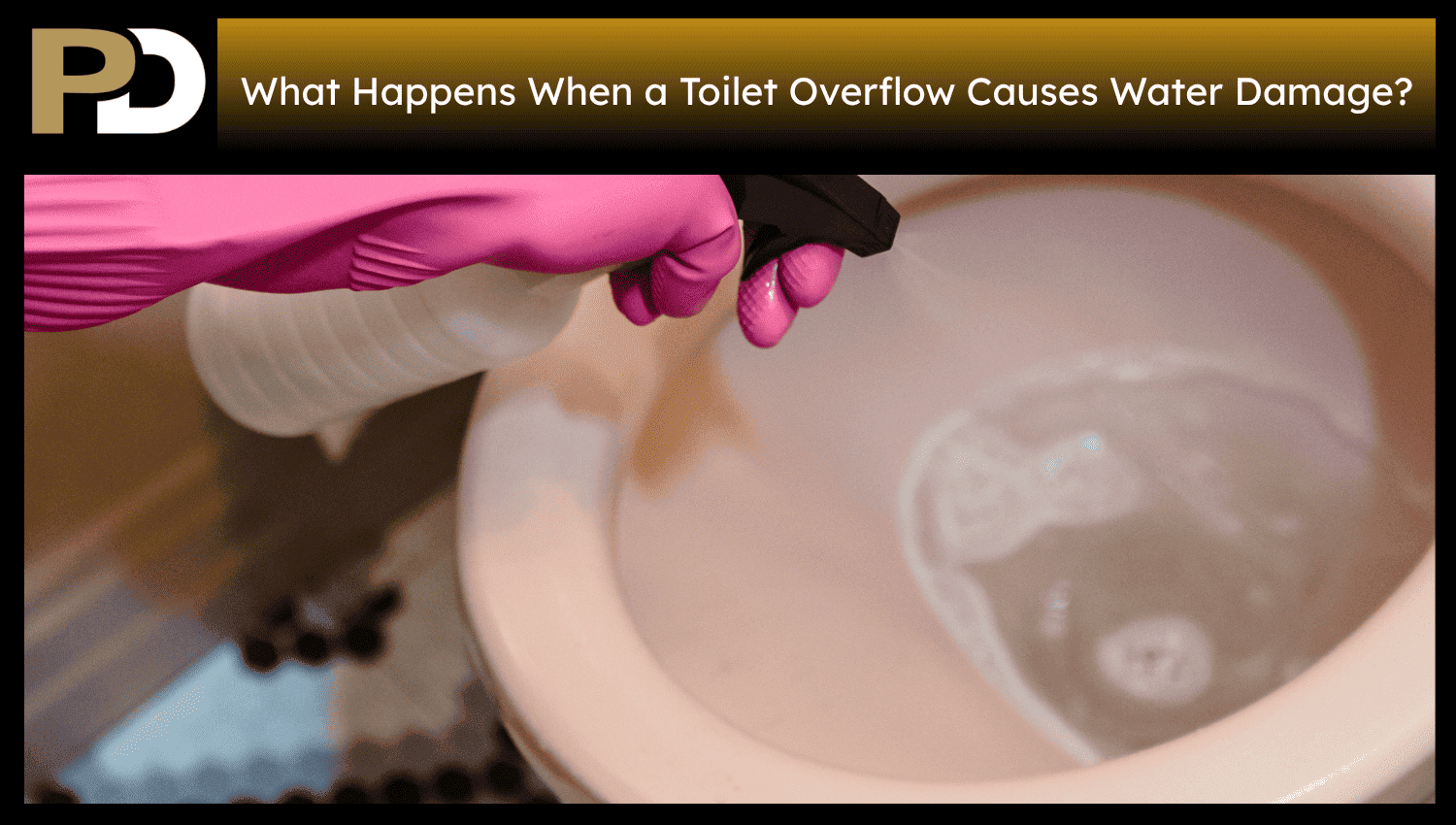
Overflowing toilet is one of the most frequent causes of water damage in the home. Water spreads rapidly on the bathroom floor and continues to permeate surrounding building materials before it is realized that it has overflowed. The extent of water damage varies depending on where the overflow originates, how long the water remains, and which areas are affected.
What Are the Early Warning Signs of Toilet Overflow Risks?
Here are the 5 Early Warning Signs of Toilet Overflow Risks:
- Slow Flushing Performance: Water does not drain from the toilet bowl as quickly as usual, indicating a problem with the toilet or drainage system.
- Rising Water Levels: Water coming up unusually high in the bowl before running off indicates a problem with the drain and poses a risk of overflow.
- Frequent Toilet Clogs: Frequently clogged plumbing lines indicate a major plumbing issue that ultimately results in a plumbing overflow.
- Gurgling Plumbing Sounds: Gurgling in toilets or issues with airflow or drainage indicate a problem with the toilet.
- Water Around the Toilet Base: You should check your plumbing system and toilet for leaks as soon as possible if there’s moisture or small puddles around the base of your toilet.
What Causes a Toilet to Overflow?
Several plumbing problems cause an overflowing toilet. These problems include a clogged toilet drain, which causes water to back up and makes it difficult to flush the toilet. Toilets and other drains are compromised due to a blockage in the main sewer line. Overflows occur when continuous filling is caused by faulty fill valves, flappers, or other parts of the tank. Do not put non-flushable items (such as wipes, paper towels, or hygiene products) in the toilet, as they clog it. Restricted plumbing vents also affect water flow and cause water overflow.
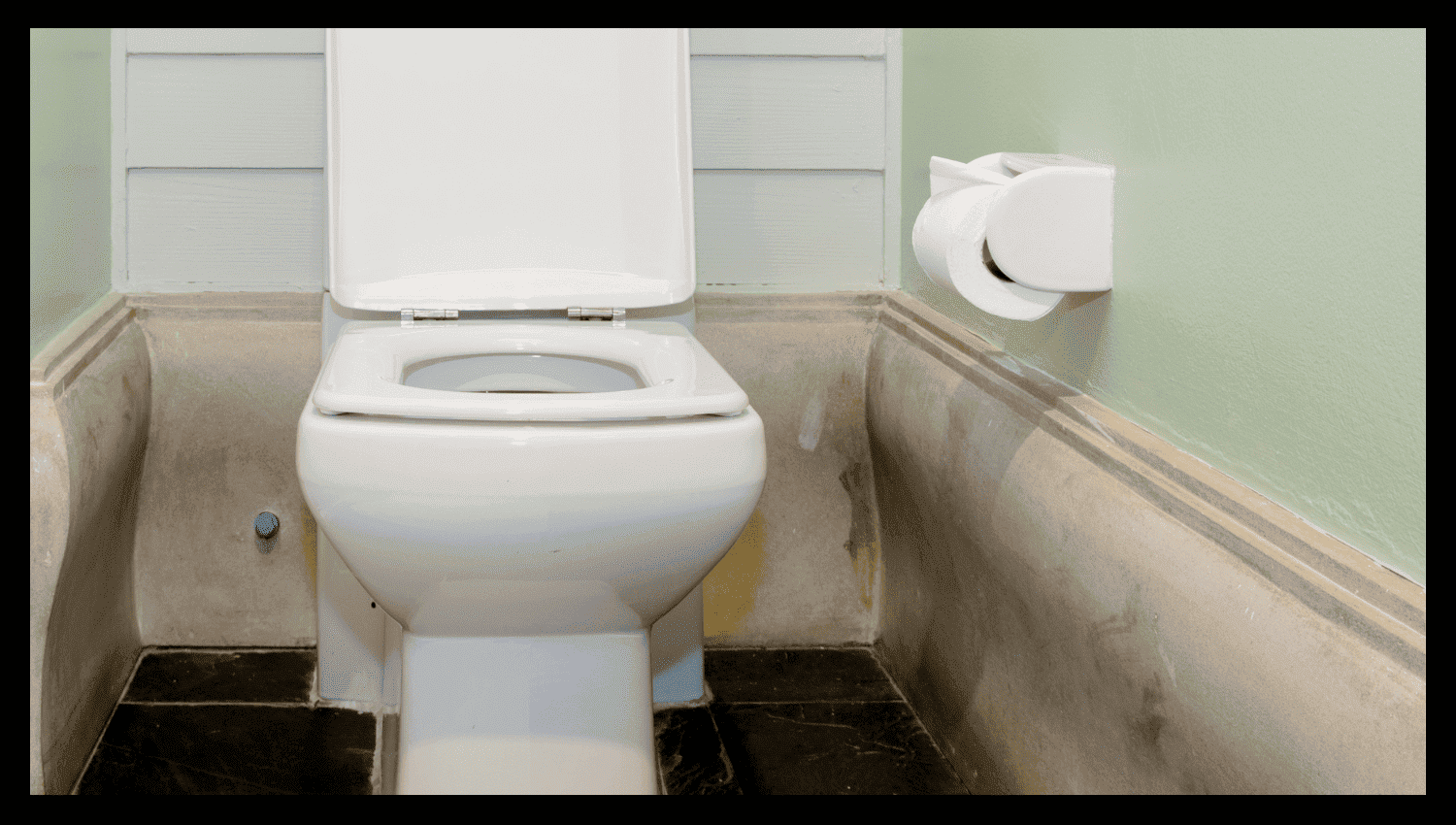
Which Areas of a Home Are Most Vulnerable to Toilet Overflow Damage?
Here are the 5 Areas of a Home that are Most Vulnerable to Toilet Overflow Damage:
- Bathroom Flooring: The bathroom flooring is the first area to be damaged by a toilet backup. Liquid water spreads quickly over tile, vinyl, laminate, or other floor surfaces.
- Subfloor Systems: Seepage under finished flooring and water buildup in the subfloor cause weak areas in the supporting materials over time.
- Baseboards and Lower Walls: The moisture creeps up into baseboards, drywall, and insulation, causing staining, swelling, or gradual deterioration of the materials.
- Adjacent Hallways and Rooms: Ceilings Below Upper-Floor Bathrooms: This is a great space that allows for a ceiling installation beneath the upper-floor bathroom. In multi-story buildings, water travels through holes in the floor, affecting the ceiling and the rooms beneath the bathroom.
What Hidden Damage Can Develop After a Toilet Overflow?
Moisture remains not only under the flooring but also in the structural materials, even after standing water has been removed. Subfloors that have been penetrated by water but are not visibly damaged continue to cause damage. Water also seeps into wall cavities, behind the walls and insulation. Ongoing wetness causes deterioration over time and weakens structural materials. Hidden surfaces retain moisture longer than exposed surfaces because hidden materials tend to dry more slowly.
How Does the Type of Toilet Overflow Influence Water Damage Severity?
Here are the 3 types of toilet overflow and how they influence water damage severity:
- Clean Water Overflows: Most of the contaminants in overflows from the toilet tank are from clean water. There is still a low risk of contamination of building materials, but the building is still damaged.
- Wastewater Overflows: Water that flows over the toilet’s overflow pipe or overflows from the drain system contains contaminants. These need more care, as materials come in contact with wastewater.
- Sewer Backup Overflows: Overflow of sewer backup is the most contaminated. Wastewater from the main sewer system impacts large areas of property and causes more serious sanitation issues.
How Can Toilet Overflow Incidents Affect Indoor Environments?
Overflowing toilets add moisture inside the house, particularly if water reaches areas that are not visible, such as beneath the floor or in the walls. Wet materials leave behind long-lasting bad smells even after the water is gone. Too much moisture also makes indoor spaces less comfortable to live in by dampening certain areas and reducing their usability. The IAQ slowly deteriorates from the constant wetness in the building.
How Can Repeated Toilet Overflow Incidents Affect Property Value?
Toilet backups negatively impact the property and its appeal if they occur more than once. Visible signs of water on the floor, floor damage, or deterioration of the wall material make buyers think the home is damp and leaky. The history of frequent plumbing issues also causes concern when a property is being inspected or appraised. The presence of moisture issues will require more maintenance in the future, thereby decreasing the property’s value and appeal to potential buyers.