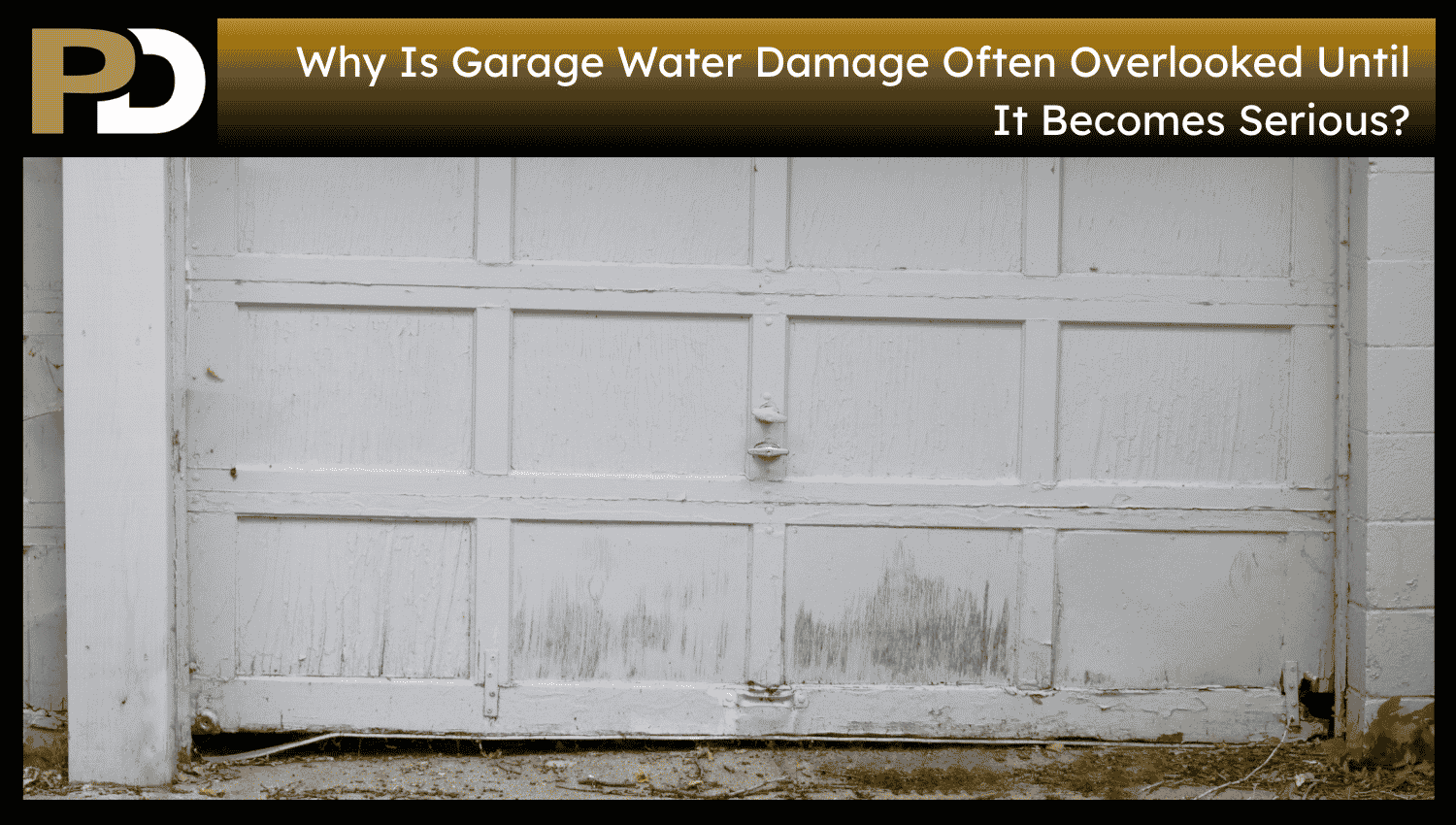
Garages are not given the same amount of care as areas of the home such as the kitchen, bedrooms, or living rooms, which is why garage water damage is frequently overlooked. Small leaks tend to form over time and not appear as a puddle or stain. Water spreads through concrete floors, wall cavities, ceilings, and stored items before water damage is visible. Signs of moisture are also concealed behind boxes, shelving, and parked cars. Water has become part of the structural materials and has entered surrounding rooms by the time homeowners begin to notice the water damage. A routine inspection in the garage helps to reveal any moisture that needs to be addressed, or it will become more extensive.
Where Does Garage Water Damage Usually Begin?
Here are the 5 places garage water damage usually begins:
- Garage Door Threshold: Water seeps under worn or broken garage door seals during the rainy season. Water gets into the garage floor through even small cracks.
- Foundation and Wall Joints: Cracks in the garage floor to foundation walls are a source of water infiltration. These joints are common entry points during torrential rains.
- Ceiling Areas: Roof leaks over attached garages cause hidden moisture. Water runs off the roof framing and drips into the garage.
- Windows and Side Entry Doors: Wind-driven rain enters the garage through holes or openings in weather seals and side doors.
- Utility Connections: Garages are the site of water heaters, washing machines, utility sinks, and plumbing supply lines that leak. These leaks are not detected until there is noticeable damage.
How Can Water Enter a Garage Without Being Immediately Noticeable?
Water gets into a garage slowly over time and is not visible as puddles. Concrete floors gradually take up moisture, and then start to show signs of wear and tear. There is a small leak in the roof that lets water in and down the roof beams into the garage. Minor plumbing leaks in walls or behind other utilities go undetected for long periods. During high winds, wind-driven rain can seep in through small openings near windows and doors. Garage floors can stay constantly wet from vehicles entering the area or melting snow without being noticed. Tiny water sources can accumulate into a huge water issue.
Which Parts of a Garage Are Most Vulnerable to Moisture Damage?
Concrete floors are extremely susceptible, as they have holes and expansion joints on the surface that allow moisture to enter. Stains, swelling, and soft spots occur in drywall and interior walls as a result of multiple exposures to water. Over time, moisture is absorbed into wooden framing, diminishing its strength. Water intrusion “seeps” into storage cabinets and shelving near the floor. Damage to the ceiling of your garage occurs from roof leaks above and is hidden. Moisture also builds up on door frames and wooden trim around entry points and is repeated over time, leading to deterioration.
What Are the First Indicators That Garage Water Damage Is Developing?
Here Are the 6 First Indicators That Garage Water Damage Is Developing:
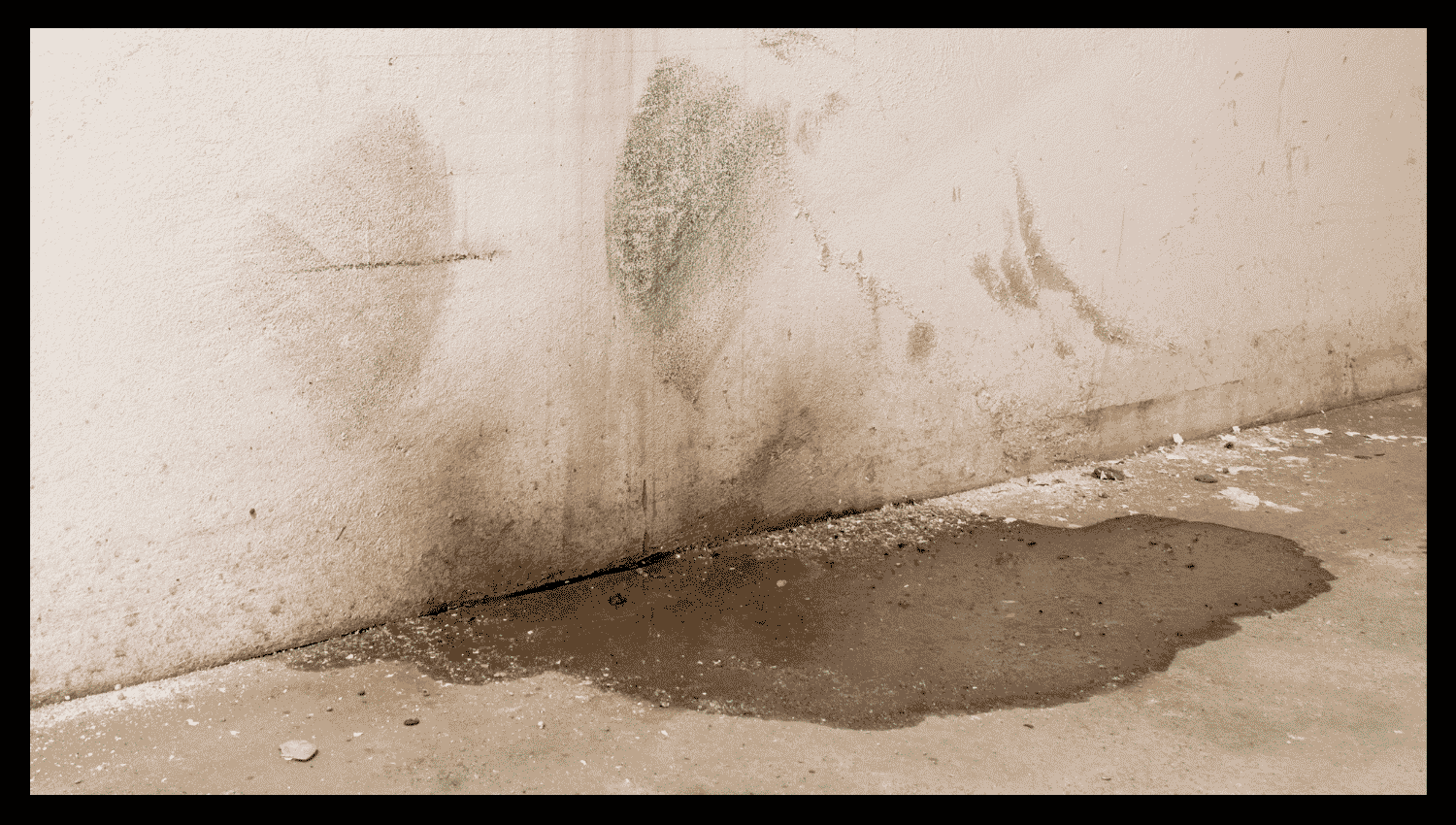
- Recurring Damp Spots: Wet spots found in the same place over and over again mean there is a water issue.
- Discoloration on Walls or Floors: Moisture infiltration is identified by dark spots or discoloration on the concrete, drywall, or painted surfaces.
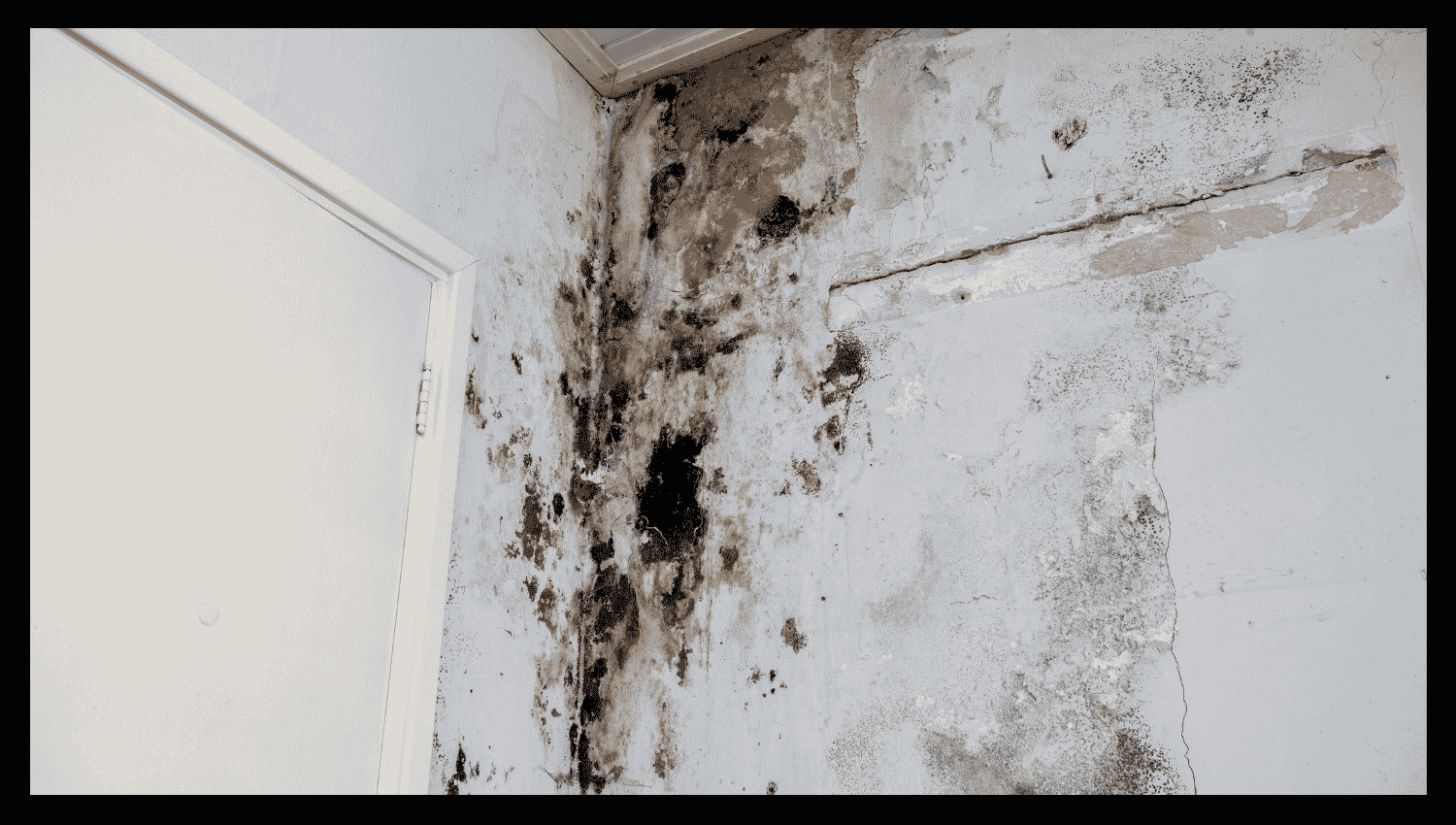
- Peeling Paint:Paint blisters, cracks, or peels when water is present under it.
- Musty Odors: There are likely water leaks inside the walls, ceiling, or stored materials if the odor is always there.
- Rust on Metal Fixtures: Rust on metal fixtures and corrosion of metal hardware occur due to water.
- Efflorescence on Concrete: White mineral deposits on concrete or masonry indicate water moving through the concrete or masonry.
How Can Garage Water Damage Affect Stored Belongings?
Garages are the place for things to be stored that are ruined by water damage. Cardboard boxes are very absorbent and weaken rapidly. Metal tools and equipment can rust from repeated exposure to moisture. Furniture, clothing, and household goods get stained, warped, or permanently damaged. Fabric or paper decorations for the season wick up moisture. Water also damages the packaging or containers of automotive supplies. Using shelving to store belongings up off the floor minimizes exposure to water damage.
How Can Garage Water Damage Spread to Other Parts of the Home?
Water damage in the garage can transfer to adjoining houses via common structural elements. Water seeps into adjoining interior walls and impacts other areas of the home. Areas with connecting doorways can allow water to flow through them and cause damage inside the house. Attached garages have leaking roofs that lead to water infiltration in neighboring rooms. Water seeping through the foundation impacts other structural components and moves throughout the rest of the home. Early repairs prevent moisture from infiltrating the garage.
What Environmental Conditions Increase Garage Water Damage Risks?
Rain causes water to flow under garage doors and through gaps in the roof and foundation. The lack of proper drainage around a property causes water to accumulate around the garage foundation, which leads to greater seepage. Moisture in the air decreases evaporation rates and increases the time building materials are wet. Expansion and contraction from frequent temperature changes result in small cracks that allow water to enter. Difficult access also means that, in the event of a water leak, it is not easily dried out and could cause significant long-term water damage.
Why Can Garage Water Damage Remain Hidden for So Long?
Garage water damage is quite common, but it is not caught as often, as garages are not used as often as places where people live. Boxes, storage shelves, and parked cars block floors and walls. Concrete floors take in moisture internally before noticeable damage occurs. Leaks are small and tend to develop gradually over months, often going unnoticed. Garages tend to have fewer completed surfaces, so water damage is not apparent until it seeps into other areas or parts of the structure. Regular inspections help to catch problems early.