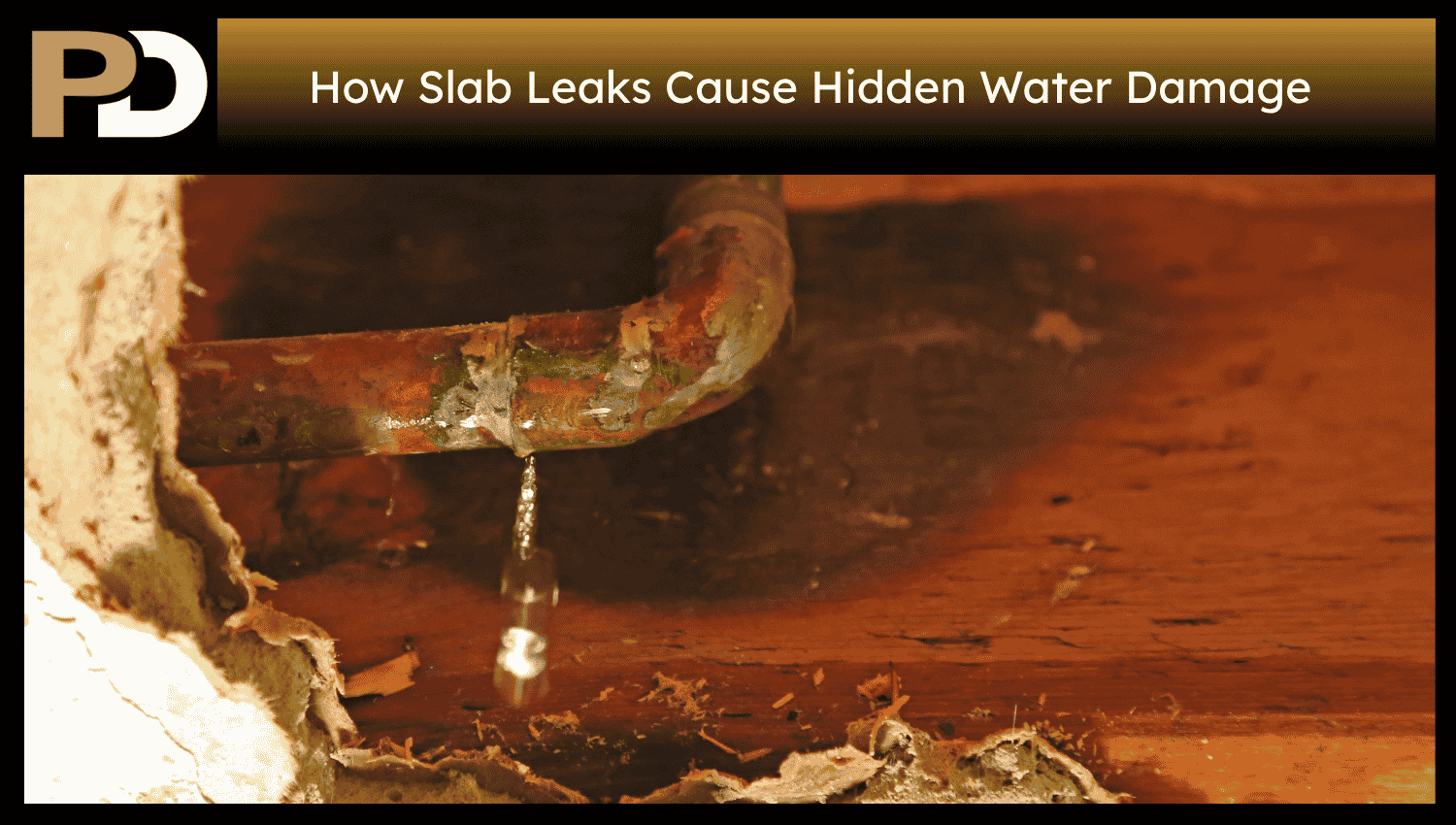
A slab leak is a type of leak that occurs in a water or drainage pipe beneath a building’s concrete foundation. It is not a visible plumbing leak, so it goes undetected. The water tends to seep beneath the slab and through concrete, soils, floor systems, and lower portions of walls before surfacing. Moisture causes problems for materials, even if the floors aren’t visibly affected. Early detection is essential, as a chronic leak slowly increases water consumption, ultimately causing damage to finishes and materials, leading to poor indoor comfort and requiring larger repair areas.
What Causes Slab Leaks?
Here are the 5 Causes of Slab Leaks:
- Pipe Corrosion: Old metal pipes rust both inside and out from aging, water chemistry, and soil conditions. Small holes or cracks form beneath the slab as the pipe walls deteriorate.
- Soil Movement and Foundation Shifts: Expansion, contraction, and soil settlement put pressure on underground plumbing lines. Over time, this movement causes pipes to bend, crack, or separate.
- Abrasion From Pipe Movement: Pipe movement results from expansion and contraction caused by changes in water temperature. Constant rubbing of the pipe surface by concrete, gravel, or other materials in proximity causes pipe deterioration and potential leakage.
- High Water Pressure: Water pressure that is too high causes constant stress on plumbing joints and fittings, and on compromised areas of pipes. This led to the foundation breaking down over time.
- Low-Quality Materials: Pipes fail early if their fittings and installation are not of top quality. Defects go undetected until water starts leaking under the slab.
How Does Water Travel From a Slab Leak Through a Property?
There are several hidden ways water from a slab leak gets around. The concrete is porous and absorbs moisture, slowly moving it through portions of the foundation. It is also possible for water to get under tile, laminate, hardwood, carpet, and other types of flooring, and collect in adhesives, padding, or layers of the subfloor. As moisture accumulates, they wick up into drywall, insulation, baseboards, and trim. Water also seeps through the soil under the structure, impacting multiple parts of the foundation before it becomes visible.
What Are the Early Warning Signs of a Slab Leak?
Here are the 6 Early Warning Signs of a Slab Leak:
- Unexplained Increase in Water Bills: A continuous underground leak causes water bills to rise even when no water has been used at home or at the business.
- Warm or Damp Spots on Floors: The leak from a hot-water slab makes the floor feel unusually warm, while leaks from cold water cause damp or cool spots.
- Cracks in Floors or Walls: Continuous moisture and soil movement can cause cracks in floors, walls, or foundations, but not all cracks result from them.
- Musty or Damp Odors: Water under the floor or in lower sections of walls causes odors that won’t go away.
- Damp Baseboards: A slab leak leads to swelling, staining, cracking, or baseboards pulling away from walls as moisture soaks up from the slab into the drywall and trim.
- Sounds of Running Water: The sounds of water movement, hissing, or running water are still heard even when taps and appliances are turned off; this can be a sign of a leak in the plumbing.
What Building Materials Are Most Vulnerable to Slab Leak Damage?
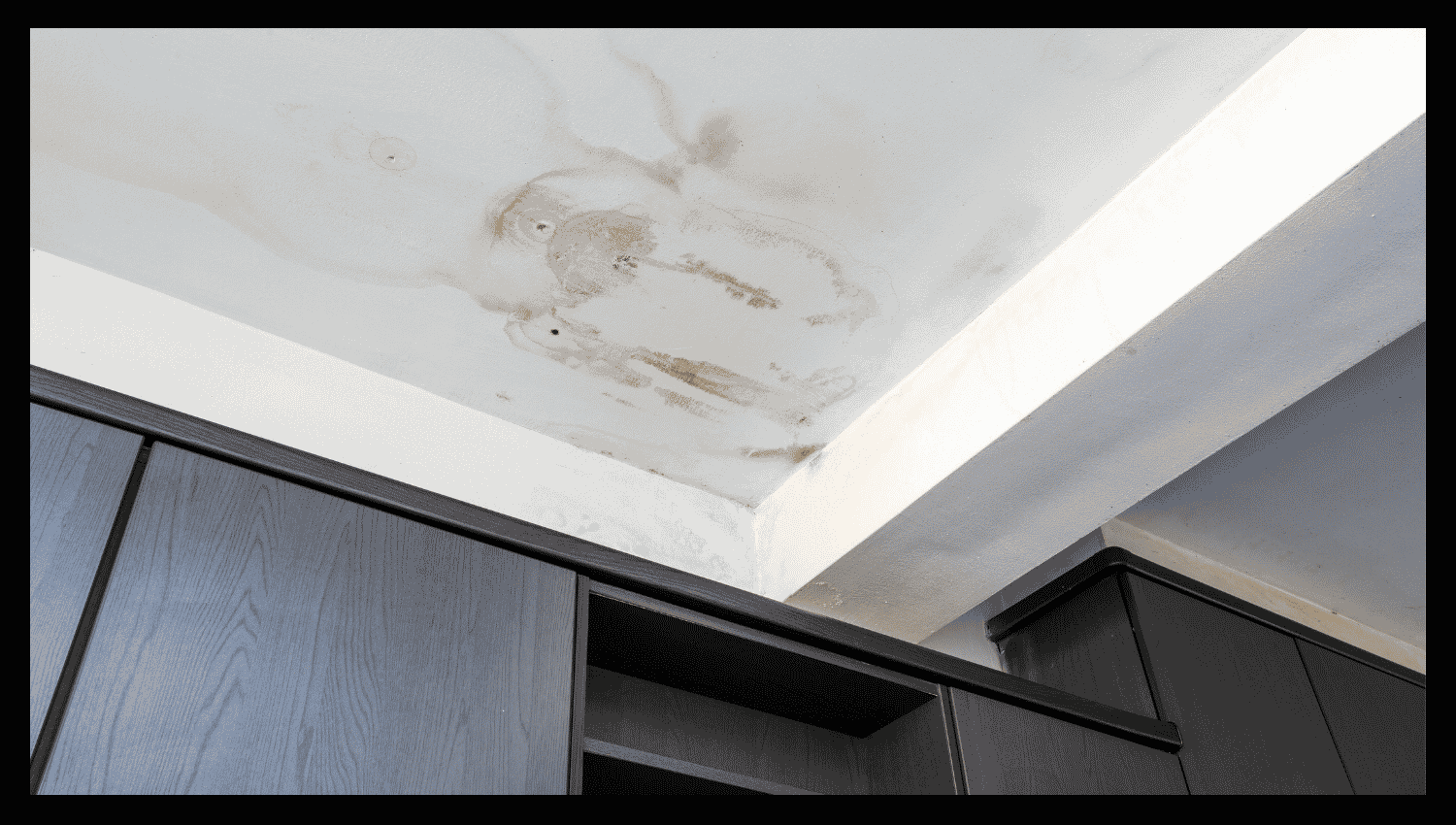
Hardwood or laminate flooring swells, warps, buckles, or separates due to moisture from under the floor. The carpet and padding retain water for extended periods, and the moisture remains undetected beneath the surface. Drywall and baseboards are also highly susceptible to water rising from the slab, leading to staining, softening, swelling, and deterioration. Moisture that reaches structural elements causes wood framing and subfloors to deteriorate over time, and it makes insulation in wall cavities damp, reducing its effectiveness, and contributes to longer-lasting dampness.

How Can Slab Leaks Affect Residential Properties?
Homes with slab leaks experience damage to flooring, walls, baseboards, cabinets, and other interior finishes as water seeps through the slab beneath the foundation and outward and upward. Furniture, rugs, stored items, and household items are affected if water enters living areas. Rooms become damp, develop unpleasant odors, and have high humidity due to continuous hidden moisture. Damage occurs beneath the flooring and within the walls, so the homeowner only realizes the consequences when the materials start to stain, warp, or break down. Slab leak damage also diminishes a home’s condition, marketability, and value.
How Can Slab Leaks Affect Commercial Properties?
Offices, retail, warehouses, and other commercial buildings are affected by a slab leak. Water migrates and collects under expansive floor surfaces, impact flooring systems, walls, equipment, inventory, electronics, and stored records. Repairs involve temporarily closing or limiting access to areas, and damp floors cause slip hazards for employees and customers. Commercial property slab leaks are very expensive because of the costs associated with property damage, damage to business assets, business interruption, and lost productivity.
How Can Hidden Water From Slab Leaks Impact Indoor Environments?
A slab leak caused water damage, making the home humid and developing a foul odor. Floors and walls harbor mold and microbial growth when damp, particularly in poorly ventilated areas. Inhaling moisture makes indoor areas feel stagnant, uncomfortable, or humid. Water damage in buildings also affects indoor air quality, as particles and odors from wet building materials, along with microbial growth, enter occupied spaces.
How Can Long-Term Slab Leaks Affect Property Value?
Long-term slab leaks decrease your property’s value due to moisture damage, foundation issues, and hidden plumbing. Buyers are concerned about the maintenance expenses, ongoing leaks, structural damage, and mold/moisture problems. Cracked surfaces, stained walls, warped flooring, or damaged baseboards undermine buyers’ trust and affect home valuations. Homes and business buildings that have been damaged and have not been repaired or documented as leaks also take longer to sell, as they are concerned about the cost of repairs, monitoring, and restoration that are included in the value.