Water damage makes indoor spaces overly moist, and extra moisture changes conditions in the house right away and affects overall air quality. Lingering moisture encourages mold and microbial growth in building materials. Wet drywall, carpet, and insulation can give off a musty odor. These damaged materials release fine particles into indoor air. Rooms with high humidity levels stay damp, and moisture issues persist.
What Are the Signs Water Damage Is Affecting Indoor Air Quality?
Here Are the 6 Signs Water Damage Is Affecting Indoor Air Quality:
- Persistent Musty Odors: A damp or earthy smell that does not go away indicates moisture somewhere in the building.
- Excess Indoor Humidity: Humid or clammy air in a room all the time indicates the room isn’t drying properly.
- Visible Mold Growth: Dark green, white, or fuzzy areas from water damage indicate active microbial growth.
- Recurring Water Stains: Stains that don’t resolve after cleaning indicate a water-stain source.
- Condensation on Surfaces: Wet windows and walls indicate that the home’s humidity is too high.
- Stale Indoor Air: Poor ventilation with moisture creates a stuffy indoor environment.
Where Can Hidden Moisture Affect Indoor Air Quality?
Hidden moisture can seep throughout the property. Plumbing leaks and flooding trap moisture behind drywall in walls. Water penetrates under hardwood floors, laminate, tile, and subfloors. Wet insulated walls or ceilings dry very slowly and often go unnoticed. Moisture accumulates under baseboards, trim, and kitchen cabinets. Crawl spaces and basements also have natural humidity levels and hold moisture. Moisture around HVAC systems can create odors and airborne particles throughout the building.
Can Indoor Air Quality Stay Poor After the Water Is Gone?
Standing water may not be visible, but indoor air quality can still be poor. This is because porous building materials contain moisture even when the surface looks dry. Moldy carpets, insulation, and wood keep emitting odors until they are completely dry. Delayed drying also provides mould spores time to colonize and spread behind surfaces. Humidity remains too high if you don’t activate dehumidification and the air doesn’t return to normal.
How Can You Protect Indoor Air Quality After Water Damage?
Here are 5 ways you can protect indoor air quality after water damage:
- Stop the Water Source: Fix the plumbing, roof, or appliance issue now to avoid water damage and protect indoor air quality.
- Remove Standing Water: Drain surface water without letting it soak into materials to protect indoor air quality.
- Improve Ventilation When Appropriate: Open windows to bring in fresh air if outside conditions are dry.
- Remove Unsalvageable Materials: Throw away carpet, padding, and heavily contaminated drywall to improve indoor air quality.
- Control Indoor Humidity: Use dehumidifiers to maintain indoor humidity at an acceptable level.
Should You Use an Air Purifier After Water Damage?
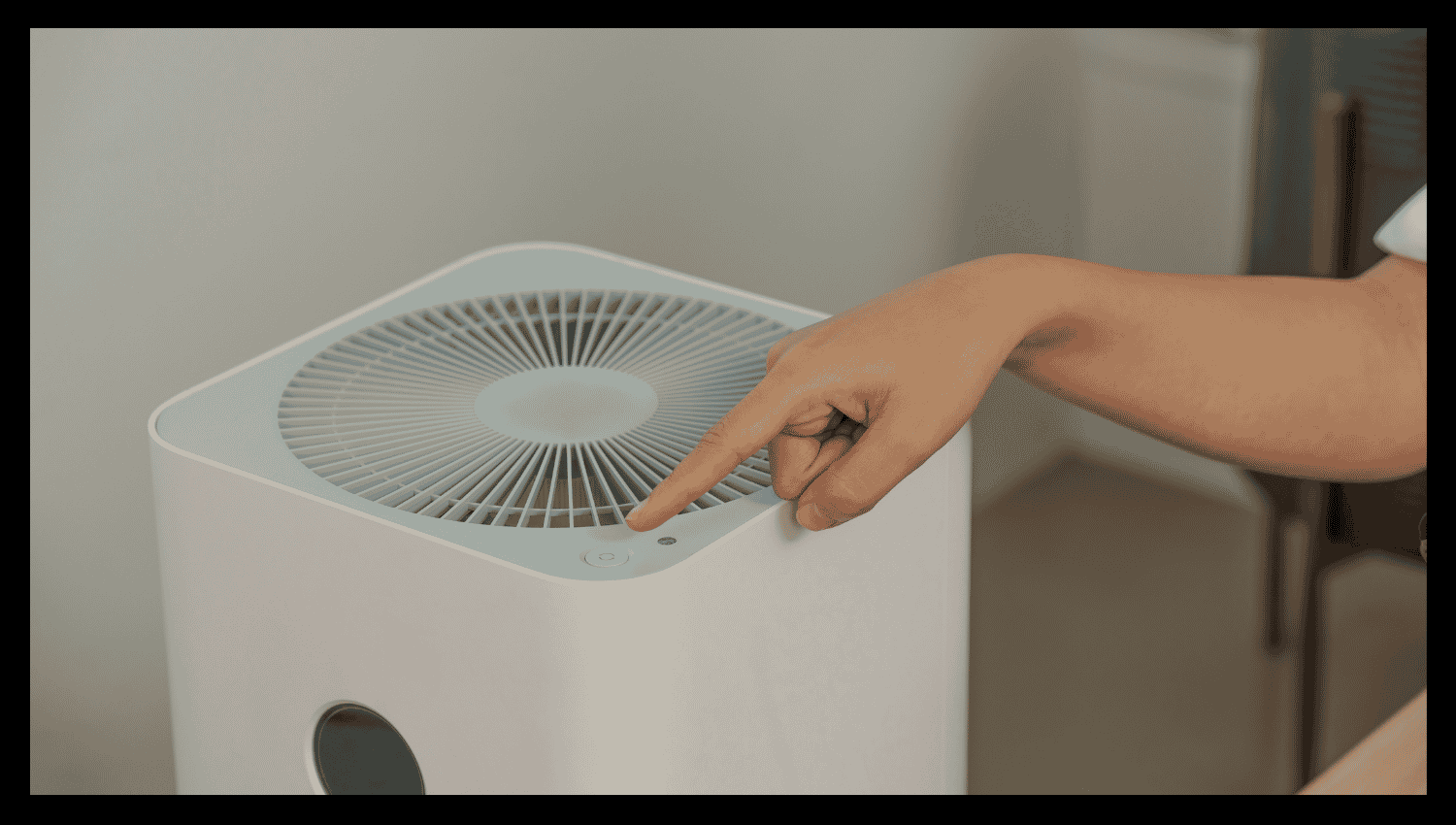
HEPA filters in air purifiers effectively remove airborne particles and free mold spores. Air purifiers don’t extract moisture from wet building materials. Filters also aren’t a substitute for proper mold remediation when mold is present in the home. You must control the moisture source and remove the ruined material.

How Do Professionals Restore Indoor Air Quality After Water Damage?
Here are the 8 steps professionals use to restore indoor air quality after water damage:
- Moisture Inspection: Professionals examine water-affected materials to determine how far the water spread.
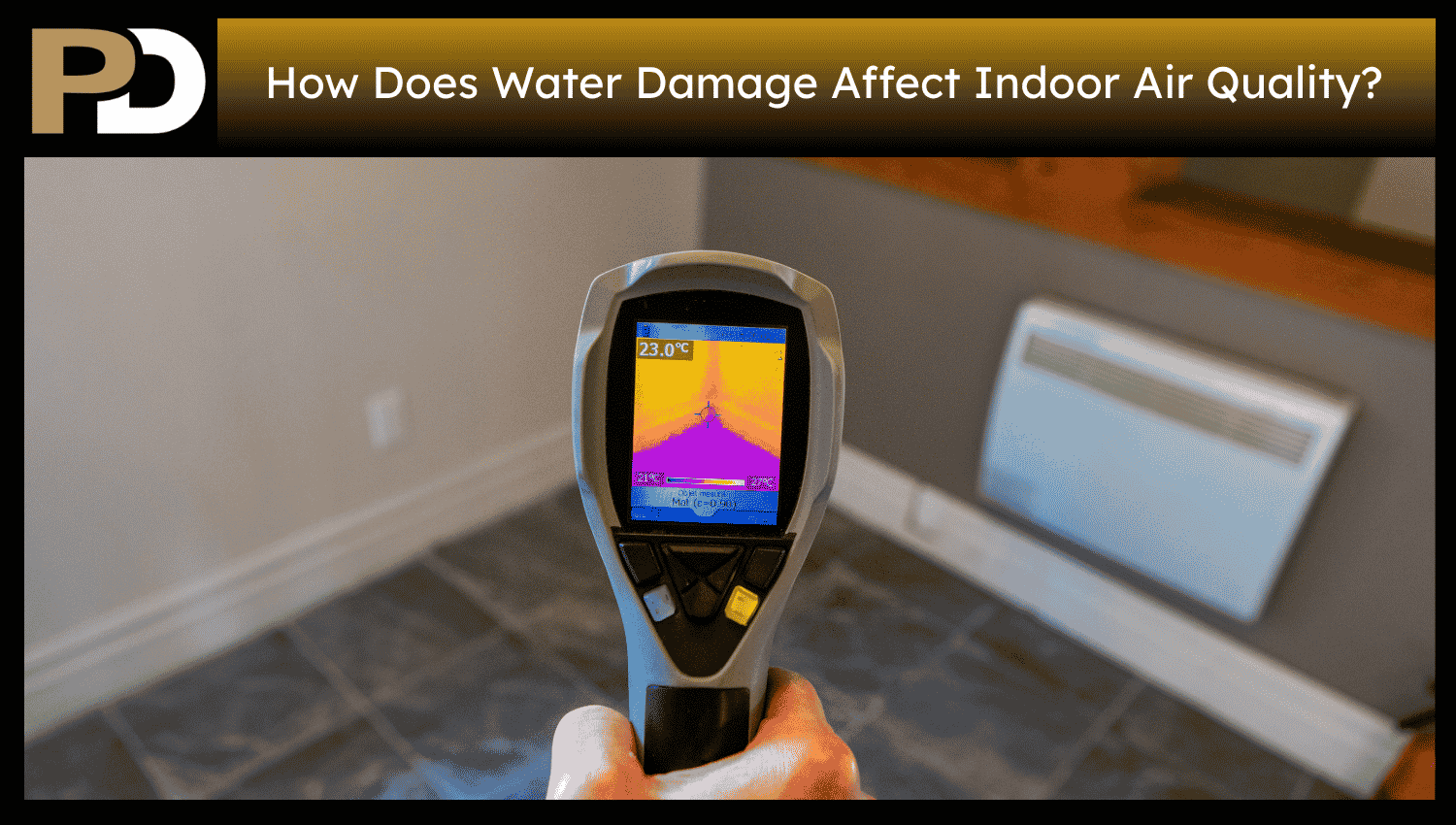
- Hidden Moisture Detection: Professionals use specialized water detection meters (moisture meters) and thermal cameras to detect water behind walls and floors.
- Professional Water Extraction: Professionals use commercial pumps to suck standing and absorbed water away promptly.
- Structural Drying: Professionals use Industrial air movers (Snail fans) and dehumidifiers to dry walls, wood, and subfloors.
- Removal of Contaminated Materials: Professionals safely remove and dispose of unsalvageable materials.
- Mold Remediation: Professionals identify mold, clean surfaces, and set up containment.
- Air Filtration: Professionals use HEPA air scrubbers to control airborne particles.
- Moisture Monitoring: Specialists conduct daily readings until all materials reach safe moisture levels.