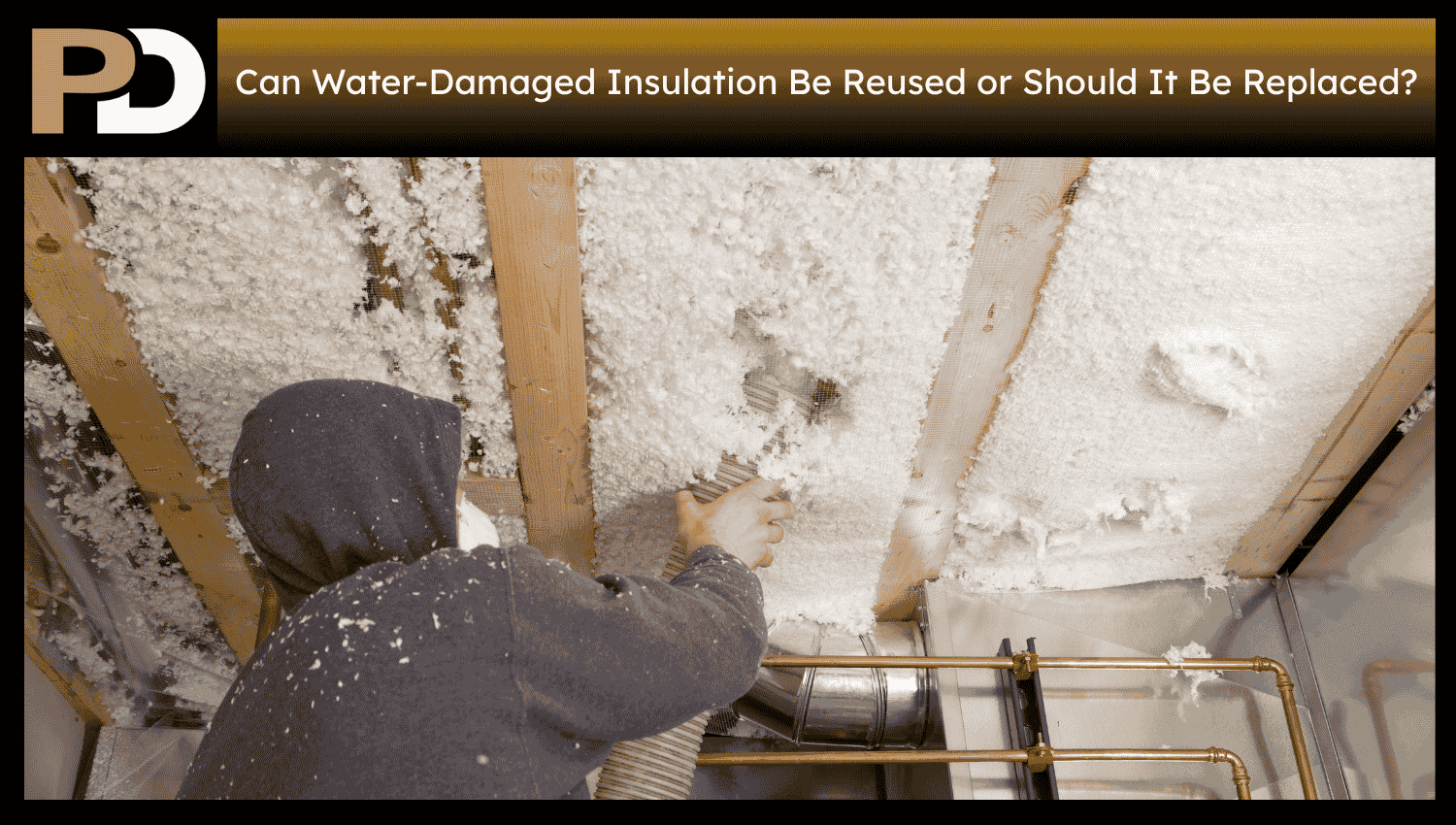
Water in wall cavities, attics, or crawl spaces penetrates and reduces insulation’s thermal resistance, allowing it to sag, compress, and trap moisture for long periods. Depending on the type of insulation and on what type of water it has absorbed, the water-damaged insulation is dried and reused, but this is not always the case. Closed-cell spray foam and mineral wool are examples of insulation materials that do not absorb moisture and are always salvaged when they dry quickly. Porous insulation, such as blown-in cellulose or compressed fiberglass batts, does not retain its insulating properties if it becomes saturated. Water can be contaminated by sewage or even a flood, so the insulation should always be changed if this is the case to avoid health problems. The extent of saturation, physical compression, and drying speed are inspected to decide whether to save the material or not.
Which Types of Insulation Are Most Affected by Water?
Here are the 5 Types of Insulation Most Affected by Water:
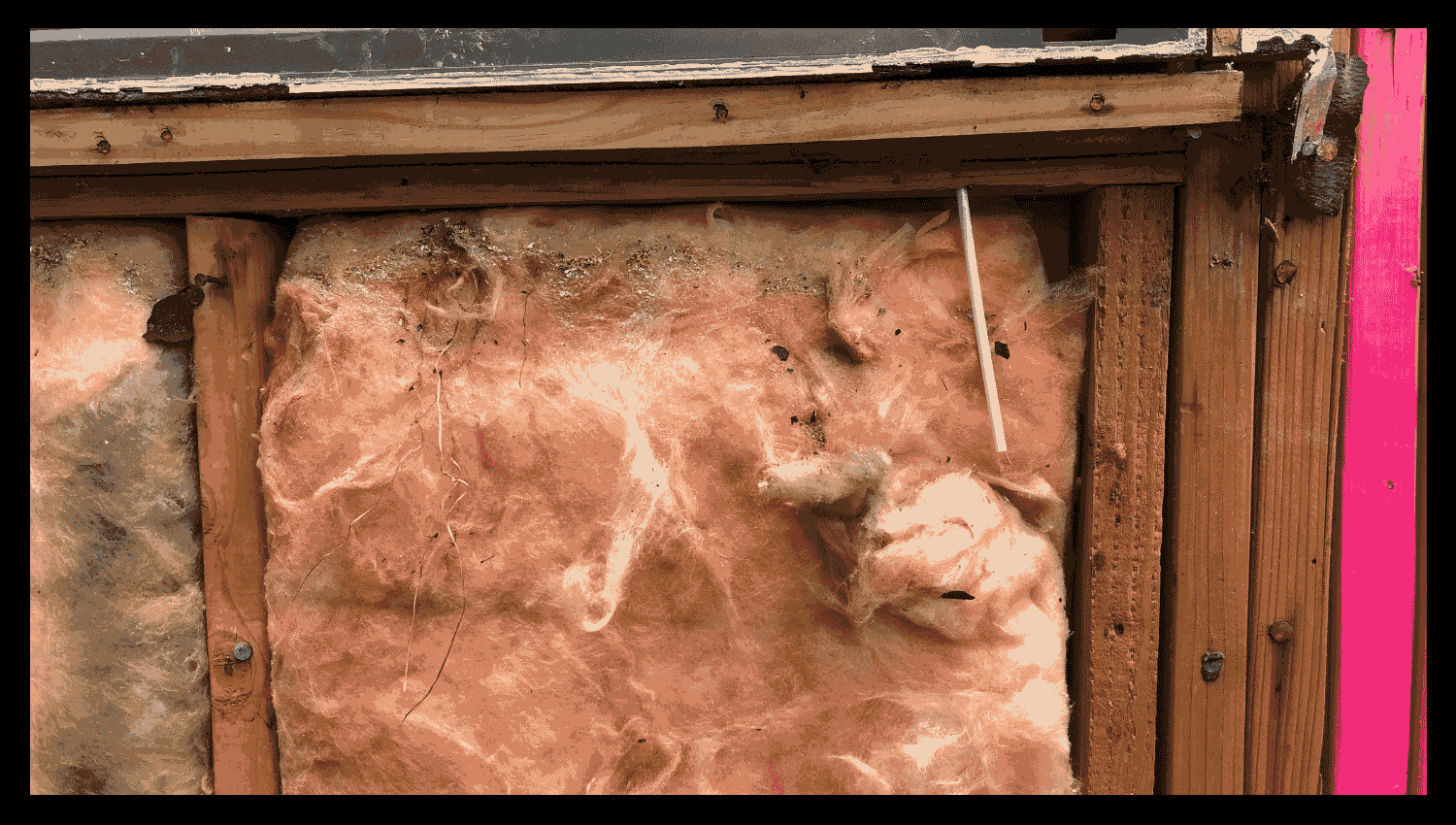
- Fiberglass Batt Insulation: Trapped water compresses the batt, reduces the original loft and thermal insulating efficiency.
- Blown-In Cellulose: Cellulose is very water-absorbent and holds a considerable amount of water for a long time, forming dense, heavy clumps that do not dry readily.
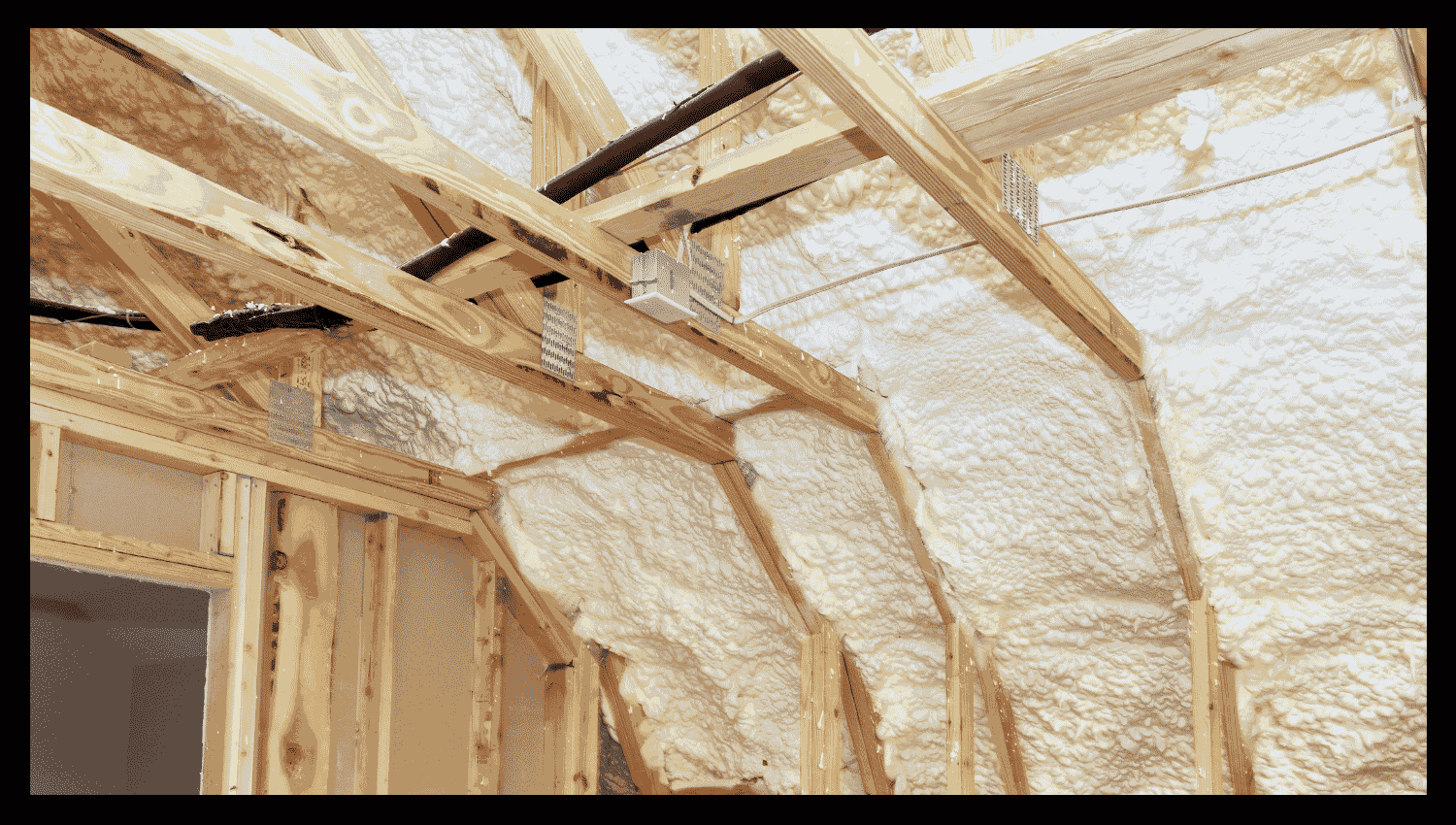
- Spray Foam Insulation: Closed-cell foam is naturally resistant to water absorption and is better than open-cell foam, but even with moisture exposure, it is still essential to get a professional inspection.
- Rigid Foam Board: Foam boards are moisture-resistant, except when they are allowed to have holes where joints, seams, and wall framing meet, so water seeps through them.
- Mineral Wool Insulation: Mineral wool is naturally water-repellent and more resilient in shape than fiberglass insulation, but it is still checked after extended periods of water contact.
What Common Water Sources Can Saturate Insulation?
Roof leaks are a common cause of water seeping through gaps in roofing around damaged shingles or flashing, against the protective barrier of the attic insulation. Plumbing pipes inside walls that have an opening or break are a source of rapid saturation of surrounding insulation. Basements or crawl spaces become flooded or have the floor and wall cavities filled with water if they get saturated by severe flooding or rising groundwater. Moisture leaks in the HVAC condensation line wet other insulation around air handlers, and window frames, door seals. Foundation moisture slowly works its way into lower wall assemblies.
What Signs Suggest Insulation Has Water Damage?
Here are 5 Signs Suggest Insulation Has Water Damage:
- Persistent Damp Odors: Musty smells from Walls, attics, or crawl spaces indicate hidden moisture inside the insulation.
- Visible Water Stains: Staining in ceilings and drywall is a sign of moisture in the insulation behind the wall.
- Sagging Ceiling or Wall Areas: Saturated insulation becomes very heavy, causing surface deformation, bowing, or sagging in ceilings and walls.
- Cold or Hot Indoor Areas: Insulation problems result in a non-uniform indoor room temperature because of thermal transfer through wall cavities.
- Higher Energy Bills: Saturated insulation reduces thermal efficiency, so heating and cooling systems have to operate longer, increasing monthly energy bills.
What Determines Whether Water-Damaged Insulation Can Be Reused?
Here are 5 factors that determine whether water-damaged insulation can be reused:
- Type of Insulation Material: Closed-cell spray foam or mineral wool is better for water than porous and absorbent materials such as cellulose.
- Source of the Water: The potential for successful drying is greater with clean water leaking from water supply lines than contaminated water in a sewage backup or a ground flood.
- Length of Water Exposure: Moisture exposure for a few hours is remedied, but if exposed for long periods, the material becomes permanently damaged.
- Extent of Moisture Penetration: Light surface moisture dries well, but if the moisture is at the full depth of the insulation, it does not dry out.
- Overall Physical Condition: Any insulation that has been compressed, flattened, or clumped is not able to perform as it should even when it is completely dry.
When Is Insulation Replacement Usually Necessary?
The insulation needs to be replaced when it becomes exposed to “black water” or “heavily contaminated” sources, because pathogens are not sanitized from porous fibers. Batts or fiberglass that are saturated, have lost their structural integrity, and “sag” under water should be replaced, since they do not achieve the rated R-value. Insulation that has been exposed to multiple wet conditions or has not been thoroughly ventilated in closed wall cavities needs to be removed to prevent damage to the building envelope.
How Do Professionals Evaluate Water-Damaged Insulation?
Here are 5 ways Do Professionals Evaluate Water-Damaged Insulation:
- Identify the Water Source: Restoration professionals determine where the water is coming from to classify the level of water contamination and to stop further water intrusion.
- Measure Moisture Levels: Restoration professionals use moisture-testing meters, which do not require pins, and pin-type moisture meters to measure moisture penetration beyond the surface of insulation materials.
- Inspect Adjacent Building Materials: Building inspectors check for any hidden and unseen water transfer or structural damage to surrounding wood studs, drywall, subflooring, and ceiling joists.
- Assess Insulation Integrity: Building inspectors determine if the insulation has compacted, clumped, or permanently reduced in thermal resistance.
- Evaluate Drying Potential: Restorers consider items or areas to be accessible, local airflow and ambient humidity, and determine if in-place drying is possible or if removing items is necessary.
How Can Homeowners Check for Possible Wet Insulation?
Homeowners start checking by looking at the insulation, which should be neither wet nor discolored by moisture, under roof penetrations, vents, and chimney flashings. Wet insulation behind walls or ceilings is detected by looking for water stains on the ceiling or blisters in the paint on the wall. Looking around plumbing walls, around crawl spaces, and for any strange room temperature fluctuations is also helpful. A house that has a continuous musty odor, or smells like water even after a large storm, a plumbing leak, or a roof leak, is a sign of water problems that need to be addressed.