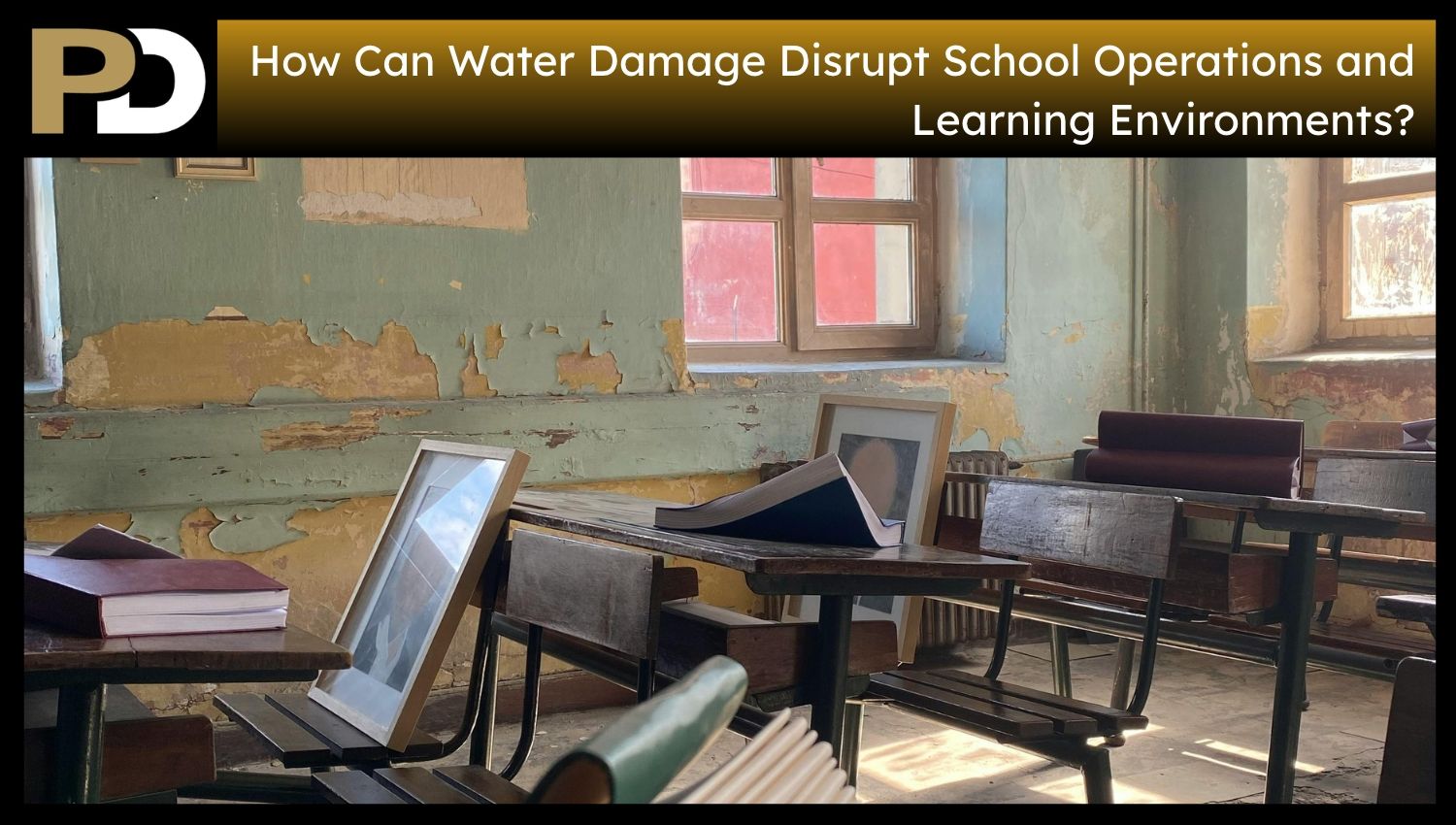
Water damage affects a school, impacting more rooms than just those directly affected. Schools hold classes in classrooms, schedule student movements, set up specialized classrooms, provide common areas, and offer educational support services during the day. Teaching plans and students’ activities must change when part of a school is no longer available, even if other areas remain open. The impact ranges from immediate classroom adjustments to longer-term interruptions to courses and education.
Why Can Losing Even a Few Classrooms Disrupt the School Schedule?
Schools assign classrooms to students’ teachers and classes based on a set timetable. Some rooms also provide specific teaching functions or include equipment necessary for certain lessons. The school loses usable learning capacity beyond the physical space if even a few classrooms are unavailable because of water damage. Classes have to move to other spaces, rotate between rooms, or shift from their normal location. The same classrooms serve different classes throughout the day as the change affects several groups. The Federal School Remediation Manual recognizes temporary classrooms and alternative study programs as important options when normal school facilities are unavailable.
How Can Losing a Corridor or Entrance Disrupt Class Transitions and Student Supervision?
Schools rely on planned movement between classrooms, labs, libraries, cafeterias, gymnasiums, and other learning areas. Students move between lessons in large groups for short periods. Maintaining normal planned movement between activities becomes harder when a corridor, staircase, entrance, or connecting area is no longer available. Teachers and school personnel also have to change their regular supervision routines as students move through different routes and learning spaces. Disrupted circulation interferes with school-day timing and coordination, even as affected rooms continue to dry.
Why Are Labs, Libraries, Gyms, and Other Specialized Learning Spaces Harder to Replace Temporarily?
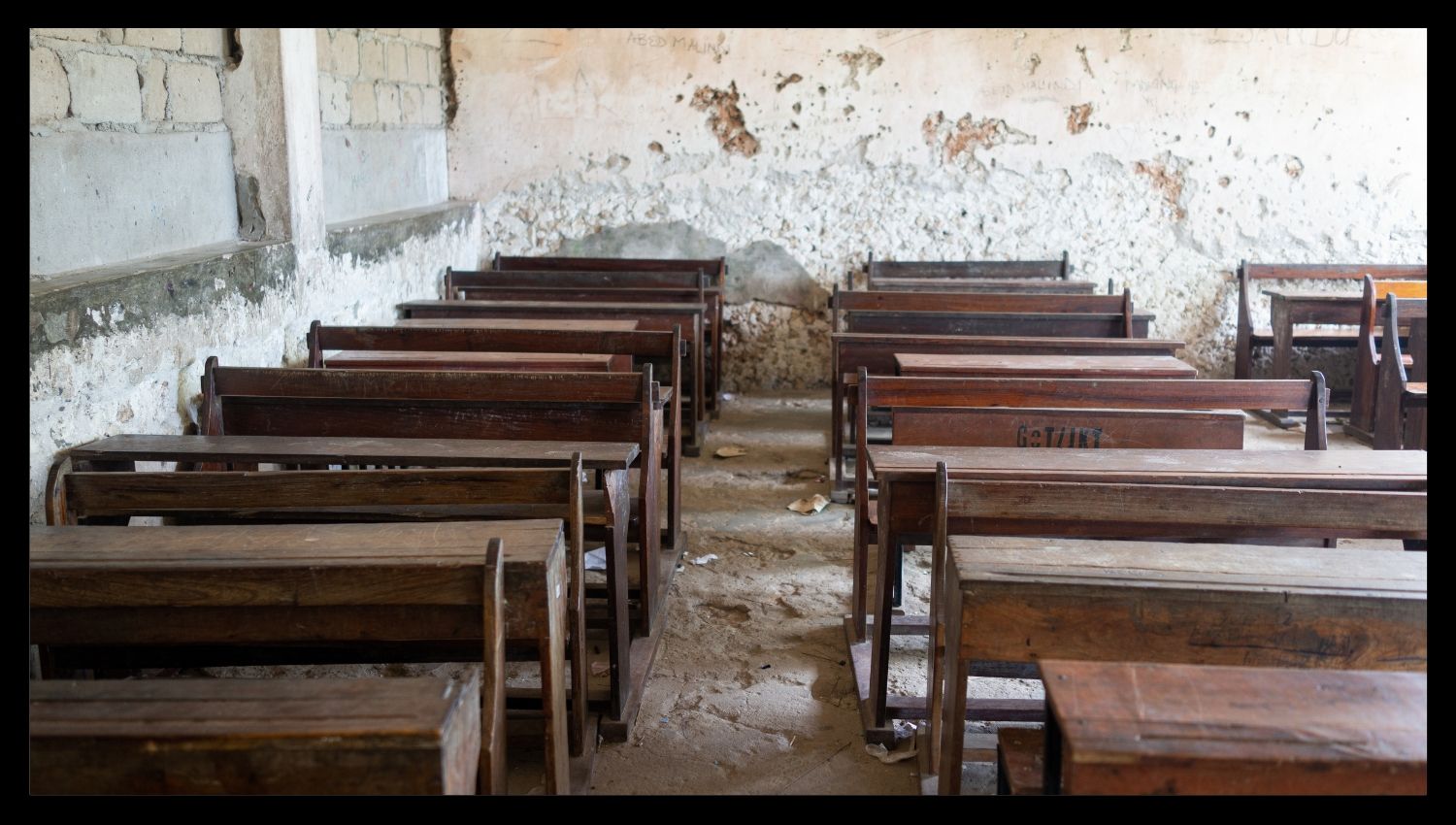
Some school activities require purpose-built rooms rather than ordinary classrooms. Science laboratories, computer spaces, libraries, art and professional rooms, music halls, and gyms meet different learning needs. These rooms include specialized equipment, storage, utility services, ventilation, or layouts that are not available in a standard teaching space. The U.S. Environmental Protection Agency recognizes laboratories, arts and disciplines, gyms, locker rooms, and food preparation areas as different school environments with different usage and conditions. An empty classroom does not provide the facilities needed to continue the same class or activity if water damage makes one of these areas unavailable. The disruption affects the delivery of certain topics and programs, not just the quantity of available space.
Why Can Losing Restrooms, Cafeterias, or Locker Rooms Disrupt the School Day Even When Classrooms Stay Open?
Classrooms remain operational, but common spaces are inaccessible. Toilets, cafeterias, seating, changing rooms, and locker rooms support many students during the planned school day. Their availability affects eating time, physical education, changing classes, and other normal activities. The school needs to adjust use and timing for other rooms when water damage affects any of these facilities. This creates operational pressure across campus, even if lessons continue in undamaged classrooms.
Why Can Special-Education, Counseling, and Student-Service Spaces Be Hard to Substitute?
Special-education services rely on rooms to accommodate students ‘ particular needs and activities. Special-education support, accompaniment, speech services, testing, and small group instruction require privacy, reduced distraction, specialized furniture, or a suitable setting for individual sessions. The school loses a suitable place to deliver services when water damage takes these rooms out of service. General classrooms do not provide the same conditions for confidential discussions, specific support, or “one-to-one” activities. The Federal School Emergency Planning Guidance acknowledges continuity of learning, student support, and the needs of people with disabilities, access, and functional needs as a key school planning consideration.
Why Can Prolonged Loss of School Space Disrupt Course and Program Continuity?
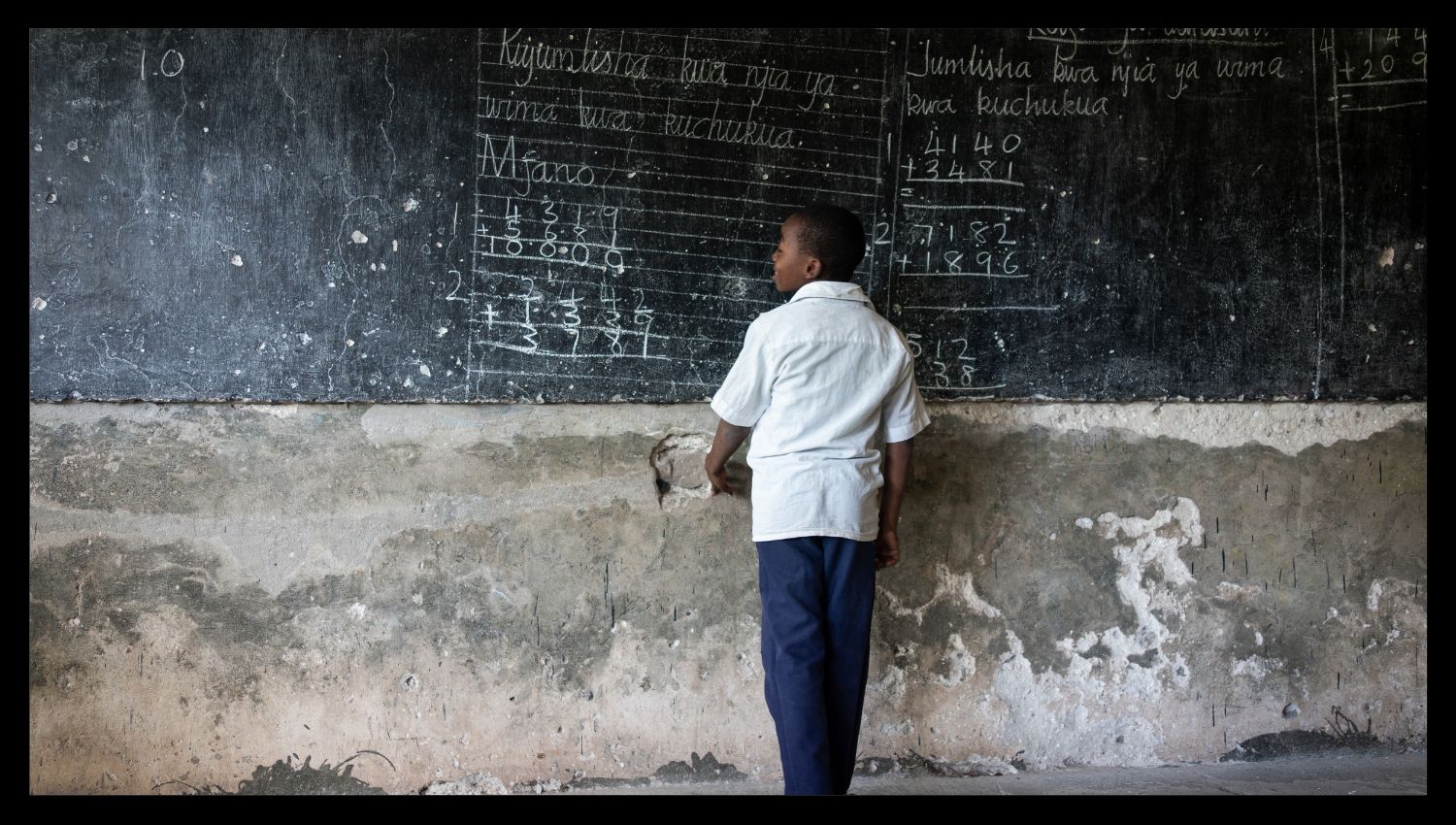
The effects extend beyond immediate timetable changes when essential school spaces remain unavailable for days or more. Repeated classroom moves, reduced access to specialized learning environments, and the loss of rooms shared by different classes disrupt normal learning routines. Some topics and school programs also depend on consistent access to certain facilities, making long-term space restrictions harder to manage. Federal School emergency planning guidance states that continuity of education, training, and academic recovery are important when normal teaching activities are disrupted. The longer spaces remain unavailable, the more difficult it becomes to deliver courses and school programs as usual.