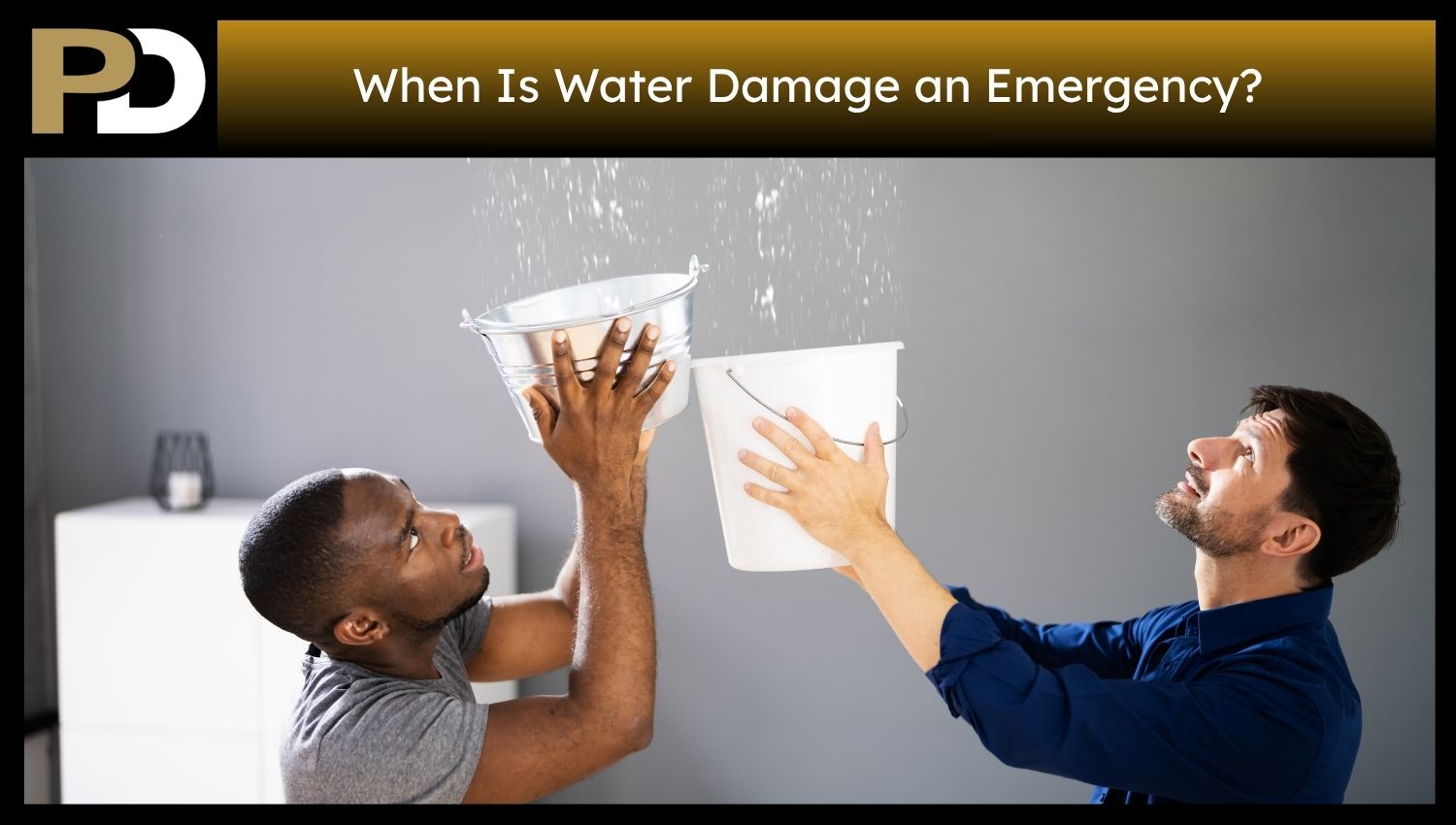
Water damage is an emergency when it threatens people, the building, or critical systems. Its severity depends on several factors, such as whether water is still flowing into the basement, how far it has spread, and the type of water involved. Structural instability, electrical exposure, and unsafe living conditions also increase the risk. A small contained spill is not a flood that occurs in a few rooms or building levels. Knowing these warning signs enables homeowners to know when water damage requires prompt professional attention.
Is an Uncontrolled Water Source Always an Emergency?
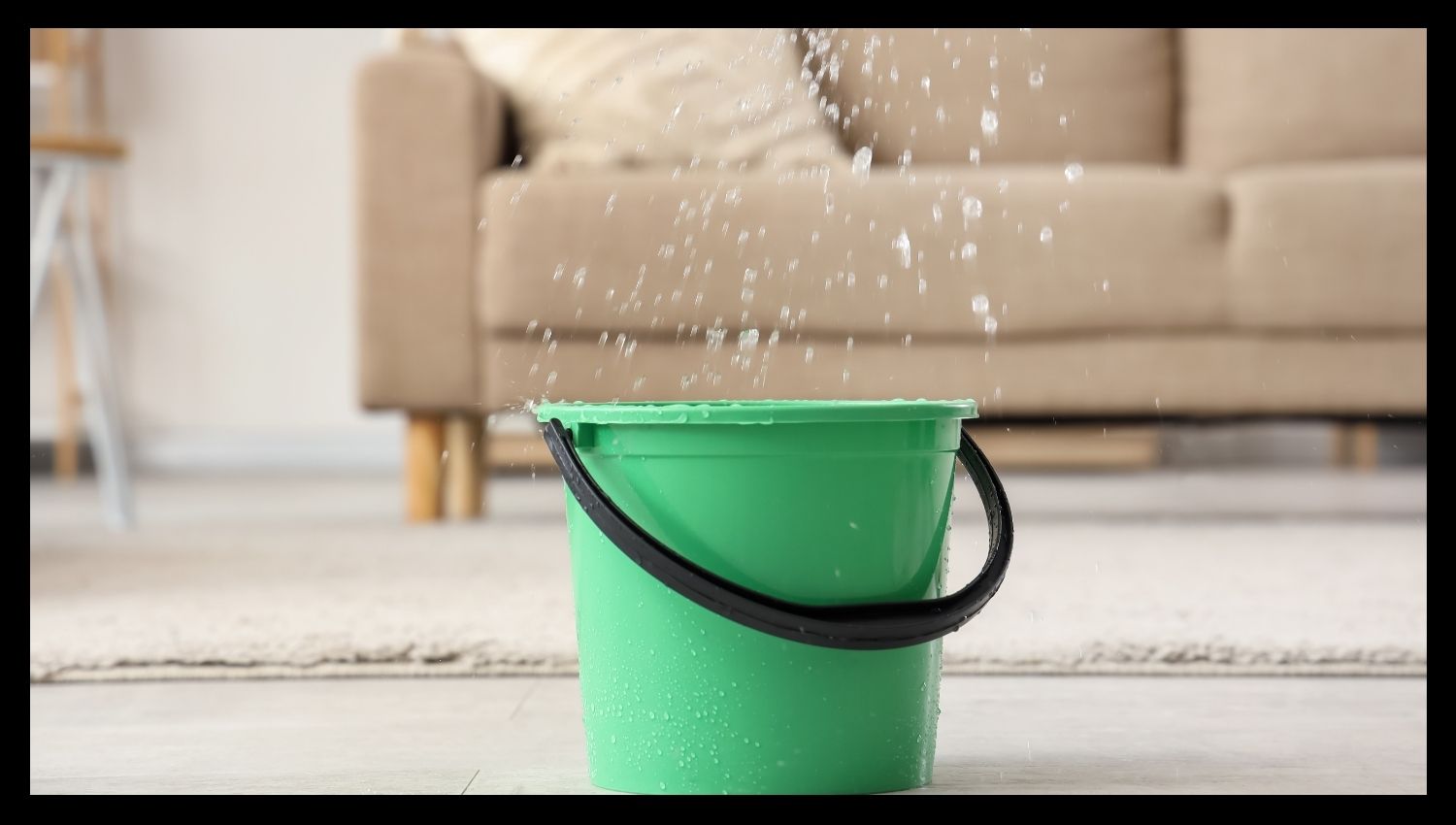
Uncontrolled water damage is serious because water keeps entering the property. After a pipe bursts, a significant amount of water can flow until you contain the source. Another source of water is a collapsed or ruptured appliance supply line from a washing machine, dishwasher, refrigerator, or other appliance. An overflowing fixture keeps adding water to the area. Severe weather also causes ongoing rainwater intrusion through the roof or other building envelope openings. Water entering at a rate that exceeds the containment system’s capacity is a serious, urgent problem that keeps spreading.
When Does the Amount or Spread of Water Make It an Emergency?
The extent and distribution of water indicate severe flooding. The water that reaches several rooms affects far more building materials and systems than a small leak. The loss is significant and must be addressed immediately if water is standing and continues to build up. Water flows through and between floors through ceilings, walls, flooring, and rooms below. Large areas of wet flooring signal moisture spreading wider through the property. Areas that moisture seeps into, like walls, cabinets, and built-in materials, need extra consideration.

When Does the Water Source Make the Situation an Emergency?
Health and safety risk depends on the water source. Sewage backup is more dangerous than a typical clean-water spill because sewage contains biological contaminants. Outdoor floodwater can also contain sewage, chemicals, debris, and other hazardous materials. The concern is even greater with an unknown water source, since you can’t verify the water’s purity. Mixing water with chemicals or fuel is another serious concern within the property. Water that has been in a property for a long time also changes condition and needs extra attention.
What Structural Warning Signs Make Water Damage an Emergency?
Here are the 5 Structural Warning Signs That Make Water Damage an Emergency:
- Saggy Ceiling: Water collects on the ceiling and weighs it down. A sagging area means that moisture has been absorbed or collected in the ceiling. This condition causes the material to fail and should be assessed immediately by a professional.
- Soft or Unstable Flooring: Water saturation significantly affects flooring systems and materials below. This also makes walking difficult and dangerous on soft or unstable ground. Seek professional advice immediately if floor stability changes.
- Visible Wall Deformity: A change in a wall’s shape indicates significant moisture if the wall assembly is bulging, bowing, or otherwise changing in appearance. Water has affected the assembly. This condition needs professional help.
- Fallen Ceiling Section: This indicates a material defect. It now becomes an area of significant water loss. Additional evaluation of the remaining ceiling materials is needed to assess potential further instability.
- Visible Structural Movement: Any visible movement, cracking from flooding, or other signs of instability indicates a serious structural concern. Seek immediate professional assessment, as the affected area may not be safe if any of these signs are present.
When Does Water Damage Make a Home Unsafe to Occupy?
Water damage makes a home unsafe to live in when it compromises entry, electrical service, basic living conditions, or structural stability. Water can block normal entry and exit routes, cause materials to collapse, or create electrical hazards. Wiring may make certain areas of the premises inaccessible. Another reason to limit access to contaminated areas is when sewage is found in living areas. Other structural issues, such as ceiling or floor problems, also raise significant occupancy concerns. Multiple hazards add up to create greater risk.
When Does Electrical Exposure Turn Water Damage Into an Emergency?
Health and safety risk depends on the water source. Sewage backup is more dangerous than a typical clean-water spill because sewage contains biological contaminants. Outdoor floodwater is also contaminated with sewage, chemicals, debris, and other hazardous materials. The concern is even greater with an unknown water source because you can’t verify the water’s purity. Mixing water with chemicals or fuel is another serious concern within the property. Water that has been in a property for a long time also changes condition and requires extra attention.
What Types of Water Damage May Not Be an Emergency?
Emergency restoration is not always necessary when a spill is contained and on a water-resistant surface. It is not an emergency when the surrounding materials are still dry if the leak in the clean water line is very small and detected early. Minor moisture, with no electrical or structural exposure, creates fewer immediate hazards. Once you control the water source, the situation is less urgent, but you must still assess the existing moisture. Materials that dry quickly are less urgently exposed to clean water.
What Is the Difference Between an Urgent Water-Damage Problem and a Life-Safety Emergency?
A restoration emergency is a property emergency with significant damage that requires immediate professional intervention but isn’t always immediately life-threatening. They include standing water, several wet rooms, water in floors or walls, an active plumbing leak, and large clean water loss. A life safety emergency is a serious situation where lives are at risk. Some of these are electrocution or electrical injury, arcing or fire, extreme structural collapse, entrapment by floodwater, destructive downed power lines, and other acute medical situations. The difference is the danger to people. Water damage that needs a restoration company isn’t the same as an emergency where someone is in immediate danger.