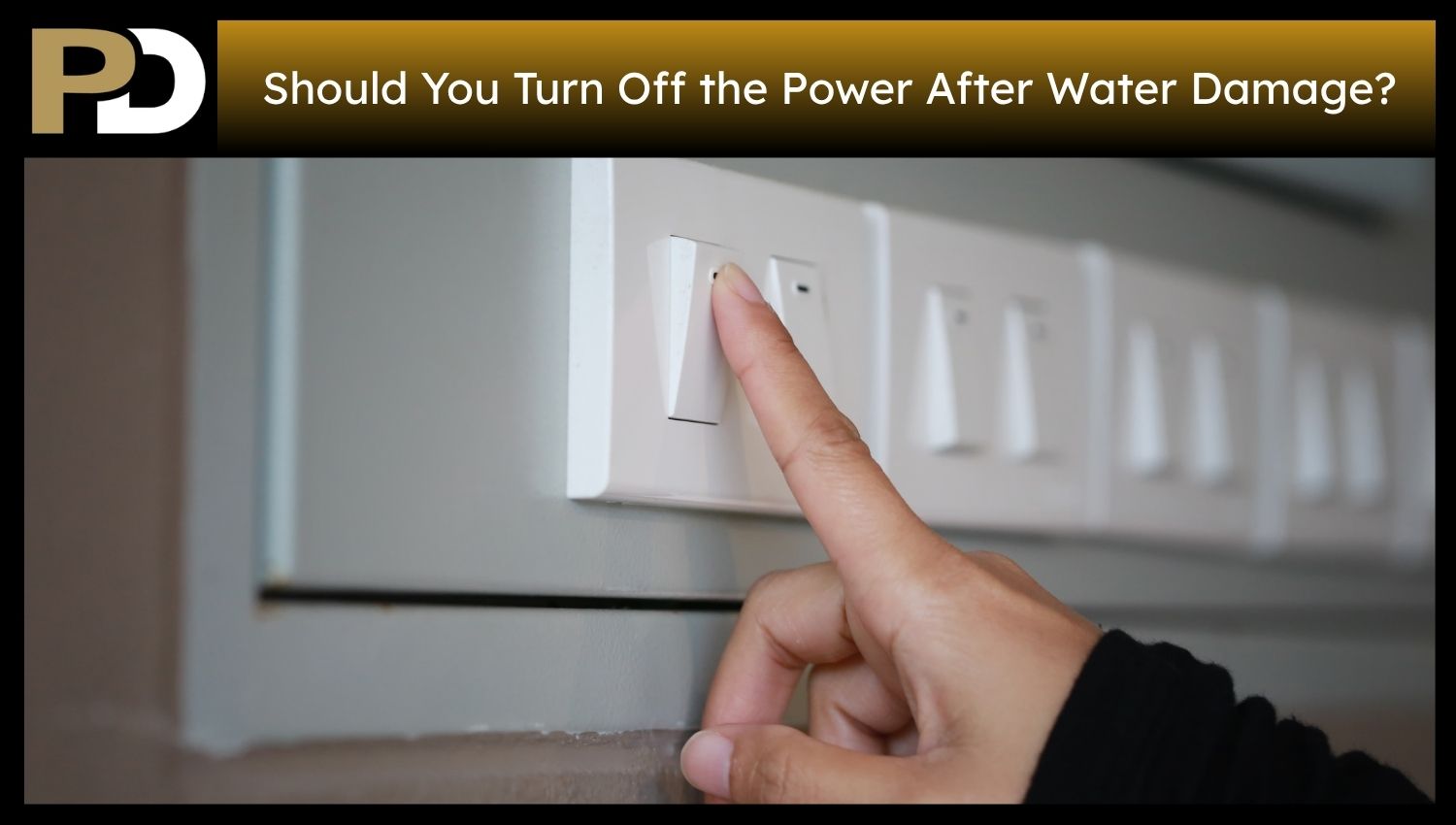
Turning off the power is a critical safety measure when water contacts electrical circuits, outlets, switches, appliances, or wiring. Water and electricity cause serious hazards, including electric shock, electrocution, and fire. Wet electrical equipment also poses hazards that are not easy to detect. The CDC recommends turning off electrical products if they are damp or in or near water. Never enter standing water to reach the main electrical panel. Call a qualified electrician if you can’t safely access the panel.
When Should You Turn Off the Power After Water Damage?
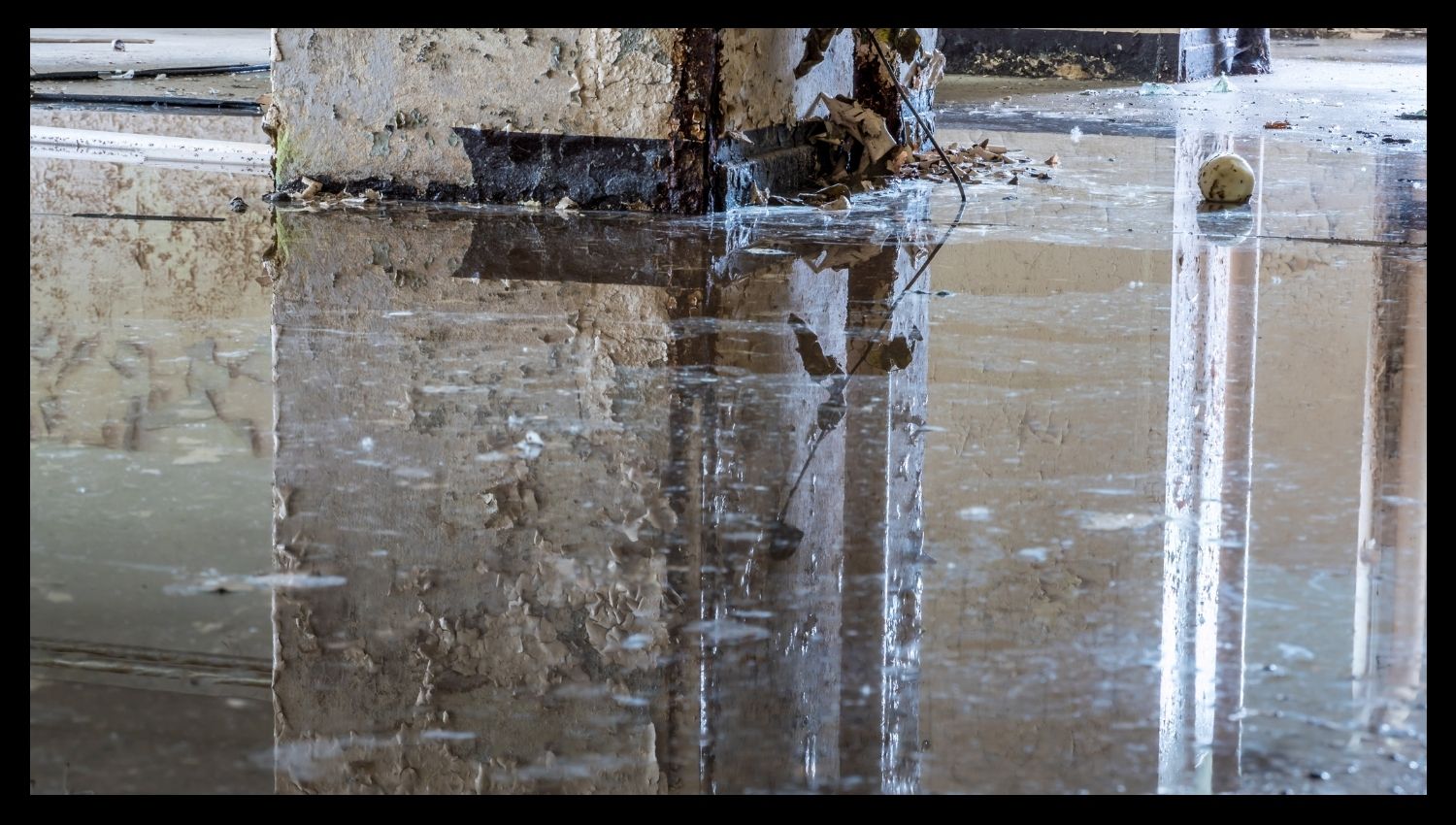
Turn off the power when water reaches electrical equipment or enters an area containing electrical wiring. This covers outlets, switches, appliances, extension cords, and powered devices. Electrical safety is compromised when standing water is present in a house. CDC recommends turning off power when standing water, flooding, or wet electrical equipment is present. Address water behind walls, ceilings, or floors, as electrical components also get wet even if you don’t see water. Do not turn affected circuits back on until a qualified electrician has inspected them.
When Should You NOT Try to Reach the Breaker Panel Yourself?
Avoid wading through water to access breaker panels or fuse boxes. Water conducts electricity and poses a serious shock hazard. Never touch breakers, fuses, outlets, switches, or electrical panels with a wet hand. Never work with electricity in water. Never use a panel that is damaged, wet, or flooded. Call an electrician to turn off the electricity if standing water makes it impossible to reach the main power switch. A water damage restoration professional should also address damaged wiring, burning odors, or sparks immediately.
Should You Shut Off the Entire House or Only the Affected Circuit?
Disconnect the main electrical supply if water damage affects multiple rooms, circuits, or electrical components. This step reduces power to the main electrical system and limits contact with energized equipment. Be careful when isolating affected electrical equipment if a small leak comes from one appliance. Never assume that any circuit is safe when water has passed through walls, floors, ceilings, or other building materials. Avoid operating affected circuits until a licensed electrician inspects them. Do not repeatedly reset a breaker that tripped due to water contact, as this indicates a wiring issue that needs checking.
What Electrical Components Are Most Important to Check After Water Damage?
A qualified electrician must inspect electrical components exposed to water. These key components include the main service panel, circuit breakers, outlets, switches, junction boxes, wiring, GFCI devices, AFCI devices, and connected appliances. ESFI lists several items that need replacement, including receptacles, junction boxes, circuit breakers, GFCIs, AFCIs, switches, and dimmers. Floodwater contaminants also damage electrical devices and increase the risk of corrosion. Large appliances like refrigerators, washing machines, dryers, and other motor-driven appliances require professional evaluation following water exposure.
When Is an Electrician Needed After Water Damage?
Do not handle the electrical panel or electrical equipment if water has flowed into it, and contact a licensed electrician. Have outlets, switches, wiring, electrical devices, and appliances professionally inspected if they get wet or submerged. An electrician spots damage that isn’t otherwise obvious, while a visual inspection is only performed by the naked eye. Hire an electrician if breakers keep tripping after water exposure. Professional care is also needed if outlets get hot, lights flicker, plugs in electrical devices buzz, or you detect a burning odor from an electrical fixture. Never use flooding to operate the electrical system until a qualified electrician inspects it. The CDC recommends hiring an electrician to examine the electrical system before restoring power. 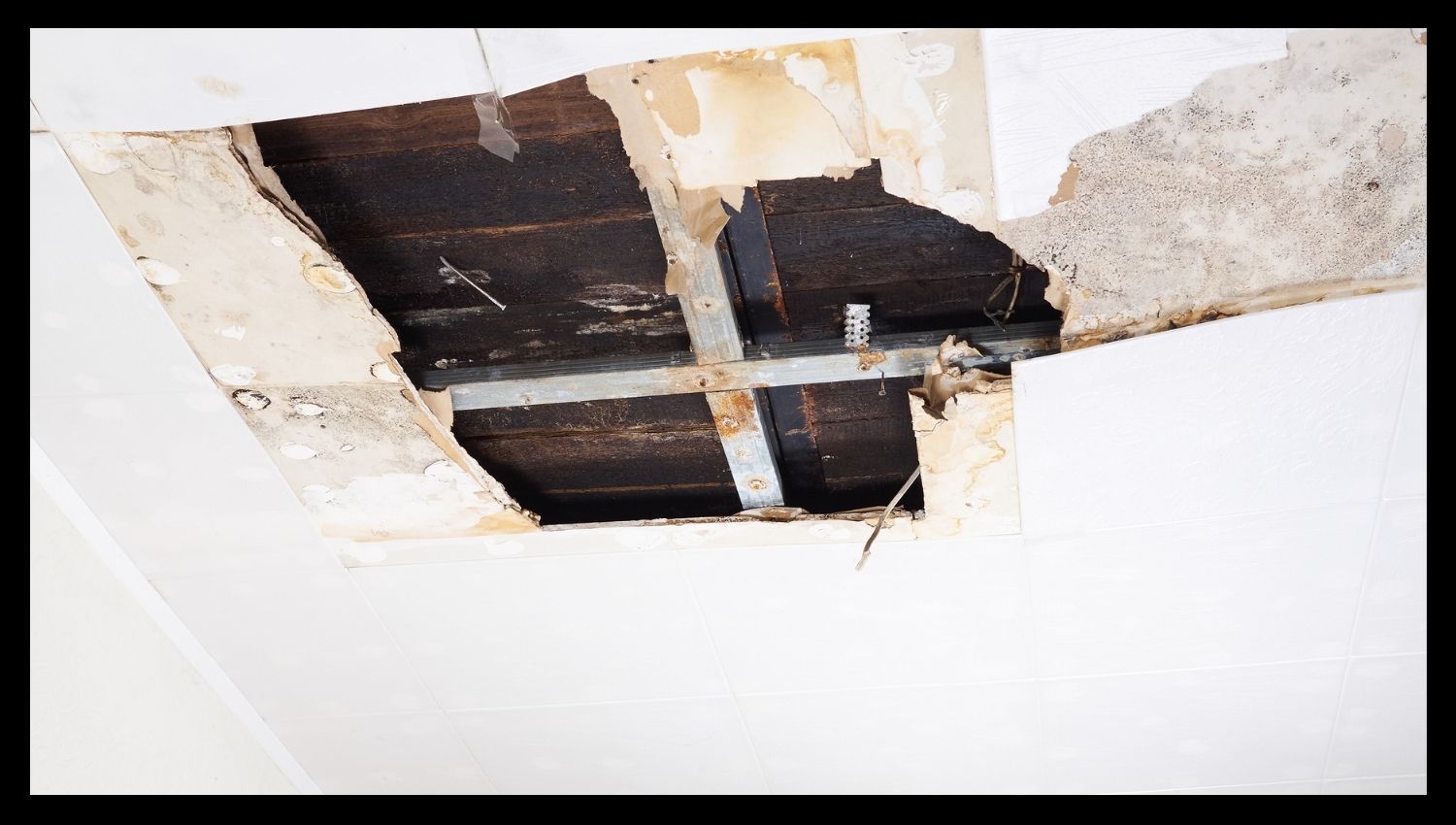
When Should You Contact the Utility Company?
Contact the utility company if flooding damages power lines, service equipment, or electrical utility equipment. Call the utility company if a tree or storm has damaged an overhead power line. Do not handle or come into contact with a downed power line or anything that has come into contact with a power line. Avoid standing in water near downed power lines, as water can become energized. Do not allow children, pets, or others to enter the area until the utility company has deemed it safe. The CDC recommends reporting fallen power lines to the electric company and cleaning up the area while staying away from the power lines.
When Can You Safely Turn the Power Back On?
Do not reconnect power until a professional has inspected the electrical system after a water incident. Removing visible water doesn’t mean electrical equipment is safe. The CDC advises having an electrician check the home’s electrical system before turning the power back on. Electrical equipment and appliances should also be dry and ready to be returned to service. Water-damaged electrical equipment poses long-term hazards of shock, electrocution, fire, and equipment damage without proper evaluation and reconditioning. Wait for the electrician to say it’s safe to restore electrical service.
What Warning Signs Should You Watch for After Power Is Restored?
Here are 5 Warning Signs You Should Watch for After Power Is Restored:
- Breakers Trip Repeatedly: Repeated tripping can indicate structural damage in your home’s wiring, equipment, or branch circuits.
- Outlets or Switches Feel Unusual: If they feel unusual (hot, buzzing), you need a thorough professional inspection.
- Lights Flicker: Unexpected flickering or dimming after extreme water exposure hides defects and shouldn’t be ignored.
- You Smell Burning: A strong burning smell means there is electrical overheating or a serious problem with the wire insulation behind your walls.
- Sparks or Arcing Appear: Turn off the main power system safely and call a licensed electrician if you see sparks or arcing.