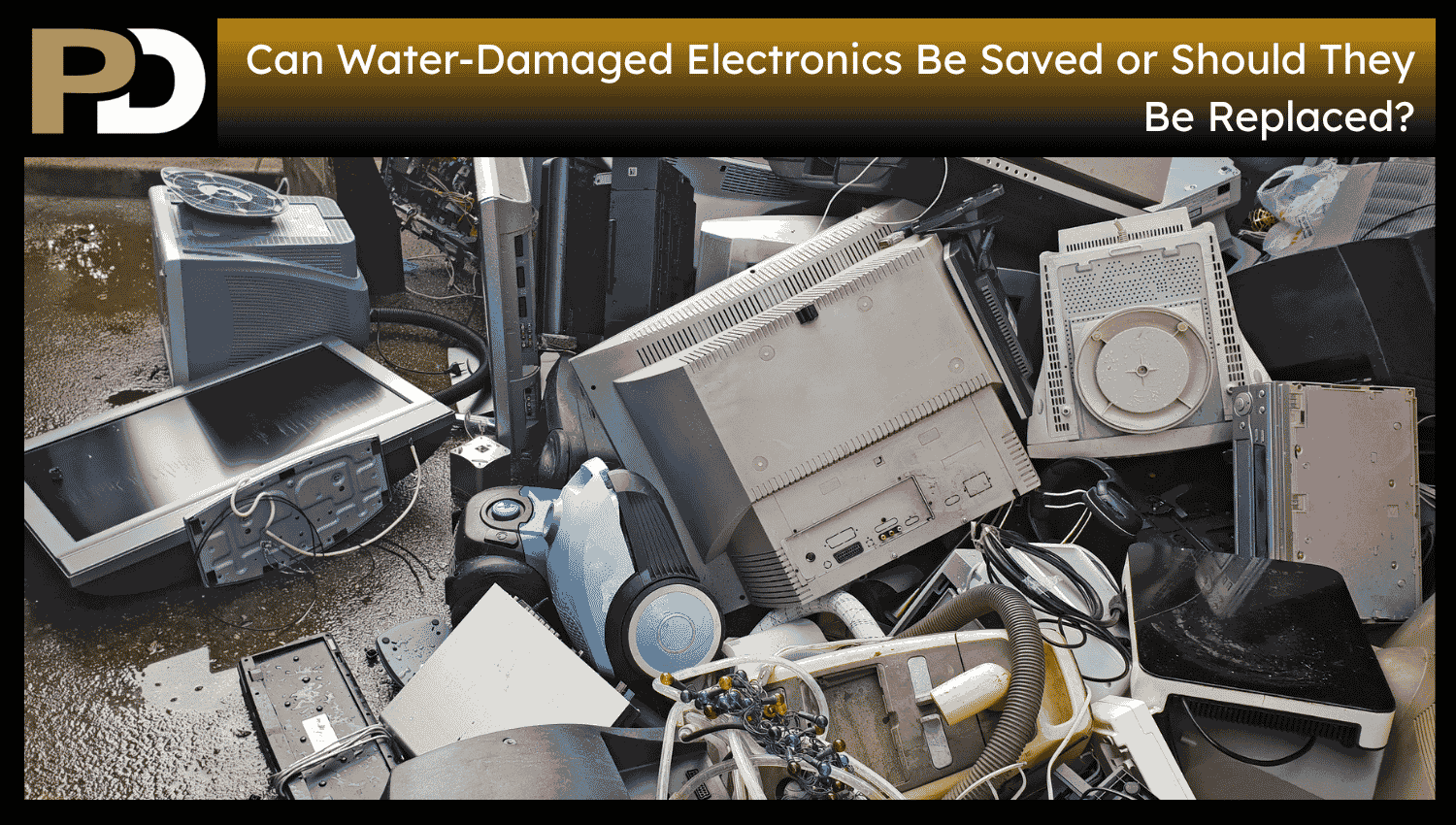
Water-damaged electronics pose a danger to both homeowners and business owners. Today’s devices rely on fragile microcircuits, precise power systems, and fine solder joints. Moisture causes immediate short circuits in these components, with disastrous consequences. A device that does not suffer damage during the initial exposure to liquid can corrode over time due to moisture that goes deep inside the device. This humidity ruins circuit boards over time, rendering the device useless. Understanding how water affects different technologies is important for electrical safety. A device that is safely restored helps to preserve your valuable personal data.
What Types of Electronics Are Commonly Affected by Water Damage?
Liquid penetration into computer keyboards accelerates corrosion of internal components in computers and laptops. Perimeter-area televisions and monitors are also susceptible to water damage, as they can easily fill with water from perimeter ventilation slots. The portability and easy access to spills of smartphones and tablets create a high risk. Gaming consoles have power supply units and motherboards which are very sensitive to moisture. Smart home technologies such as appliances, security cameras, and home hubs are frequently exposed to wind-driven rain and humidity. These smart devices experience control board failures when plumbing leaks occur suddenly.
What Are the Warning Signs of Water-Damaged Electronics?
Here Are the 6 Warning Signs of Water-Damaged Electronics:
- Device Won’t Turn On: A device won’t turn on due to a shorted power management chip or blown internal fuse.
- Unexpected Shutdowns: The device’s automatic rebooting indicates that moisture has caused internal logic traces to short out.
- Screen Problems: Liquid trapped between the display layers can cause dark patches, discoloured spots, or vertical flickering lines.
- Overheating: Overheating and abnormal electrical resistance result from corrosion or water intrusion.
- Charging Issues: The battery can’t accept a charge when moisture is present in the charging port, and warning pop-ups appear.
- Unusual Sounds or Smells: High-voltage parts short out and emit faint buzzing, clicking, or a burning plastic odour, which are evidence of electrical problems.
What Factors Determine Whether Water-Damaged Electronics Can Be Saved?
Here are the 6 Factors Determine Whether Water-Damaged Electronics Can Be Saved:
- Type of Liquid Exposure: Clean tap water is the least problematic, salt water is the most dangerous, and sewage is even more so.
- Length of Exposure: The longer the items are left wet, the lower the recovery rate will be.
- Whether Power Was Connected: Powered-on devices experience immediate and severe electrical shorts when liquid comes into contact with them.
- Device Design: The higher the ingress protection rating, the better a product withstands liquid exposure compared to unsealed desktop computers.
- Extent of Internal Damage: Moisture at the surface level is a very easy fix, but moisture or shorting of the motherboard is deep and multi-layered and therefore more difficult to fix.
- Speed of Professional Evaluation: It’s important to have the device cleaned immediately with ultrasonic cleaning if it’s taken to a technician, which boosts the chances of success.
Which Electronics Are More Likely to Be Repaired After Water Damage?
Modular electronics with easily removable parts have the greatest chance of being repaired. Technicians can easily replace a single shorted graphics card in a desktop computer without having to throw away the entire computer. Professionally tended devices that were recently damaged also have a high chance of recovery. Expensive professional equipment (lab instruments) and server racks require special ultrasonic cleaning. Restoring a device after it comes into contact with clean tap water is much easier than after it comes into contact with salt water. Board repair is highly effective and is used by professionals when corrosion is detected early.
When Should Water-Damaged Electronics Be Replaced Instead of Repaired?
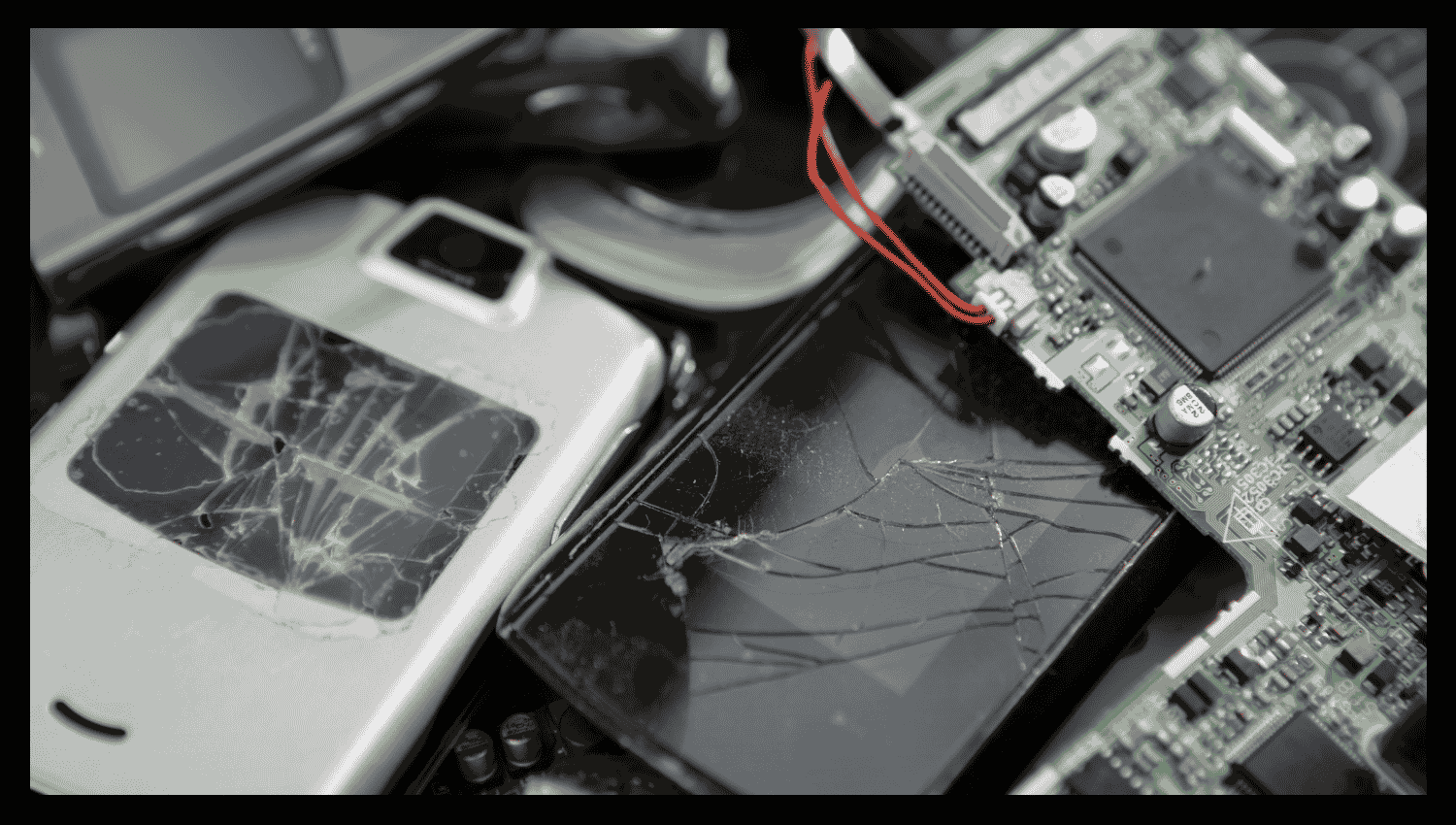
Multi-layer electronics with logic boards are experiencing serious internal corrosion and must be replaced. A considerable amount of damage makes it too expensive to replace individual parts, compared with purchasing a brand-new device. Blackwater, raw sewage, or floodwater are extremely hazardous bio-contaminants and should be properly disposed of. Swollen or water-damaged lithium-ion batteries are extremely hazardous for thermal runaway and fire. It is a good idea to buy another device if logic board replacements are imminent and the cost is at the retail price of a whole-device replacement. Replacing severely affected items helps prevent recurring electrical issues in the home.
What Should Homeowners Do Immediately After Electronics Get Wet?
Owners are responsible for disconnecting from wall outlets as soon as possible to prevent short circuits caused by current flowing through the device. A current continues in the background when batteries or laptop power packs are detached from the laptop, but it is immediately terminated when the batteries are removed. Care should be taken when moving the wet equipment to a dry, airy area to prevent further moisture from entering. Avoid turning the power on to test the device, as current would fry the sensitive chips. Take clear photographs of damaged property and note the model numbers to support property insurance claims. Call a certified electronics restoration expert to professionally and safely tear down the boards and clean them.
How Can Hidden Moisture Continue Damaging Electronics?
Touch the exterior of the plastic and see that it’s dry, but inside there’s still moisture destroying the electronics. Electricity continues to flow, and laying ribbon connectors prevents air from reaching the water. This liquid is trapped, forming highly conductive bridges with minute amounts of minerals on the circuit board. In days and weeks, exposed copper and solder surfaces are subject to galvanic corrosion, which wears away the smallest amounts. Swelling, chemical reactions, and battery failure occur when lithium batteries are damp in the enclosed compartment. This causes damage to occur later, which is why some devices appear to be working well and then stop working a few weeks after the initial spill.