Water stains are one of the first indications of moisture inside a house. A stain that seems minor and innocuous can be a sign of a current leak or past water intrusion to places hidden within the building. Water rarely reaches the surface immediately beneath the source; instead, it seeps through framing, pipes, insulation, or structural elements. Water flows down and out of a stain, often several feet from the source of the leak. Water stains should never be overlooked, as they indicate a more significant water problem. The visible stain is often much smaller than the damp area behind the wall or ceiling, and water intrusion continues even after the stain has dried.
What Causes Water Stains to Appear?
Here are the 5 Causes of Water Stains to Appear:
- Roof Leaks: Roof leaks are among the most common causes of water stains on upper walls and ceilings. Damaged roofing shingles, flashing, roof vents, or other roof openings cause Water to follow rafters and framing members, so the stain is located well away from the actual point of entry.
- Plumbing Leaks: Pipes that supply water and drain lines concealed within walls, ceilings, or floors leak, slowly soaking the surrounding materials. Even a minor plumbing leak causes localized staining because it batters the drywall, insulation, or wood framing as it leaks, gets wet, and dries again and again.
- HVAC Condensation: Condensation is a normal by-product of heating and cooling systems when they’re in use. Clogged condensate drain lines or broken insulation around HVAC components can cause moisture to collect on ceilings, walls, or in utility areas, eventually leading to stains.
- Window and Door Leaks: Rainwater infiltrates exterior walls due to failed caulking, worn weather seals, damaged flashing, or openings around windows and doors. In time, moisture migrates into the drywall, trim, and other adjacent finishes, resulting in stains around openings or adjacent interior finishes.
- Appliance Leaks: Dishwashers, washing machines, refrigerators, and water heaters are all examples of water-using appliances that can have hidden leaks that go unnoticed for extended periods. The moisture from these appliances slowly seeps beneath the flooring or within the walls and will later appear as water stains.
How Can the Appearance of a Water Stain Reveal Its Cause?
Here are 5 appearances of a Water Stain that Reveal Its Cause:
- Yellow or Brown Stains: Repeated exposure to water results in yellow or brown stains on the surface. The water that travels through wood, drywall, insulation, or roofing materials carries dirt, rust, tannins, and minerals. This water causes brown or yellow discoloration when it evaporates.
- Dark or Wet-Looking Stains: Damp or shiny-looking dark staining means that there is still water below the surface. This staining generally indicates an active leak that continues to supply water to the stained area.
- Circular or Ring-Shaped Stains: Circular or ring-shaped stains occur with multiple wet and dry cycles. Minerals and other impurities form rings around the edge as the water evaporates, indicating water exposure over time.
- Expanding Water Stains: A stain that grows over time indicates that water is still coming in. The moisture has continued to migrate to nearby materials, and the affected area has grown larger than the original, indicating that the leak has not been identified.
- Multiple Small Stains: The small stains in one area indicate that the water is running through several concealed spaces. This is the result of moisture infiltrating through framing, plumbing lines, or roof framework before it is exposed to surfaces.
Where Do Water Stains Most Commonly Appear?
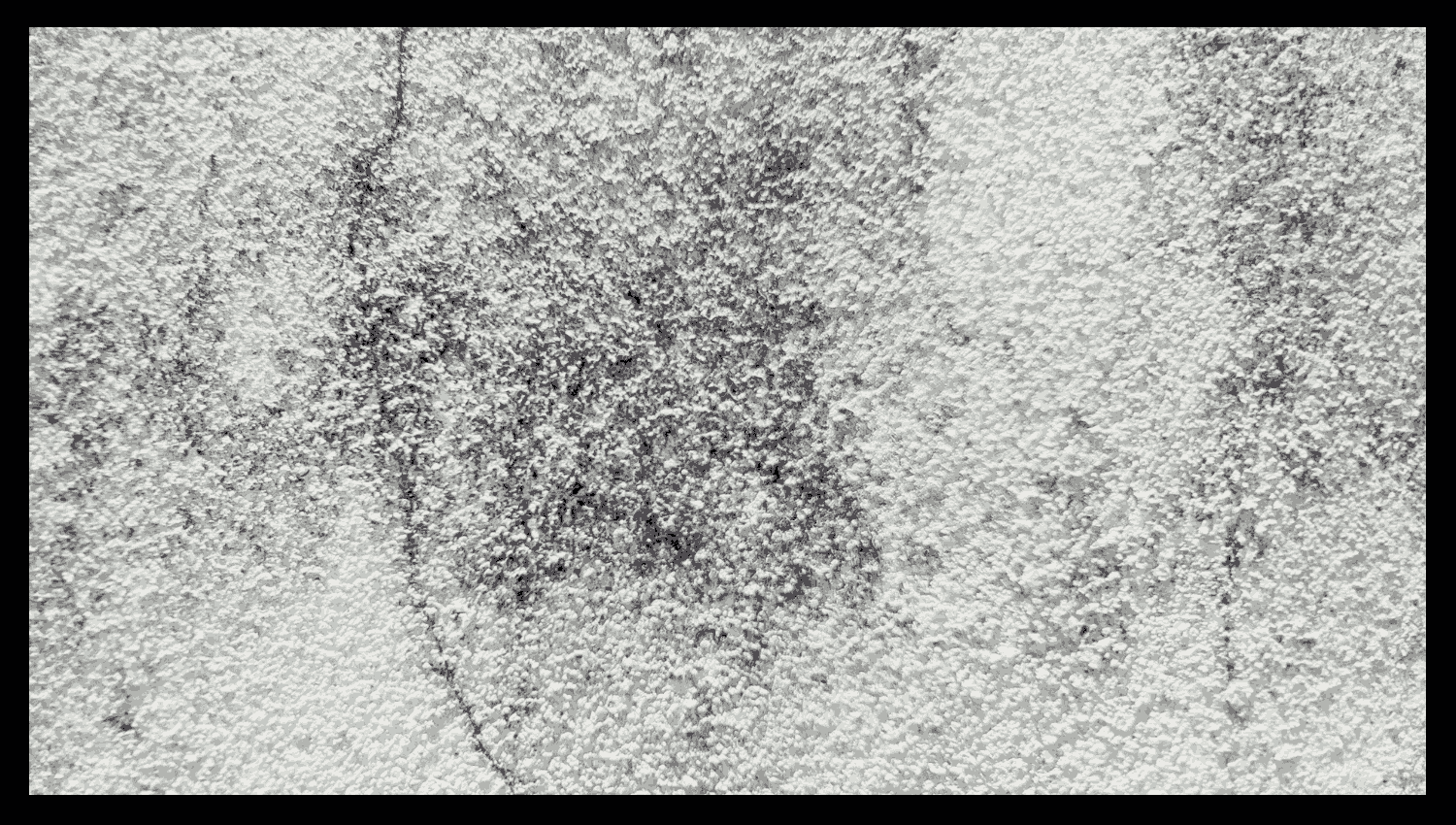
Water stains are found on ceilings if there are water leaks from the roof, from bathrooms on upper floors, or from plumbing. Moisture causes stains on interior walls due to hidden plumbing leaks or from water getting through the exterior walls. A frequent area vulnerable to rainwater penetration is around windows and doors, where broken seals or flashing allows rainwater to enter the wall assembly. Roof penetrations and weather exposure are other common problem areas for staining, including skylights. Groundwater also causes stains on basement walls as it passes through the foundation walls or infiltrates the below-grade construction.
What Hidden Problems Can Water Stains Indicate?
The water stains indicate far more than the stain itself. Unbeknownst to homeowners, moisture is present long before it manifests itself on painted surfaces and builds up inside wall cavities. Insulation behind walls and ceilings absorbs and retains water, not only reducing its heat-reflecting capabilities but also causing it to hide in place. Wood framing also becomes saturated over time and begins to weaken without any visible surface deterioration. Moisture also spreads beyond the area of staining in ceilings, causing deterioration of gypsum board, insulation, and framing, even if the staining is not visible. Water takes the path of least resistance, so the real amount of damage is more often than not much more than is apparent from the stain.
Which Building Materials Show Water Stains Most Easily?
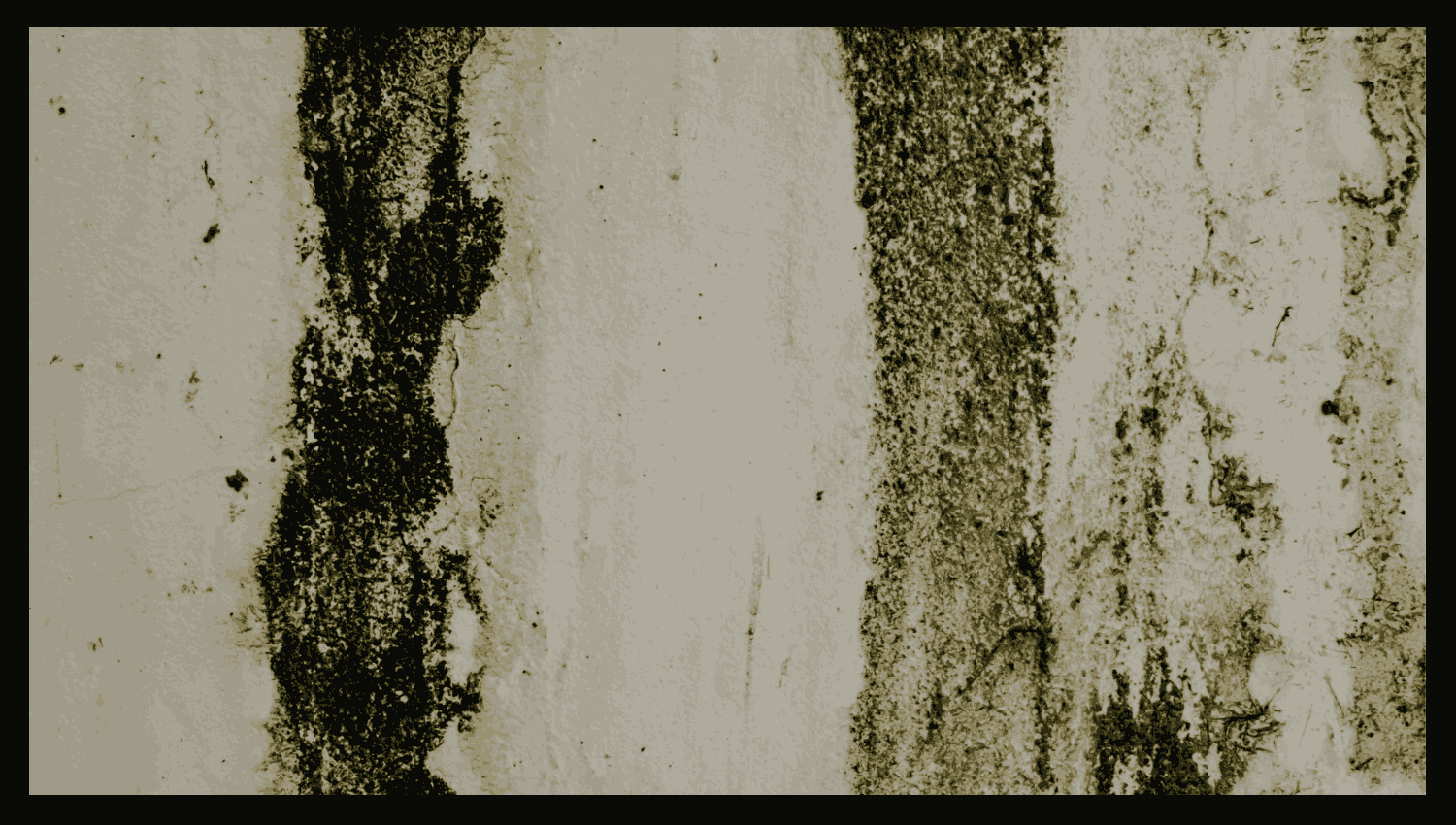
One of the more prominent materials is painted drywall, as its porous surface readily absorbs moisture, which can manifest as yellow, brown, or dark discoloration. The fact that ceiling tiles stain quickly when water gets on them also makes it easier to detect leaks in a suspended ceiling system. Wood trim that is naturally discolored, darkens, or becomes unevenly colored if exposed to moisture over a long period of time. Wallpaper bubbles, separates, or stains when exposed to moisture because the moisture weakens the adhesive’s carrying power. Water carrying dissolved salts to the surface as it evaporates causes discoloration or white mineral deposits on concrete, brick, and masonry surfaces.
How Do Water Stains Change Over Time?
A freshwater stain appears darker than the other materials, and when there is moisture, it has a damp feel. Stains tend to fade as the affected area dries out, but they remain visible forever because the minerals and contaminants are embedded in the material. The stain re-stains during damp weather and dries out again and again if the leak persists. Stains that grow over time are due to ongoing water intrusion affecting adjacent materials. Old stains, even after repairs, are still evident unless the damaged surface has been properly restored.