Austin property owners can take easy proactive measures to prevent flash floods, heavy rain, and unexpected winter freezes from damaging their homes. The Austin Flood Pro tool (an online GIS mapping tool) shows that flood risk is high, with 10% of Austin in floodplains. Leave the soil sloping away from the house to run rainwater away from the house. Make sure gutters and downspouts are clear of debris before big storms to keep water from accumulating around the house. Regularly clean AC condensate lines to prevent backup leaks. Insulate exposed pipes and cover outdoor spigots to protect water lines before freezing weather. Let faucets trickle in the home to relieve pressure in vulnerable pipes during ice-cold weather. Use smart leak detectors that alert you quickly if there is a leak or water is flowing abnormally.
Why Should Austin Homeowners Take Flash-Flood Risk Seriously?
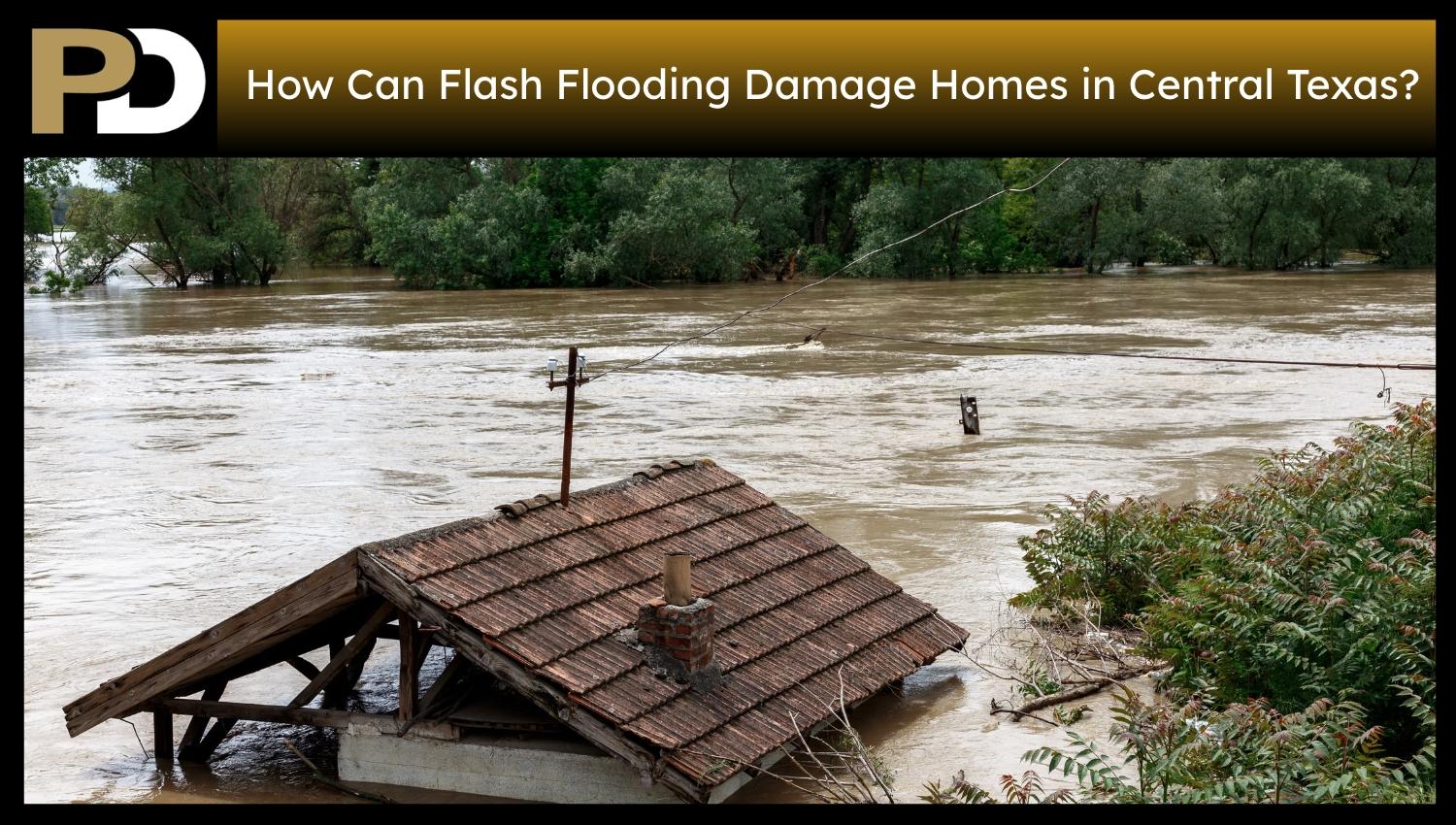
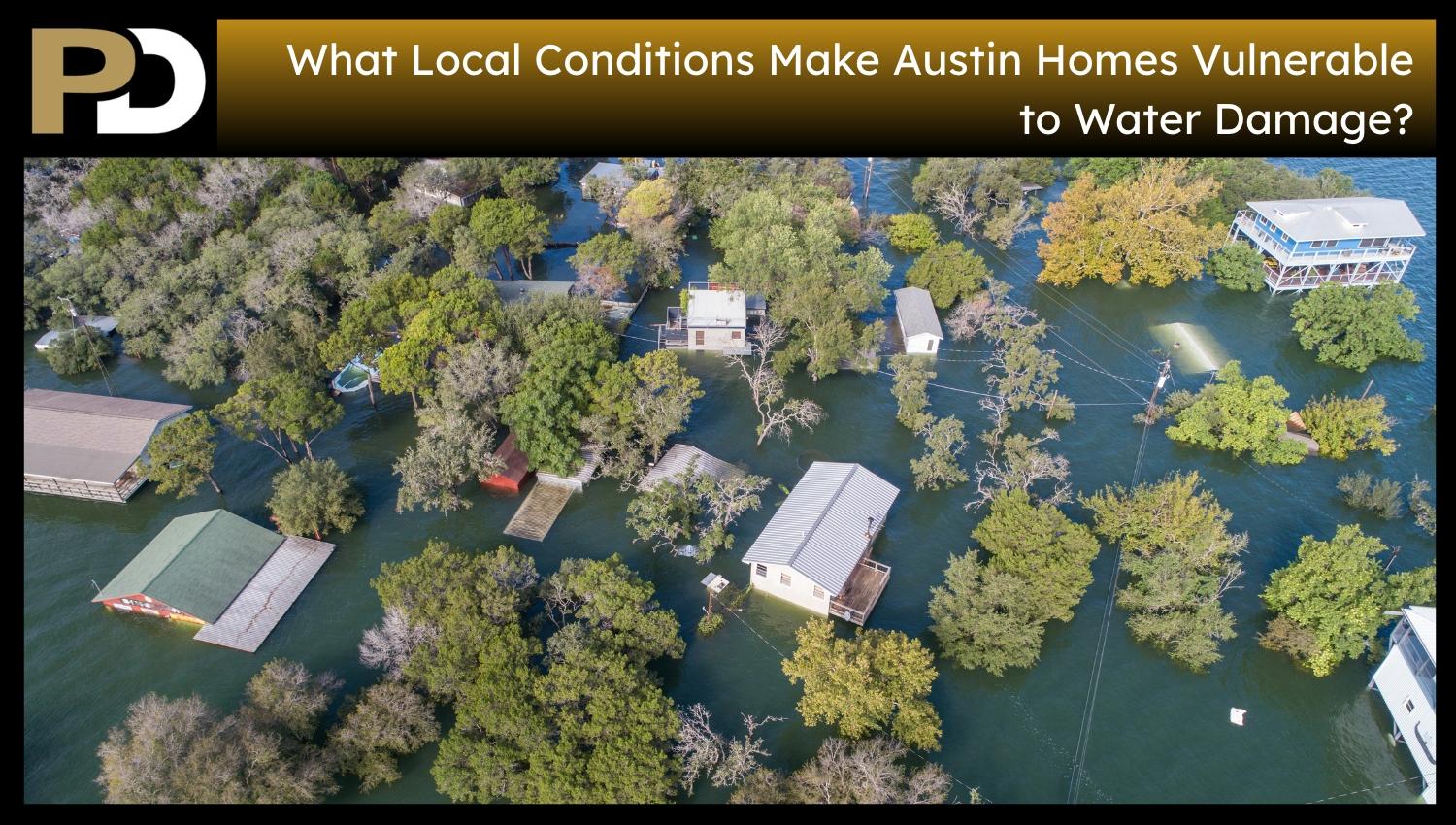
Austin faces significant flash-flood risk because heavy rainfall quickly raises water levels in local creeks and drainage systems. According to the City of Austin, 10% of Austin’s land is within a floodplain, and all creeks and lakes in Austin have a floodplain, whether mapped or not. Heavy rains also cause water to flow quickly over streets, yards, and developed areas. Homes near creeks and drainage channels face a higher risk of flooding and erosion. Clogged drains around the property also cause surface water to seep into the foundation instead of draining through the proper system.
How Can Austin Homeowners Check Their Property’s Flood Risk?
The City of Austin FloodPro map lets homeowners access City of Austin floodplain information by address. FloodPro provides floodplain boundaries, storm drain infrastructure, and other flood information. Homeowners should also check low points, drainage paths, curb inlets, and adjacent creeks. A property outside the mapped floodplain can still experience localized drainage issues during heavy rainfall. The City of Austin is also updating floodplain data as newer rainfall data indicates a higher flood risk during heavier rainfall events.

How Should Austin Homes Be Prepared Before Heavy Rain?
Remove leaves, grass clippings, and other debris from locations that lead to streets and storm inlets. Keep gutters and downspouts clear, so water runs off the roof and away from the house. Run downspouts well away from the foundation and to an appropriate drainage site. Check doors, windows, and ground-level openings in exterior walls for places where water can enter and clean surface drains, such as French drains, before major storms. Inspect entry points to the site for drainage issues and remove items that block rainwater drainage.
How Can Proper Grading Protect Austin Homes From Water Intrusion?
Grading directs water away from foundation walls and toward an appropriate drainage path. Level ground around the foundation in low areas and have a uniform slope away from the house. Avoid raised garden beds, landscape edging, and barriers that collect water against outside walls. Expansive clay soils in Austin require special attention to drainage as they cause ground movement if not managed properly. Look for water that doesn’t drain away and is near the foundation after rain, and fix the source.
How Can Austin Homeowners Protect Plumbing During Freezing Weather?
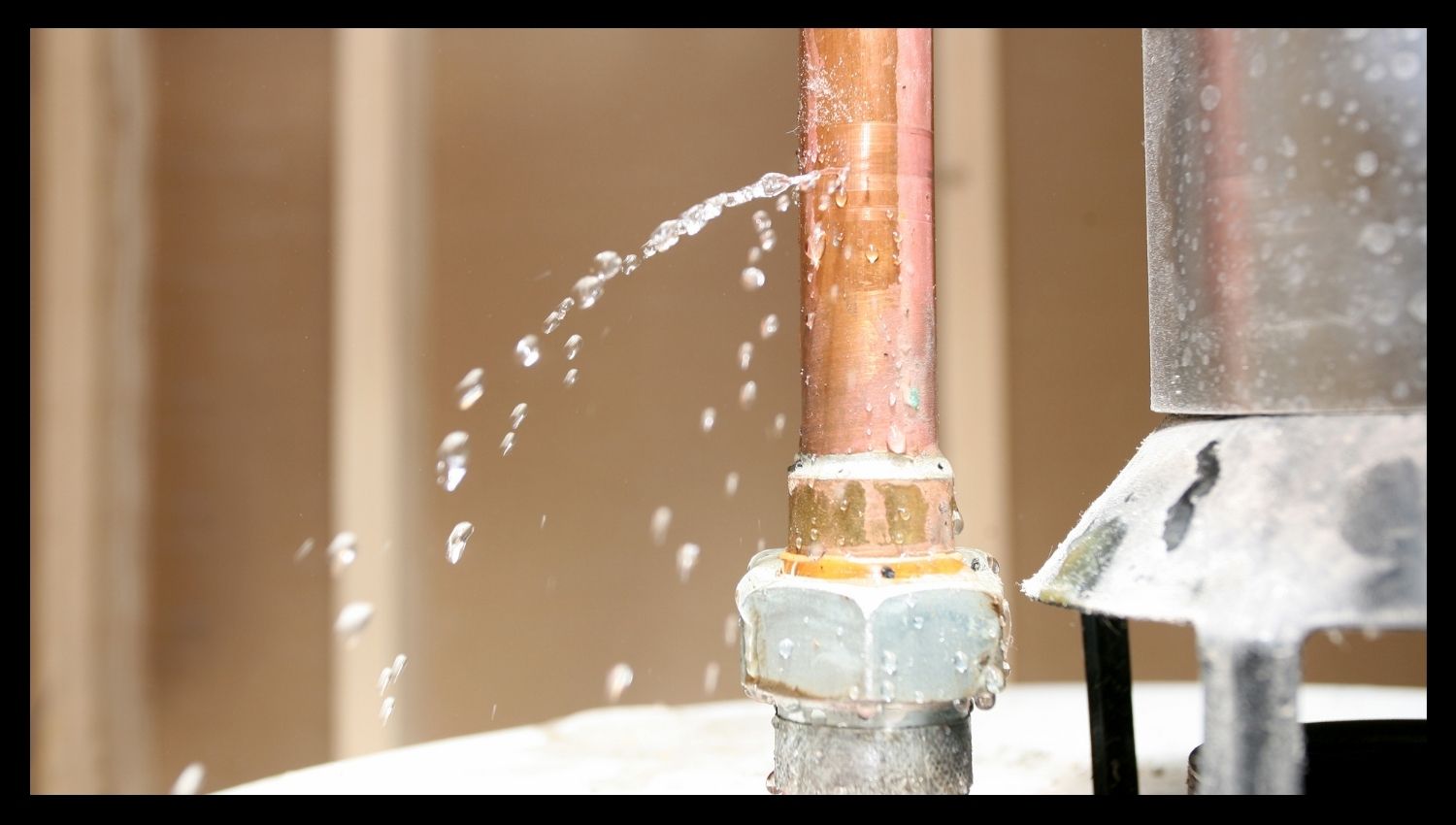
Locate the property’s water shutoff valve before freezing weather strikes, and keep the area around it clear. Austin Water says you can find this valve on the property owner’s side of the water meter inside the meter box. Wrap all uninsulated pipes exposed to the cold in unheated attics, garages, and drafty places. Drain garden hoses and protect outside faucets with insulated covers before freezing weather. Open cabinet doors under sinks on outside walls to let warm indoor air reach exposed pipes. The Austin Water recommends turning off and draining any automatic sprinkler systems during freezing conditions. Austin Water suggests shutting off the water at the meter and keeping the thermostat at 65°F or above if you use the home’s water for extended periods during freezing weather.
How Should Austin Homeowners Protect Their Homes When Traveling During Extreme Weather?
Check Austin weather conditions before heading outside, and be ready for very cold temperatures, heavy rain, or flooding alerts. In winter, when freezing temperatures are likely, set the thermostat to 65° F or above while you’re away. On long trips and in freezing weather, shut off the water at the meter and drain the water system as needed. Remove leaves from gutters and make sure the French drain outlet is open before you leave. Have a trusted neighbor check the property after bad weather, and if leaks, flooding, or damage is clearly visible, let them know.
How Can Irrigation and Landscaping Create Water Problems Around Austin Homes?
Avoid irrigation near foundation walls to prevent drainage and foundation issues. Set sprinkler heads to avoid the walls, windows, and foundation areas. Fix any underground irrigation leaks as soon as you find them, since leaks keep the soil constantly wet. Clear away any plants or other items that prevent drainage or water retention near the home. Vary irrigation schedules in response to periods of heavy rains and adhere to existing Austin irrigation restrictions.
What Outdoor Areas Should Be Checked After Austin’s Heavy Rain?
Check the foundation perimeter after heavy rainfall for pooled water, erosion, and new drainage channels. Look for soil erosion and pooling in downspout discharge zones near the foundation. Check surface drains and French drains for storm debris, mud, and leaves. Inspect lower windows and outside doors for water infiltration. Inspect gutters and downspouts from the ground to see whether any parts overflow or drains clog. Report any serious drainage, erosion, flooding, or storm-drain issues with Austin Watershed Protection or Austin’s 3-1-1 service.
When Should an Austin Drainage or Water-Risk Problem Be Professionally Evaluated?
Water buildup around the home, especially when it occurs more than once, indicates a potential drainage issue that should be investigated. Careful planning is needed before large-scale construction or grading within or near a floodplain. Use professional drainage or engineering help if a significant amount of runoff comes in from above. Have a drainage or plumbing system investigated if repeated grading causes severe erosion or pipes freeze repeatedly. The City of Austin offers drainage engineering and floodplain consultation services to answer questions about property or development.