Well-functioning gutters prevent all sorts of structural water damage year-round. Rainwater seeps through a failing gutter system, damaging exterior walls and foundations. Homeowners should know which gutter issues cause water to overflow or leak the wrong way. Identifying these failures helps you prioritize year-round preventive maintenance. Keeping channels clear lets heavy rain flow safely away from your property. This helps keep every part of your home intact.
How Do Clogged Gutters Cause Water Damage?
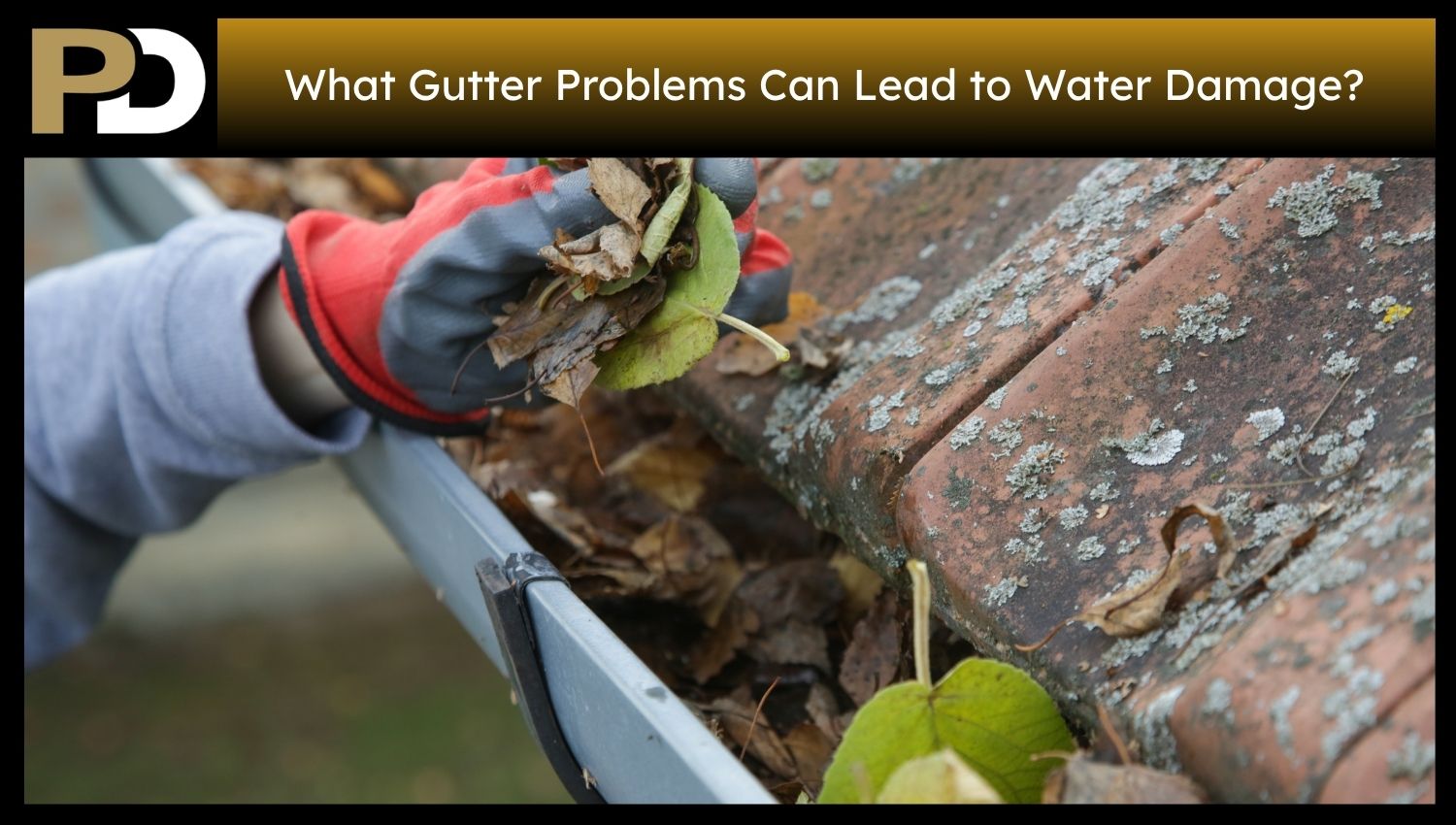
Leaves, twigs, and pine needles block the water from moving through the channel of the gutter. These extreme clogs prevent water from flowing to the downspouts and instead cause backups. The gutters overflow over the front or back edge during heavy rainstorms. Water spills over and easily damages fascia boards, wooden soffits, and the edge of the roof. Over time, the same exterior materials stay wet month after month. This repeated saturation leads to structural deterioration and rot.
How Can Improper Gutter Slope Lead to Standing Water?
Gutters should slope downward to carry runoff to the drainage outlets, and the slope should be sufficient. Sections with poor pitch collect standing water, even if the gutter is clean. Poor drainage heavily burdens and strains gutter hangers and attachment points. Without drainage, gutter hangers and attachment points are overloaded and stressed. As water moves slowly, dirt and heavy sediment settle in the metal channel. Sediment buildup causes blockages to occur much faster. Gutters with poor drainage slope fill up easily and overflow in heavy rain.

Why Do Sagging or Pulling Gutters Increase Water-Damage Risk?
Sagging alters the drainage angle across the entire gutter system. Rainwater collects in the depressed areas instead of being channeled into the vertical downspouts. Gutters pulling away from the fascia create dangerous gaps at the roof edges. Standing water and wet debris on the roof add weight and loosen the metal fasteners. These misaligned sections allow roof runoff to flow directly onto the siding, fascia, and foundation. Correct the alignment to keep water from reaching these vulnerable building surfaces.
How Can Leaking Gutter Seams and Joints Cause Water Damage?
Individual gutter pieces leak a lot of water before it reaches the downspout. Occasional damage or improperly sealed end caps allow rainwater to run off repeatedly during storm events. Leakage is common at the corner joints where gutter sections change direction. As chemical sealant ages, it shrinks, cracks, or pulls away from the aluminum gutter surfaces. These leaks have repeatedly soaked the siding, wooden trim, and masonry beneath. Sealing these connections reduces moisture damage to the exterior walls over time.
What Happens When Downspouts Are Clogged?
Clogged gutters, also known as blocked downspouts, occur when horizontal gutters don’t drain effectively because a blockage prevents water from reaching the downspout. Water spills over the top of the gutter where it meets the clogged downspout. The gutters and supports bear more weight when water backs up. Debris gets stuck for good in hard-to-reach elbows or narrow vertical areas. Water around the blockage gets wet frequently, including the outside siding and trim. Vertical pipes stay clear of blockages if water doesn’t flow through them.

How Can Short or Poorly Positioned Downspouts Cause Water Problems?
Short downspouts discharge large volumes of roof runoff directly next to the exterior walls. Standing water pools around the home base due to poor discharge locations. Soil, garden edging, or hardscaping can channel downspout water back into the structure. This does not work if any extensions are loose or disconnected, because they will not divert water to the intended safe area. Water accumulates in one place and continually dampens materials, whether masonry, siding, or the foundation. You can then extend these downspouts to carry destructive moisture away from the house.
How Can Damaged or Corroded Gutters Allow Water to Escape?
Runoff escapes through holes and cracks in the channels and reaches the drainage points. Over time, as the protective surface coating deteriorates, metal gutters weaken and fail. Large openings develop along the gutter runs due to extreme temperatures or physical force. Damaged end caps allow water to run out from the ends of the gutter, instead of around the house. As rust and structural deterioration advance, repair delays can quickly worsen the situation. Replacing the damaged segments restores the system’s watertight integrity.
Can Gutters That Are Too Small Cause Water Damage?
Small gutters can’t handle heavy seasonal rainfall and allow excess water to run over. Rainwater accumulates quickly on steep roofs and large surface areas, concentrating in narrow channels. The problem is that the gutter is too small for the system and is not clean. Large gutters can still drain poorly if the downspouts are undersized or clogged. It’s a serious design problem if the system keeps overflowing even after regular maintenance. Correct sizing requires a professional assessment and entirely new equipment.
How Can Missing or Improperly Installed Gutters Create Water-Damage Risk?
Rain falls directly next to the house’s exterior wall if sections of the gutter are removed. Openings allow runoff to pass through the entire gutter system from the back. The gutters that aren’t properly anchored to the roof, even the ones that are working, will pour water into areas susceptible to damage. Poor hanger spacing weakens support and causes immediate sagging. Rushing runoff often doesn’t reach the intended vertical outlet because of installation mistakes.
Where Can Gutter Problems Cause Water Damage Around the Home?
Overflow and gutter leaks repeatedly keep the fascia and soffits at the roof edge wet. High gutters run to the outside, letting water cascade down the siding. Water repeatedly flows into the susceptible windows, doors, and adjacent woodwork. The lack of separation between downspouts and the building puts water right up to the foundation. Poor exterior water management causes excessive water to enter the house. Focused runoff washes away yard soil and alters drainage patterns around the house.
When Should Gutter Problems Be Professionally Evaluated?
There’s an issue with capacity, pitch, or layout if gutters fill up after cleaning. Large sagging sections need structural support, or the hardware needs replacing. Only professionals fix it when water runs behind the roof edge. A recurring clog or poor drainage suggests a design issue. Any visible exterior damage to the fascia, siding, or foundation needs comprehensive, professional evaluation. A professional ensures the house isn’t susceptible to further water intrusion.