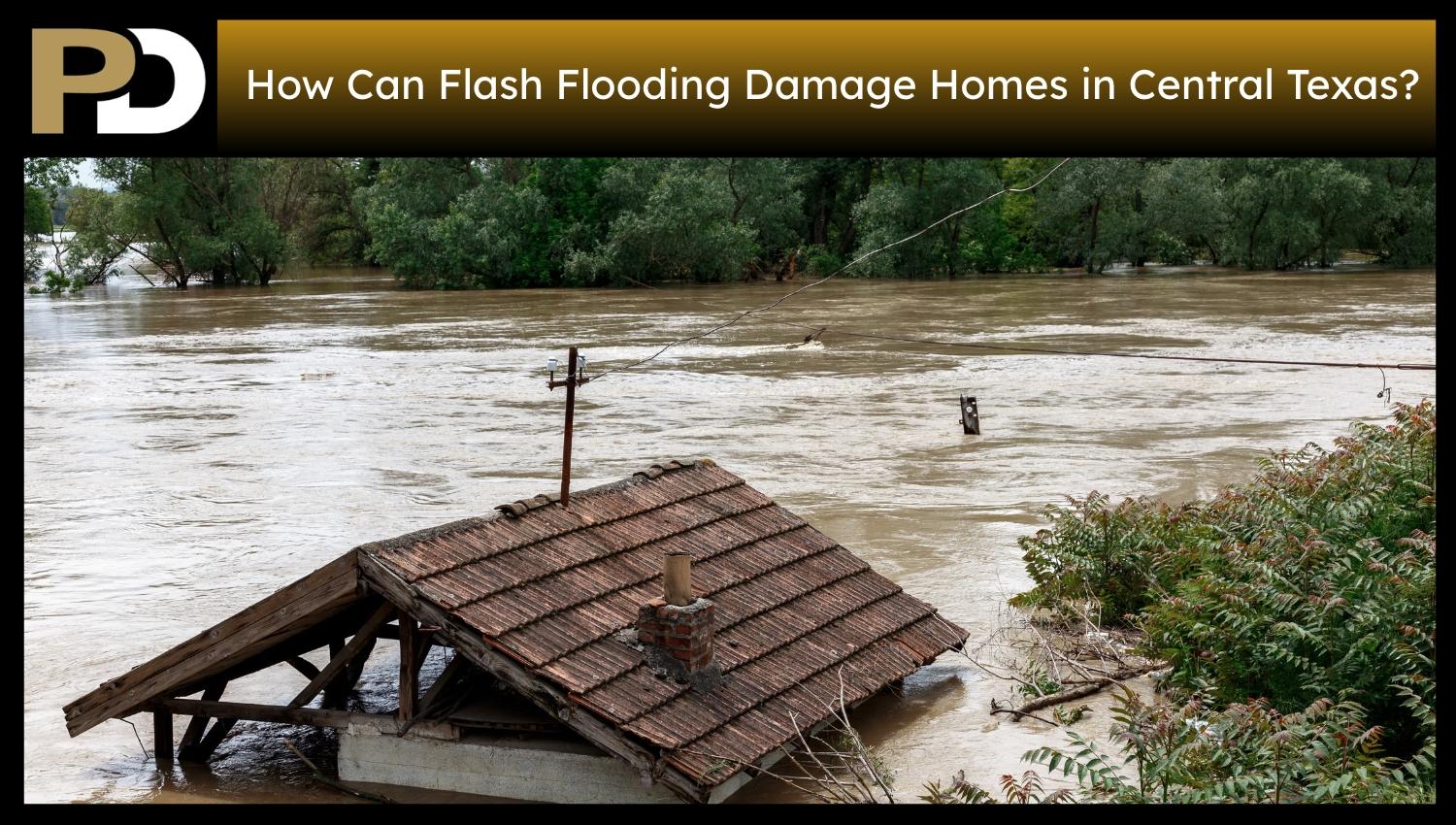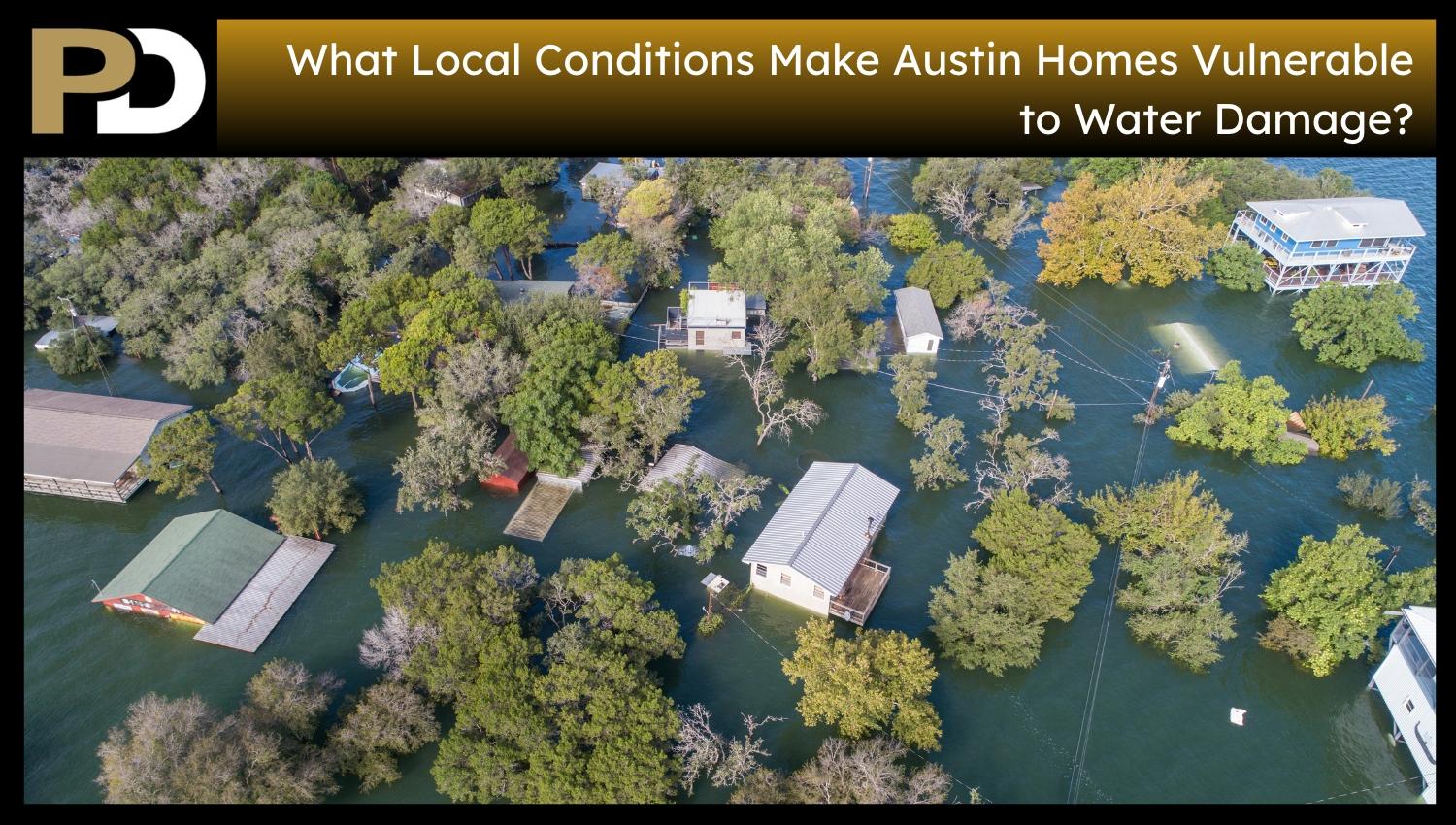
The best way to protect your home from structural water damage problems and interior restoration expenses is to implement a proactive roof maintenance program. Regular roof maintenance helps homeowners spot minor roof issues before they develop into active leaks. Severe weather events like heavy rain, high winds, hail, and falling debris seriously affect roofing systems, so inspect them immediately afterward. A proactive inspection before wet seasons helps identify vulnerable areas that need quick strengthening. Consider installing early warning signs in the upper ceilings as well, and collect useful maintenance information when documenting exterior visual conditions. Detailed photos of changes over time help homeowners accurately compare inspections of shingles, flashing, and sealants.
Which Roofing Materials Should Be Checked for Damage?
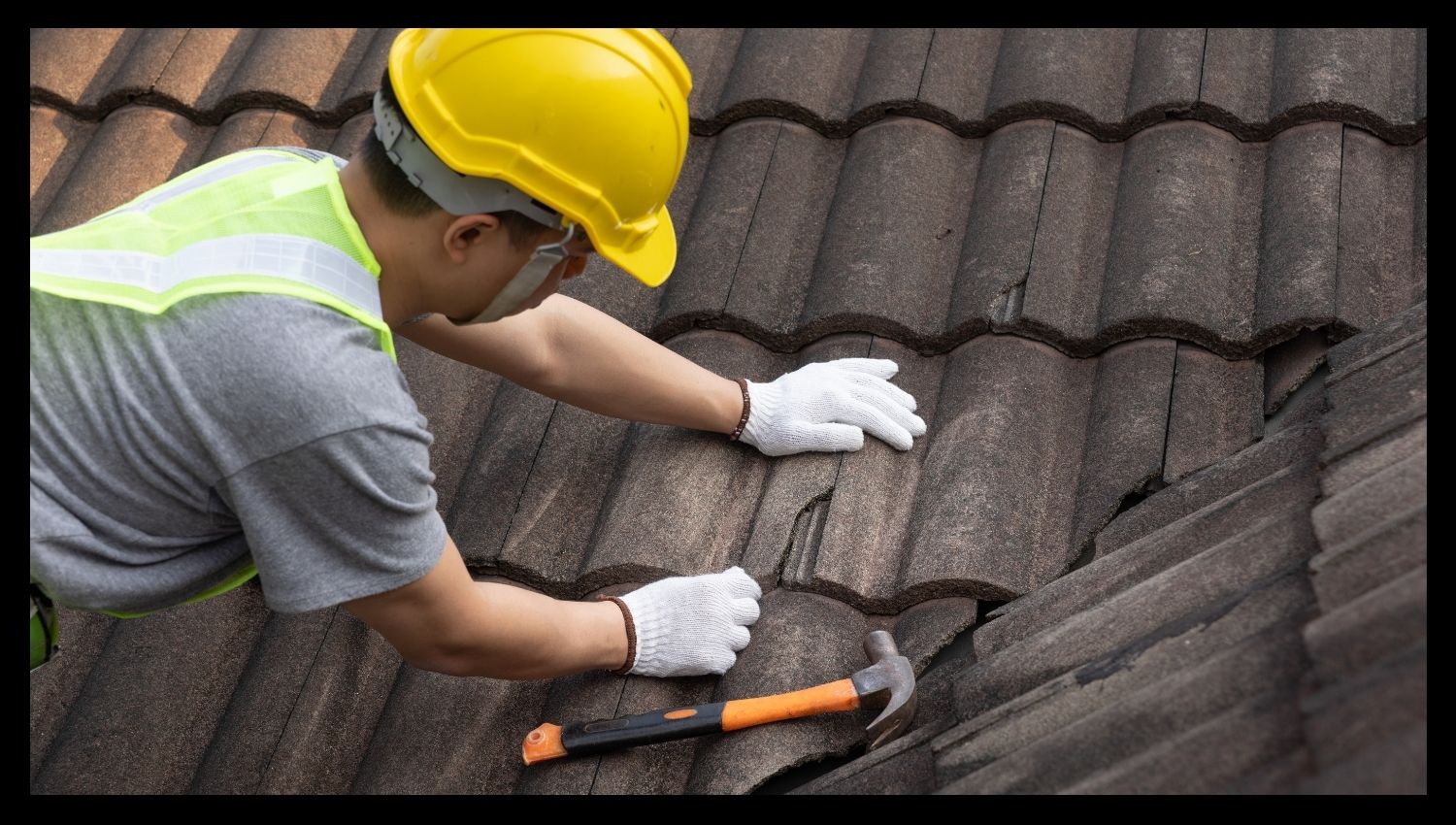
Closely review the roof surface for signs of rain infiltration through the roofing material and into the wooden roof decking. Replace any missing shingles as soon as possible, as the roof underneath the exposed area is completely vulnerable to rain. Water penetrates the outer layer and reaches the underlayment if you don’t address cracked or broken shingles quickly. Shingles that have curled or lifted at the roof edge can easily be blown off. Reattach loose tiles, shingles, or metal panels properly before water seeps under them. Excessive surface wear, such as significant granule loss, cracking, corrosion, or excessive material degradation, clearly indicates that the roofing materials are beginning to lose their protective qualities quickly.
Why Is Roof Flashing Maintenance Important?
Proper flashing prevents water from infiltrating vulnerable roof intersections and joints throughout your roofing system. Check the metal flashing around chimneys to ensure it is securely fastened and properly sealed to the rigid masonry. Roof-to-wall connections are a primary source of water entry and a key area to inspect for leaks that could allow rainwater into the home. During storms, roof valleys concentrate significant water runoff. They should be left completely intact and free of obstructions, or large quantities of water will appear inside. Over time, intense sunlight causes the rubber boots and seals on plumbing vents to crack or loosen, so plumbers and roofers should check them. Fix the loose flashing to prevent water from seeping into the intricate joints deep within a roofing system’s structure.
How Can Gutter Maintenance Protect the Roof From Water Damage?
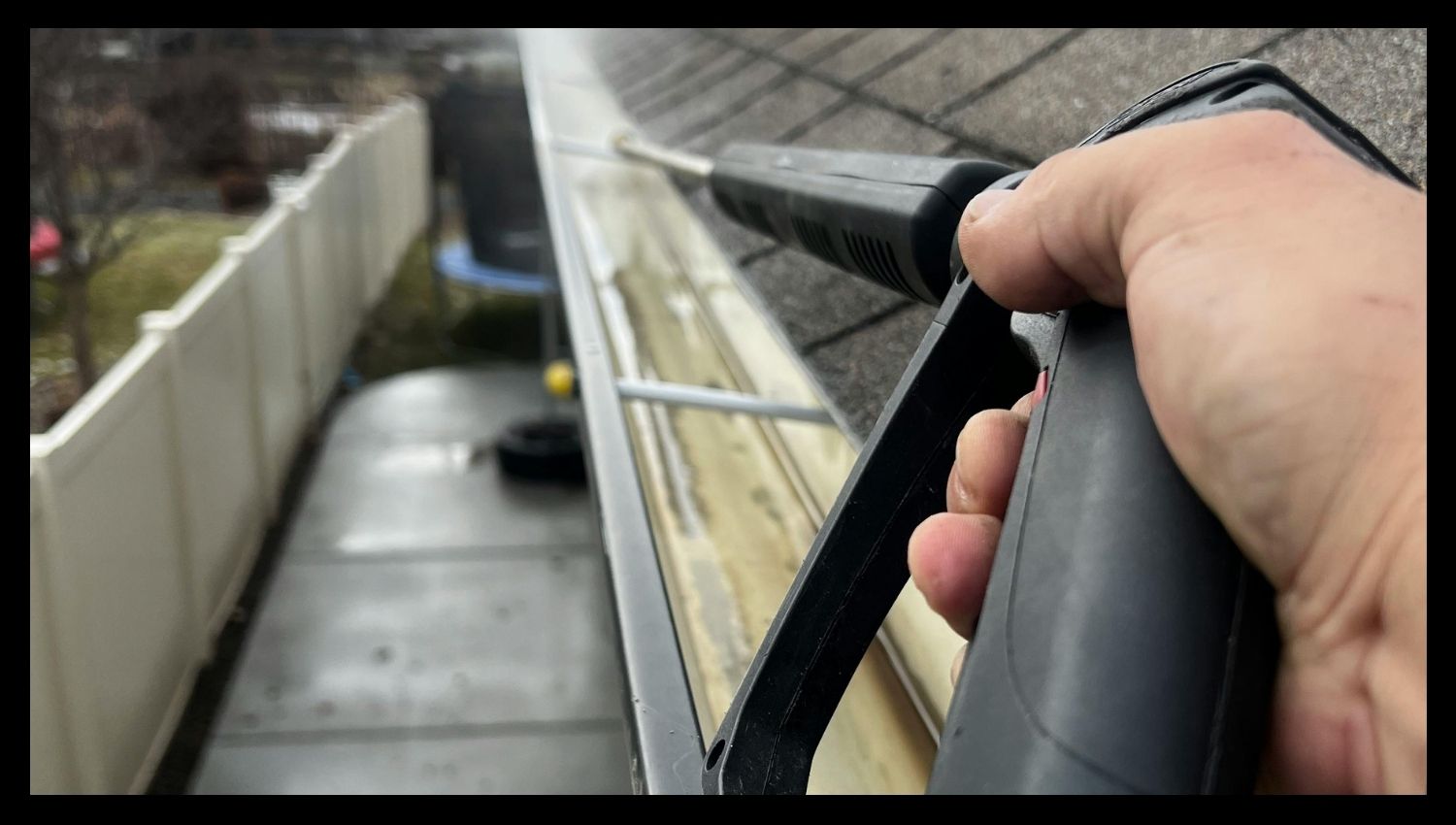
Gutter maintenance guides thousands of gallons of rainwater from your roof into the soil without the gutter depth and rainwater backing up under the thin shingles. Clean out leaves and organic material that accumulate in gutters regularly, or roof runoff won’t drain efficiently. Inspecting gutters for sagging reveals sections that have separated from the fascia board or aren’t sloped downward as they should be to drain water properly, which can collect dangerously. Fast-moving water shouldn’t get obstructed as it moves from the upper gutters to the lower gutters and onto the ground. Homeowners should inspect all guttering joints and metal connectors because loose seams or damaged connectors can cause water to dribble right against the roof edges.
How Should Roof Valleys Be Maintained?
Roof valleys are instrumental in transporting large amounts of concentrated rainwater down from the roof and must be cleaned carefully. These are critical valleys that cannot have debris, whether it be packed leaves, dropped branches,s or large amounts of organic material, as they greatly impede the drainage process that is so essential. Homeowners should inspect valleys for problems, as the shingles and flashing there are exposed to water more than other parts of the roof. Check for stuck debris, because it can force water up and under the roofing system’s local components, even if the debris doesn’t clog the drains. Checking the valley flashing ensures the underlying metal or waterproof membrane systems show no visible deterioration and remain intact.
Why Should Roof Penetrations Be Checked Regularly?
Any roof penetration disrupts the uninterrupted protection roofing materials provide and is highly susceptible to rainwater infiltration. Inspect plumbing vents carefully because the rubber boots and seals around them can crack, dry out, and split over time from weather exposure. Periodically inspect exhaust vents to ensure loose vent covers or broken mechanical seals do not allow rainwater to enter around the opening in the structure. Inspect the aluminum frame, step flashing, and rubber seals of skylights for early signs of weathering and material deterioration. Intact mortar joints, metal caps, and connections around roof penetrations on a masonry chimney must deflect heavy rains. Heavy equipment mounts or satellite dishes should never leave fastener holes open or damage the roofing around the connection points.
How Can Overhanging Trees Increase Roof Water-Damage Risk?
Overhanging trees are dangerous and compromise the watertight integrity of your entire roofing system. Heavy branches fall onto the house and easily break asphalt shingles, split clay tiles, bend metal flashing, or punch holes in wooden roof decking during large storms. Tree debris collects in large amounts in gutters, deep valleys, and low-slope areas, clogging the essential drainage channels as leaves fall from the trees. The roofing material stays moist under a large tree canopy, and some shaded roof surfaces retain moisture longer, even after the rain has stopped. Avoid direct branch contact because rubbing shingles in windy conditions causes premature surface wear. Homeowners should have trained tree professionals remove overhanging and dangerous branches, not go onto the roof to do the job.
What Roof Maintenance Mistakes Can Increase Water-Damage Risk?
Here are the 4 Roof Maintenance Mistakes That Can Increase Water-Damage Risk:
- Ignoring Small Roof Defects: Small roof defects, like a loose flashing or a cracked shingle, worsen as the weather swings back and forth and let a lot of water into the roof.
- Pressure-Washing Roofing Materials: Harsh high-pressure cleaners strip UV-protection granules from asphalt shingles and blast pressurized water under the waterproof underlayment, damaging it.
- Walking on Fragile Roofing: Delicate clay tiles, loose interlocking metal panels, and asphalt materials cause hidden structural leaks when walked on.
- Using Temporary Patches: Applying a roofing tar or spray sealant covers up the problem, but doesn’t address the structural vulnerabilities long-term.