Water damage isn’t just a home concern; it also creates unhealthy indoor environments over time. The level of water intrusion, contamination, drying time, and exposure to water greatly affect health-related risks. Mold and microbial growth flourish throughout a building when moisture is in excess. Damp materials affect indoor air quality, and standing or contaminated water harbors harmful microorganisms. Excess moisture causes these problems without visible surface symptoms, and the longer it remains, the more opportunity there is for environmental health issues.
How Does Contaminated Water Increase Health Risks?
Here are the 5 ways contaminated water increases health risks:
- Sewage Backups: Sewage-contaminated water contains harmful microorganisms, viruses, and other serious biological pollutants that affect health.
- Floodwater: Outdoor floodwater brings dirt, agricultural chemicals, animal waste, and biological pollutants onto the property.
- Toilet Overflows: Toilet overflows can cause contamination and health hazards and contain hazardous microorganisms.
- Greywater Leaks: Water from washing machines, toilets, or other plumbing systems contains soap residue, food debris, and other contaminants that need proper cleanup.
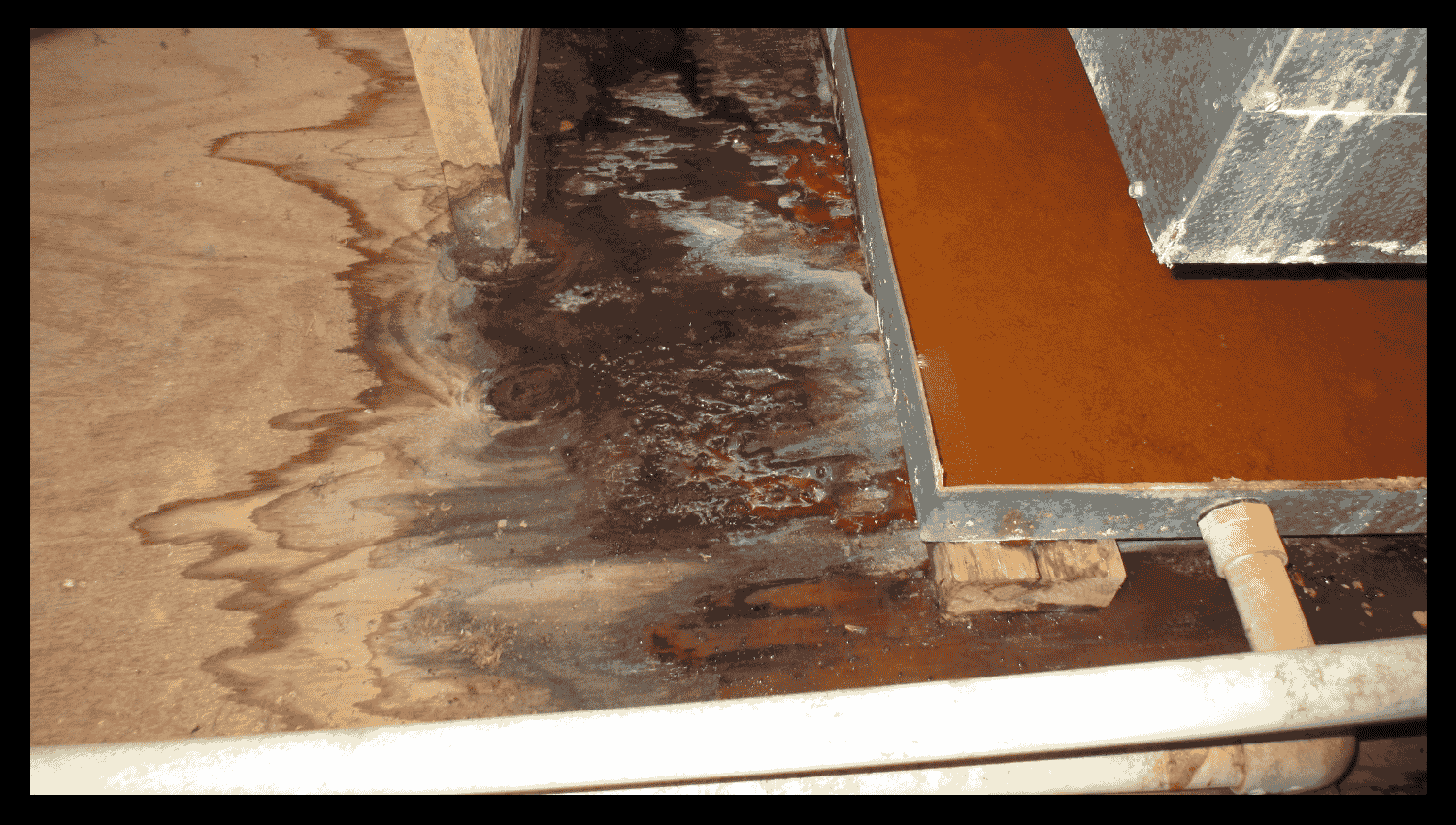
- Clean Water Intrusion: Relatively clean supply-line water can become contaminated quickly if it sits stagnant or contacts dirty materials.
How Can Mold Develop After Water Damage?
Mold grows rapidly on damp materials left moist for long periods, and spores thrive in damp conditions. Porous building materials, such as wet drywall and insulation, hold moisture deeply and actively cause mold to grow quickly. Dampness in wall cavities goes undetected, and fungal growth can occur completely out of sight. Moist carpet, rough padding, and wood subfloors are also ideal environments for microbial growth. Insufficient ventilation keeps humidity high and slows drying, which leads to further mold growth.
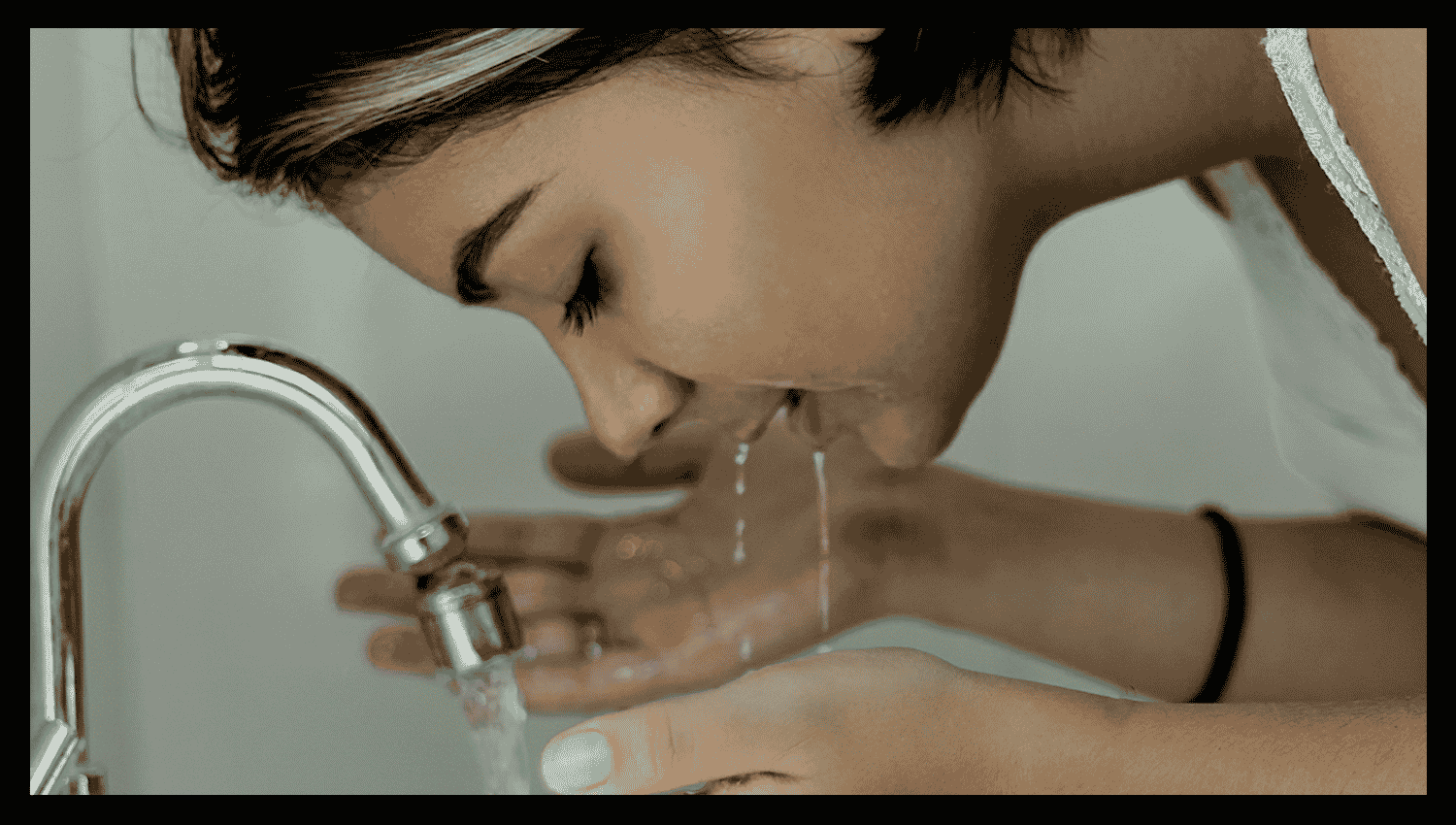
What Health-Related Warning Signs May Appear After Water Damage?
Here are the 5 Health-Related Warning Signs That Appear After Water Damage:
- Increased Allergy or Irritation Symptoms: Moisture or mold can cause or worsen allergies or sensitivities in some individuals.
- Eye, Nose, or Throat Irritation: The eyes, nose, or throat are directly irritated by poor indoor conditions and airborne particles of dirty water.
- Coughing or Breathing Discomfort: Moisture can aggravate asthma and other respiratory conditions (cough) in susceptible individuals.
- Skin Irritation: Skin rashes or irritation are possible if contaminated water comes into direct contact with the skin or if you handle contaminated damp, moldy materials.
- Persistent Musty Odors: Earthy odors that linger in the home indicate ongoing moisture or microbial activity.
How Does Hidden Moisture Affect Indoor Air Quality?
Excess humidity from wet building materials significantly reduces indoor air quality. A noticeable and unpleasant odor indicates an unstopped moisture source behind walls or under floors. Damp materials that are disturbed or deteriorate release airborne particles and mold spores that travel throughout the household. Poor ventilation reduces air exchange, so moisture stays inside longer. An unresolved leak or recurring dampness becomes a constant problem that creates a negative indoor environment and affects the air you breathe.
Who May Be More Sensitive to Damp or Mold-Affected Environments?
People with pre-existing allergies or sensitivities are more sensitive to indoor changes caused by water damage. Asthmatics and people with underlying respiratory diseases are more sensitive to poor indoor air quality and airborne mold spores. Children and older adults are at higher risk of developing infections and need extra attention and care during a large cleanup. The person with severe and serious health symptoms should seek proper health care advice and not only property remediation to treat their health problems.
How Can Homeowners Reduce Health Risks After Water Damage?
Here are 6 ways homeowners can reduce health risks after water damage:
- Stop the Water Source: Don’t start any clean-up until you stop the leak or water intrusion.
- Remove Standing Water: Extract moisture to prevent continued absorption into building materials and structural framing.
- Increase Safe Air Circulation: Use proper ventilation and drying equipment (Industrial Air Movers) to improve safe air circulation.
- Remove Unsalvageable Materials: Discard Unsalvageable Materials such as Soaked carpets, ruined drywall, and other severely damaged porous materials, and dispose of them safely.
- Away From Contaminated Areas: Minimize unnecessary physical contact with the contaminated area by keeping families and pets out of the cleanup area.
- Address Hidden Moisture: Look for moisture in walls, on floors, inside insulation, and other places you can’t see, not just where it looks dry on the outside.
How Can Professional Water Damage Restoration Improve Indoor Conditions?
Here are the 6 ways professional water damage restoration can improve indoor conditions:
- Moisture Assessment: Professionals use advanced tools (thermal imaging cameras, pinless and pin-type moisture meters) to identify affected areas and accurately locate hidden moisture.
- Water Extraction: Powerful pumps and vacuums rapidly remove standing water to prevent further saturation.
- Structural Drying: Commercial-grade drying equipment (industrial air movers, commercial dehumidifiers) speeds up drying of moisture entrained in affected building materials.
- Contamination Assessment: The type and amount of water contamination determines the appropriate safety and clean-up actions.
- Damaged Material Removal: Professionals remove materials that are not safe for sanitary and restoration procedures and dispose of them.
- Moisture Verification: Final tests verify areas have reached an appropriate level of dryness before reconstruction.