A burst water pipe causes structural damage, and floodwater ruins interior walls and floors, making emergency water restoration expensive. The key to preparation is insulating vulnerable plumbing lines, sealing cold-air drafts, and ensuring proper indoor heating throughout winter. Homeowners stay vigilant, watching areas where ice forms with a digital hygrometer and an indoor thermometer to track dangerous temperature swings before ice forms. Knowing which pipes are most vulnerable helps you focus preventive measures efficiently and effectively, without wasting time.
Which Pipes Are Most Vulnerable to Freezing?
Here are the 6 Pipes Most Vulnerable to Freezing:
- Exterior Wall Pipes: Outside wall pipes are exposed to much colder temperatures than pipes routed toward the center of the heated home.
- Pipes in Garages: Plumbing in garages that isn’t insulated or heated is exposed to freezing temperatures during winter storms.
- Attic Plumbing: Pipes that run through unconditioned attic spaces need much more protection during extreme winter weather than during normal winter weather.
- Crawl Space Pipes: Uninsulated plumbing under a house freezes very quickly when the outdoor temperatures drop below zero at night.
- Outdoor Faucets: Plumbing on the exterior of the house is exposed and not protected from freezing and harsh winter weather.
- Pipes Near Unsealed Openings: Cold air enters through gaps near doors, windows, vents, or wall penetrations, increasing the risk of freezing.
How Should You Prepare Plumbing Before Freezing Weather Arrives?
Homeowners should inspect all exposed plumbing in areas such as garages, attics, crawl spaces, utility rooms, and outside areas to ensure it’s properly prepared before freezing temperatures arrive. Install thick pipe insulation on exposed plumbing in areas of the residential building that face colder spaces outside the conditioned space. Homeowners should seal openings around any holes in the house where frozen air hits water pipes directly from the outside. Watch for small leaks, damaged fittings, or deterioration in any plumbing component to prevent the entire system from failing when temperatures drop suddenly overnight. All family members should know where the water shut-off valve is and keep it easily accessible in an emergency.
How Can Pipe Insulation Help Prevent Freezing?
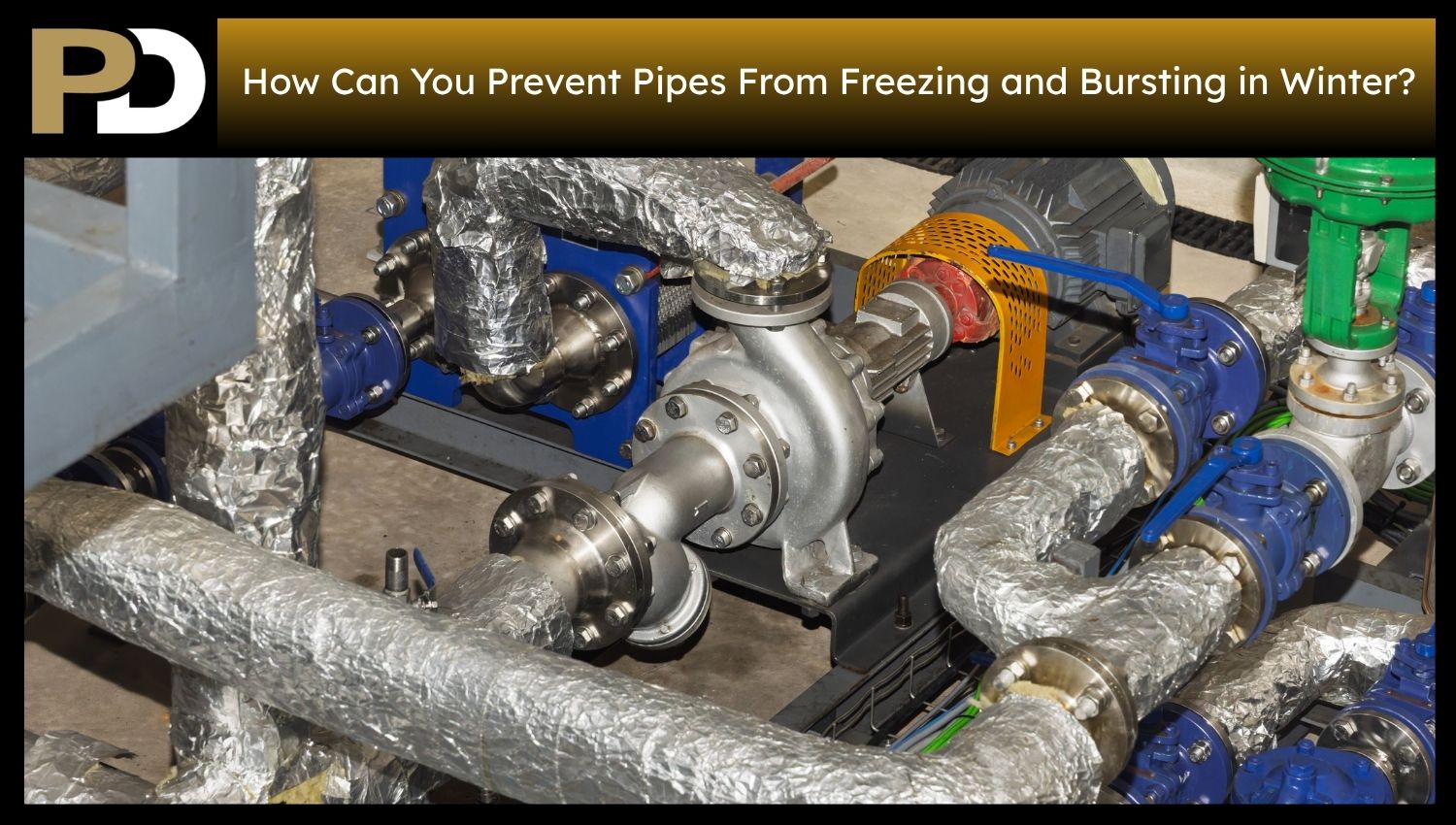
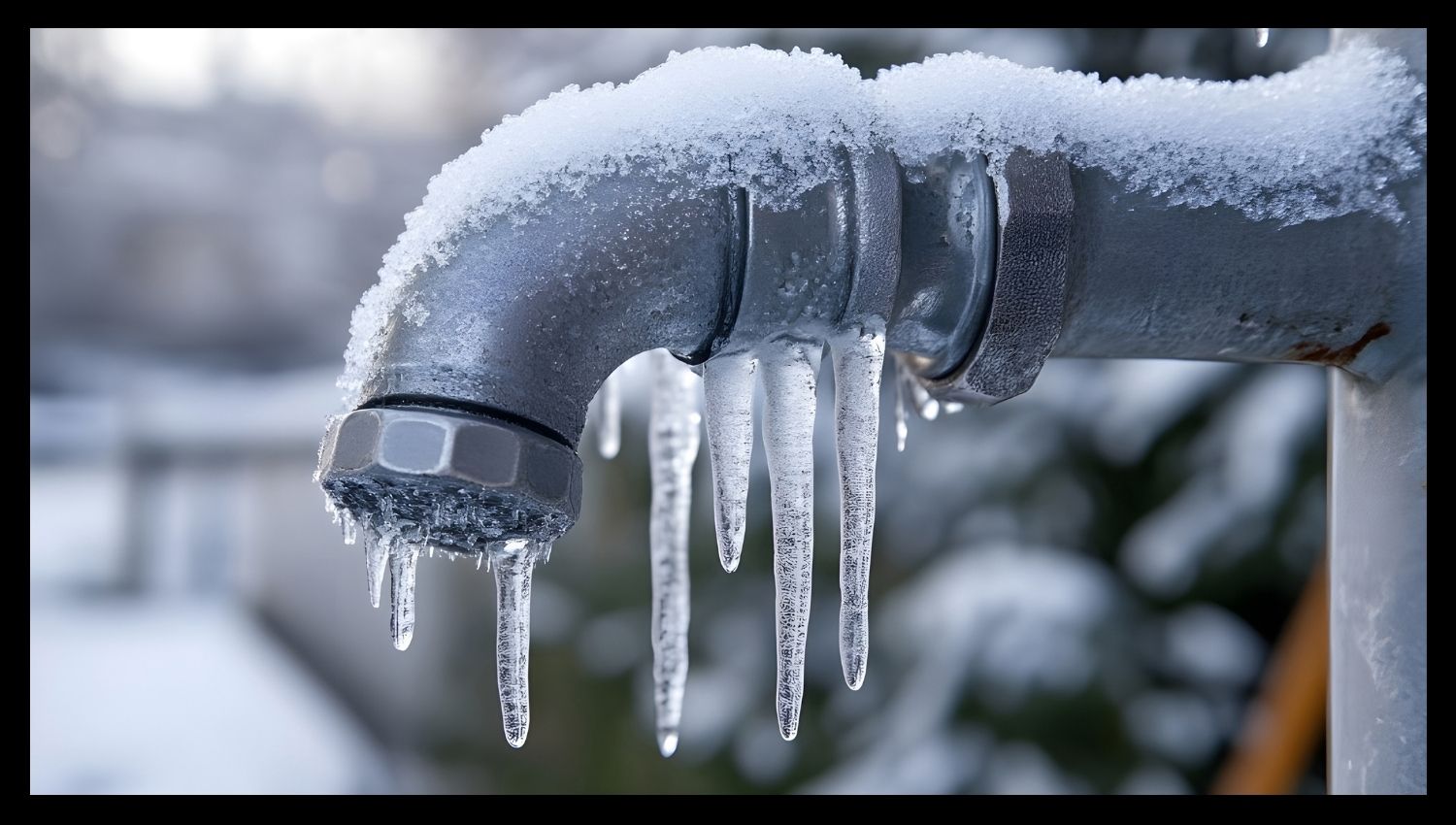
Pipe insulation is an important physical barrier to heat transfer from water pipes to the cooler winter air. Thick foam sleeves effectively protect exposed plumbing in garages, attics, crawl spaces, utility rooms, and other unconditioned spaces. Cover every component, including elbows, special fittings, and exposed connections. Replace or repair old, damaged, loose, or missing insulation before the first hard winter frost in your area. Insulation works best when paired with proper indoor heating and complete protection from freezing exterior air seeping through gaps. This protective barrier gives your plumbing the strength and endurance to withstand the coldest night of the year without damaging the pipes.
What Indoor Temperature Helps Protect Pipes During Winter?
During severe winter storms when outside temperatures plummet, garages, utility rooms, and areas with plumbing outside the main structure need extra heating attention. Opening interior doors lets heated air flow freely from one room to another, providing a more consistent temperature around interior plumbing fixtures. Warmer room air flows directly over plumbing near exposed walls and drafty windows. Exposed plumbing gets much colder than usual and contributes to surprise pipe bursts in the morning if you lower thermostats too much at night. Mild, moderate, and steady temperatures are your best protection against ice buildup during extreme winter storms and subzero temperatures.
Should You Let Faucets Drip During Freezing Weather?
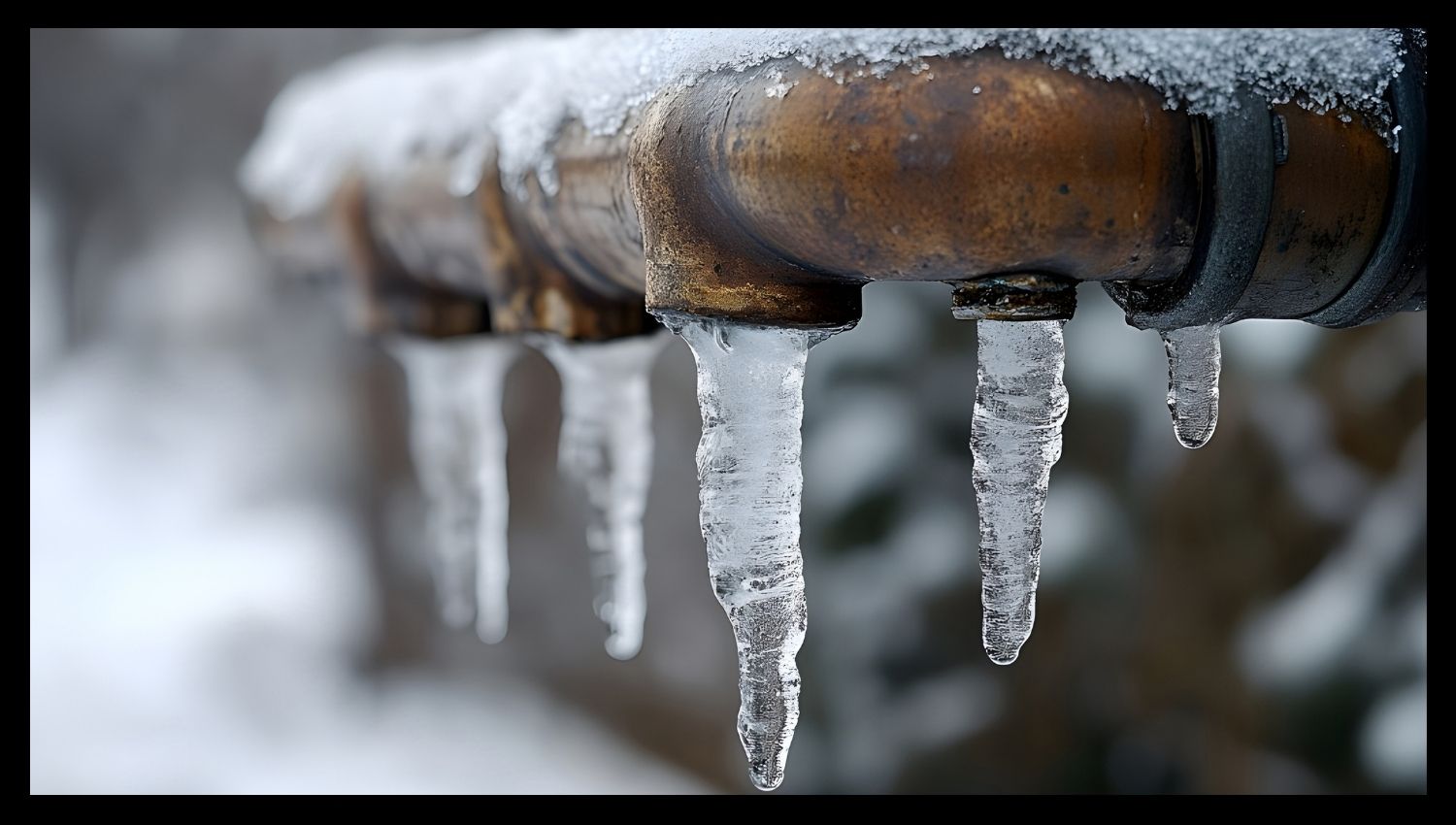
The trick to dealing with extreme freezing is to keep a small trickle of water running through vulnerable plumbing, which relieves pressure and helps the system function. Focus on faucets on pipes that run through cold areas of a home or building. Homeowners should know both hot and cold lines, as either can freeze depending on plumbing placement and exposure. Dripping faucets should not be seen as a substitute for good winterization practices, such as insulation, heating, sealing cold air gaps, and regular seasonal plumbing maintenance. Always follow utility recommendations for usage, since water usage guidelines vary by geographic area and water provider during severe freezing.
How Can You Protect Pipes During a Power Outage or Heating Failure?
Act immediately to protect your plumbing from freezing, and close exterior doors and windows to keep as much heat in the home as possible when a winter storm hits and temperatures drop suddenly. Focus on exterior-wall pipes, unheated garages, drafty attics, and other areas where temperatures drop fastest during a power outage. Plumbing can freeze and cause massive property damage if the power goes out for an extended period, but if you know where to shut off the water, you won’t have to worry. Plumbers recommend draining the most vulnerable sections of a house’s plumbing system when you don’t have usable heat. Never use open flames or makeshift, unvented heating devices near the plumbing because they are a serious fire and life hazard.
How Should You Protect Plumbing When Leaving Home During Winter?
Take extra precautions when traveling to keep your home safe while you are on vacation or a business trip during winter. Don’t turn off the heat completely to save money; instead, keep it on enough to prevent the plumbing system from freezing and getting damaged. Review the longer-range weather forecast to decide whether you should take extra measures to protect your property from extended freezing temperatures before leaving. Turning off the main water supply adds an extra layer of security for extended periods away when feasible with your home’s main heating system. Seasonal or unoccupied homes require more meticulous winterization of the plumbing system, which involves having a professional drain the system entirely to remove any water from the pipes. Make sure someone is there to spot any problems if temperatures are below freezing for an extended period.
What Should You Do If You Think a Pipe Has Frozen but Has Not Burst?
As soon as a pipe freezes, take the right steps to thaw it safely before pressure blows it apart. Turn off the main water supply immediately to prevent a lot of water from leaking out if the pipe starts to leak. The only way water and internal pressure escape without the faucet bursting is if you keep it open. Gently but thoroughly heat the frozen areas you can access with a mild heat source, such as an electric heating pad or a hair dryer. Avoid blowtorches and open flames, as they pose a serious fire risk and damage plumbing materials, worsening the emergency. Seek professional help immediately, or expensive and devastating damage to the property may result if pipes freeze behind drywall, ceilings, or other hidden areas.