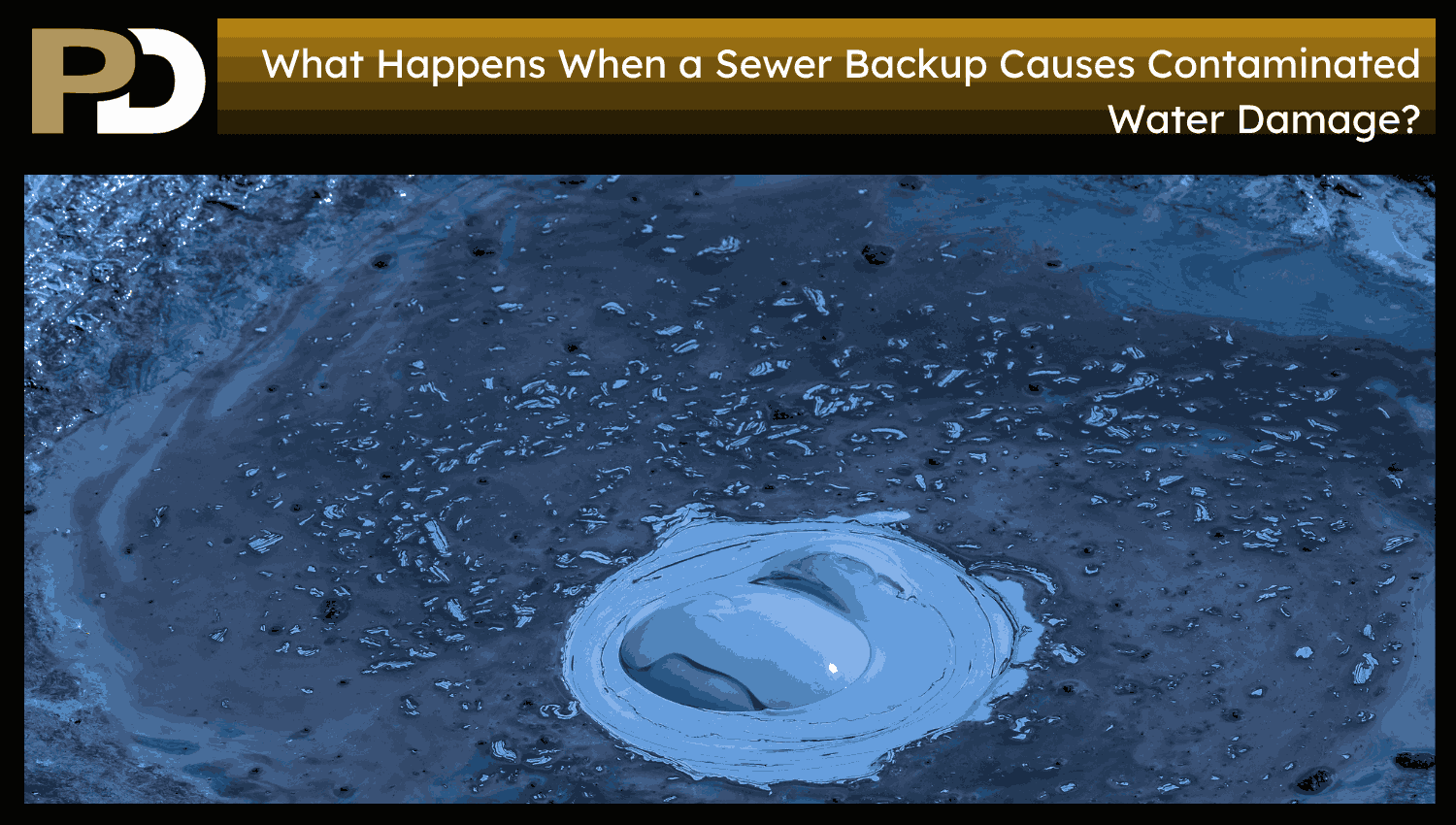
A sewer backup is one of the most serious forms of water damage because it involves contaminated water. Wastewater backs into a building from a sewer system via toilets, floor drains, sinks, or showers and quickly flows over floors and into building materials. Water backed up from the sewer contains organic matter, chemical contaminants, bacteria, and viruses. These things cause property damage and sanitation problems that aren’t found with clean water leaks. The damage depends on the type of backup, how long the wastewater has been there, and the materials it has affected.
Wastewater seeps into porous materials such as drywall, wood, insulation, carpeting, and upholstered furniture. Moisture spreads beneath flooring and into wall cavities, contaminating areas beyond the visibly affected areas.
What Causes Sewer Backups?
Here are the 4 Causes of Sewer Backups:
- Main Sewer Line Blockages: Over time, waste, debris, paper products, food waste, and grease clog the main sewer line. Sewage flows back up into the property’s plumbing system when the wastewater flow is blocked. The main sewer line becomes blocked, causing backups in multiple drains and toilets by preventing the property’s primary sewage discharge.
- Tree Root Intrusion: Tree roots naturally enter underground sewer pipes through small cracks or joints and migrate to where water is present. As the roots grow, they block wastewater from flowing through the pipes, increasing the risk of the sewer backing up. Roots grow over time and split or dislodge pipe joints, increasing the likelihood of frequent backups.
- Municipal Sewer Overload: Heavy rain and flooding overload the sewer system. The overloaded public sewer system causes wastewater to back up into residential and commercial structures connected to it. Older buildings or those in low-lying areas are at more risk during a large storm.
- Damaged Sewer Pipes: Worn, broken, corroded, or misaligned sewer pipes prevent wastewater from flowing properly. Older sewer systems are susceptible to this type of sewer failure. Pipe deterioration is caused by ground movement, aging materials, and previous repairs.
What Are the Early Warning Signs of a Sewer Backup?
Here are the 5 Early Warning Signs of a Sewer Backup:
- Multiple Slow or Clogged Drains: Multiple sinks, showers, or toilets have slow drains, causing a problem with the main sewer line rather than with individual drains. This is a sign that there is an issue with the property’s entire drainage system.
- Gurgling Toilets and Drains: Toilets or drains that gurgle mean there’s trapped air and poor wastewater flow in the sewer system. These sounds increase when toilets are flushed or sinks are emptied.
- Sewage Odors Indoors: The unpleasant odors in the building indicate that the sewer pipes or drains are already backed up with wastewater, just waiting to enter the home. Bad smells are frequently found in bathrooms, basements, utility areas, and around floor drains.
- Water Backing Up Into Fixtures: A common indicator of a sewer backup is water or wastewater in the toilet, bathtub, shower, or sink after using another fixture. This is because the wastewater is unable to flow through the clogged sewer line as it should.
- Standing Water Near Floor Drains: Pooling around basement or utility room floor drains when it’s not supposed to is a sign of wastewater backing up through the drainage system. Water accumulates before it becomes more extensive flooding.
Which Areas of a Property Are Most Vulnerable to Sewer Backup Damage?
Basements are the first areas affected by sewer since they have the lowest plumbing fixtures on the property. Bathrooms are also a very vulnerable area, with toilets, showers, tubs, and sinks being where backed-up water enters. Flooding occurs in laundry rooms via utility sinks and floor drains. Wastewater flows to the lowest areas of a building, resulting in substantial damage to lower-level living areas. Sewer backup affects the restrooms, utility areas, kitchens, and ground-floor service areas of commercial properties.
The contaminated water seeps into flooring, drywall, insulation, cabinetry, and structural materials. Moisture is also lost from the initial backup location to other areas, such as wall cavities and beneath finished floors.
What Makes Sewer Backup Water More Hazardous Than Other Types of Water Damage?
Water from sewer backups is far more dangerous than clean water leaks because it harbors dangerous bacteria, viruses, parasites, and other microorganisms. It also transports human waste, decaying organic material, and other biological contaminants, which are disseminated across the site. Household chemicals, detergents, oils, and industrial contaminants are also included in the wastewater.
Contaminated water seeps onto floors and into porous materials and is easily spread to drywall, insulation, wood, carpet, furniture, and other personal belongings. Damage must go deeper than the surface, as contaminants easily seep into absorbent materials.
How Can Sewer Backups Impact Indoor Environments?
Sewer Backup greatly impacts indoor environmental conditions. Standing water or wet building materials contribute to moisture in the building environment and create sewage odors that persist long after the water has been cleaned up. Moisture inside floors, walls, and insulation causes problems when it is contaminated, lowers the overall quality of indoor air, and makes living or working in the space not very pleasant.
Organic waste and prolonged dampness allow the bacteria to grow and other microbes to be active. Indoor environmental issues persist if contaminated materials are not removed. More moisture may further delay drying in the area and cause ongoing moisture issues throughout the property.
How Can Sewer Backup Damage Affect Property Value?
Repeated sewer backups reduce real estate values and marketability. It erodes buyers’ confidence during inspections if there is any visible contamination, damage to the flooring, stains on the wall, or deterioration of finishes. The sewer, which previously backed up, also raises concerns about the reliability of the plumbing and drainage system at the property.
Appraisers and potential purchasers are inclined to consider the property to have increased future maintenance costs if moisture damage has affected structural materials or extensive moisture-damage restoration is required. Inspection reports are also used to document prior sewer backup damage, which affects negotiations and insurance. This practice leads to lower resale value, making the property less desirable in the real estate market, whether residential or commercial.