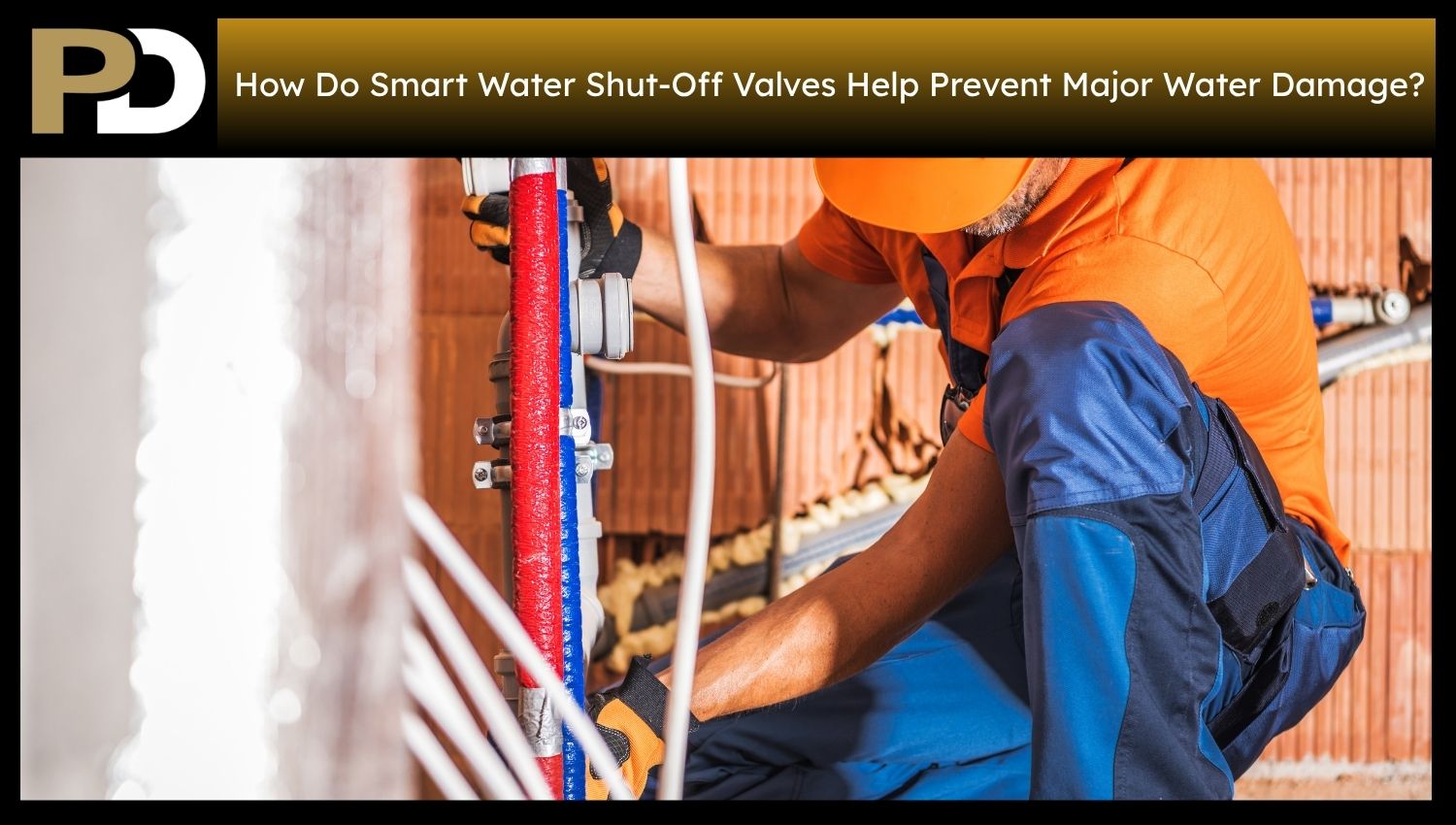
Smart water shut-off valves safeguard property by constantly monitoring unusual water activity in the main plumbing line. The system monitors and records water flow and pressure, adapting to normal home water use. It senses unusual flow that indicates a serious leak, and the motorized valve shuts off the main water supply. This action helps minimize water entering the home and limit damage from burst pipes, appliance leaks, and broken supply lines. Smart systems also alert a connected cell phone, providing quick notice of a water issue if the homeowner is away.
What Is a Smart Water Shut-Off Valve?
A smart water shut-off valve is an electronic plumbing valve mounted on the water supply line entering the home. Its primary function is to monitor water activity and manage the water flow in the home. Water flow and pressure sensors monitor water use, and connected software analyzes normal household water use. The system detects a serious leak and shuts off the main valve, preventing more water from entering the plumbing system. A connected mobile app also provides homeowners with water-use data and lets them turn off the water remotely.
How Does a Smart Water Shut-Off Valve Detect a Possible Leak?
The smart water shut-off valve monitors water flow, run time, pressure changes, and household water usage to detect potential leaks. Water running longer than usual may indicate a leak in a fixture, appliance, or pipe. A rapid rise in the water bill can also indicate a major plumbing problem. Some systems automatically test for leaks, small pressure changes, and slow leaks. The software then compares water usage with a user’s normal home use before alerting or shutting off the water.
How Does Automatic Shutoff Limit Water Damage?
One of the most effective ways to prevent water damage is to shut off the water at the main shutoff point, and automatic shutoff does just that. The motorized valve closes to prevent more water from entering the plumbing system if it detects a serious leak. This response restricts the amount of water flowing from a pipe failure, appliance hose failure, or failed fixture connection. An automatic shutoff is useful when the home is unoccupied, since you don’t need to be there to shut off the manual valve. Less water coming in also means less water to the floors, walls, ceilings, cabinets, and building materials.
What Types of Plumbing Leaks Can a Smart Shut-Off Valve Help With?
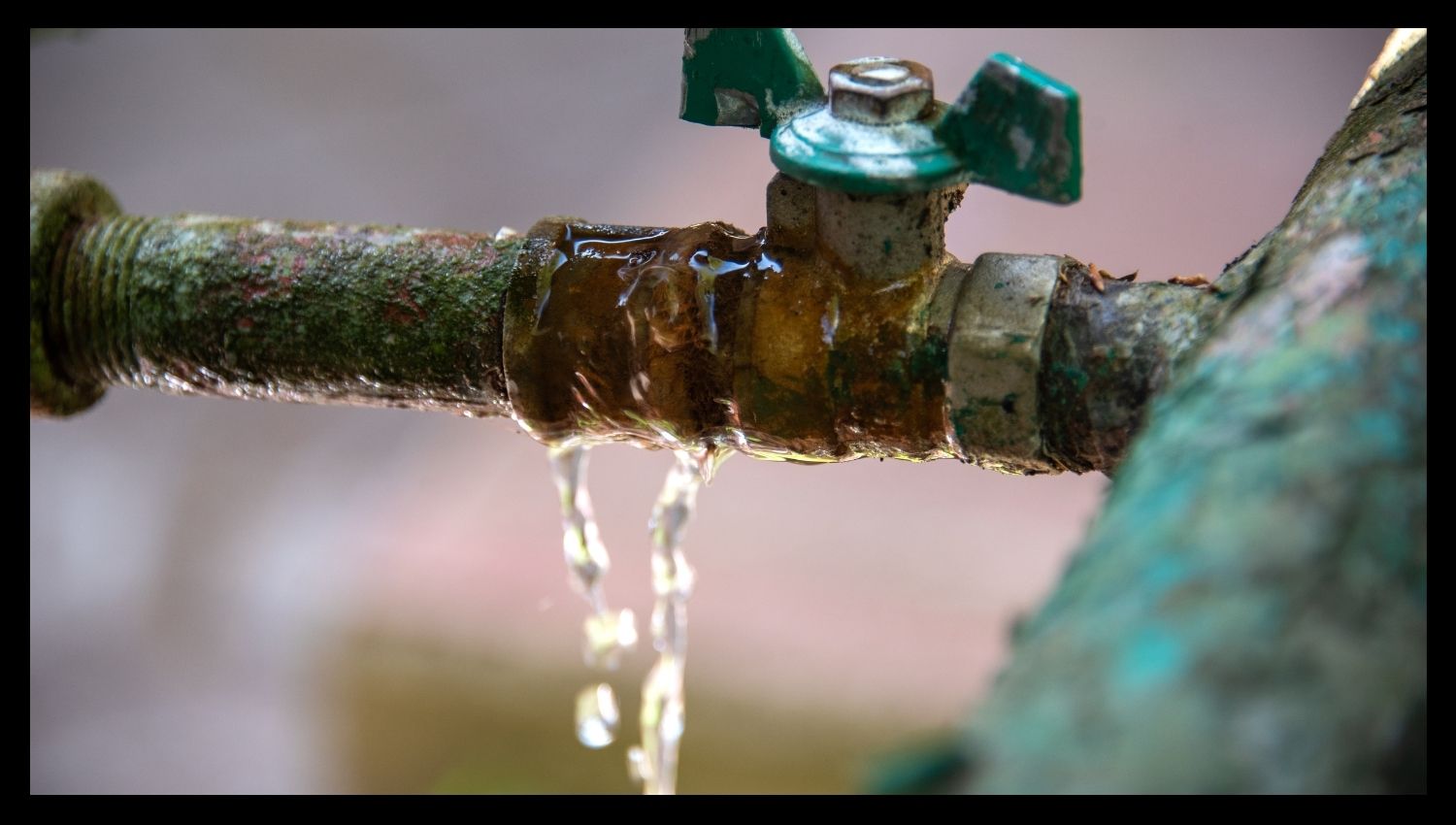
Here are 6 Types of Plumbing Leaks a Smart Shut-Off Valve Helps With:
- Burst Supply Pipes: A burst supply pipe causes a sudden, constant flow of water. The smart valve senses the activity and shuts off the main water supply to prevent any additional water from flowing out.
- Washing Machine Supply-Line Failures: A broken washing machine hose can cause a large amount of pressurized water to pour out. The automatic shutoff prevents more water from flowing and helps keep the laundry area from flooding.
- Refrigerator Water-Line Leaks: The water lines that feed water into ice makers and water dispensers are the refrigerator water lines. No more water flows to the damaged refrigerator line when the main valve is closed.
- Dishwasher Supply Leaks: These supply lines are under pressure and move water under the kitchen counter. The main valve shuts off the water supply if a connection fails.
- Water Heater Supply-Line Problems: Water heater supply connections are the lines that provide the pressurized water to the water heater. A fitting or supply pipe failure can cause continuous water flow, and an automatic shutoff restricts further inflow.
- Fixture Supply-Line Leaks: Toilets, sinks, and other fixtures have pressurized supply lines. The smart valve shuts off the main water line and restricts water flow if a water supply line fails.
What Types of Water Damage Can a Smart Shut-Off Valve Not Prevent?
Here are the 6 Types of Water Damage a Smart Shut-Off Valve Cannot Prevent:
- Roof Leaks: Rainwater that gets in through the roof doesn’t go down the home’s plumbing system. Rainwater won’t be prevented from getting onto your property by closing the main water shut-off.
- Exterior Flooding: Stormwater or floodwater comes into the property through water lines outside the domestic water system. A plumbing shut-off valve does not control external floodwater.
- Groundwater Intrusion: Foundation cracks and basement walls allow groundwater into the building. This moisture is not from a home’s pressurized plumbing system.
- Drain or Sewer Backups: Sewer and drain backups happen when wastewater backs up in drainage pipes. Shutting off the water won’t prevent sewage from backing up into the house.
- Water Already Released: A smart valve prevents water intake, but it does not remove water that has already flowed out. You must pump out surface water and other sources and dry the area properly.
- Stored Appliance Water: Appliances and plumbing can hold water after the main water shutoff. This stored water keeps draining until the damaged part is empty.
Why Is Automatic Shutoff Different From a Standard Leak Sensor?
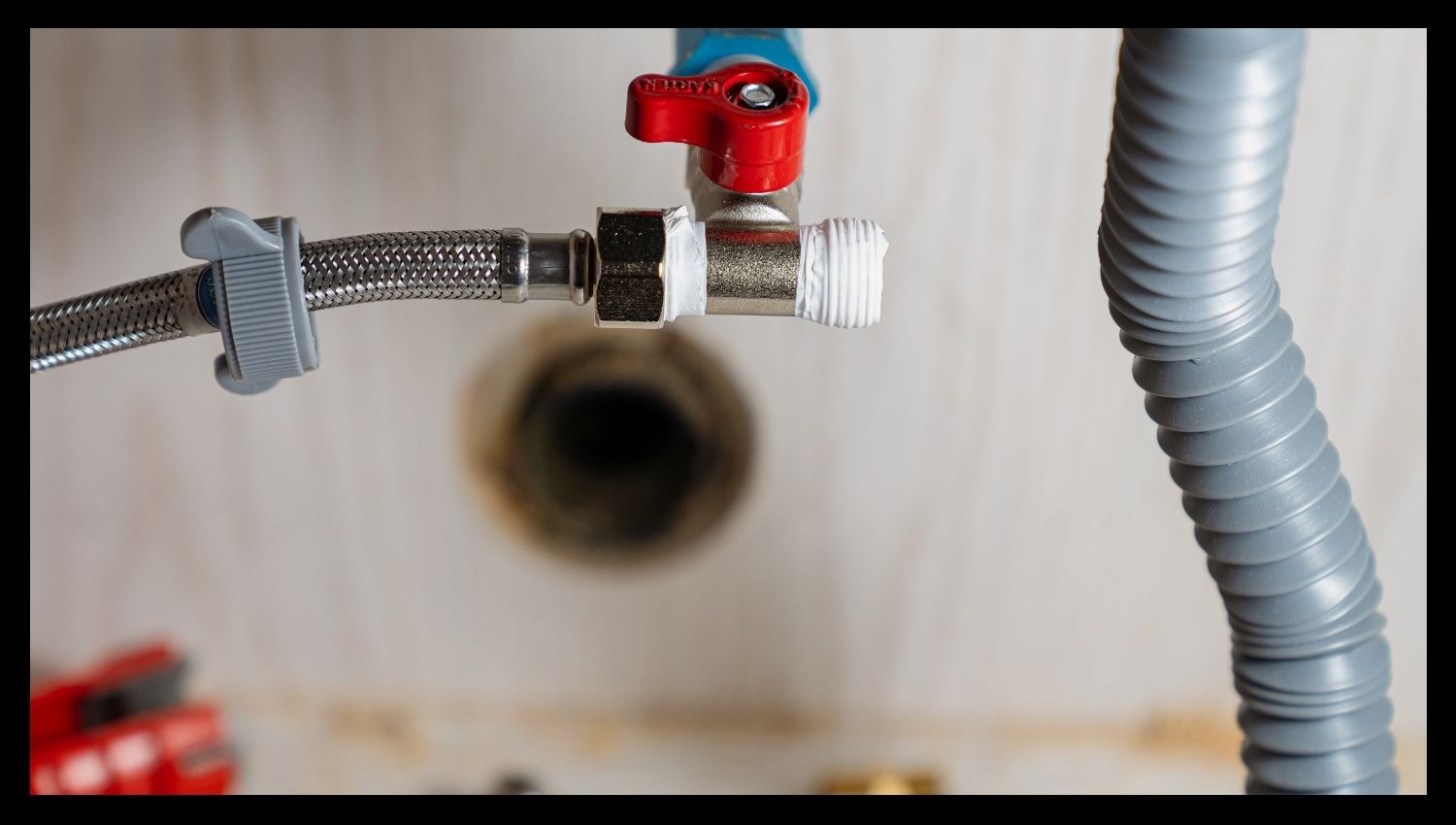
The main difference is that a leak sensor detects water, while a smart shut-off valve detects any abnormal water activity and controls the main water supply. Water reaches the sensor and triggers an alert with a standard leak sensor, and someone must investigate the issue and turn off the water. A smart shut-off valve automatically shuts off the main water line when it detects a leak that meets a set criterion. This is a great feature if no one is home. Both technologies also complement each other as individual sensors monitor specific areas, while the main valve controls the home’s incoming water flow.
When Is a Smart Water Shut-Off Valve Most Valuable?
A smart water shut-off valve offers strong protection in many scenarios, including vacations, overnight, workdays, and unoccupied properties. Unattended leaks can drip for hours if no one is on hand to shut off the manual valve. These leaks shut off automatically when they meet the criteria, so a homeowner doesn’t need to be around. Older plumbing systems also benefit from continuous monitoring as they need more attention due to their age. Multiple water-related appliances add a layer of protection, as higher-pressure connections create more opportunities for leaks.
Can Smart Shut-Off Valves Cause False Shutoffs?
Smart shut-off valves recognize abnormal activity based on normal water flow in the home. Long showers, heavy irrigation, or filling large containers are examples of high-water activities that look different from normal consumption. Incorrect settings trigger nuisance alerts or valve closures during legitimate water use. Homeowners must adjust detection settings based on the home’s normal activities. Learning periods also help the system learn what normal water use looks like before it relies heavily on that data to detect leaks.