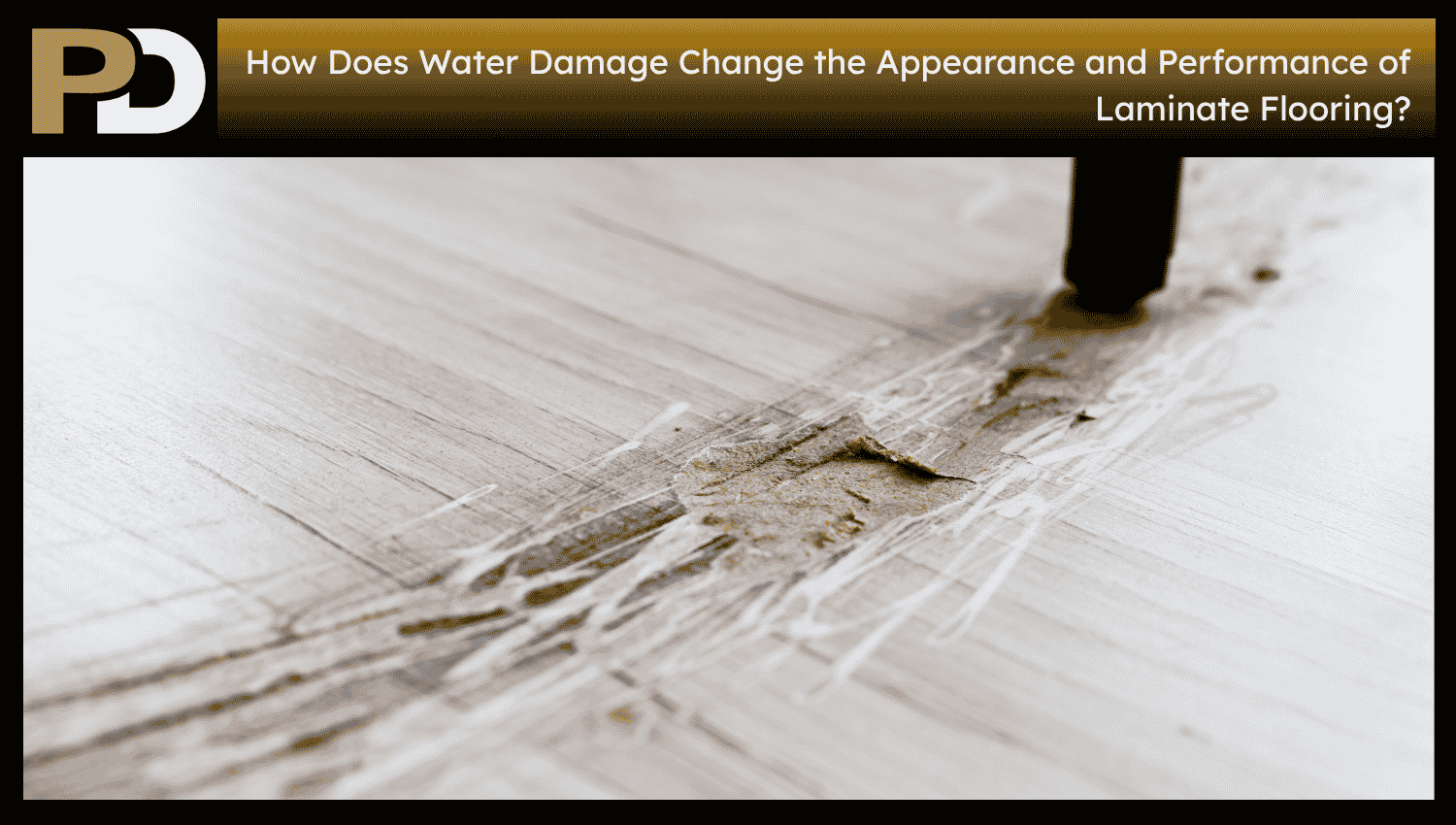
Laminate flooring can take some wear and tear, heavy foot traffic, and scratches, but it’s not as tolerant of moisture. Its protective outer layer provides temporary drainage protection, but water can still get into the fiberboard layer and cause permanent damage that cannot be repaired. Sometimes, the moisture is not readily apparent as changes to the surface, but can be detected in the underlayment and subfloor.
What Common Water Sources Damage Laminate Flooring?
Here are the 6 Common Water Sources That Damage Laminate Flooring:
- Plumbing Leaks: Laminate floors leak from supply lines or drain pipes over time, soaking the laminate floor from below and spreading without notice.
- Appliance Failures: Dishwashers, refrigerators, washing machines, and water heaters leak water into laminate joints and flooring.
- Sink and Toilet Overflows: Overflow fixtures only take a few minutes for water to seep into plank seams and the absorbent fiberboard core.
- Roof or Ceiling Leaks: Water from above leaks and flows around laminate flooring, through ceilings or upper-level construction.
- Window and Door Leaks: Rainwater seeps around window frames or exterior doors and pools around the edges of flooring material to get under the laminate material.
- Flooding Events: Floods add a lot of water that quickly gets into laminate joints, underlayment,t and subfloor materials.
What Are the Earliest Signs of Water Damage in Laminate Flooring?
Here Are the 6 Earliest Signs of Water Damage in Laminate Flooring:
- Raised Plank Edges: Chipping or cracking around edges or seams is a common sign that the damage will eventually be more severe.
- Soft or Uneven Areas: Moisture under the flooring makes the flooring less stable and can make parts of the floor feel soft or uneven underfoot.
- Surface Bubbling: The decorative skin starts to peel off from the underlying core, forming bubbles or raised areas.
- Changes in Floor Level: The gradient of the floor is 15 cm/100 cm. The slope of a floor is 0.15. Over time, laminate boards swell, resulting in an uneven walk.
- Persistent Damp Odors: The musty odors indicate that water has been trapped under the laminate flooring system.
- Unexplained Gaps Between Planks: Expansion due to moisture is followed by differential drying, which causes plank alignment to change and result in unexpected gaps.
What Happens Inside Laminate Flooring After Water Penetrates the Surface?
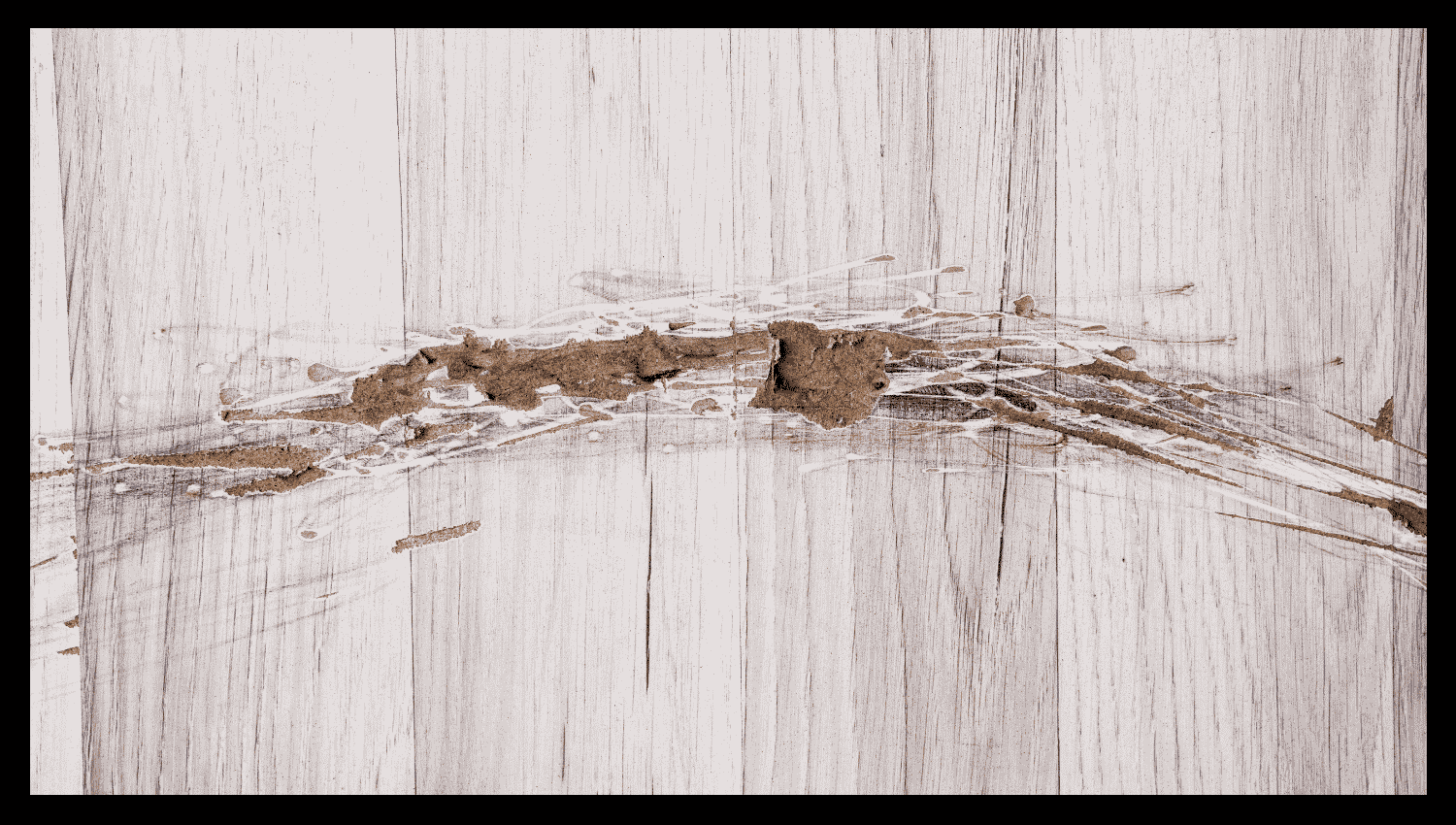
The laminate begins to change internally as water reaches the fiberboard core. The core absorbs moisture and swells, which thickens the individual planks. As the swelling progresses, the decorative layer and the protective wear layer become separated from the core. Plank edges tend to grow faster than the center of the plank, which results in unsmooth edges and distortion. After continual expansion, the click-lock joints that connect planks weaken or fail, affecting the strength of the flooring. Dry laminate still has permanent shape changes due to the fiberboard’s ability to swell and not fully contract.
What Factors Determine How Severely Laminate Flooring Is Damaged?
Here are the 6 factors that determine how severely laminate flooring is damaged:
- Water Exposure Duration: The longer laminate is wet, the deeper the moisture penetrates the material, core, or surrounding material.
- Amount of Standing Water: The more water, the bigger the swell and the more structural damage.
- Type of Laminate Flooring: Water resistance depends on the type of laminate and its water-resistant properties.
- Indoor Humidity: High humidity slows the rate of evaporation and the time moisture is in the flooring system.
- Condition of the Seams: Seams that are not properly sealed and damaged will let water in more rapidly than a tightly sealed seam.
- Speed of Water Removal: Getting work done quickly will minimize the amount of moisture that is absorbed, and increase the chances of mitigating damage.
Why Can Hidden Moisture Continue Damaging Laminate After the Surface Appears Dry?
Moisture can remain under the planks for a long time, even if the top surface doesn’t feel damp. The damp underlayment slowly reabsorbs the moisture, and the structural subfloor holds water longer than the surface material.
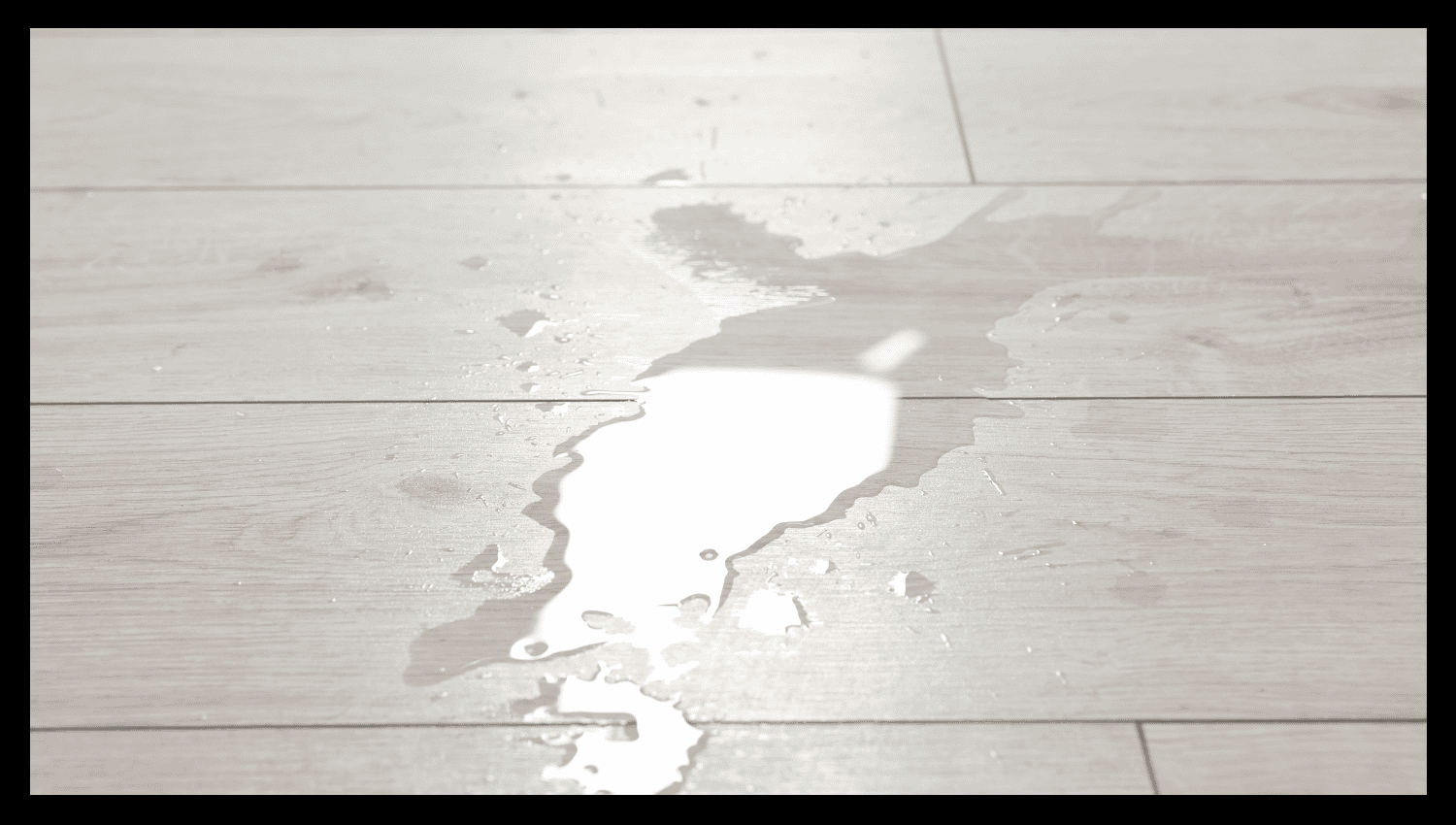
The poor underfloor air circulation causes moisture to remain hidden. Laminate can even become damp for weeks or months due to minor plumbing leaks or undetected water intrusion. This can lead to gradual deterioration even if the laminate’s surface is dry.
How Can Homeowners Inspect Laminate Flooring for Hidden Water Damage?
Here are the 6 ways homeowners can inspect laminate flooring for Hidden Water Damage:
- Examine Plank Edges: Check seams and edges of planks for swelling, lifting, or splitting that may be allowing moisture to enter.
- Walk Across the Floor: Look for areas that are soft, uneven, or move when pressed, indicating moisture underneath the laminate.
- Inspect Around Water Sources: Check the water sources and their surroundings. Inspect floors around appliances, plumbing, sinks,s and other possible leak areas.
- Look for Surface Distortion: Look for warps, bubbles, or uneven reflections, which can indicate water damage.
- Check Baseboards: Look at wall edges and baseboards where water damage is likely to be the first sign of water.
- Monitor Musty Odors: You can still smell dampness when the water has dried up, which means there is still water underneath the floor.
Can Water-Damaged Laminate Flooring Be Restored?
The amount of water that has infiltrated the flooring system determines the extent of restoration. Some slight surface moisture that is dried out in a short period of time does not result in permanent injury. Sometimes it is only possible to do limited repairs for localized water exposure if swelling hasn’t affected the fiberboard core.
Swollen planks invariably do not retain their original shape, as the swelling of the core is permanent. Damaged click-lock joints cause many floors to lose stability, which means that they need to be replaced. Professionals also evaluate whether there is any moisture in the underlayment or subfloor. Extra restoration is needed before the mould restoration process begins if there is moisture in the structural components,
How Can Water-Damaged Laminate Flooring Affect Property Value?
The damage seen by buyers in the laminate flooring can take a big bite out of the home’s overall appeal and give them reason to believe that there are water issues at the home. Swollen flooring, buckled planks, and floor distortion can be due to a plumbing leak or drainage problem that goes beyond the floor. Quick job completion, full moisture remediation, and handling the root cause of the water intrusion help maintain the integrity of the flooring system and market value.