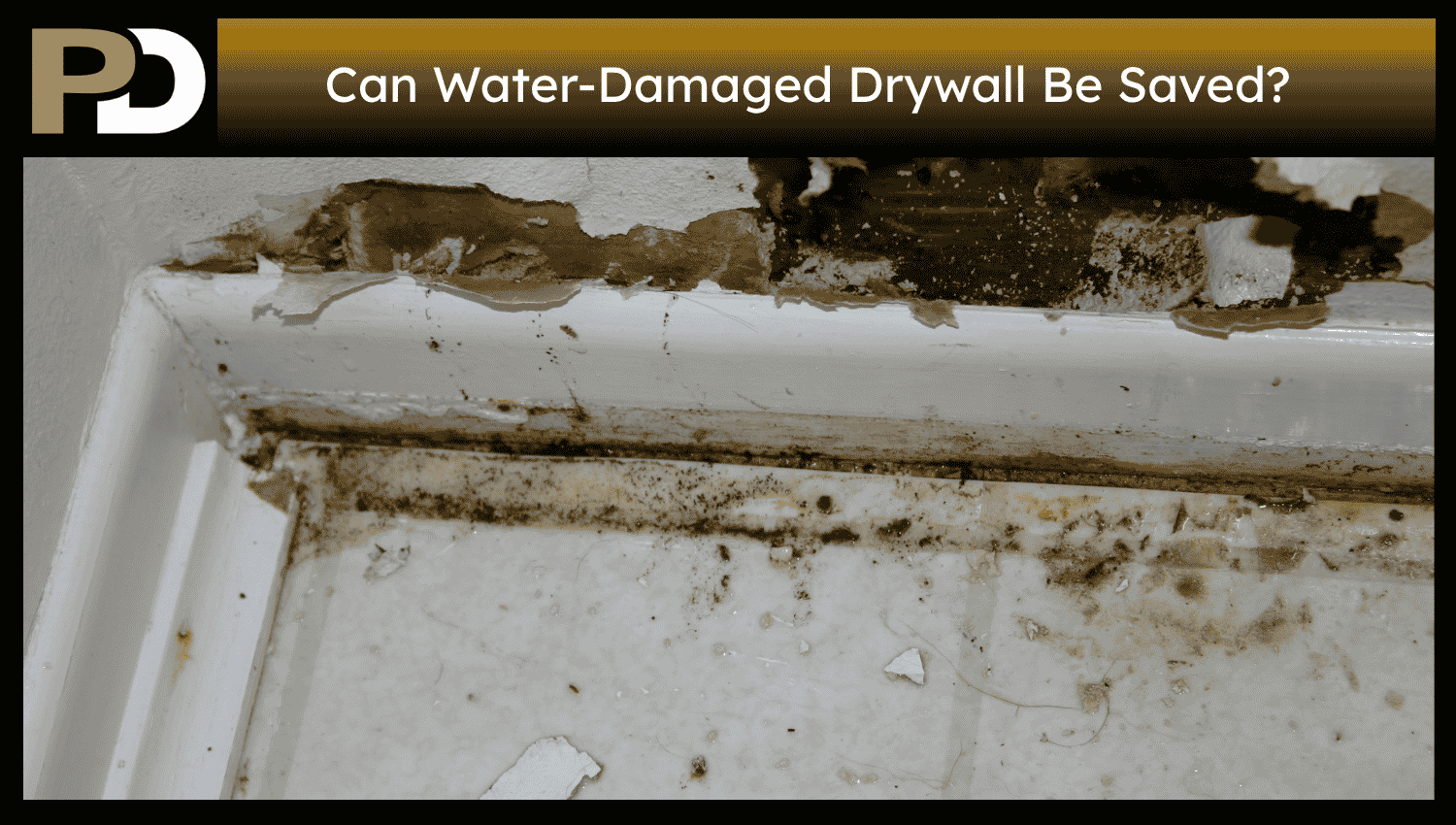
The gypsum core of drywall, when exposed to water, absorbs it quickly. Water on either side of the paper also tends to be retained and is frequently slower to dry than it seems. The moisture in a drywall panel travels up and down, and side to side through the gypsum core. Trapped water leads to damage but is hidden for a time by painted or finished surfaces. These visible signs do not occur until long after the leak and are hard to spot until the drywall has been damaged.
What Determines Whether Water-Damaged Drywall Can Be Saved?
Here are the 5 factors that determine whether water-damaged drywall can be saved:
- Amount of Water Exposure: One of the critical factors is the amount of moisture absorbed. Small amounts of dampness might allow the drywall to dry with no harm, but a lot of dampness results in lasting structural damage that’s irreparable.
- Length of Time: The longer drywall is wet, the weaker it will be inside. Moisture that is not removed and is left in panels for long periods runs the risk of deterioration and permanent damage.
- Source of the Water: The kind of water has a significant impact on the restoration decisions. Drywall that has been exposed to clean water has a higher chance of being restored than drywall that has gray water or sewage damage.
- Extent of Internal Damage: A normal surface appearance can also have moisture within the gypsum core that causes structural failure of the drywall. It’s a case of replacement if there’s considerable internal weakness.
- Condition Before the Leak: Previous leaks or older drywall have a more pronounced deterioration after water damage and are not as viable for drywall mold remediation.
How Does Water Change the Structure of Drywall?
Water affects nearly all aspects of drywall. The moisture that enters the gypsum core causes the panel to lose rigidity and strength over time. Paper starts to peel off the gypsum, and the panel loses stability. Seam compounds are used to join the pieces together, but they tend to become soft when exposed to moisture for long periods, which compromises the integrity of the seams. Expansion of surrounding materials also causes fasteners such as screws and nails to lose their holding power. Excess moisture causes drywall panels to swell, bow, or have uneven surfaces, which means that their shape is permanently changed over time.
What Visible Signs Suggest Drywall May Still Be Salvageable?
Here are the 5 Visible Signs That Suggest Drywall May Still Be Salvageable:
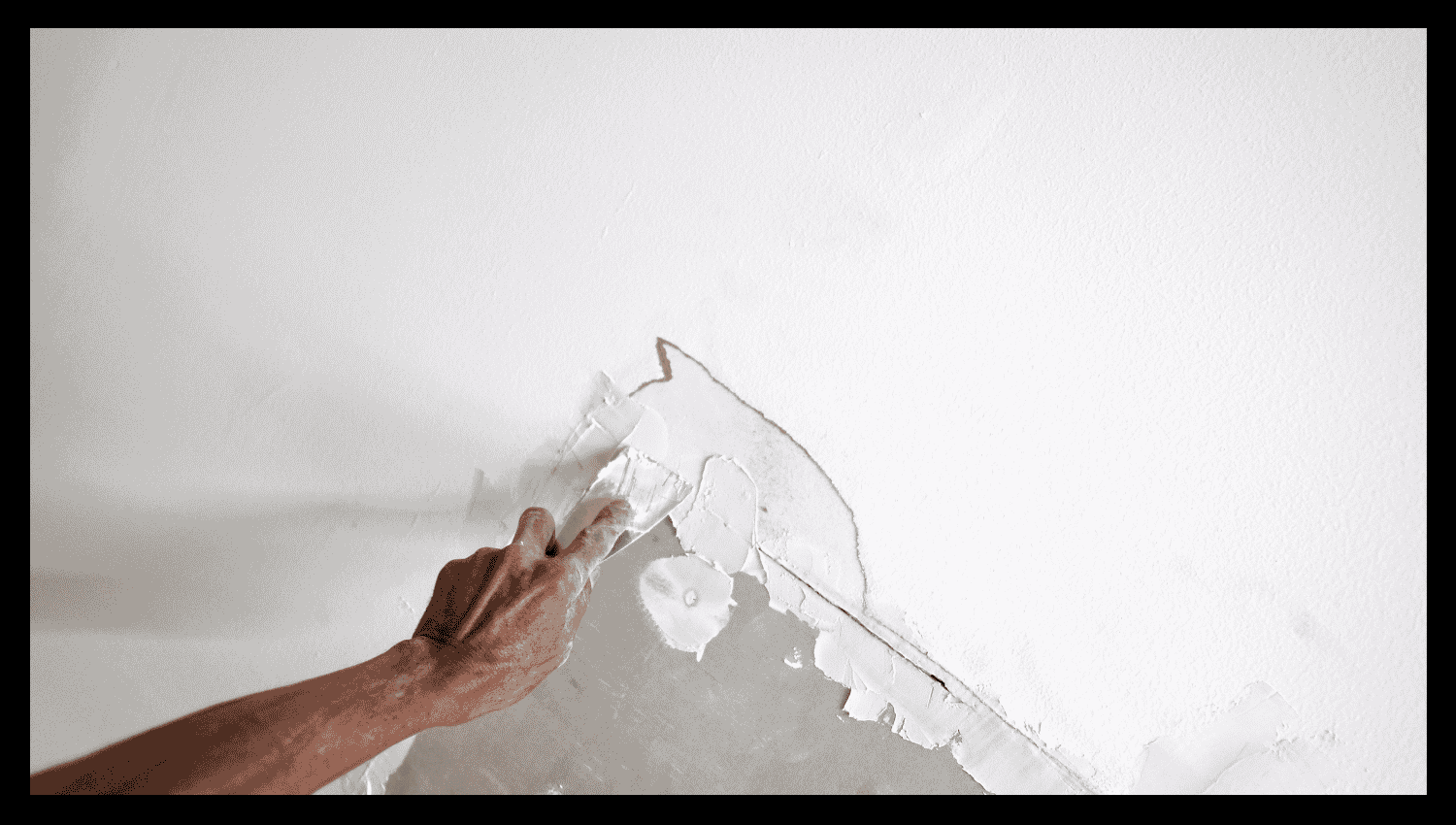
- Minor Surface Staining: Discoloration confined to a small area, with no softness, is a sign that the drywall has only been exposed to a minor degree of moisture.
- Firm Wall Surface: A wall that is still solid and does not bend in response to a gentle push indicates that the gypsum core inside is not damaged.
- No Surface Distortion: Drywall that is flat and does not bulge, sag, or swell means that it did not pick up too much water.
- Localized Moisture: It is easier to dry and restore moisture trapped in a small area of drywall than in areas where moisture has damaged a large wall.
- Stable Wall Finish: A little bubbling, peeling, or cracking of the paint, texture, or wallpaper indicates a minimal amount of surface damage.
What Signs Usually Indicate Drywall Should Be Replaced?
Here are the 5 Signs That Usually Indicate Drywall Should Be Replaced:
- Soft or Crumbling Panels: Panels are soft or crumble when pulled, wrenched, or flexed. Soft, crumbly, or weak drywall usually indicates a lot of structural damage that has occurred over a long period of time due to moisture exposure.
- Sagging Drywall: Panels that are peeling off the frames or sagging are a sign of extensive water saturation and will be irreparable.
- Bulging or Swollen Sections: Moisture in the gypsum causes permanent swelling and expansion of the core.
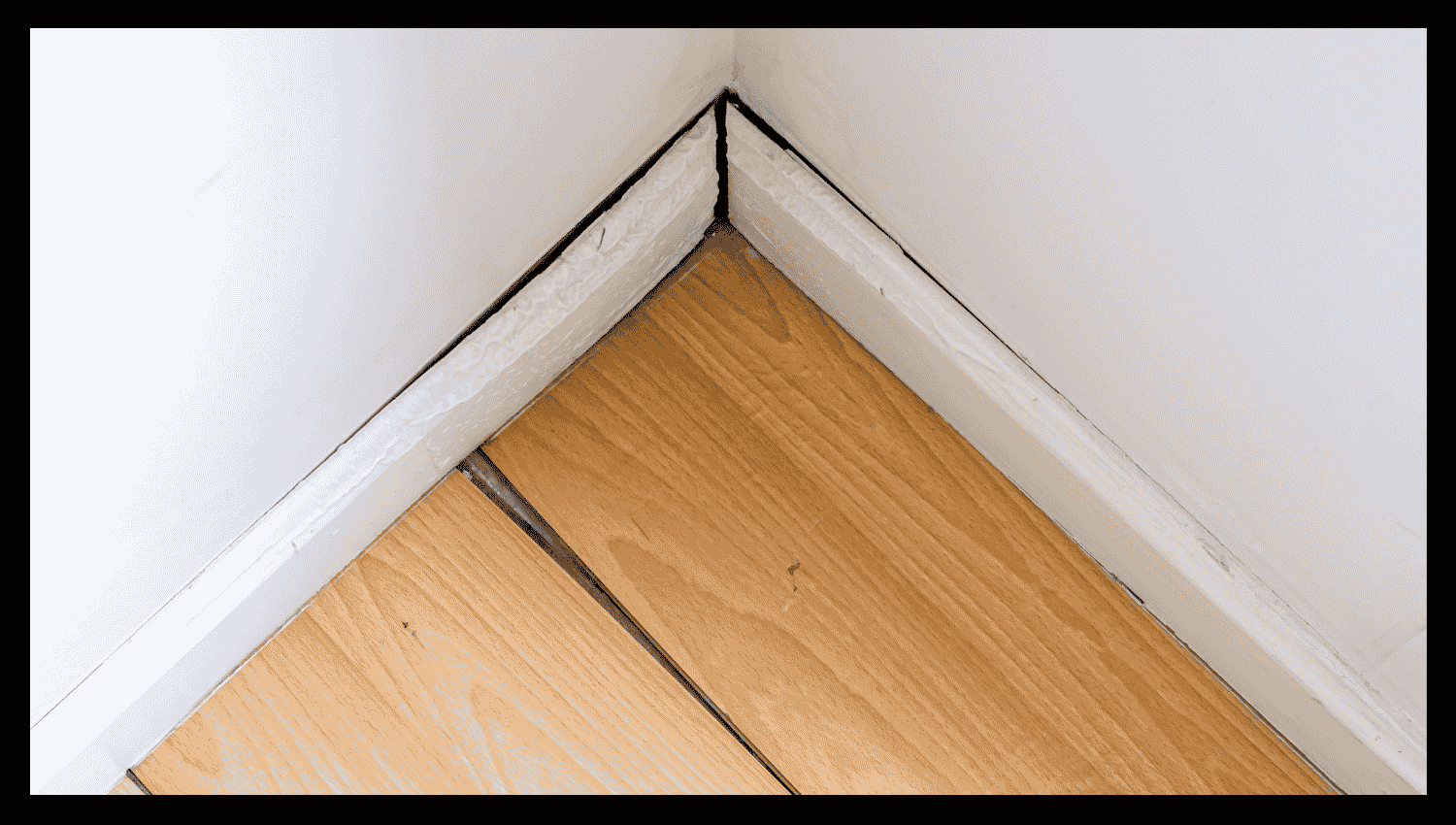
- Separated Joints or Cracks: Rain softens the drywall joints and fastener connection points, causing cracks or gaps in the drywall that need to be replaced.
- Repeated Water Exposure: Drywall also becomes weaker when a leak occurs a few times, even if it seemed to dry out after a leak.
How Can Hidden Moisture Remain Inside Drywall?
Water can still be in the drywall long after the surface is dry. Wall finishes such as paint can retard the evaporation process by retaining moisture under the surface of the paint. Water can build up inside wall cavities between drywall and insulation where the amount of air movement is very restricted. Gypsum core swells quickly and slowly releases the water over time. Drywall can deteriorate due to small, continuous leaks and not show any signs of damage for days, weeks, or months.
What Factors Make Drywall Damage More Difficult to Restore?
Here are the 5 Factors That Make Drywall Damage More Difficult to Restore:
- Large Affected Areas: Water damage manifests itself in many different ways. Extensive water damage makes the drying process more difficult and significantly reduces the chances of successful restoration.
- Long-Term Leaks: Running leaks over long periods of time cause water to seep further into drywall and other building materials.
- High Indoor Humidity: High humidity levels increase drying time and cause moisture to be trapped in drywall for extended periods.
- Multiple Water Sources: Water from leaks is repeated, and several moisture sources are continuously adding water, making restoration more difficult.
- Poor Ventilation: Limited airflow causes evaporation to slow, and water stays in walls and doesn’t dry completely.
How Do Professionals Evaluate Water-Damaged Drywall?
Here are the 5 Ways Professionals Evaluate Water-Damaged Drywall:
- Measure Moisture Levels: Professionals use moisture meters to find out how much water is still trapped between drywall, even if the surface is dry.
- Inspect Wall Stability: Technicians check drywall to see if it feels soft, moves, sags, or shows any other structural damage.
- Assess the Water Source: Clean, gray, or contaminated water is determined by identifying whether the leak is clean, gray, or contaminated.
- Examine Adjacent Materials: Nearby framing, insulation, trim, and other building materials are checked for potential moisture and to assess the extent of the damage.
- Determine the Moisture Spread: Inspection equipment helps determine the extent of the contamination by identifying moisture traveling beyond the visible damage and helping your restoration professional assess the damage and recommend the best way to proceed.