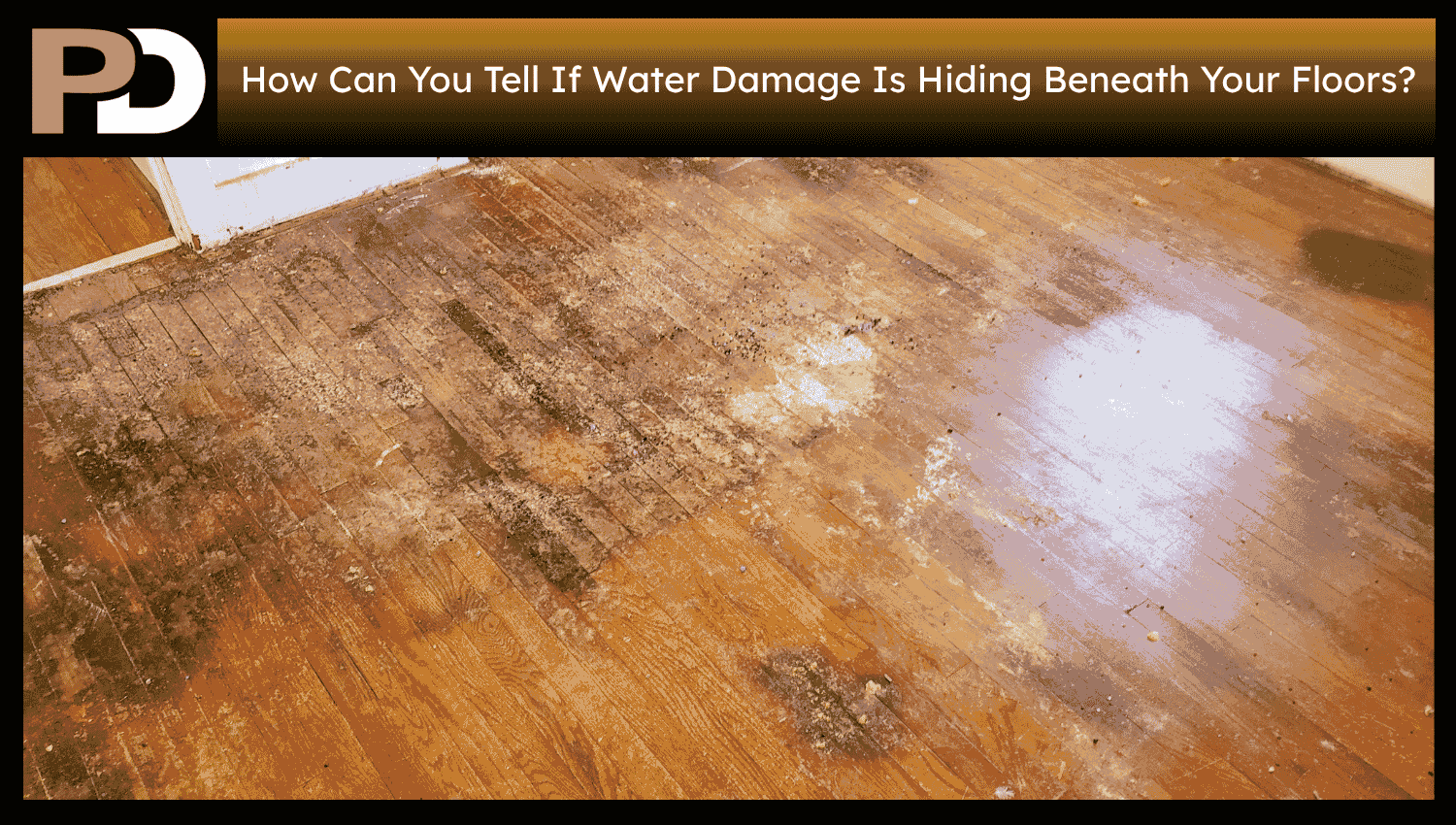
Water damage to floors is unseen and unheard of. The flooring material obscures the moisture, so it can’t be detected. Water infiltrates under the floor and then rises to the surface. The leaks are small, and the damage increases over weeks or months. Subfloor materials absorb moisture before any visible changes in the floor material. Furniture, rugs, and large appliances help conceal early signs, so water is not discovered for extended periods.
What Common Sources Allow Water to Reach Beneath Flooring?
Here are the 6 Common Sources That Allow Water to Reach Beneath Flooring:
- Plumbing Leaks: Water leaks from water supply lines, drain lines, or plumbing fixtures and goes under the floor. A slow leak causes the subfloor to be damp for an extended time.
- Appliance Failures: Most water heaters, washing machines, dishwashers, and refrigerators leak under adjacent flooring. Water is spreading outside the appliance before it is seen.
- Roof or Ceiling Leaks: Water from the roof and upper floors eventually flows down. It can grow down to the floor level below and under the finished floor.
- Bathroom and Kitchen Overflows: Water seepage through flooring joints is caused by overflowing sinks, bathtubs, showers, or toilets. The water very quickly penetrates the subfloor.
- Foundation Moisture: Water percolating up from the ground, slab leaks, or water seepage from the foundation are the sources of water in flooring systems. There is increased risk in basement and ground floor areas.
- Exterior Water Intrusion: Rainwater comes in from doors, walls, or leaking materials on the exterior and runs under nearby flooring and pools in hidden spots.
How Does Water Move Beneath Different Types of Flooring?
Here are the 5 ways water moves beneath different types of Flooring:
- Through Flooring Seams: Water gets into small spaces adjacent to wood planks, laminate boards, tiles, or flooring panels. These holes enable water to flow under the surface.
- Into the Subfloor: The subfloor is highly water-absorbent. Wood-based materials such as plywood, oriented strand board (OSB), and other wood-based products hold moisture for extended periods.
- Along Structural Framing: Water penetrates through floor joists and through supports. Moisture is transferred through adjoining structural elements from the place of the leak.
- Across Vapor Barriers: Moisture creeps under vapor barriers and flooring systems, and it evaporates. Extensive areas are affected, but no damage to the floor surface is seen.
- Toward Lower Areas: Water flows towards the lowest point below the floor. Water accumulates in low areas and flows through connected areas.

What Are the Earliest Signs of Hidden Water Damage Under Flooring?
Here Are the 6 Earliest Signs of Hidden Water Damage Under Flooring:
- Soft or Spongy Areas: Softening of floors happens due to water absorption by the subfloor. Soft spots are detected when walking over the room.
- Warping or Cupping: The moisture content of wood floor increases, causing it to warp. Planks start to lift, bend, or bow out the edges.
- Loose or Shifting Flooring: Flooring overlays pull away from the subfloor when the adhesive stops holding or when nails or screws come loose.
- Unusual Squeaking: Water weakens floor fasteners and supports. New squeaks are likely to occur in places where you didn’t think there were problems before.
- Cold or Damp Floor Surfaces: The wet floor feels cooler than any dry surfaces around it due to the different surface temperatures.
- Persistent Musty Odors: Excessive moisture is hidden under the flooring and causes damp, musty smells that don’t go away with regular cleaning.
Which Flooring Materials Show Water Damage First?
Hardwood Flooring is water-absorptive and can swell, cup, or buckle. Laminate flooring can get extremely damaged if the fiberboard core gets wet, as the laminate expands. Vinyl Flooring is resistant to surface water, yet if water collects under vinyl flooring, it can cause the adhesive to fail and cause bubbles to appear. Tile Flooring conceals moisture, but if the tiles are loose or there are cracks in the grout, it is a red flag that the subfloor is wet. Carpet can retain water within the padding and below the carpet surface long after the carpet dries up. Engineered Wood Flooring becomes unstable when exposed to moisture over a long period of time, causing the layers to separate.
How Can Hidden Moisture Affect the Subfloor?
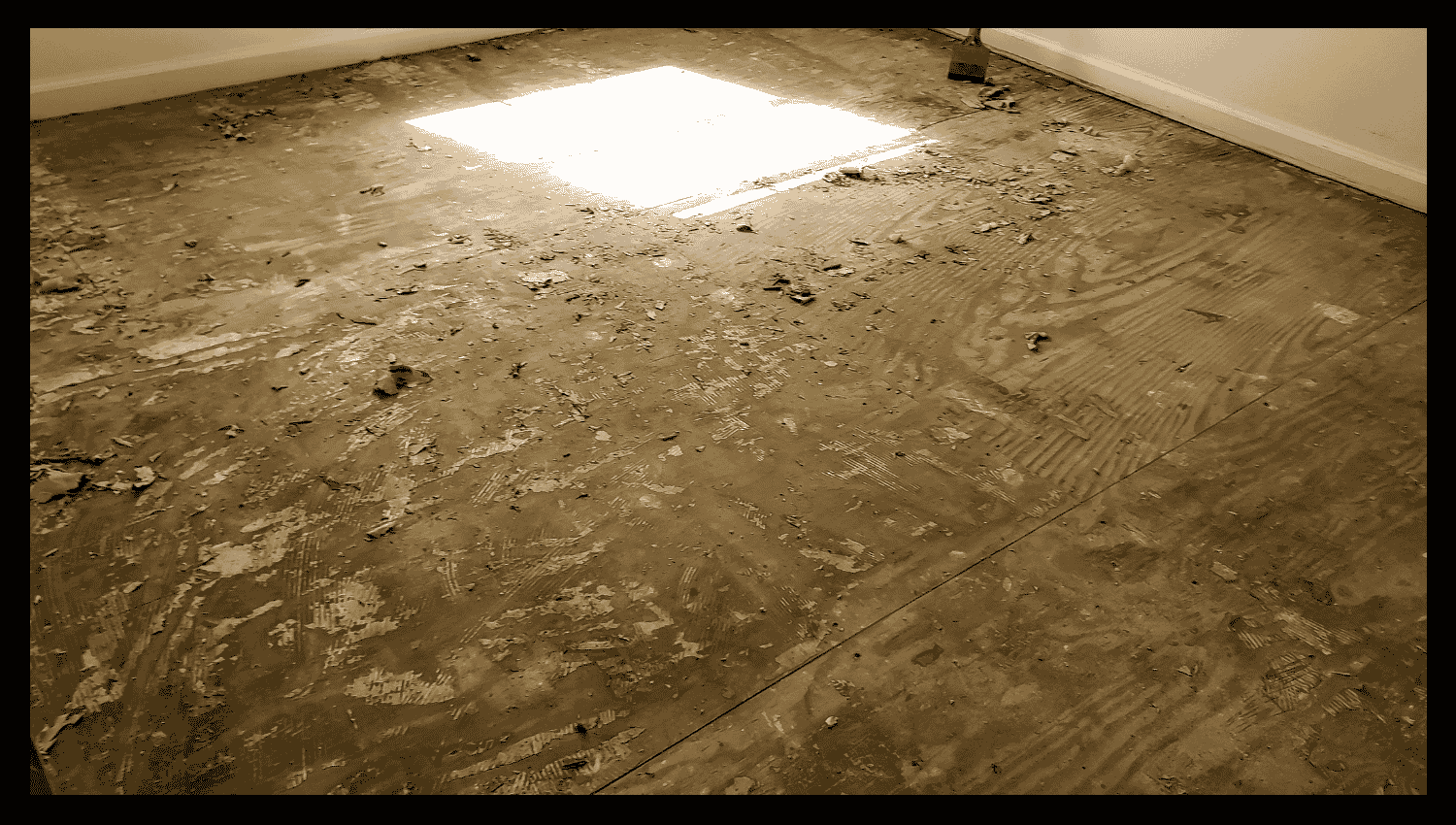
The subfloor supports the actual floor. This foundation is slowly undermined by continually occurring moisture. Water weakens wood-based subfloor materials. Plywood and OSB panels are liable to swell and deform with higher moisture levels. Delamination of Layers of materials starts to separate. Damp wood also makes nails and screws less secure and causes flooring to loosen over time. As these changes keep happening, the floor becomes unlevel, and sections of the floor become uneven or unstable.
How Can Water Beneath Flooring Affect Other Areas of the Home?
Calling it hidden moisture seems like an understatement, as this type of moisture does not remain in a single place. Water penetrates wall cavities in the area and enters the baseboards and trim. It is not uncommon for dampness to show up around the perimeter of the room and then manifest itself in the center area. The wetness also spreads under the “connected” flooring to adjoining rooms, which makes the area bigger. Rainwater eventually leaks into other levels of multi-story homes. Another effect of moisture is on floor joists and other structural framing, which are compromised by long-term exposure.
When Should Professional Floor Moisture Inspection Be Considered?
A professional inspection is recommended when the floor is still deforming after drying or soft spots are still growing. Inspection is also advised if the origin of the water is unknown, or if water is found in more than one room. There is damage underneath the completed flooring if any sort of floor movement is noticeable. Another great advantage of moisture testing is making sure there is no water under the flooring that looks dry. Early detection helps discover hidden moisture before it leads to broader damage to the flooring system and structural supports.