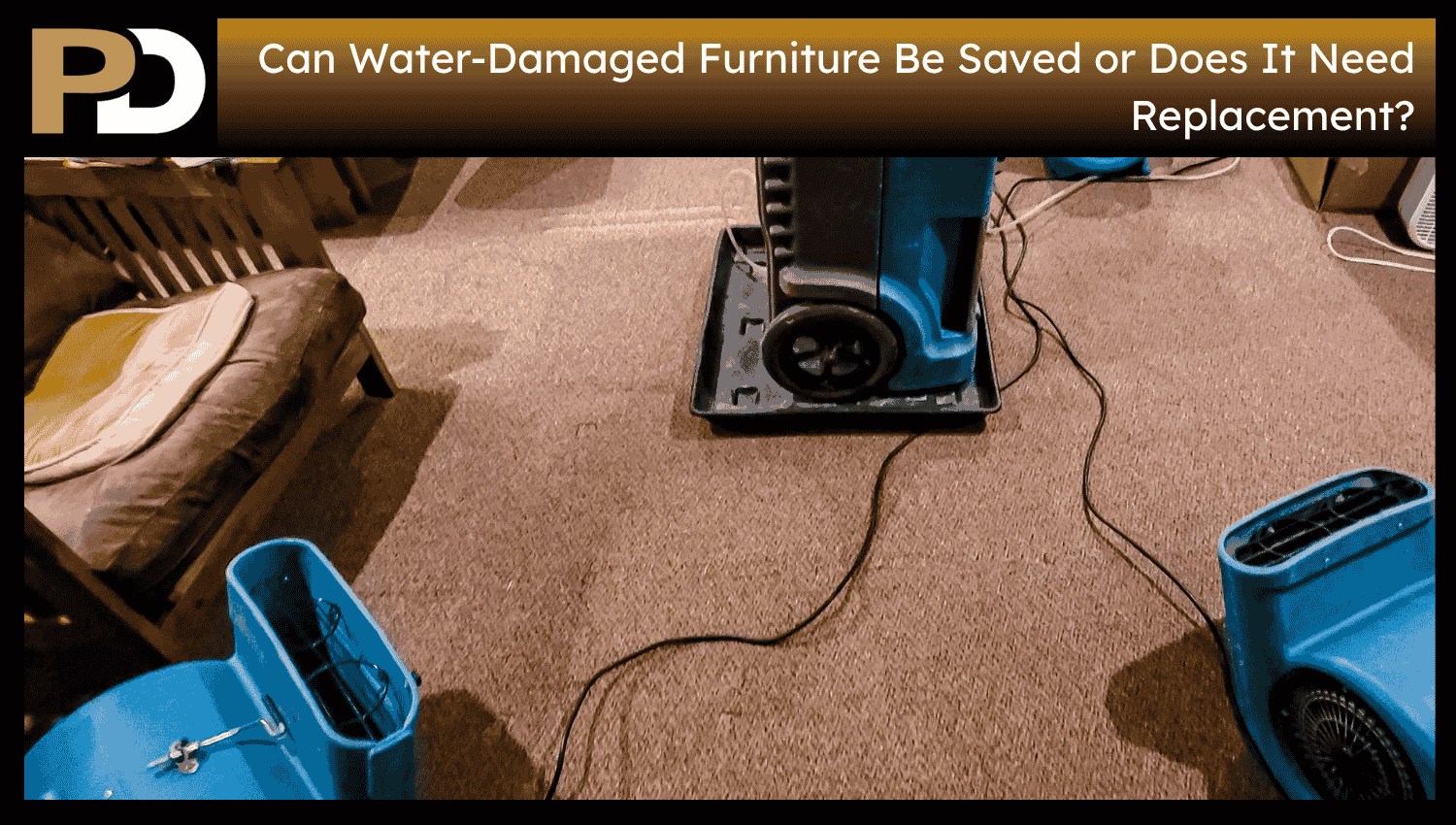
Water-compromised furniture after a flood, leak, or spill poses a difficult problem to solve. Some furniture materials can be completely recovered, while others have suffered irreversible structural damage due to differences in water-absorbing properties across materials, construction, and surface finishes. Moisture continues breaking down the underlay or interior padding for the upholstery long after the exterior surfaces are dry. Homeowners are better off deciding whether their furnishings are saved or replaced when they understand the water effects on different types of furniture, recognize early signs of degradation, and assess factors that affect a furniture item’s salvage.
Which Types of Furniture Are Most Vulnerable to Water Damage?
Here are the 6 Types of Furniture That Are Most Vulnerable to Water Damage:
- Solid Wood Furniture: They are durable but very prone to swell, warp, and crack along natural grain lines if they come in contact with moisture for an extended period of time.
- Engineered Wood Furniture: Particle board and MDF take up water very quickly at raw edges, causing extreme swelling, crumbling, and eventual complete breakdown of the wooden structure.
- Upholstered Furniture: Water collects under the fabric, foam, and inside the inner layers of filling, making it hard to get rid of.
- Leather Furniture: Water damages leather by removing oils from the leather surface, leaving the leather hard, faded, cracked, or even with bad colors on the surface when it dries.
- Metal Furniture: Surface rusting and corrosion occur in metals after prolonged moisture exposure, especially at welded seams, insets, and fittings.
- Wicker and Rattan Furniture: Natural woven fibers (wicker and rattan) swell, warp, unravel, and become brittle when repeatedly wetted or wet for an extended period of time.
What Are the Early Signs of Water Damage in Furniture?
Here Are the 6 Early Signs of Water Damage in Furniture:
- Swollen or Raised Surfaces: Wood panels, composite materials, and table edges expand, leaving raised and uneven surfaces when exposed to water.
- Discoloration or Water Stains: Dark rings, faded patches, white hazing on wood finishes, or water stains on fabric are common signs of water damage.
- Loose or Wobbly Construction: Water dissolves assembly adhesives, and expanded dowels make chairs, tables, and cabinets wobbly.
- Musty Odors: Damp, musty smells are produced when water is trapped inside foam or padding or hollow frames.
- Fabric Wrinkling or Sagging: Wet upholstery fabrics get stretched, sag, or get wrinkled as the foam cushion loses its shape.
- Peeling Veneer or Laminate: Decorative wood veneers or plastic laminate come off core boards, then begin to strip off due to water damage.

What Factors Determine Whether Water-Damaged Furniture Can Be Salvaged?
Here are the 5 Factors That Determine Whether Water-Damaged Furniture Can Be Salvaged:
- Type of Material: Solid hardwood, metal, and glass recover much better than porous engineered woods such as particleboard or heavily padded upholstery.
- Source of the Water: Broken lines that contain clean water are safely restored, while broken lines containing black water from sewage or floodwater must be disposed of immediately because of the potential health risks.
- Length of Water Exposure: Salvage rates are best when the water exposure is brief (24-48 hours), and worse when the exposure is prolonged.
- Depth of Moisture Penetration: Moisture saturation at the surface is desiccated, but below the core structures, moisture saturation makes it difficult to return to full recovery.
- Age and Overall Condition: High-dollar, solid wood items that are old are the best candidates for professional restoration, but low-dollar, older, or previously damaged items are not always worth restoring.
When Is Furniture Replacement the Better Option?
Replacement is the option when the furniture is structurally compromised in a way that it cannot safely bear weight, such as warped load-bearing furniture frames or collapsed legs. Shrinking in engineered wood items from high levels of swelling is not possible and does not happen, and items must be disposed of. Upholstered items that come into contact with contaminated flood water or sewage have not been properly disinfected and continue to be a health risk. Replacing furniture is best when internal padding becomes so wet that it cannot be salvaged or when it has been exposed to water on many occasions. It helps to protect the home environment and ensure safety in the long run.
How Can Hidden Moisture Continue Damaging Furniture?
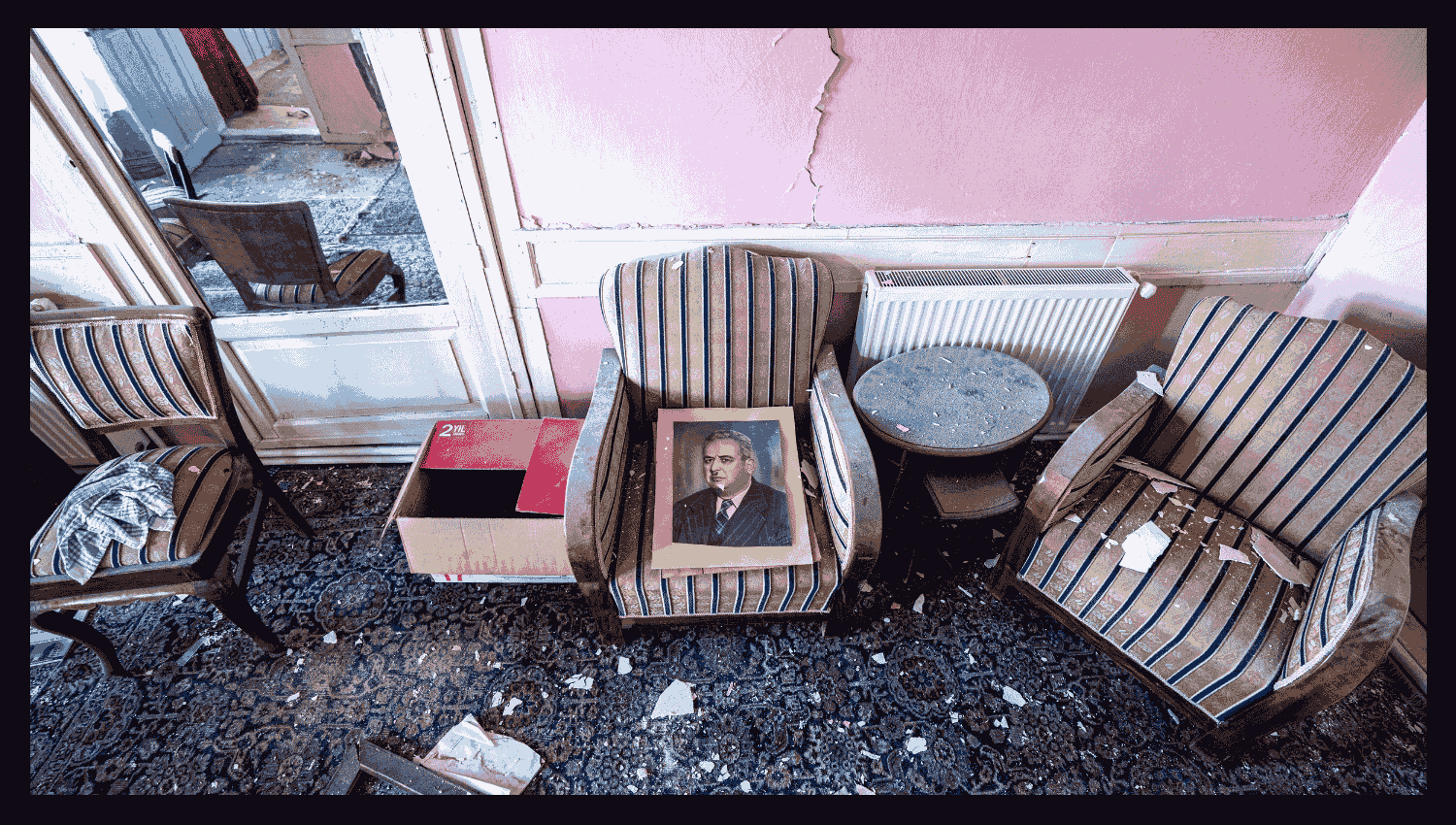
Water damage to furniture items persists because dense materials such as foam cushions, thick padding, and cotton batting hold water inside. Water slowly continues to destroy them even when the outermost fabrics are dry to the touch. Over time, moisture degrades the internal adhesives, hidden screws, and mortise-and-tenon connections in wood joints. Moisture left under the legs of heavy furniture destroys surrounding flooring and subfloors. Poor ventilation in confined spaces prolongs the drying process, and the resulting trapped moisture degrades the wood fibers, corrodes the metal springs, and steals the strength from the inside.
How Do Professionals Evaluate Water-Damaged Furniture?
The first step in restoration is to determine whether the item is safe to salvage or contaminated after determining the water source. Special moisture detectors (Moisture meters) and infrared cameras are used to locate moisture beneath deep cushions, wood cores, and frames next to walls. They check joints, frame alignment, and load-bearing capacity for structural stability. Evaluation is done on a material-by-material basis, ranging from top-grain leather to frame webbing. Moisture detection experts determine if the drying, sanitization, and refinishing cost of the object is less than replacement value.
How Can Water-Damaged Furniture Affect Indoor Living Spaces?
Furniture damage impacts indoor space function and comfort by making damaged furniture unable to hold weight or open easily. Distorted finishes, peeled-up veneers, and stained fabrics taint a room’s decor and appearance. Wet furniture continuously transfers moisture to other damp carpet, hardwood floors, and nearby walls. Damp furnishings in a living space create an uncomfortable environment, affect indoor air quality, and reduce the healthiness of the home.