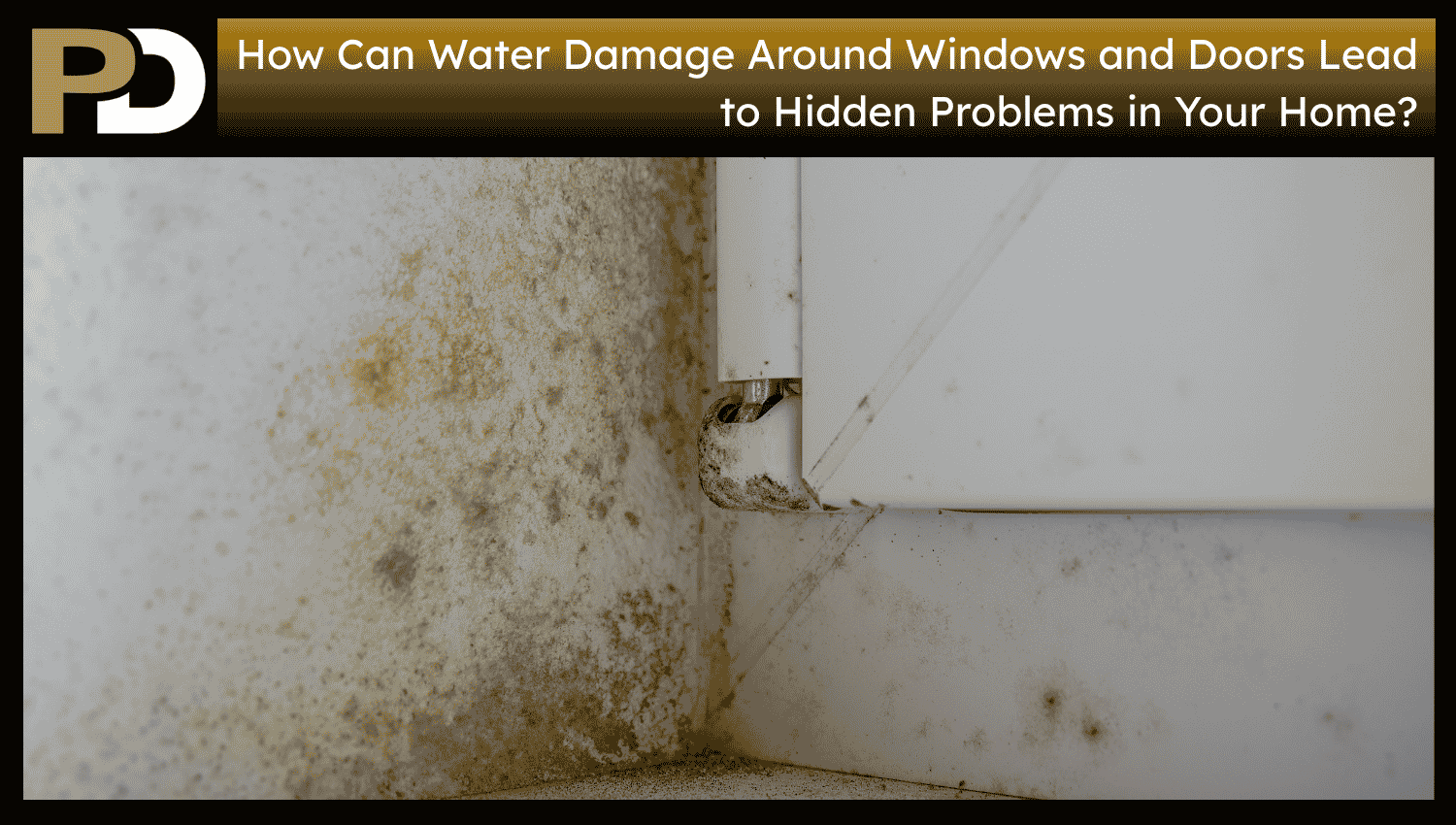
Windows and doors break the continuity of the building envelope on the exterior and are prime places where water enters. Old, cracked caulking, defective flashing, and worn weather stripping decrease moisture protection. Water makes its way through even the smallest openings when the wind blows in. Over time, openings will form as a result of the expansion and contraction of building materials due to changes in temperature. Another cause of poor installation is that hidden passages are created for moisture to seep into adjacent walls.
Water only continues to flow after passing through the opening. It follows wood framing, wicks up into insulation, travels behind drywall, and gets under nearby flooring. Water does not remain in the place of initial entry, and hidden damage occurs before any visible damage is seen.
What Are the First Signs That Water Is Entering Around Windows or Doors?
Here Are the 6 First Signs That Water Is Entering Around Windows or Doors:
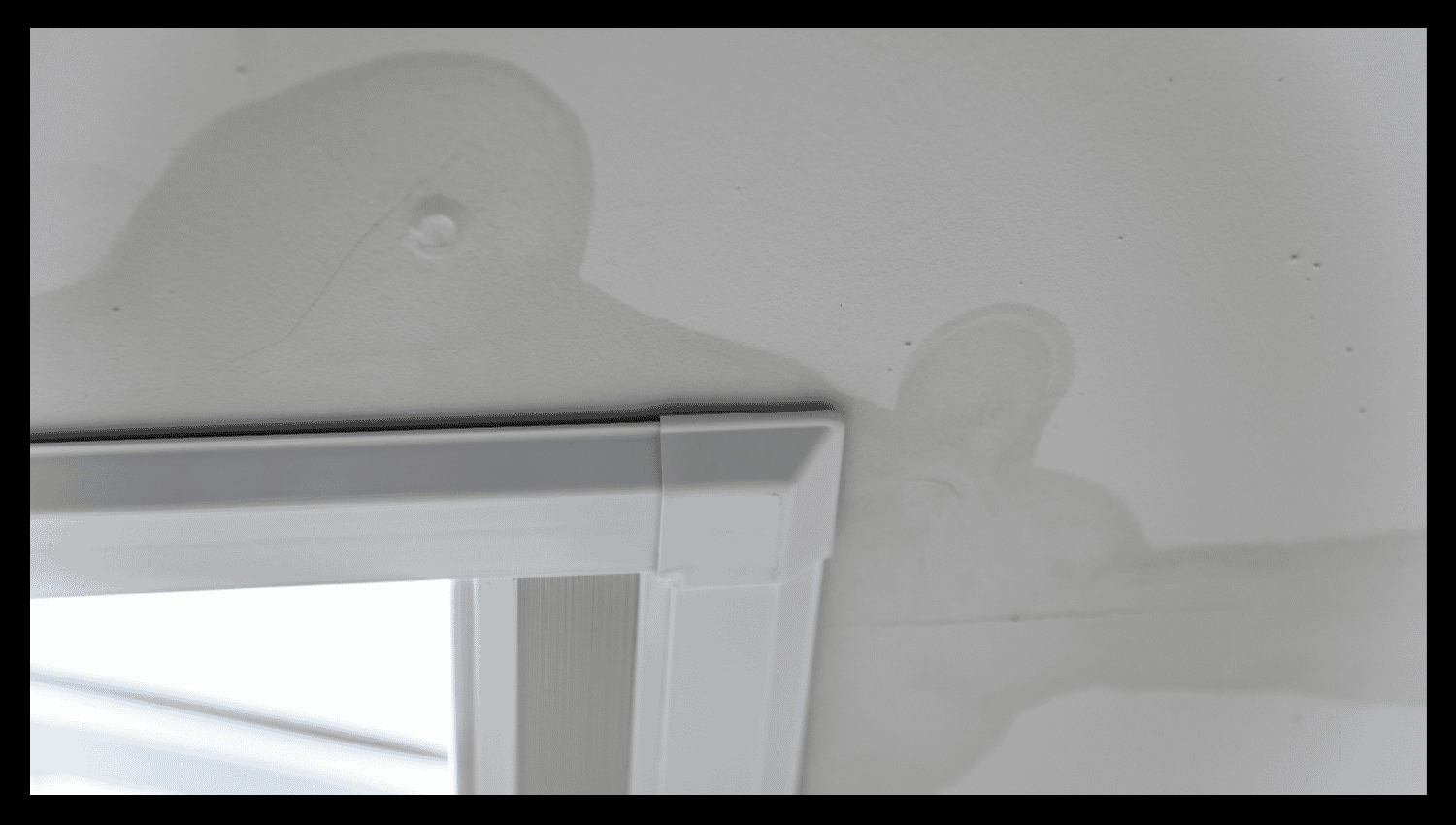
- Discolored Wall Surfaces: A yellow, brown, or dark stain around window or door openings indicates that the water is seeping in. These stains worsen with heavy rains.
- Peeling Paint: Behind painted surfaces, moisture will compromise the adhesion of paint to drywall. As the water is trapped between the surface and the paint, the paint starts to lift, bubble, and peel.
- Soft Drywall: Drywall is easily affected by moisture. Weak or soft drywall is easily depressed and is weak near the damp area.
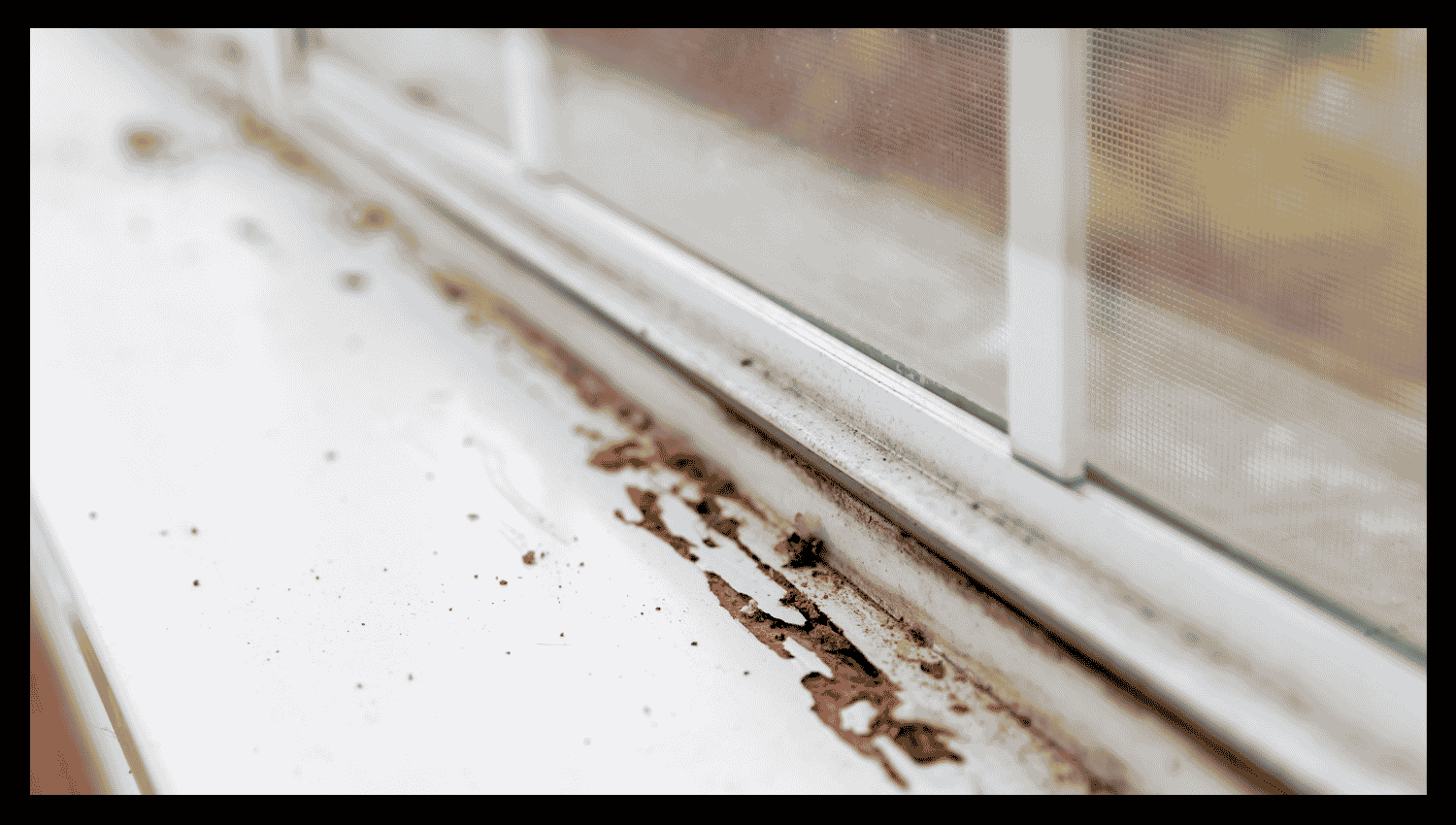
- Swollen Window Sills: Wood window sills swell over time. The wood is damaged by surface damage, swelling, or cracking and has experienced multiple water exposures.
- Recurring Condensation: Condensation around door and window areas indicates too much moisture in surrounding material. The moisture returns repeatedly and needs to be addressed.
- Musty Odors: Frequent musty odors found near windows or doors and caused by moisture trapped in walls or insulation around the house. The smell is present before any damage is seen.
Which Building Materials Are Most Vulnerable to Window and Door Water Intrusion?
Several building materials absorb water very rapidly when water penetrates through the surrounding windows and doors. Drywall soaks up water easily and exhibits stains, bubbling, or soft spots. Wood framing weakens over time when it’s exposed to moisture. Insulation keeps moisture in wall cavities and does not retain R-value if wet. Hardwood, laminate, and subfloors located near doors are examples of flooring materials that easily absorb water and start to swell or warp. Swelling, cracking, and paint damage are common small issues that are frequently found in Interior Trim and Moldings before larger structural damage occurs. Exterior Sheathing behind siding absorbs water when it has been allowed to pass through the exterior protection system and impact the wall structure over time.
How Can Water Damage Around Windows and Doors Remain Hidden?
Water intrusion can be hidden as the water is not visible in enclosed wall cavities. Covering damage that is building up under finished surfaces with exterior siding and trim. Plus, water can follow framing members and travel a distance from the leak, creating stains several feet away. Small leaks that go on for months go unnoticed. Some leaks are only noticeable during heavy rain or strong winds when they are not noticeable at other times. The amount of unnoticed moisture in the wall slowly grows during these periods of leaks.
How Can Seasonal Weather Increase Water Intrusion Around Windows and Doors?
The constantly changing weather conditions are a stress test on the windows, doors, and other building materials. Wind-driven rain forces water through small gaps around frames, flashing, and weatherstripping. Heavy Storms reveal failure of old sealants and weathered exterior materials. Water infiltration is more likely with increased rain. Freeze-Thaw Cycles cause existing cracks to grow further, allowing water to pass through, as it freezes and thaws over time. Extreme Heat can cause sealants to dry out, shrink,k or crack, which decreases their water-resistant efforts. Wood, vinyl, and metal building materials expand and contract all year long due to temperature changes. These movements over time develop small cracks around windows and doors.
How Can Homeowners Inspect Windows and Doors for Hidden Water Damage?
Here are the 6 Ways Homeowners Can Inspect Windows and Doors for Hidden Water Damage:
- Inspect Exterior Caulking: Inspect all outside window and door sealant. Check for broken, missing, loose, or broken-away caulking where water is getting in.
- Check Window Sills and Door Thresholds: Check wooden sills and thresholds for swelling, softness, discoloration, or surface damage. These locations are the first to exhibit damage from repeated exposure to moisture.
- Look for Interior Stains: Look for yellow, brown, and dark stains in the surrounding walls, ceiling, trim, and flooring. Fresh stains indicate water intrusion that has occurred recently.
- Examine Exterior Flashing: Check flashing around windows and doors for signs of damage, loose areas, and proper installation. Flashing is the correct way to take the rainwater away from the wall.
- Inspect During or After Rainfall: Rain and shortly after rain makes leaks easier to detect. New moisture is often brought in before surfaces can dry.
- Monitor Recurring Moisture: A recurring wet spot, stain, or smell indicates a leak that has not been fixed. Be extra diligent in watching these areas following each storm.
When Should Professional Water Damage Inspection Be Considered?
A professional water damage inspection becomes important when stains are recurring even after a professional water damage repair and occur with rainfall. Another clue to consider inspection is if window or door frames are soft, unstable, or swollen. Moisture behind completed walls is very difficult to identify and needs special equipment. Professional evaluation helps when the source of the leak is not obvious or if the water is leaking around the window or door opening. It is also recommended for inspection if structural framing is affected or if musty odors persist even after cleaning and drying. Professional assessment of the property’s condition early on can pinpoint hidden moisture before it causes additional damage to the structure.