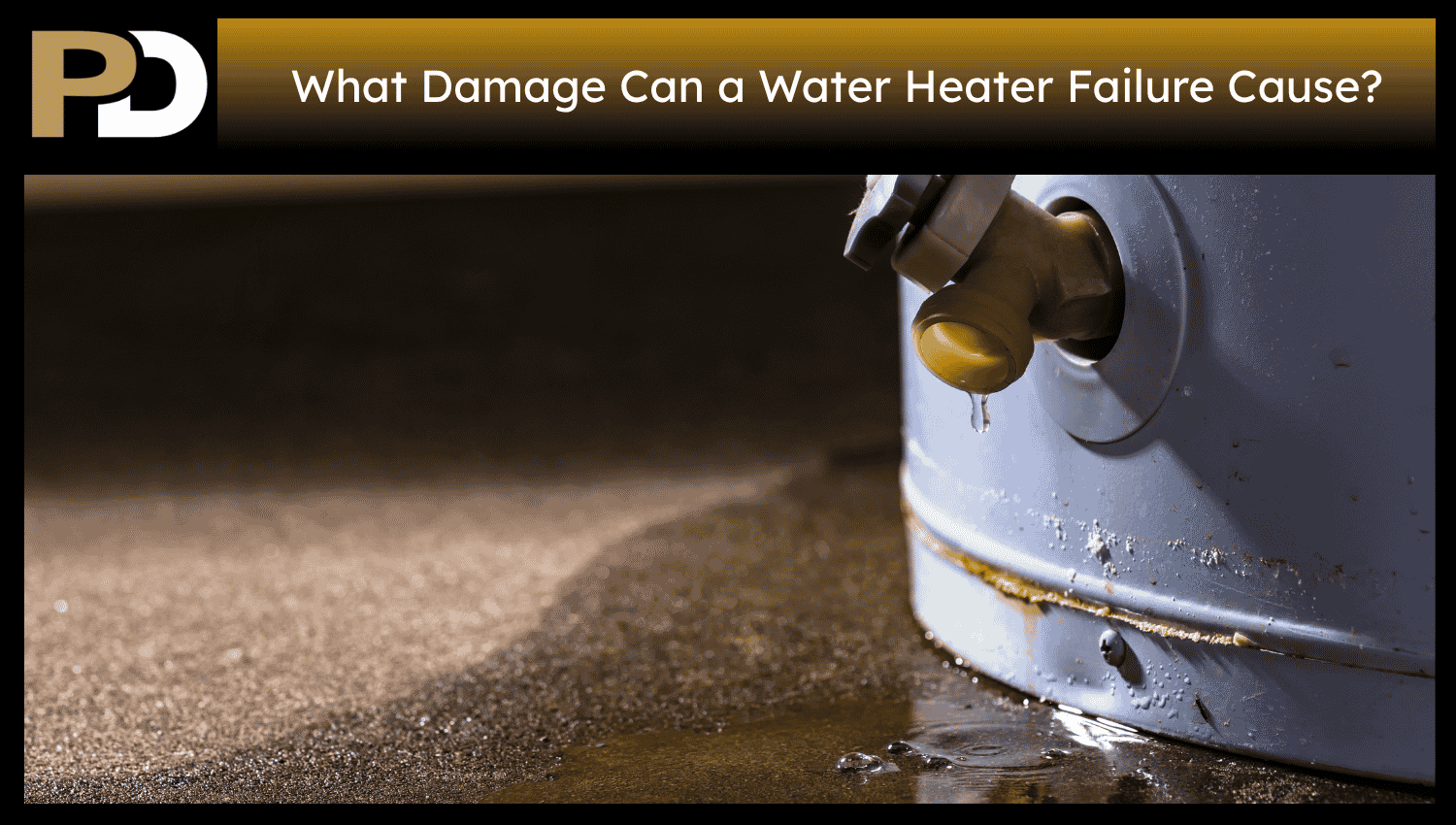
A water heater can cause significant property damage if it fails and releases a large amount of hot water or leaks a small amount over a long period. Damage from a water heater depends on the type of failure, the tank size, the tank location, and the time to detect the failure. Water heaters are located in low-traffic areas, such as basements, utility rooms, garages, cupboards, or other spaces where slow leaks go undetected. Both tank and tankless systems can cause damage, as a conventional tank water heater, which holds 20-80 gallons of water, can quickly flood an area if it bursts.
A failure of the water heater is any instance when it leaks, discharges, overflows, or ruptures. A small leak causes dampness in a certain area, but a ruptured tank or malfunctioning valve causes water to seep on floors, walls, electrical equipment, and other areas.
What Are the Main Types of Water Heater Failures?
Here are the 4 Main Types of Water Heater Failures:
- Tank Rupture or Burst Failure: Rupture of the tank happens when the water heater tank splits, cracks, or fails suddenly. It discharges a large volume of water in a short time, causing the surrounding area to flood quickly. This failure is caused by corrosion, high pressure inside the tank, weak metal, and age.
- Slow Tank Leaks: Slow leaks are common and caused by corrosion, small cracks, worn fittings, or damaged connections. They only leak a little at a time, but over time, they saturate flooring, baseboards, walls, and subfloor materials.
- Pressure Relief Valve Failure: A pressure relief valve releases water when pressure or temperature exceeds safe limits. It releases water nonstop and cannot control the pressure if it gets stuck, is damaged, or malfunctions. Pressure-relief devices are critical components, and failure due to improper maintenance or settings poses a security risk in a pressurised system.
- Internal System Failure: Internal failures caused by sediment build-up, overheating, thermostat issues, broken heating elements, corrosion, or pressure stress. This causes tank strain, inconsistent heating, leakage, or eventual tank rupture, but does not always result in an immediate flood.
How Does Water Heater Failure Cause Property Damage?
Water easily leaks into neighbouring rooms and floors when a water heater is broken. Water passes under floors, behind appliances, in wall spaces, and under baseboards. Multi-level properties come with the bonus of water dripping through ceilings and insulation, and down to lower floors under gravity. Exposing porous materials such as drywall, wood, carpet padding, and insulation to hot water accelerates moisture absorption.
The utility rooms and basements are the most impacted areas where water heaters are often found. Water absorbed by flooring and subfloor systems weakens them; the surrounding walls stain, swell, or are damaged. Mechanical systems, electrical outlets, wiring, heaters, and air conditioners are affected by moisture, leading to additional safety and operational issues. Buyers have less trust if they notice staining, warped flooring, damaged walls, or a documented history of water damage.
What Are the Immediate Effects of Water Heater Failure?
Here are the 4 Immediate Effects of Water Heater Failure:
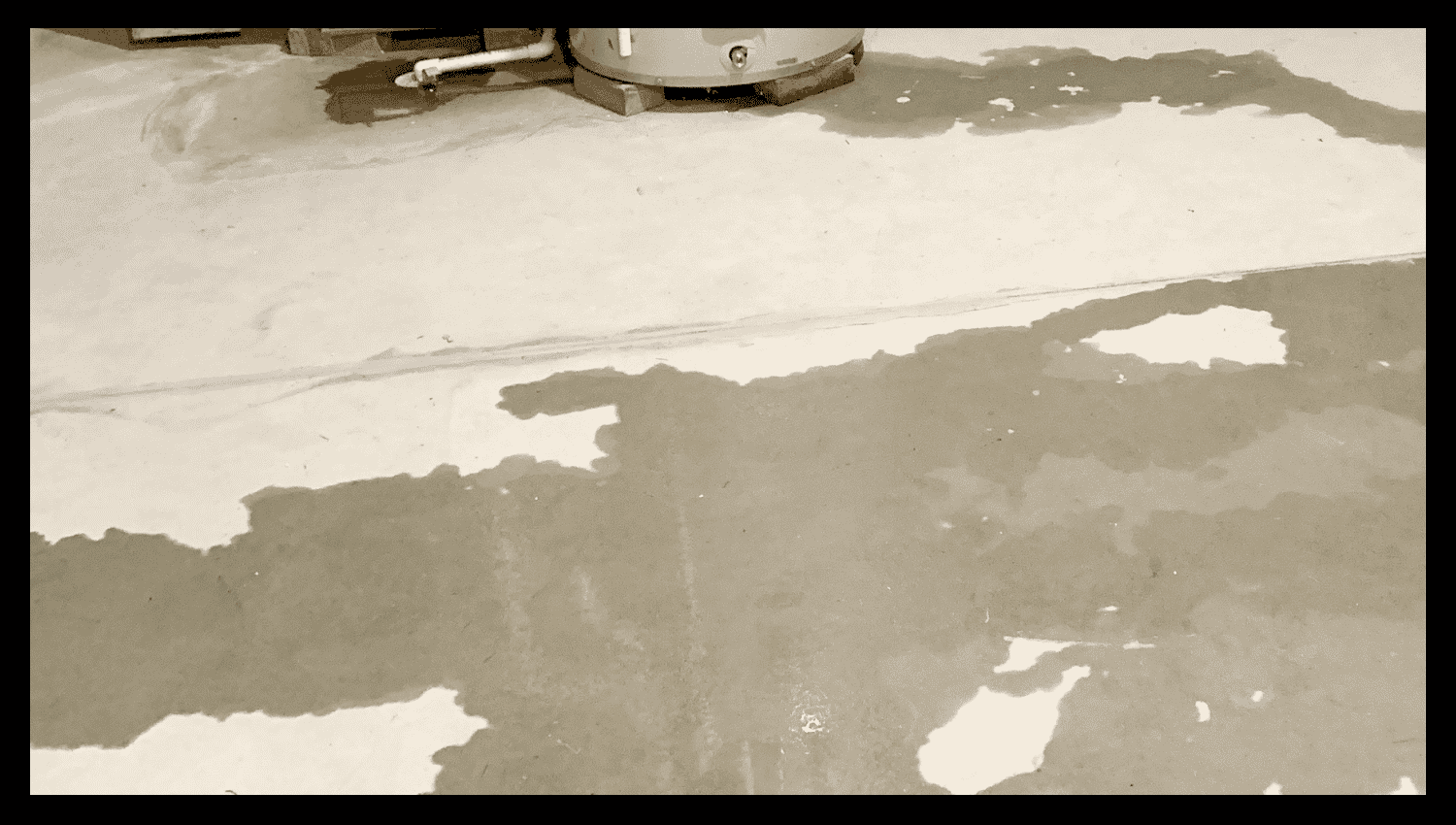
- Rapid Water Accumulation: Rapid water accumulation from a failed tank or a ruptured large valve creates a large puddle or flood in a utility room, basement, garage, or nearby living area.
- Flooring Saturation: Subfloor materials, tile grout, wood, laminate, and carpet absorb water rapidly. Water seeps under completed flooring, where it goes undetected and causes swelling, warping, separation, or weakening.
- Equipment Exposure: Appliances, stored items, electrical equipment, furnaces, washers, dryers, and heating/cooling equipment are exposed to water. Corrosion, internal damage, or failure of electronics and mechanical equipment occurs upon exposure to water.
- Safety Hazards: There is a risk of slip hazards associated with standing water and of water entering electrical outlets, wiring, extension cords, or connected equipment. Water around electrical equipment is a safety hazard, especially if the water is not in an area separated from the electrical power source.
What Are the Long-Term Effects of Water Heater Damage?
Here are the 4 Long-Term Effects of Water Heater Damage:
- Structural Weakening: Water weakened the building’s structure because it had been in the basement for a long time. Cement, wood, and concrete begin to deteriorate over time, and iron-containing materials rust.
- Mould and Odour Development: Moisture facilitates the growth of mould and other microorganisms on walls, floors, insulation, carpet, and other hidden materials. This results in the unpleasant scent of ‘mustiness’ or ‘staleness’, which becomes more pronounced as moisture is retained over time.
- Material Deterioration: Floors buckle or pull up, drywall crumbles, insulation loses effectiveness, and baseboards swell or crack. Materials that have been dried and restored become materials that need to be replaced due to prolonged exposure to moisture.
- Reduced Indoor Air Quality: Damp materials and microbial growth lead to a sense of humidity, poor air quality, and discomfort in indoor environments. The constant dampness also leads to unpleasant odours and poor ventilation in homes or offices.
What Are the Warning Signs of Water Heater Failure?
Here are the 5 Warning Signs of Water Heater Failure
- Rusty or Discoloured Water: Water turns brown, orange, or rusty due to corrosion in the tank or plumbing system. Leaky tanks are caused by internal corrosion, which reduces tank strength.
- Unusual Noises: Popping, rumbling, cracking, or banging noises indicate sediment buildup or stress. Sediment reduces efficiency and imposes additional stress on the system.
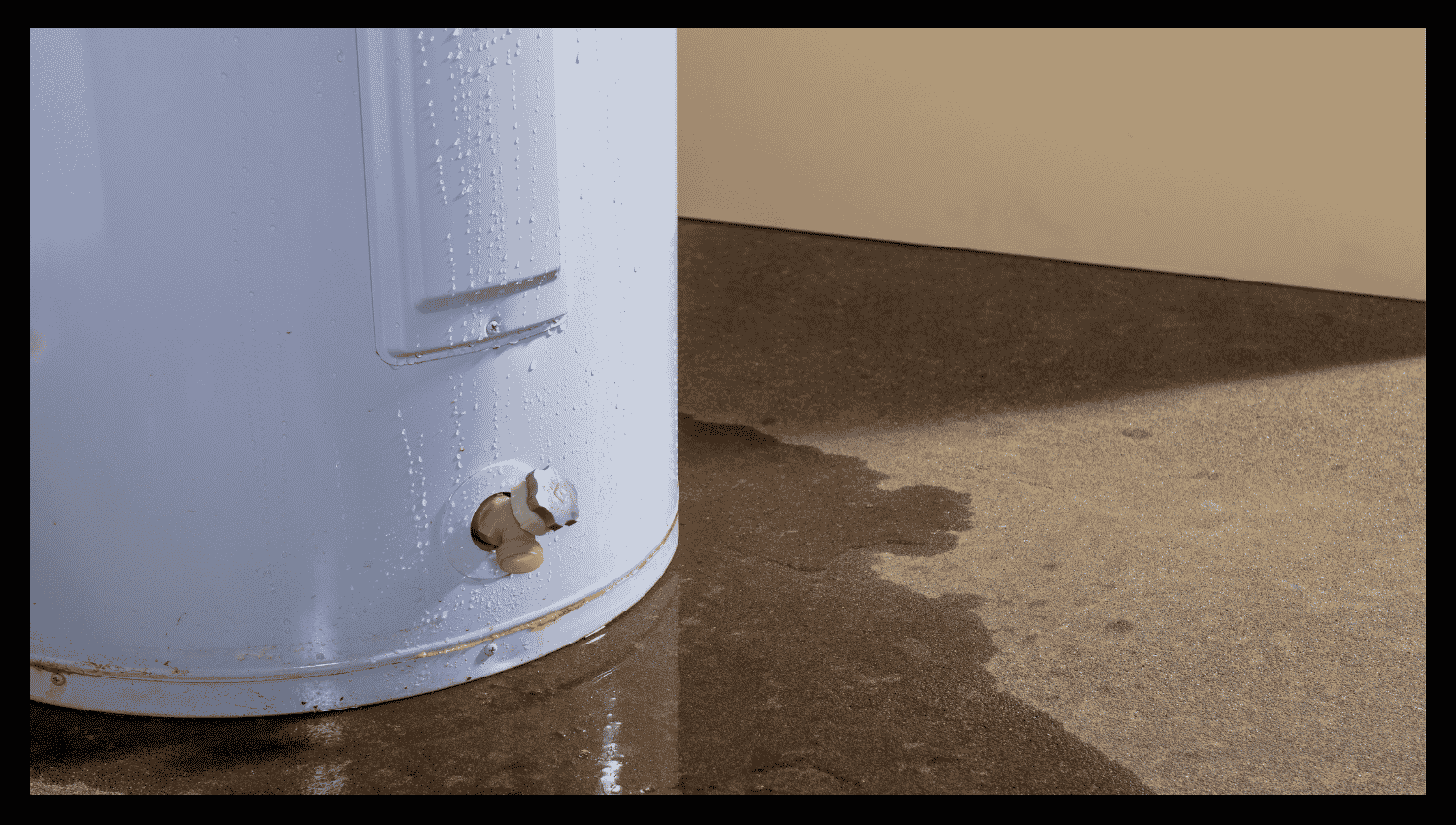
- Water Pooling : Water surrounding the heater is due to a leaking tank, a loose connection, a leak in the drain valve, or a pressure-relief valve release. Don’t ignore a small pool that is growing under the floor or behind equipment.
- Fluctuating Water Temperature: Too-hot, too-cold, or irregular water is a sign of a problem with the thermostat, heating element, burner, or an internal component.
- Increased Water Bills: Water use increases due to a hidden leak, which occurs without any change in a household’s or business’s water use. Undetected water leaks waste thousands of gallons of water each year and damage homes, according to the U.S. Environmental Protection Agency’s (EPA) leak-detection guidance.
What Makes Water Heater Damage More Severe Than Other Leaks?
Damage from a water heater is more devastating than that from any plumbing leak, as the storage tank releases a substantial volume of water at once. The tank suddenly releases all the water it stores, and the inflow of supply water continues to leak until it is turned off. Conventional storage units hold 20-80 gallons each, and a single failure causes significant flooding. Hot water also increases moisture uptake and degrades materials such as flooring, drywall, insulation, wood, and adhesives. The continuous heat in the system and pressure introduce additional stress before failure.