Water damage on the ceiling is easy to see and a red flag for issues above the ceiling. Ceiling cavities are exposed to moisture because of roof leaks, plumbing leaks, overfilled plumbing, and HVAC condensation. The area of the stain or sag is not where the leak is originating since water has flowed a long way before causing the stain. Moisture quickly seeps into insulation, wood framing, drywall, and other building materials if not addressed quickly. All this hidden damage causes structural strength loss and, consequently, higher repair expenses in the future.
What Are the Most Common Causes of Ceiling Water Damage?
Here Are the 6 Most Common Causes of Ceiling Water Damage:
- Roof Leaks: Openings in the roof, or damaged shingles and worn areas on flashing, allow rainwater to access the attic and ultimately reach lower ceilings.
- Plumbing Leaks: Burst pipes cause water in the ceiling cavities, leaking water supply pipes, or even failing drain pipes above the ceiling.
- Bathroom Leaks From Upper Floors: Water spills from the bathtub, waterproofing fails, or toilet connections fail, causing water to seep into the ceilings below.
- HVAC Condensation: Moisture brought in above ceilings through HVAC systems, blocked or leaking condensation drain lines, or overflowing drain pans.
- Appliance Leaks: These include upper-story washing machines, water heaters, dishwashers, and refrigerators, which leak and cause damage to ceilings below.
- Overflowing Fixtures: Sinks, bathtubs, or toilets that overflow release a lot of water, which flows down through floors and ceiling structures.
What Are the Earliest Warning Signs of Ceiling Water Damage?
Here Are the 6 Earliest Warning Signs of Ceiling Water Damage:
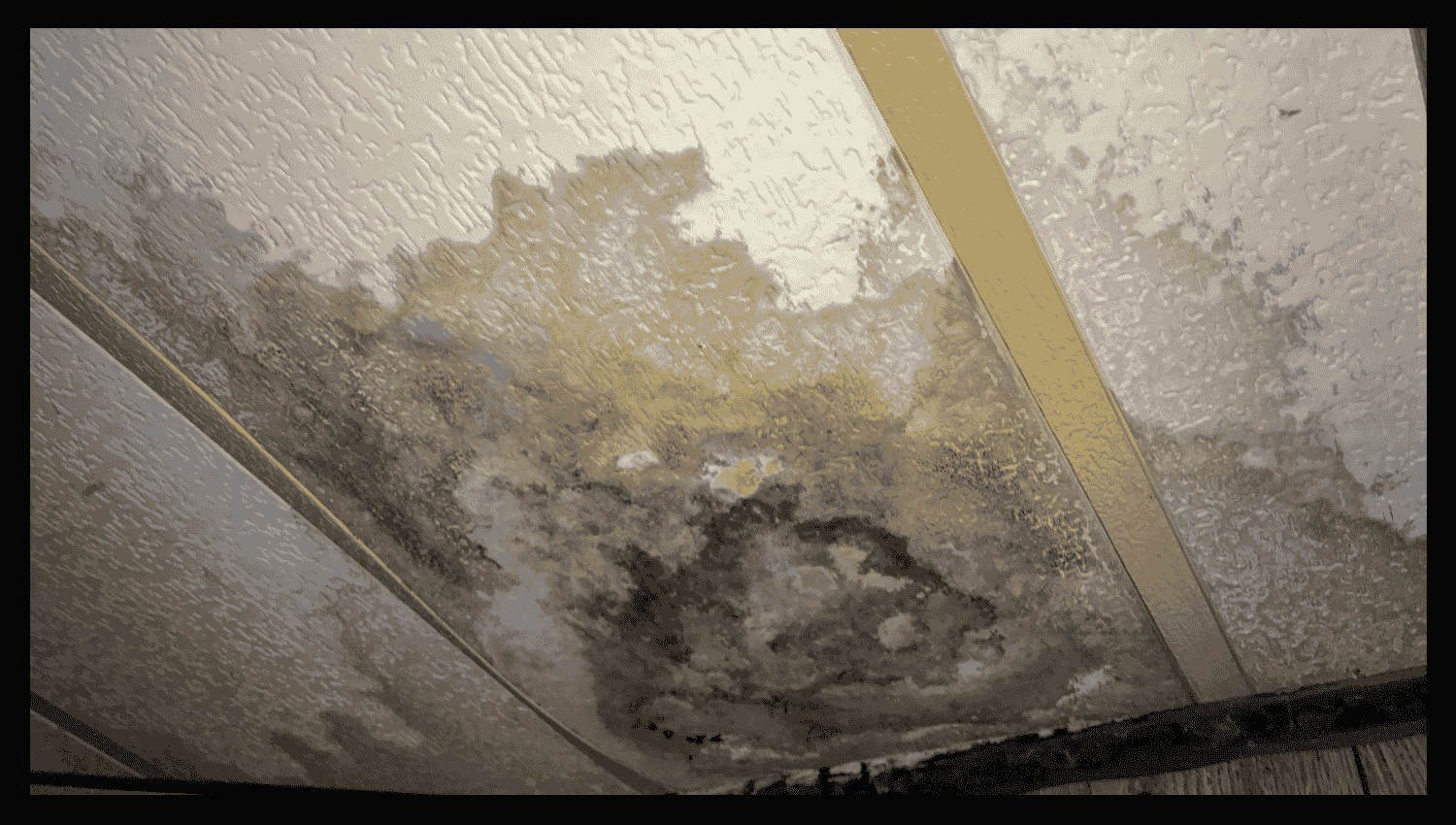
- Yellow or Brown Water Stains: The initial sign of water getting into the ceiling is the appearance of yellow, brown, or dark stains.
- Peeling Paint or Bubbling Texture: Painted surfaces or textured finishes are affected by moisture, causing bubbling, peeling, or blistering.
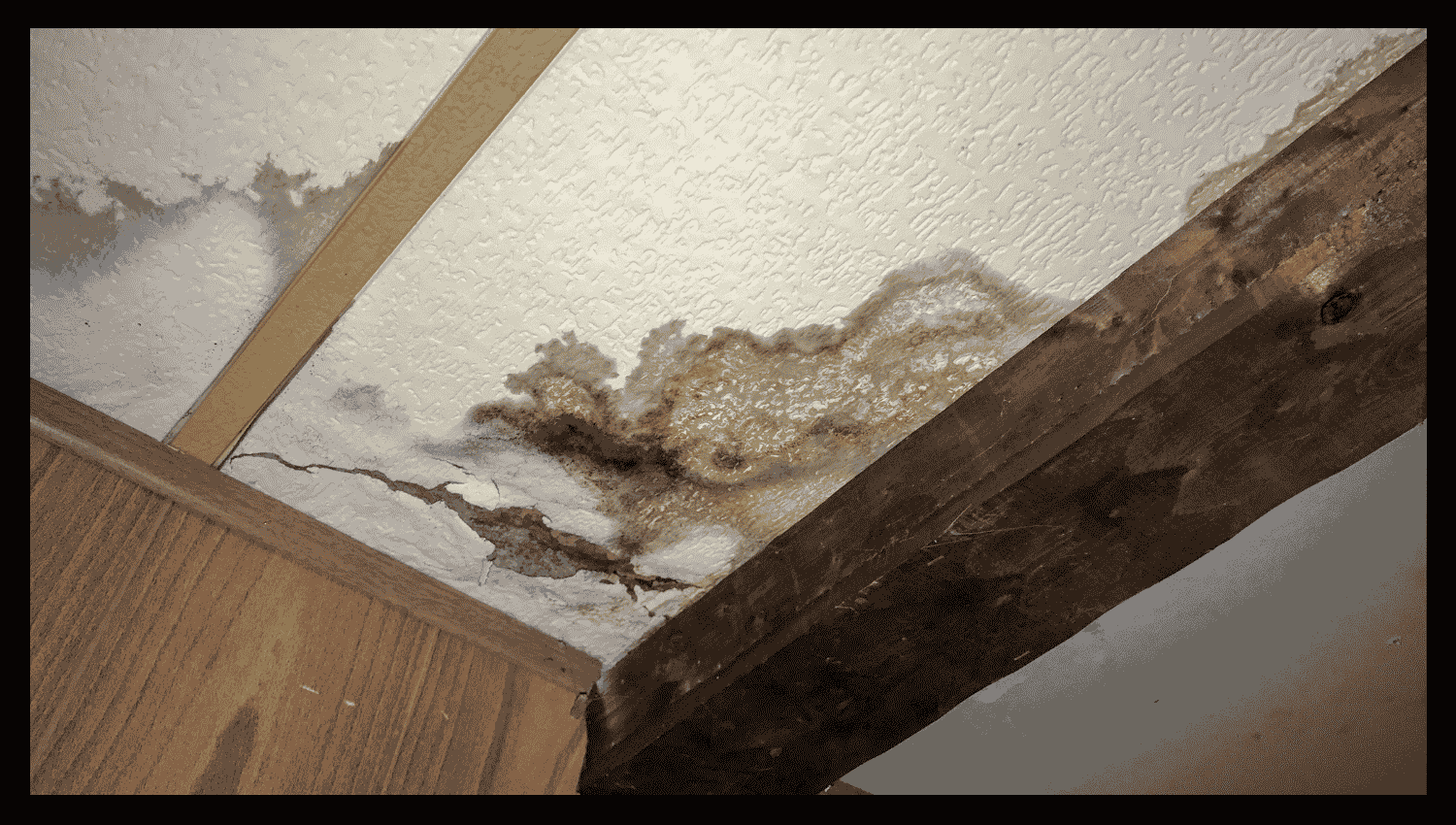
- Sagging Ceiling Sections: Water-saturated drywall becomes weaker and sags or bows.
- Soft Areas: Ceiling materials become soft or weak when lightly touched, which means that water is saturated behind the surface.
- Recurring Damp Spots: The stains or wet spots that keep coming back are likely a problem with an active leak that hasn’t been fixed.
- Musty Odors: The persistent smell indicates moisture above the ceiling.
Which Areas of the Home Commonly Experience Ceiling Water Damage?
Water leaks from numerous places in the home and causes ceiling water damage. Leaky plumbing fixtures or upper-floor bathrooms damage bathroom ceilings. Kitchens are a problem due to leaks from appliances and piping. Roof leaks cause stains on living room ceilings when they make their way through the attic. Water impacts bedrooms when it flows over the attic framing to the ceiling. Plumbing lines and HVAC ductwork leak without being noticed and go through hallways. Garages that are attached to the house lose ceiling sections as well, due to leaks in the roof over the garage.
What Hidden Problems Can Ceiling Water Damage Indicate?
Here are the 5 Hidden Problems Ceiling Water Damage Can Indicate:
- Undetected Roof Leaks: The first visible signs of roofing material failure or flashing failure that lets water into the home could be water stains.
- Concealed Plumbing Leaks: Water supply lines or drain pipes that leak under ceilings can allow water to leak without being noticed.
- Attic Moisture Problems: Poor attic ventilation or roof leaks can create wet conditions that eventually seep down through attic materials.
- HVAC Drainage Issues: Condensate drain lines can become blocked, or drain pans can overfill and constantly leak into ceiling cavities.
- Ongoing Water Intrusion: The recurring stains on the ceiling indicate the original water source likely has not been patched, and water is still getting into the structure.
Why Can Ceiling Water Damage Spread Beyond the Visible Stain?
Water seldom stops where it first enters the home. It frequently moves horizontally in framing members before it is seen. Water is trapped above completed surfaces, and ceiling cavities can retain moisture for long periods. Wet insulation can distribute moisture over a greater surface area because water becomes trapped in the fibres. Water can run along plumbing lines, electrical wiring, and building structure before reaching the ceiling.
What Safety Concerns Can Ceiling Water Damage Create?
Water-soaked ceilings and drywall lose their strength, and the ceilings become structurally weak. Saturated ceiling materials fall apart and collapse at any time if they are large enough. Water in proximity to electrical cords, ceiling fans, and light fixtures poses a risk for electrical hazards. Loose drywall, plaster, or ceiling texture can come off and fall. Slip hazards also exist in areas where water is likely to drip on the floor, particularly in high-traffic areas of the house. These safety risks are minimized with prompt repairs.
How Can Homeowners Inspect a Ceiling for Water Damage?
Here are the 5 Ways Homeowners Can Inspect a Ceiling for Water Damage:
- Look for Stains: Periodically check ceilings for signs of new yellow, brown, or dark discoloration, which indicate water intrusion.
- Check After Rainfall: Check ceilings after heavy rains because roof leaks show through during or after storms.
- Inspect Around Light Fixtures: Inspect around light fixtures for any fire hazards. Fire hazards cause serious damage and loss of life.
- Watch for Surface Changes: Check around ceiling fixtures, vents, and other holes in the ceiling for wetness, stains,s or discolouration.
- Monitor Recurring Damage: Notice stains that occur over and over after a rain or from using your plumbing is a sign of an ongoing leak that you haven’t yet been able to fix.
When Does Ceiling Water Damage Require Professional Evaluation?
Ceiling materials that start to sag and are structurally weak require professional evaluation. A growing water stain should be checked, as it is an active leak. A professional inspection is required if the source of the leakage is not determined. Immediate evaluation is recommended if water contacts electrical fixtures, ceiling fans, or wiring. There could be moisture inside the ceiling cavities, which requires specific equipment to identify the damage. Professional assessment is also vital when structural ceiling components have possibly been exposed to a long period of water invasion or when there have been regular water leaks despite previous remediation efforts.