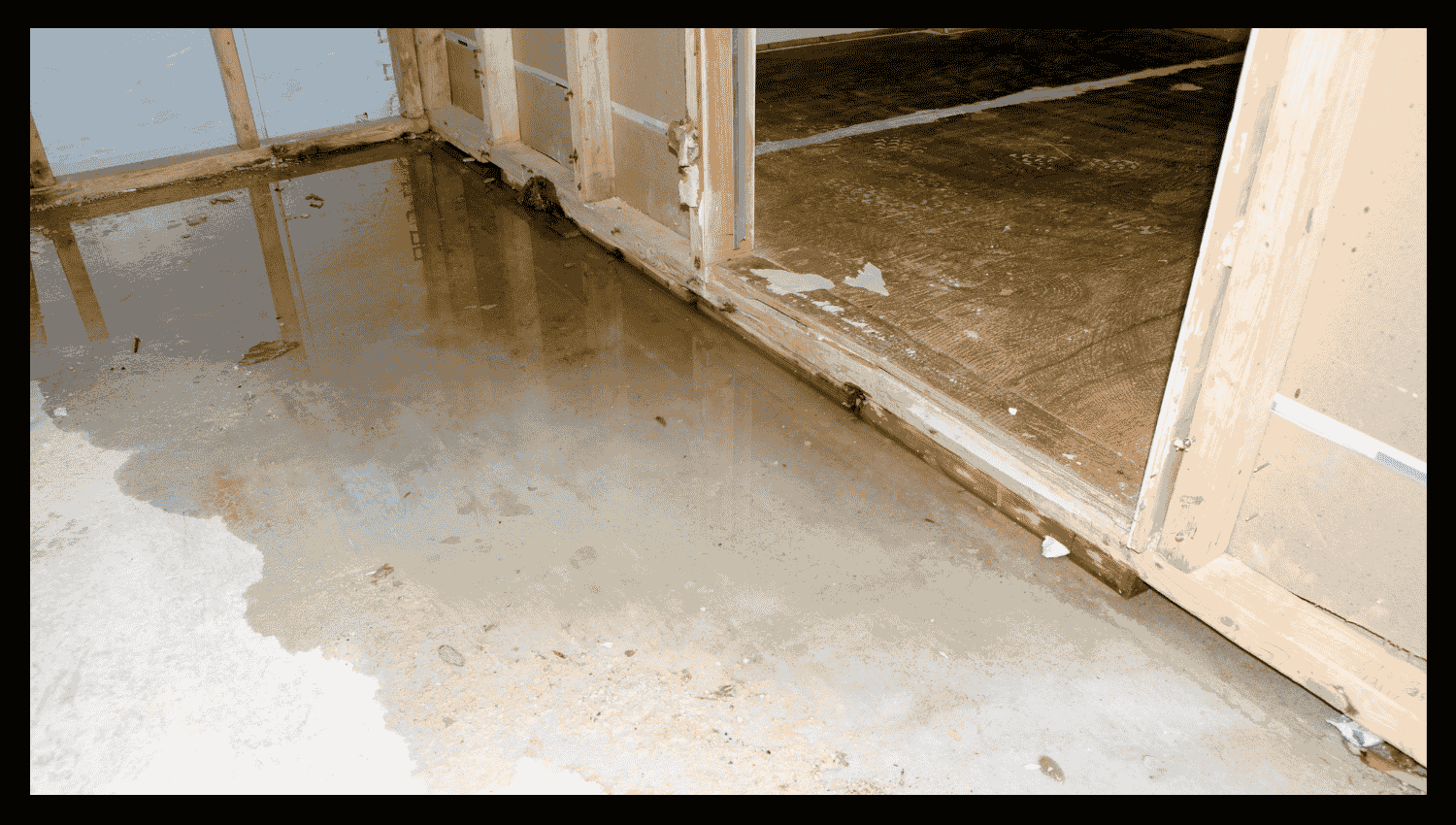
Basements are one of the least safe areas of the home because they are below ground level. They are continually exposed to the surrounding soil, groundwater, and foundation walls. Basement flooding results from cracks in the foundation, plumbing issues, inadequate drainage, or heavy rain. There are two types of basement water damage: sudden and gradual, resulting from small leaks and water accumulation.
Moisture affects walls, flooring, insulation, and building materials even in small amounts if left unnoticed. Dampness also alters the conditions indoors and causes property damage over time. Water does get into a basement in several ways. Hydrostatic pressure from groundwater flows through foundation walls. Cracks in concrete floor slabs allow water to percolate up the slab. Rainwater collects in basement window wells because a good drainage system has not been provided. Plumbing leaks, caused by broken pipes or faulty fittings, bring in water. Basement water damage can be prevented by repairing gutters, measuring basement humidity, inspecting the plumbing system, and maintaining ventilation.
What Are the Most Common Causes of Basement Water Damage?
Here Are the 7 Most Common Causes of Basement Water Damage:
- Foundation Cracks: One of the most common ways groundwater seeps into a basement is through foundation cracks. During heavy rain or high groundwater levels, water creeps in through small holes in walls or floors. The wider the cracks, the more water seeps into the basement.
- Poor Exterior Drainage: Rainwater accumulates around the home’s foundation when it is improperly graded, gutters are clogged, downspouts are too short, and drainage systems are blocked. Water does not run away from the site, but runs against basement walls, increasing the risk of water intrusion.
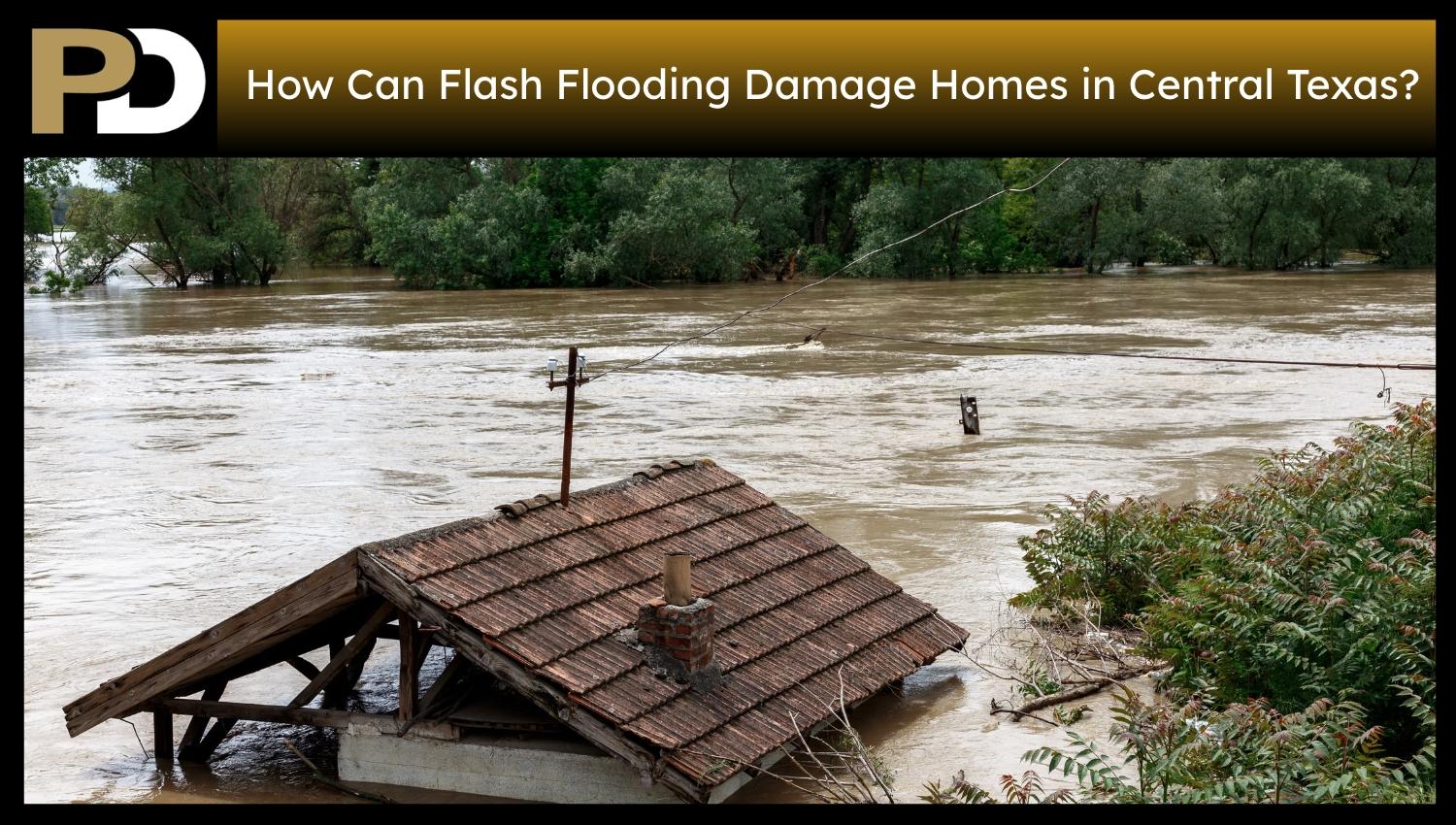
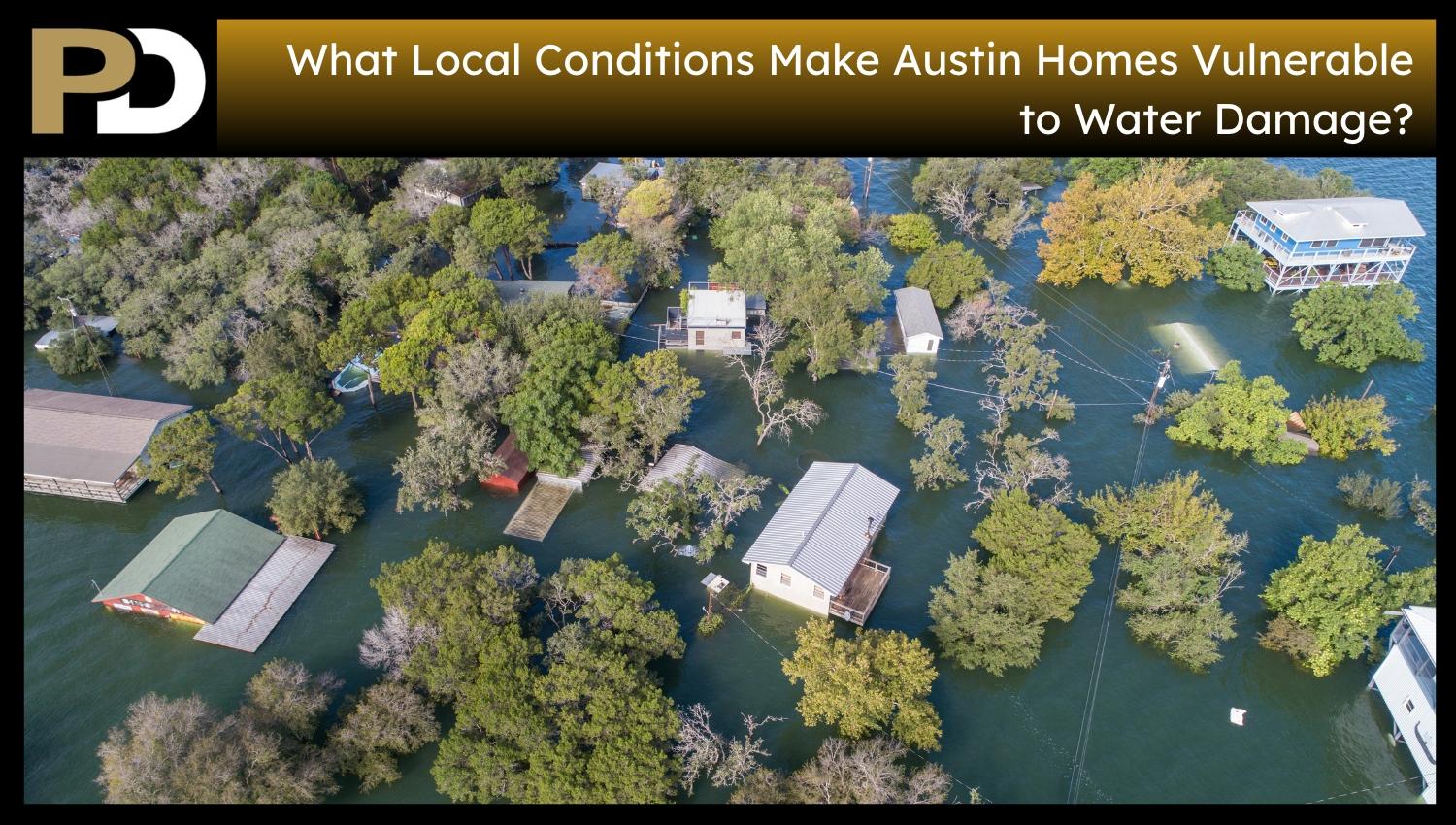
- Heavy Rainfall and Flooding: A high volume of water around the foundation occurs in a short period of time due to heavy rain and flooding. Drainage systems become overloaded, causing water to seep into the basement through walls, floors, windows, or foundation cracks.
- Sump Pump Failures: A sump pump is used to pump out the groundwater that accumulates under the basement floor. The pump is not working properly due to mechanical failure, power outages, clogged discharge lines, or poor maintenance. As a result, groundwater builds up and leaks into the basement.
- Plumbing Leaks: Leaky water heaters, broken pipes, washing machine hoses, and other plumbing leaks release water in areas of the basement. Hidden plumbing leaks persist and slowly go to work on the surrounding building materials.
- Sewer Backups: Backup occurs when the sewer is backed up, or the city sewer system is overloaded and contaminated wastewater backs up into the basement drain, toilet, or other plumbing fixtures. Basement floods from sewer backup are contaminated water that spreads rapidly throughout the basement.
- Condensation and High Humidity: A basement is cooler than above-ground floors. Warm, moist air cools and condenses on the basement’s cool walls, pipes, and concrete surfaces. The steady condensation keeps building materials wet and creates a persistent moisture issue.

What Are the Early Signs of Basement Water Damage?
Here Are the 7 Early Signs of Basement Water Damage:
- Damp or Wet Walls: Wet basement walls after the rain are a sign of water seepage or moisture issues with the foundation.
- Water Stains: Yellow, brown, or dark stains indicate previous or current water intrusion on walls, floors, or ceilings. Growing stains are likely to mean there is active moisture.
- Musty Odors: Musty odors that don’t seem to go away are a sign of moisture inside walls, floors, insulation, or stored items.
- Efflorescence on Concrete: The white powdery mineral deposits are caused by water flowing through concrete or masonry. Repeated moisture movement makes efflorescence a common symptom.
- Cracks in Walls or Floors: New or widening cracks create new or additional pathways for groundwater to enter the basement and are often indicative of foundation movement.
- Peeling Paint: The paint bubbles, flakes, or peels away from the basement walls shows that moisture is trapped below the surface of the wall.
- Increased Humidity: Dampness or moisture in the basement, with no water, is a sign that there is more moisture in the basement than should be.
What Hidden Problems Can Develop From Basement Water Damage?
Here are 5 Hidden Problems That Can Develop From Basement Water Damage:
- Moisture Behind Finished Walls: Drywall and insulation are used to build finished basements, which harbor moisture behind the walls. Water remains in wall cavities long after the surface seems to have dried out.
- Foundation Deterioration: Water causes concrete, masonry, and mortar to weaken over time. Existing foundation flaws worsen as water continues to be encountered.
- Structural Material Weakening: After long exposure to moisture, wood framing, support beams, floor joists, and other structural materials weaken. Deterioration is hidden before it becomes visible.
- Persistent Indoor Humidity: The moisture found in basement materials spreads throughout the home. Damp conditions are not limited to the basement and impact indoor comfort.
- Hidden Plumbing Damage: Water is leaking behind walls or under floors, and it’s not seen at present. Moisture infiltrates other building materials and is hidden.
How Can Homeowners Prevent Basement Water Damage?
Here are 7 ways homeowners can prevent basement water damage:
- Maintain Gutters and Downspouts: Maintain clean gutters and make sure downspouts are not near the house’s foundation.
- Improve Exterior Drainage: Good grading helps keep rainwater away from basement walls and minimizes water around the foundation.
- Seal Foundation Cracks: Repair any foundation cracks and openings before water seeps into the basement. Keep checking on cracks and determine their nature.
- Maintain Sump Pumps: Check and test sump pumps frequently to make sure they pump out water during big rain and floods.
- Monitor Basement Humidity: Increase ventilation and control humidity to decrease moisture levels and damp conditions inside.
- Inspect Plumbing Systems: Look for leaks and corrosion around water heaters, pipes, plumbing, washing machine hoses, and shut-off valves. Ensure urgent repairs if there are any faults in the plumbing system.
- Improve Ventilation: Make sure there is more airflow throughout the basement to improve the ability of surfaces to dry after moisture exposure.