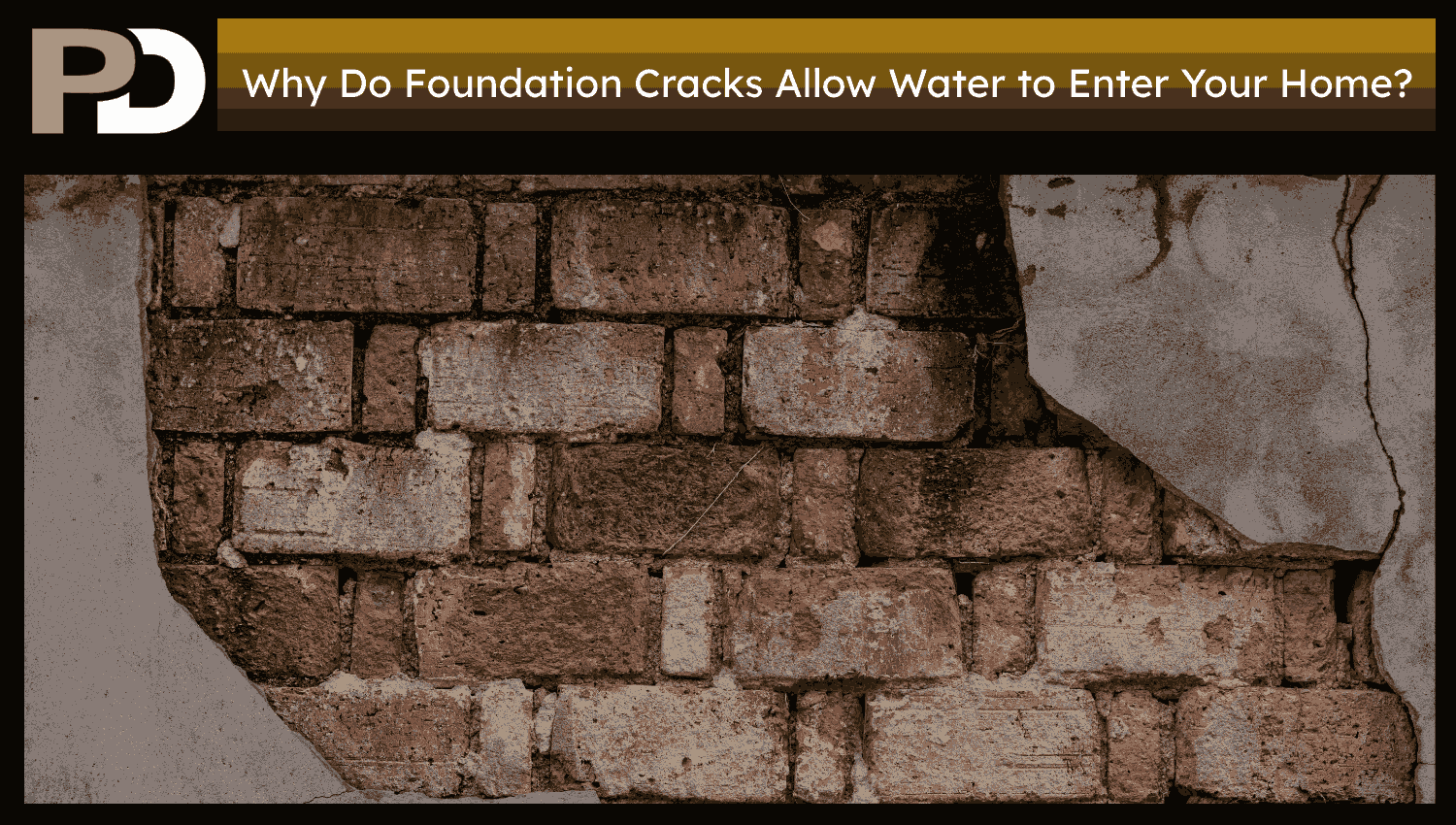
Cracked foundations are a common entry point for unwanted moisture into residential and commercial buildings. Even small cracks, over time, become avenues for rainwater and groundwater to enter, and not all cracks allow water into the house. Water repeatedly infiltrates these cracks, causing moisture to seep into basements, crawl spaces, wall cavities, and flooring systems. These conditions cause water damage that is not easily visible, and moisture accumulates over time.
What Causes Foundation Cracks to Develop?
Here are the 6 causes of foundation cracks to develop:
- Natural Foundation Settlement: Soil beneath the building continues to compress after construction, resulting in some settlement. This natural movement causes small cracks in foundation walls or slabs. Settlement cracks are not necessarily detrimental, and many do not widen over time; but if they do widen or are exposed to heavy rain or groundwater, they start to let in water.
- Expansive or Shrinking Soil: Moisture-sensitive soils are clayey and swell when moist and shrink when dry. These ongoing cycles impose constant stress on foundation walls and slabs, making it more likely for cracks to form. Continued soil movement increases the size of existing cracks over time and increases the risk for water intrusion.
- Hydrostatic Pressure: After rain or in wet conditions, groundwater builds up around the foundation, causing hydrostatic pressure. Saturated soil presses against the foundation walls, driving water towards any opening. The high groundwater pressure is sufficient, as even small fissures allow water to penetrate.
- Freeze-Thaw Cycles: During the winter months, water trapped in small foundation cracks expands when it freezes and contracts when it thaws in colder climates. Over time, this expansion and contraction causes the cracks to widen and open, making them more susceptible to water entering during the next rain or snowmelt.
- Tree Root Activity: Tree roots that grow near a building cause problems as they spread in search of water. Root growth causes the soil beneath the foundations to move, leading to settlement, movement, and cracking. These modifications over time create new avenues for water infiltration into the structure.
- Material Deficiencies: The strength of the foundation materials is compromised by poor construction, poor-quality concrete, inadequate reinforcement, or deterioration over the years. The aging of the foundation and cracked portions are more prone to cracking, allowing more moisture to infiltrate through these cracks.
What Are the First Signs of Water Intrusion Through Foundation Cracks?
Here are the 5 First Signs of Water Intrusion Through Foundation Cracks:
- Damp Basement Walls: The walls in the basement are wet after rain, which suggests that water is seeping through cracks in the foundation. The always-damp surfaces, even in the absence of standing water, are a sign that groundwater is entering the structure.
- Water Seepage: The initial sign of water intrusion in the foundation is small puddles of water at the intersection of basement walls and the floor. Seepage occurs only during heavy rains or when cracks enlarge.
- White Mineral Deposits : The evaporation of water through concrete or masonry leaves a white, chalky mineral deposit, called efflorescence. This deposit isn’t bad, but it indicates that some moisture has been traveling through the foundation.
- Musty Odors: Basements or crawl spaces with persistent musty odors are caused by moisture seeping through cracks in the foundation. These odors occur even before water damage is visible and are a warning of prolonged water exposure.
- Expanding Foundation Cracks: The cracks grow in size or length, or become more visible over time, which indicates continued structural movement or increased water pressure around the foundation. Cracks that are expanding are more likely to cause repeated water intrusion.
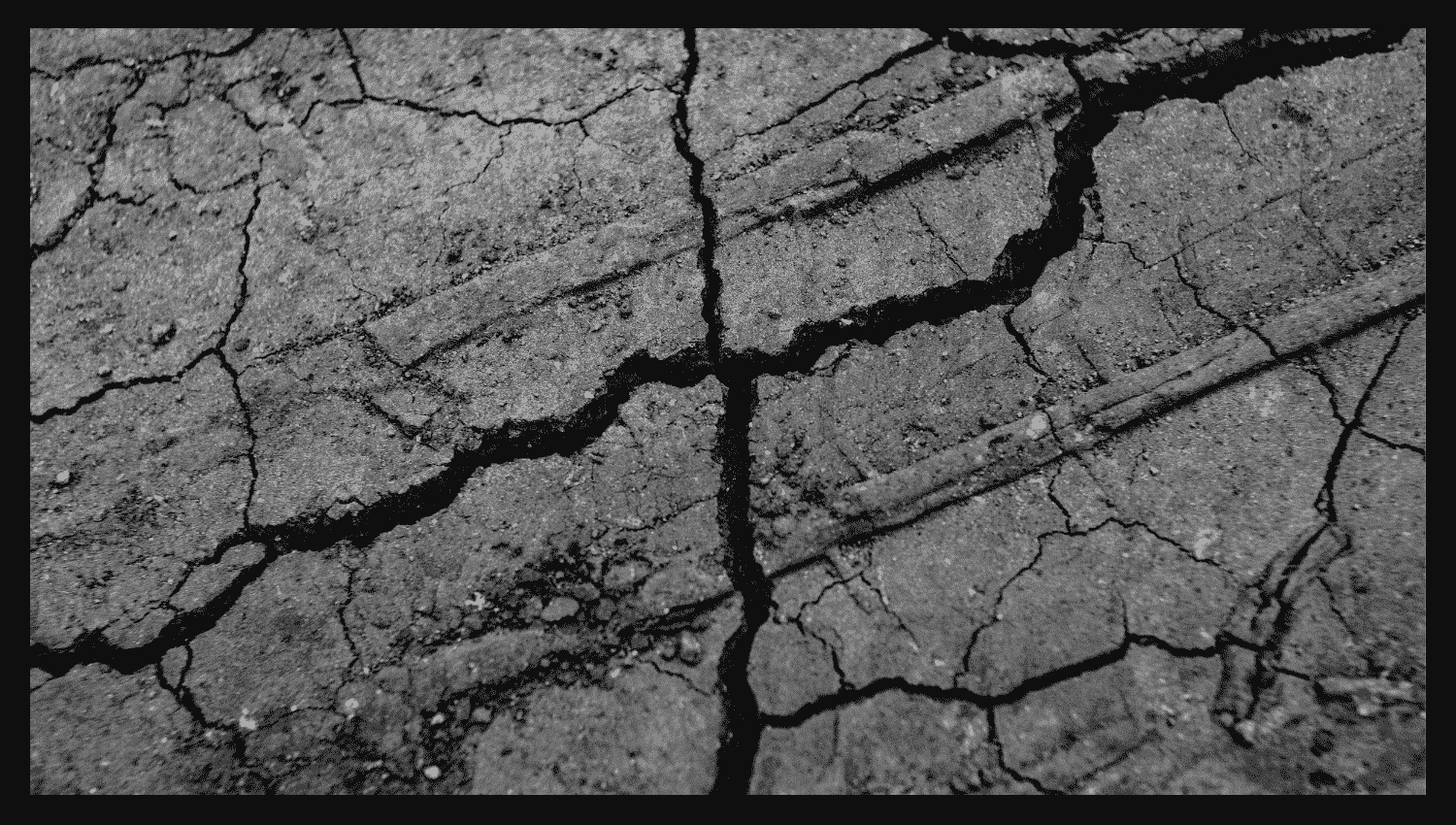
Which Types of Foundation Cracks Are Most Likely to Allow Water Intrusion?
Here are the 5 Types of Foundation Cracks That Are Most Likely to Allow Water Intrusion:
- Vertical Cracks: Vertical Cracks are common and are caused by concrete shrinkage or normal settlement. They are not necessarily as serious as other types of cracks, but they penetrate the full thickness of the foundation wall, allowing rainwater and groundwater to enter.
- Horizontal Cracks: Hydrostatic pressure exerted on foundation walls is related to horizontal cracks. These cracks are more likely to allow water to enter the structure and should be closely monitored, as they indicate significant stress.
- Diagonal Cracks: Diagonal cracks form when the foundation is subjected to unequal movement among its portions. These irregular openings create multiple pathways for moisture to pass through, particularly during periods of heavy rainfall or when the soils are saturated.
- Floor Slab Cracks: Basement floor slabs develop cracks that allow groundwater to flow upward through the concrete. Water infiltration through slab openings causes water to seep beneath floor coverings, leading to dampness in indoor areas without standing water.
- Expansion Joint Openings: Expansion joints are used to accommodate natural movement within the building. These joints become disjoined or weakened with age, allowing groundwater to seep into the structure, especially during rainy weather.
Where Does Water Travel After Entering Through the Foundation?
Water that enters through foundation cracks does not stay in one place. Water sometimes wicks up walls of basements and travels horizontally or vertically to the floor slab or to the completed wall system. Crawl spaces trap moisture beneath the building, causing it to accumulate throughout the building. Water also seeps under flooring products, through insulation, and into concealed openings in walls. Over time, water intrusion spreads to other rooms around the initial entry point, making the problem larger than initially apparent.

How Can Foundation Water Intrusion Remain Hidden?
Water intrusion into your home’s foundation is gradual and does not show up until a large amount of water has collected. Water is retained behind completed basement walls, beneath flooring systems, and within invisible insulation. The movement of groundwater beneath the structure is also hidden from view, and the water’s source is difficult to identify. Seasonal weather conditions also obscure the issue, as seepage is only visible during heavy rain, snowmelt, or periods of high groundwater. The damage occurs over months or even years, and the property owner may not notice the problem until stains, odors, or visible damage appear.
How Can Foundation Water Intrusion Affect Indoor Conditions?
Foundation cracks cause large amounts of water to enter the building and have a substantial impact on the indoor environment, even where no water is visible. The dampness beneath the structure raises humidity in the house, making it difficult to enjoy. Musty odors tend to linger in basements and surrounding areas, are persistent, and are caused by hidden water. Dampness persists, leading to poor indoor air quality due to ongoing exposure and reduced airflow effectiveness. Basements and lower levels are compromised and are cooler, damper, and less comfortable than other parts of the home due to constant groundwater penetration.
How Can Foundation Water Intrusion Affect Property Value?
Water intrusion from the foundation diminishes a home’s value and sale price. Home inspections cause a loss of confidence in the buyer if visible foundation cracks, damp basements, and water stains are noted on the inspection report. Groundwater intrusion also affects property appraisals, as it indicates the need for future maintenance and repairs. Buyers interpret any issues with foundation moisture as a sign of potential structural problems, which makes them leery about buying the house. This situation reduces resale value and makes any home or business less appealing in the real estate market if it is a long-term issue.