Foundation drainage solutions rely on proper surface grading and an appropriate system to direct surface water away from the building and collect and remove it. Good drainage avoids structural damage and helps to prevent damaging house flooding. The Department of Energy (DOE) Building Science guidance lists three methods to reduce foundation saturation: grading, perimeter drains, and free-draining materials. Homeowners should understand the drainage components and how they work together to protect the building envelope. A thorough solution addresses surface runoff and hidden subsurface moisture. Drainage systems provide structural stability and keep a building’s interior dry over time when installed correctly.
How Does Proper Grading Help Drain Water Away From the Foundation?
Surface grading is the first line of defence against foundation water damage. The area immediately around the foundation should slope away from the house, not toward it, to carry water away. Depressed areas next to the home need to be fixed, as they collect rainwater and continually flood the same soil. Firmer, newer, or repaired foundations have soil buildup around them that has been backfilled. This settles over time and permanently changes the original drainage slope. Landscaping projects are done with the correct grade, and the owner is responsible for maintaining it. Mulch beds, edging, and soil additions should never face the foundation, as they create a barrier that prevents water from returning to the foundation. DOE Building Science guidance suggests that where there are insufficient slopes due to property boundaries or retaining walls, swales or other alternate drainage systems should be used.
When Can a Swale Improve Foundation Drainage?
A swale is a shallow, surface-water channel used to control runoff from heavy rainfall. This low spot collects water flowing over the yard and helps to direct it safely away from the house. Downhill properties reap huge rewards if the drainage path diverts uphill water flow. A well-laid-out swale keeps much of the surface water from reaching one area of the foundation. These shallow channels use the property’s natural elevation instead of mechanical pumps. The swale should remain open year-round. Avoid restricting water flow through the channel due to vegetation, soil buildup, complex landscaping, or yard debris.
How Does a French Drain Help Manage Water Near a Foundation?
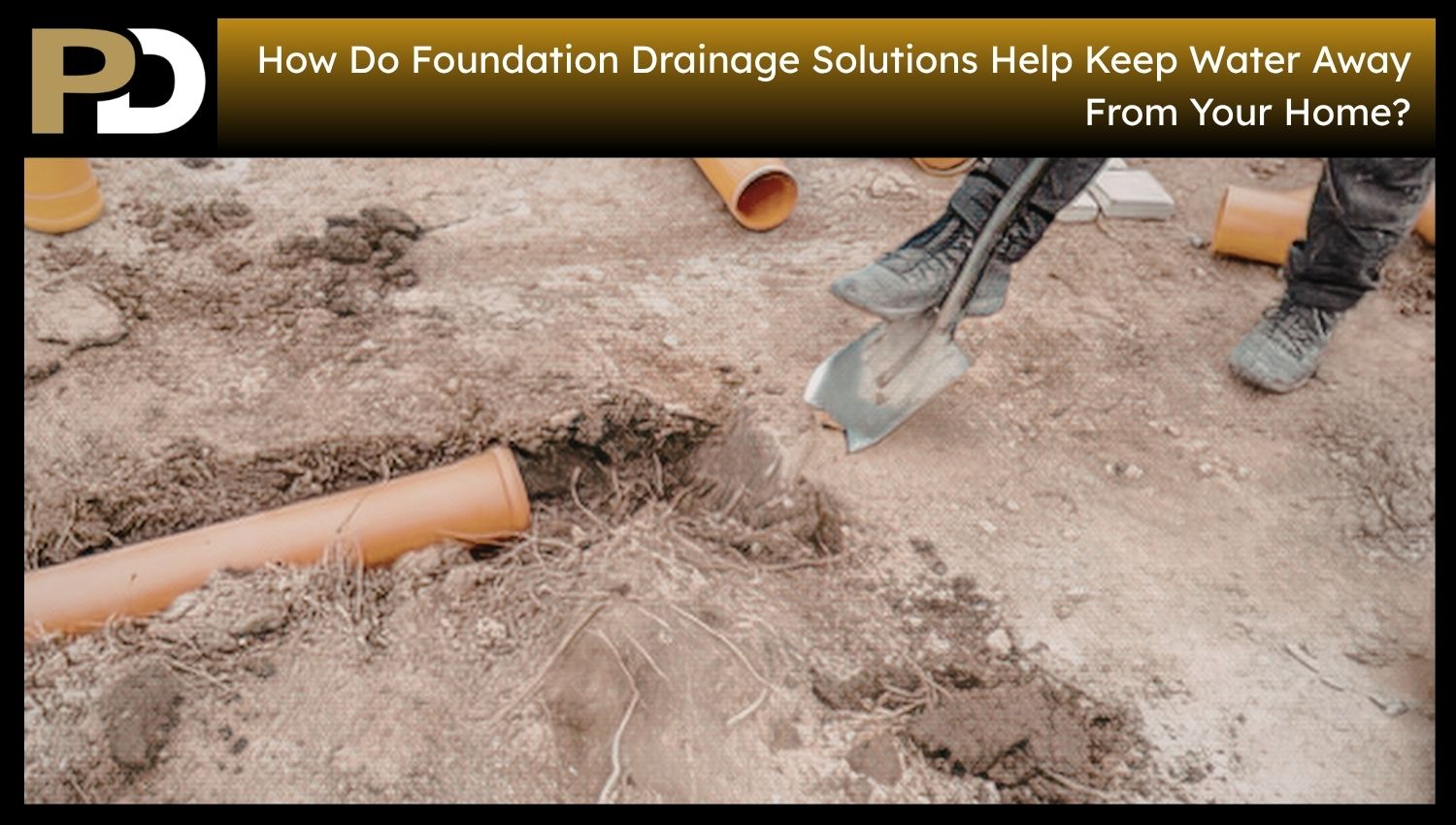
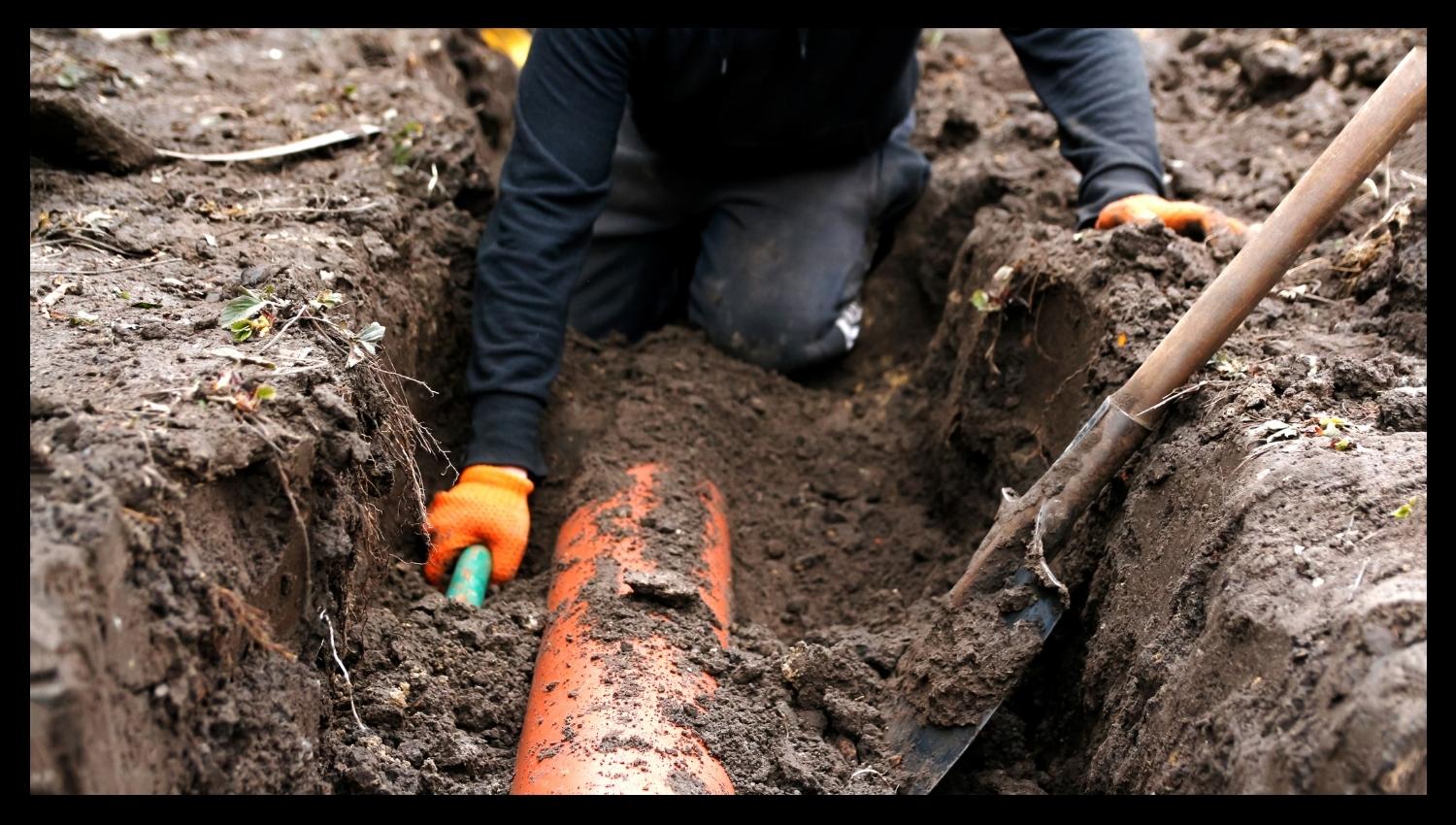
A French drain efficiently controls moisture in the subsoil that is difficult to see from the ground. It includes a trench with a perforated drainage pipe in the center, surrounded by a layer of gravel. This system uses a gravel-filled trench with a perforated drainage pipe in the middle to intercept water entering the surrounding soil. The collected water drains to an appropriate place, not simply next to another part of the house. French drains provide great service when water repeatedly pools and inundates the soil around the foundation. Installers add drainage aggregate and geotextile filter materials to prevent fine soil particles from clogging the perforated pipe. Outlet design remains critical for this system to work properly. The drain fails altogether without a safe place to discharge the collected water.
What Is a Perimeter or Footing Drain?
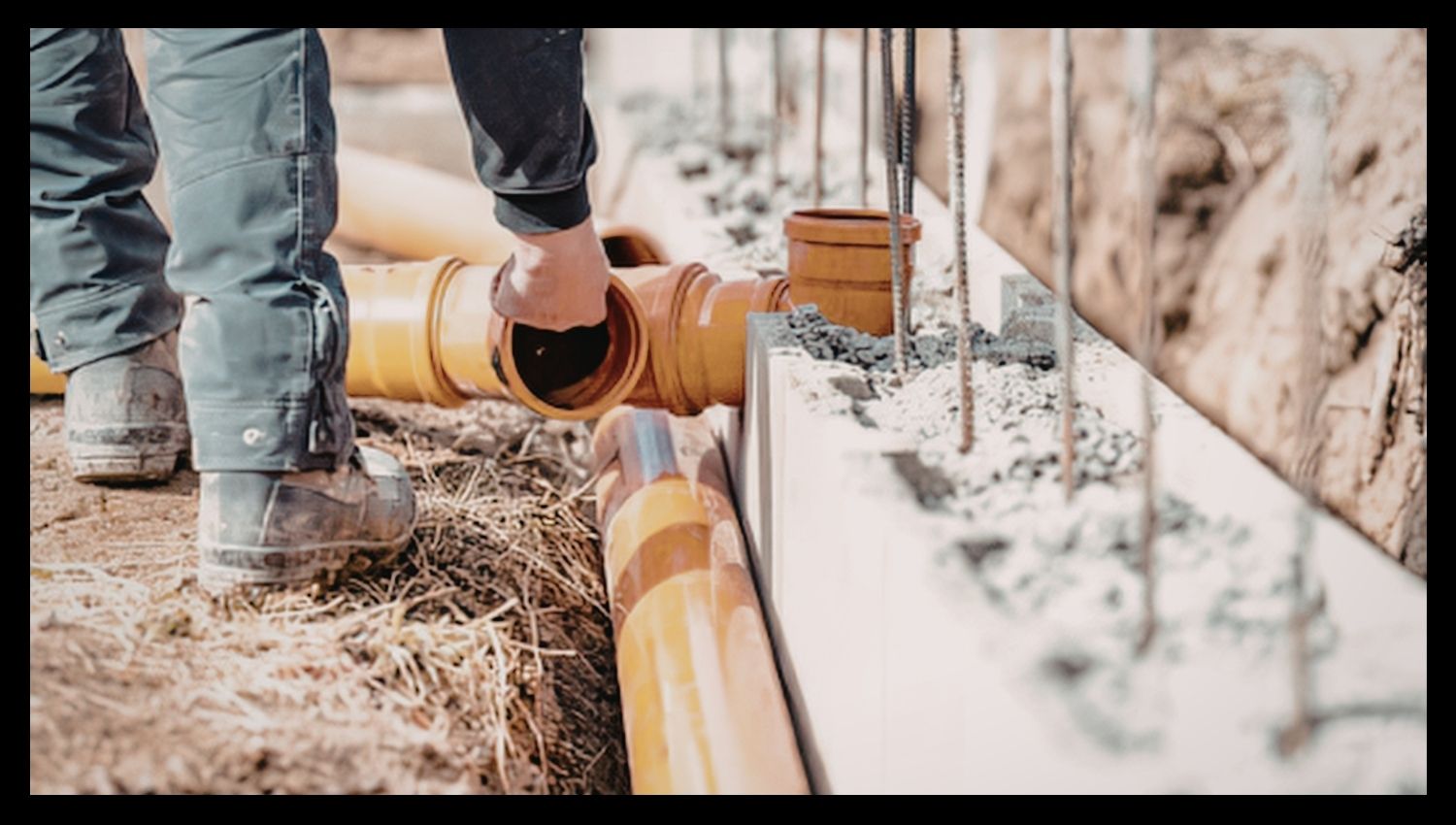
A footing or perimeter drain controls deep groundwater before it reaches the low portions of the structure. Install this perforated pipe next to the bottom of the foundation footing. The system captures groundwater or water that drains down from the soil into the foundation before it pools around the foundation walls. According to DOE Building America guidance, footing drains are critical for moving water away from the foundation. The trench has free-draining aggregate (such as washed stone), which allows water to flow directly to the drain. A protective filter fabric restricts sediment entry, greatly reducing the chance of a clog in the drainage system. This deep system needs a reliable discharge point, achieved through gravity or a dedicated sump pump system.
When Is an Interior Foundation Drainage System Used?
An interior foundation drainage system controls water when exterior defenses fail. Water that gets to the lower part of the foundation walls or the concrete slab’s edge is directed through interior drainage channels. The system provides a dedicated waterway and prevents water from flowing over the basement floor. Contractors install these systems when the house cannot be excavated completely around the exterior because of difficulty or cost. Interior waterproofing or yard grading will not replace the exterior waterproofing and grading work needed. Exterior grading and drainage systems must continue to minimize excess water outside of the home. Water and flow distribution requirements inside the building require careful design to consider the building’s foundations, water flow, and discharge points.
How Does a Sump Pump Support Foundation Drainage?
Foundation or interior drains channel collected water to a low point known as a sump basin. The pump actively removes this water from the structure and discharges it to an approved outdoor location. The pump capacity must match the anticipated inflow to prevent ponding in the basin. The homeowner inspects the discharge point to ensure the pumped water doesn’t flow back toward the house. Heavy demand during power outages comes from severe storms that cause power failures. According to FEMA, a sump pump-based foundation drainage system needs enough capacity and battery backup power for large water events.
What Role Do Drainage Boards and Free-Draining Backfill Play?
Drainage boards and backfill materials control vertical drainage movement along the foundation walls. Draining mats with dimples allow water to flow through the mat to a lower level, instead of being trapped against the wall. These systems are used with a footing drain, not on their own. A suitable free-draining aggregate backfill lets moisture flow more readily to the drainage system. These materials reduce the need for native soil that is dense and waterlogged and remains that way for long periods around the foundation walls. Dedicated drainage paths and waterproof foundation elements provide maximum protection for the structure. Drainage actively manages water flow, whereas damp-proofing does not.
What Foundation Drainage Problems Require Professional Evaluation?
The site and soil are highly complex if water continues to pool after surface grading improvements. Over time, older perimeter drains become combined, structurally compromised, disconnected, or ineffective. Professional design is critical when natural slope is limited, and gravity cannot remove water from the property. A sump pump that runs constantly indicates a very high groundwater level or a drainage requirement that a structural expert should assess. Swales, footing drains, downspouts, and grading all work together without interfering with each other. Plan professionally to prevent severe damage to structures and utilities when excavating around footings and foundation walls.