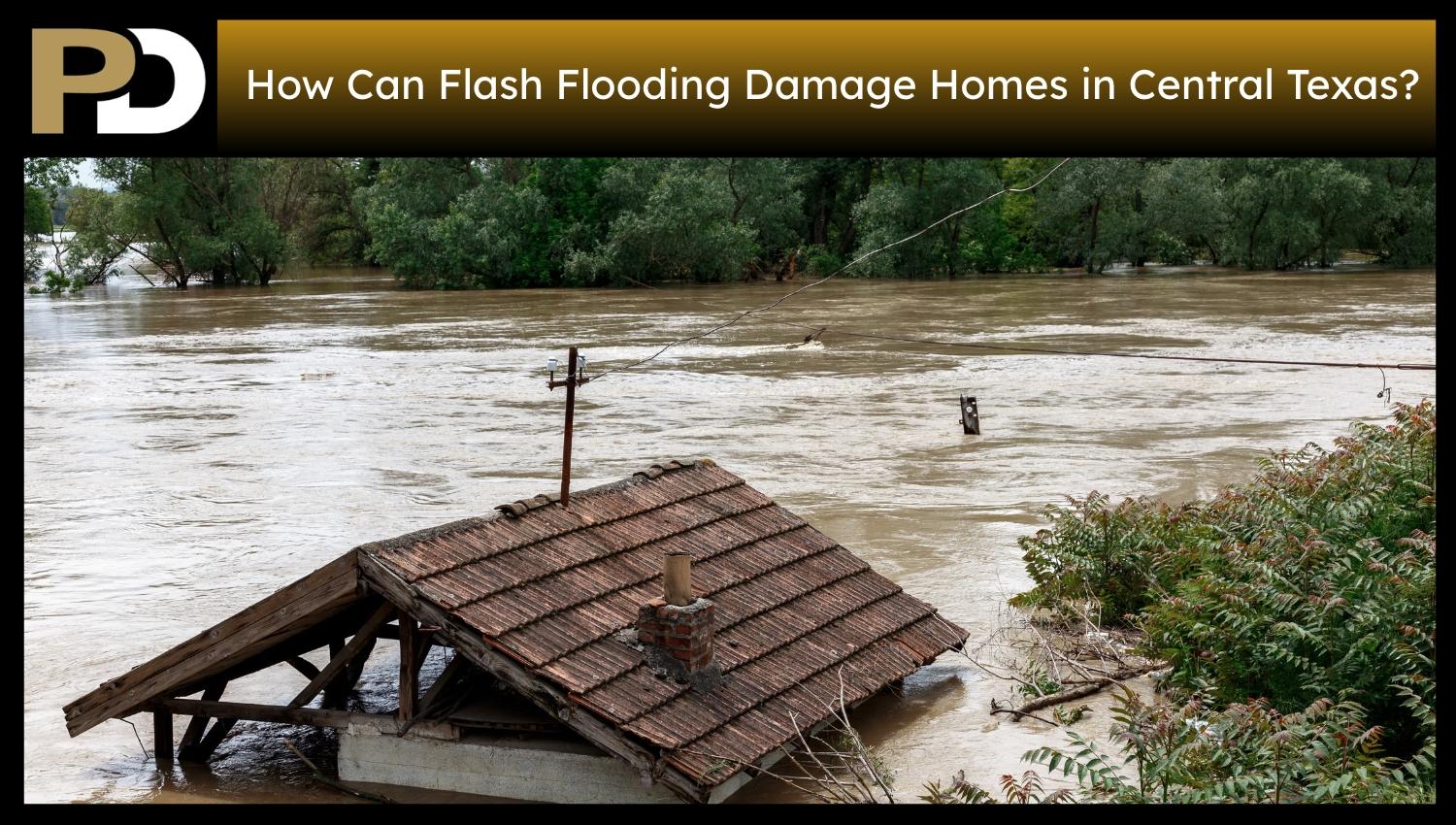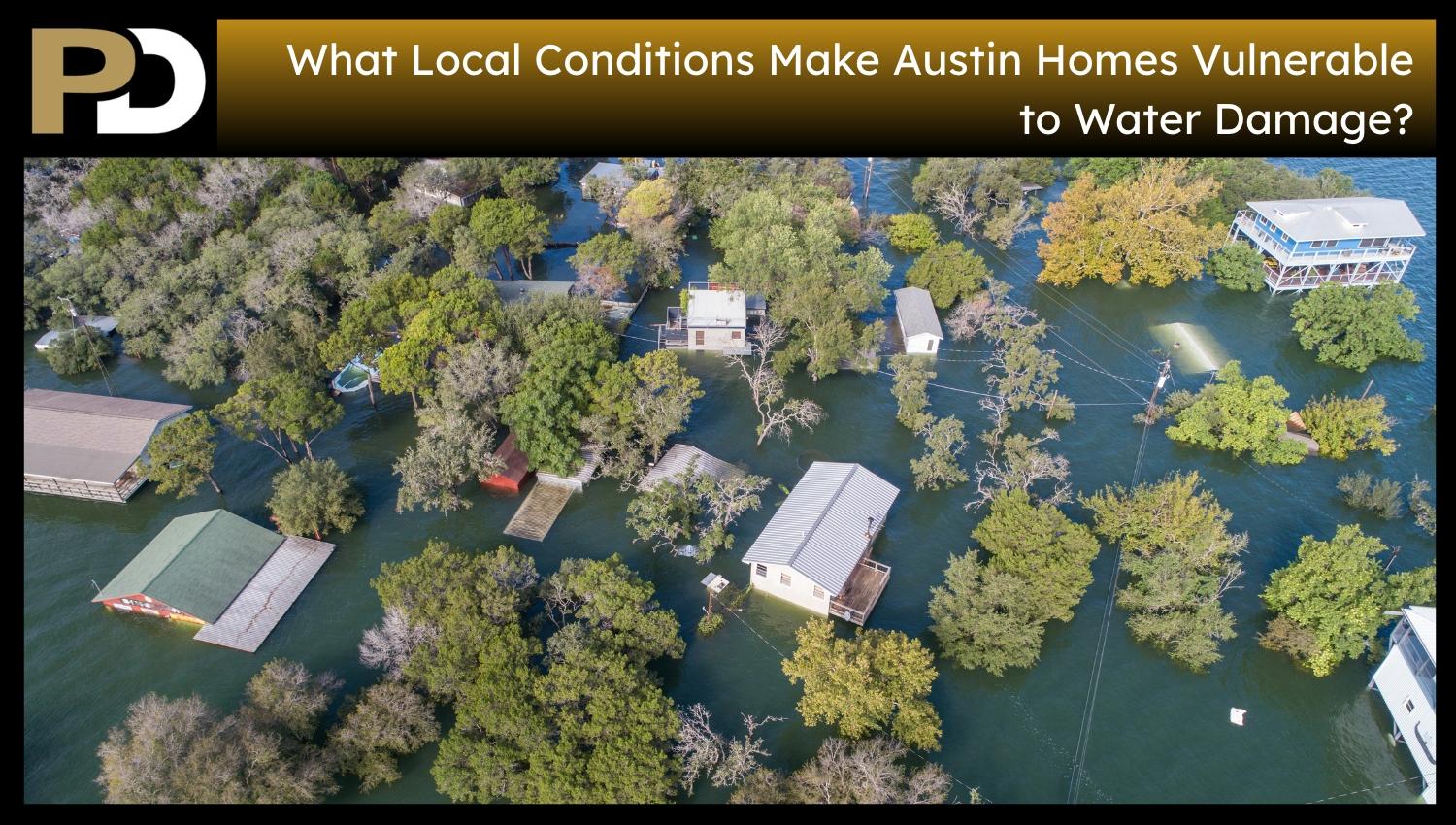
Category 3 water damage occurs when a high amount of gross contamination and harmful agents are present. Category 3 water damage includes wastewater and sewage backups, which contain infectious microorganisms and other harmful substances that enter the building. Water that has backed up from a river, stream, or sea, or has been standing in a waterway for a long time and has collected dirt and debris, is considered Category 3 water, depending on the circumstances and contaminants present. Category 3 water restoration procedures are required if the water intrusion touches any body of water containing sewage, human waste, chemicals, or other dangerous materials. Guidelines clarified by the IICRC (Institute of Inspection, Cleaning and Restoration Certification) in March 2026 indicate that not all storm or rainwater intrusion is “automatic Category 3,”. This institution also said that water damage categorization must always be based on the actual conditions and contamination found at the property.
What Health Risks Can Category 3 Water Create?
Here are the 5 Health Risks Category 3 Water Can Create:
- Bacterial Exposure: Floodwater and sewage are contaminated with bacteria that cause illness if they come in contact with you.
- Gastrointestinal Illness: Microorganisms in contaminated water cause symptoms such as diarrhea, vomiting, and nausea.
- Skin and Wound Infections: Cuts and punctures, rashes, and open wounds can easily become infected after Category 3 Water exposure.
- Mold-Related Exposure: Damp building materials support mold growth, worsening respiratory and allergic issues.
- Chemical Exposure: Floodwater can contain chemicals, pesticides, and fuels from damaged containers, which can be harmful.
How Can People Be Exposed to Category 3 Contaminants?
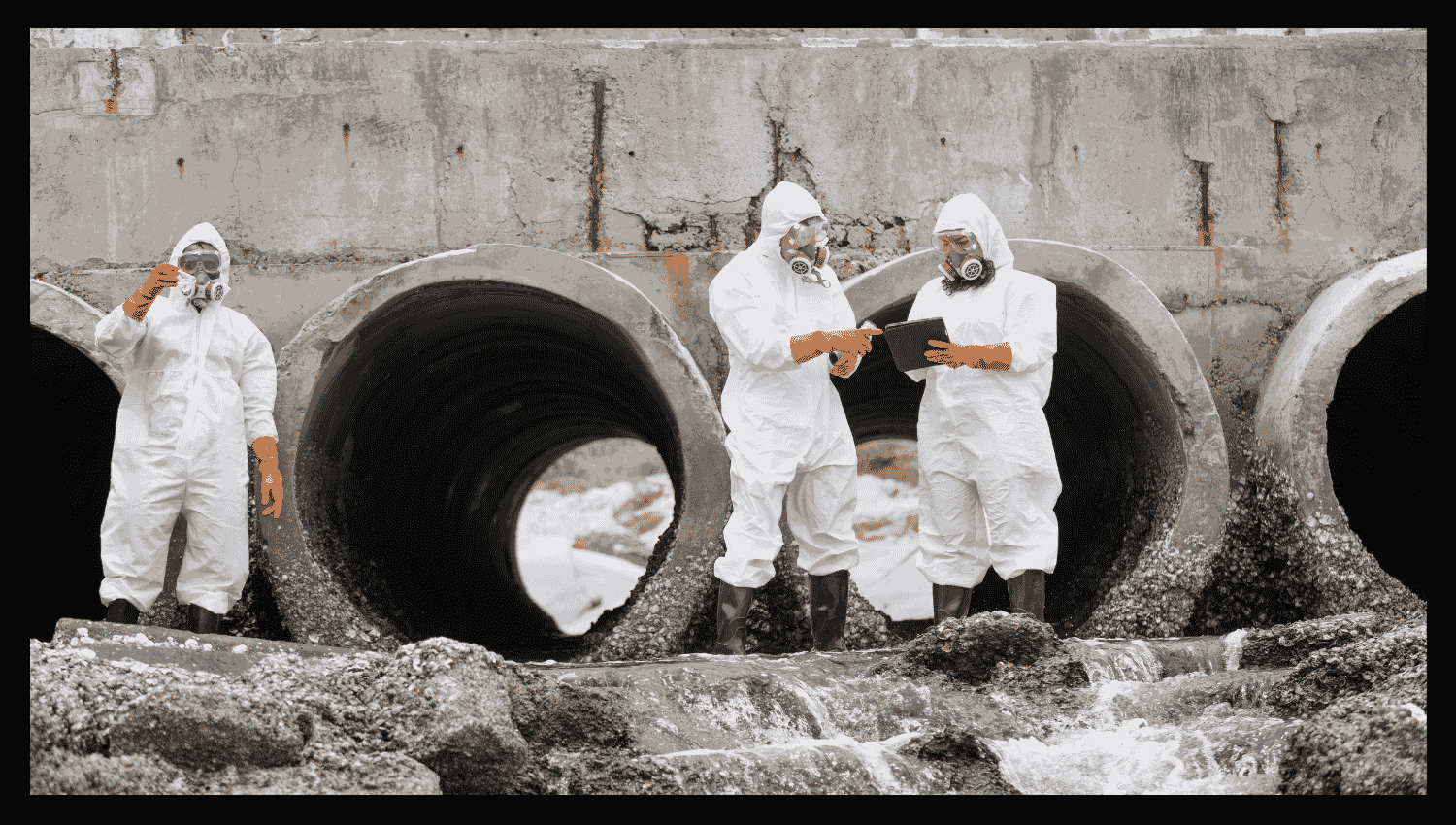
People are exposed to Category 3 contaminants by walking through or touching contaminated water. Keep cuts and open wounds away from floodwater, as they provide an easier route for infection. Contamination can easily happen if it is accidentally transferred from hands, surfaces, or food to the mouth. Mold, dried contamination, and dust also spread when cleanup activities stir up contaminated dirt, so try to avoid breathing in unnecessary amounts of these microorganisms. Contact with contaminated articles such as carpets, furniture, toys, and personal items is a possible route of exposure until the items are cleaned or disposed of.
Who Is More Vulnerable to Category 3 Water Exposure?
Children have more contact with surfaces, toys, and floors, so avoid floodwaters and areas where cleanup is occurring. Older people are at very high risk, especially if they have an underlying medical condition or weakened immune system. Microbial exposure is a much greater concern for immunocompromised individuals. Respiratory conditions can develop from exposure to mold, dust, and cleanup products. People with open wounds are at very high risk of infection after exposure to contaminated floodwater.
Why Is Category 3 Water Damage Dangerous Even After the Water Is Removed?
Category 3 water damage remains a hazard even after the standing water is removed because microorganisms and contaminants remain on floors, walls, and contents. Drywall, carpet, insulation, and upholstery are porous materials that absorb and hold contaminated water. Water can enter structural cavities, under cabinets, behind walls, and in hidden areas and remain contaminated. Damp materials easily grow microbial mould even after the standing water is no longer visible. There is no guarantee smells have reduced once sewage is removed and the area is dried.
What Should You Avoid After Category 3 Water Damage?
The CDC advises avoiding contact with flood water after Category 3 water damage whenever possible, since it contains infectious, chemical, and physical hazards. Keep children and pets out entirely to prevent them from reaching contaminated rooms and items. Avoid handling sewage or contaminated materials without appropriate gloves, boots, eye protection, and other protective clothing. Do not use contaminated household products or food, and assess porous products before reuse. Don’t assume dry means clean, as materials remain highly contaminated long after the surface dries.
Can You Clean Up Category 3 Water Damage Yourself?
Self-cleanup of Category 3 water damage is strongly discouraged because contamination is not visible. Not all pathogens and chemical contaminants are visible or detectable by smell. Personal protective equipment (PPE) is required, and OSHA advises carefully evaluating hazards before starting flood cleanup to decide whether respirators and full suits are needed. Contamination is easy to miss inside wall cavities, subflooring, and insulation. Improper cleanup can spread contamination to other areas of the house that were not originally contaminated. Items contaminated with high levels of lead cannot be safely dried and reused. The EPA recommends discarding items that can’t be properly cleaned and dried.
How Do Professionals Handle Category 3 Water Damage?
Here are the 8 ways professionals handle Category 3 Water Damage:
Contamination Assessment: Skilled technicians assess the affected property, identify the water source, determine which materials were affected, and assess the extent of contamination.
- Area Containment: Professionals carefully assess affected areas to minimize contamination during restoration.
- Personal Protective Equipment: Restoration crews select appropriate PPE based on identified hazards and the scope of the cleanup.
- Contaminated Water Extraction: Professional crews remove standing contaminated water using specialized equipment (sucking pumps).
- Removal of Unsalvageable Materials: Crews safely remove and dispose of heavily contaminated porous materials.
- Cleaning and Decontamination: Crews thoroughly clean and decontaminate any remaining surfaces and materials per proper restoration guidelines.
- Structural Drying: Professional drying and dehumidification equipment (LGR and desiccant dehumidifiers) treats moisture left in structural materials.
- Moisture Monitoring: Technicians closely track moisture conditions in affected materials to ensure complete drying to moisture goals.