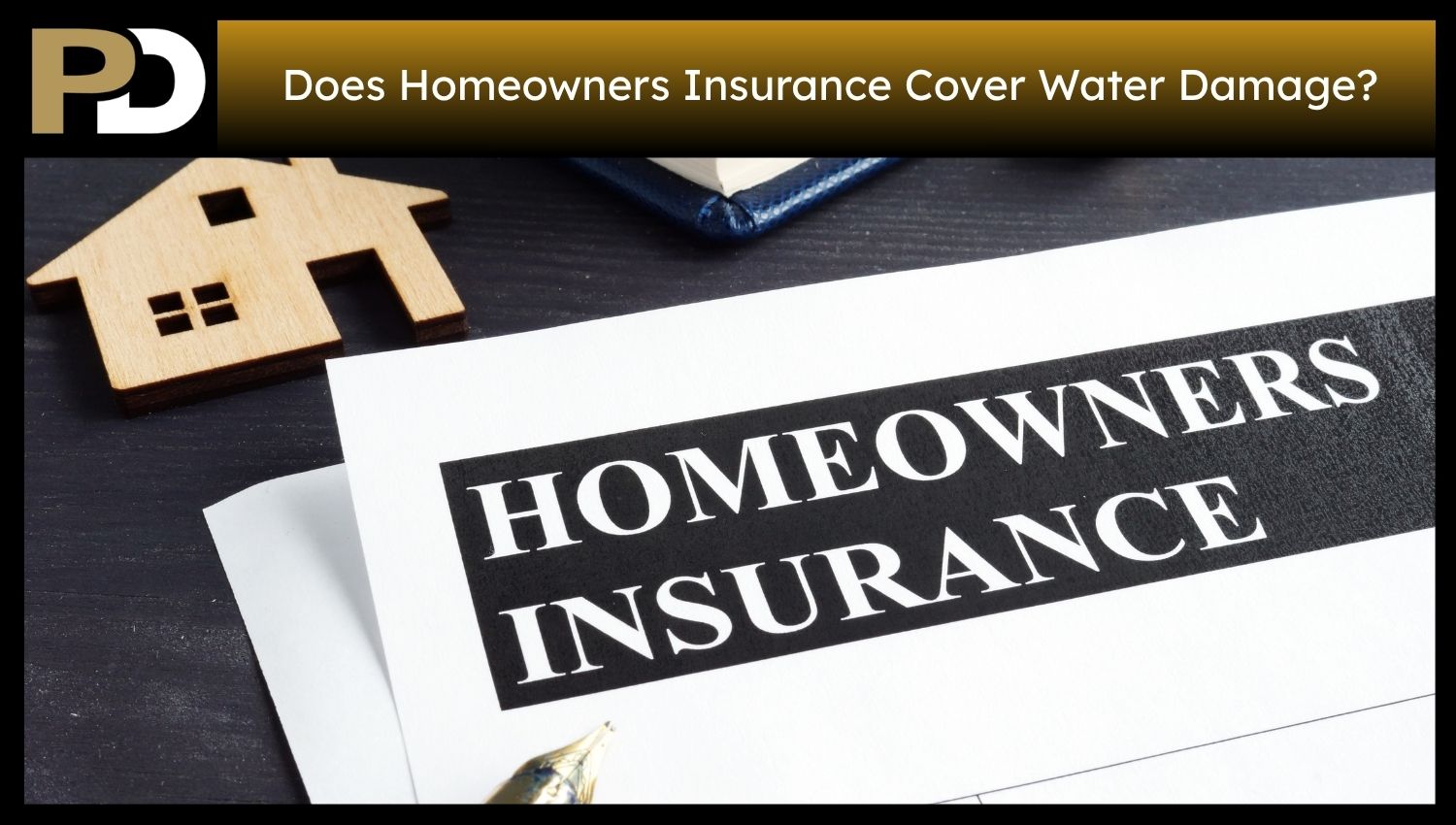
Water damage coverage in homeowners policies extends to sudden, accidental water damage caused by a covered cause. Common sources of water damage include broken washing machine hoses, overflowing toilets, burst pipes, and some appliance water discharges. Coverage is based on the policy terms, exclusions, limits, and endorsements. A series of leaks, maintenance issues, repeated seepage, and external flooding are treated differently. Once homeowners know the cause of the water damage, they better understand how their insurance coverage generally applies.
When Does Homeowners Insurance Typically Cover Water Damage?
Homeowners insurance covers water damage when the event happens suddenly and accidentally. The water must be from a source covered by the policy, such as a plumbing system or household appliance. The loss must also be covered by the policy, within the specified policy exclusions. Coverage considerations such as deductibles, coverage limits, endorsements, and policy wording can affect coverage even if the water damage is sudden.
What Types of Water Damage Are Commonly Covered?
Here are the 5 Types of Water Damage That Are Commonly Covered:
- Burst Plumbing Pipes: Burst plumbing pipes are an example of covered water damage. This damage is covered under the policy if the loss is sudden and accidental.
- Toilet Overflows: Water damage from an unexpected toilet overflow is considered sudden and accidental if the cause of the overflow and the terms of the policy are consistent with coverage criteria. This situation affects the insurance issue even after the overflow.
- Broken Washing Machine Supply Hoses: A burst washing machine supply hose can damage floors, walls, cabinets, and other items in the area. This is one of the most common types of covered water damage.
- Appliance Water Discharge: A household appliance or its plumbing line suddenly fails, causing covered water damage. The damage is covered, but it depends on the policy terms.
- Frozen and Burst Pipes: Many homeowners policies cover resulting water damage from frozen and burst pipes. These losses are covered under the conditions and limitations of the policy.
What Types of Water Damage Are Usually Not Covered?
Here are the 4 Types of Water Damage That Are Usually Not Covered:
- Gradual Leaks: Water damage that occurs over a prolonged time due to a slow leak is often not covered by typical homeowners’ insurance policies. These losses result from long-term moisture exposure, not a single event.
- Repeated Seepage: Seepage that has been present for an extended period is generally outside the scope of standard coverage. Protection is subject to specific policy wording and endorsements.
- Wear and Tear: Homeowners insurance is not really a policy to cover degraded home systems. Deterioration and aging of plumbing and appliances is not treated the same as sudden damage or accidents.
- Neglected Maintenance Problems: Maintenance issues the homeowner hasn’t fixed can cause coverage problems. Insurers try to determine the cause and circumstances of the loss when reviewing coverage.
Does Homeowners Insurance Cover Flood Damage?
Most homeowners insurance covers flooding only from within the property. Flooding occurs when water enters the property from an external cause, such as a rise in water level caused by heavy rain or other flood events. Flood insurance covers eligible flood losses. A separate flood insurance option, in addition to private insurance, is through the National Flood Insurance Program. Consumers should review coverage, as homeowners insurance policies and flood insurance policies cover different types of water damage.
Does Homeowners Insurance Cover Sewer or Drain Backups?
Sewer or drain backup coverage depends on the specifics of the homeowners insurance policy. Insurance policies cover water or sewage that enters through a sewer or drain, while others require an additional endorsement. Sewer backups ruin floors, walls, furnishings, and personal property. Coverage also depends on the cause and location of the backup. Homeowners look for special provisions in their policy that cover sewer and drain backup, including coverage and deductibles.
Does Homeowners Insurance Cover Mold Caused by Water Damage?
Mold coverage depends on the cause of the water damage. Some policies cover mold associated with a sudden, unexpected water loss in a covered area. Mold growth due to long-term leaks or blocked floodwaters is excluded from coverage. Policies also set specific limits for testing, cleanup, and mold remediation. Homeowners must determine the cause of the moisture and review their policy to see whether mold costs are covered.
Does Water Damage Coverage Include Personal Belongings?
Personal belongings are covered when damaged as a result of a covered water event, and the policy contains the relevant personal property coverage. Furniture, clothing, electronics, and household contents are covered if they are lost. Some high-dollar items have different limits or coverage conditions. Coverage depends on the cause of the water damage. Another factor homeowners should consider when making a claim is their deductible and personal property coverage limit.
Can Insurance Help If Water Damage Makes the Home Unlivable?
Some homeowners insurance policies include a loss-of-use clause for situations where a covered loss makes a home unlivable. This coverage helps cover additional living expenses if the property is rented out during the repair period and qualifies for these costs. These costs include temporary housing and other living expenses, depending on the policy. The water damage must be considered a covered loss. The amount and type of benefits also depend on the policy.
Does Insurance Cover the Failed Pipe or Appliance Itself?
Insurance does not necessarily cover appliance or pipe failure when water damage occurs. A policy covers damage from a water leak, but it excludes replacement of a worn, defective, or failed component. A burst pipe that damages floors or walls is covered, but replacing the pipe is not. Policy terms and applicable endorsements also affect how accessible the damaged pipe or appliance is.
How Do Deductibles, Limits, and Endorsements Affect Water Damage Coverage?
Coverage amount, coverage limits, and endorsements directly affect the amount and type of water damage coverage available. The deductible is the amount the homeowner pays before insurance covers a loss. Coverage limits are the maximum amount that the insurance provider covers within the policy. Other water-related losses also have lower sublimits. Under certain policy terms, sewer or drain backup endorsements offer extra coverage. Other water damage endorsements, such as mold coverage, also affect overall coverage.