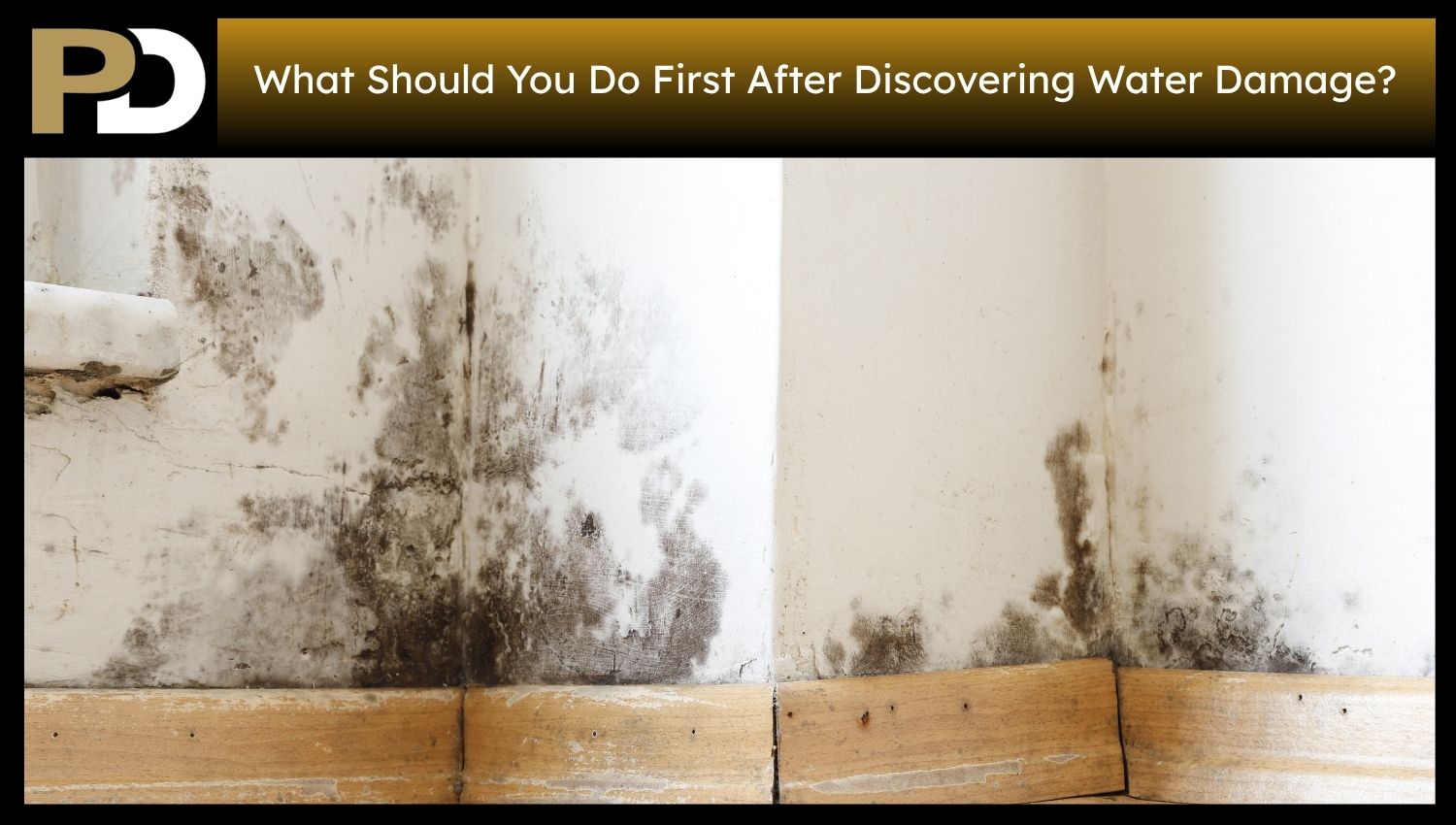
Make personal safety your top priority when you find water damage in a house. Keep away from standing water near electrical outlets, appliances, damaged ceilings, or sewage. Do not let children or pets enter the affected area until you control the hazards. Locate the water source and shut it off if possible. Use a local fixture valve for a small plumbing leak and use the main water valve for a major pipe issue (major leak). A main water shutoff does not prevent roof leakage, flooding, or sewage backup. Contact a plumber, utility service provider, electrician, or water damage professional if you can’t stop the water source.
When Should You Shut Off the Main Water Supply?
Turn off the main water shut-off if a significant water leak is still letting water into the house. Turn off the local shutoff valve first if the issue is from a toilet, sink, or washing machine. Close the main valve if the local valve is defective, a pipe breaks, or you can’t determine the leak source. This action prevents pressurized water from entering the plumbing system and helps minimize further damage. The main valve does not prevent water from entering due to a broken roof, outside flooding, groundwater, or a sewage backup.
What Electrical Safety Steps Should You Take After Water Damage?
Avoid standing in water near electrical equipment, as water and electricity are a serious shock hazard. Do not walk through wet areas to connect to an outlet, appliance, extension cord, switch, or electrical panel. Never touch damp electrical equipment or damaged wiring. Never turn off power at the main breaker from inside of water. Call a licensed electrician if you can’t access the panel because of water. Please do not reset tripped breakers after flooding until an electrician inspects the electrical system.
How Should You Respond If the Water is Contaminated?
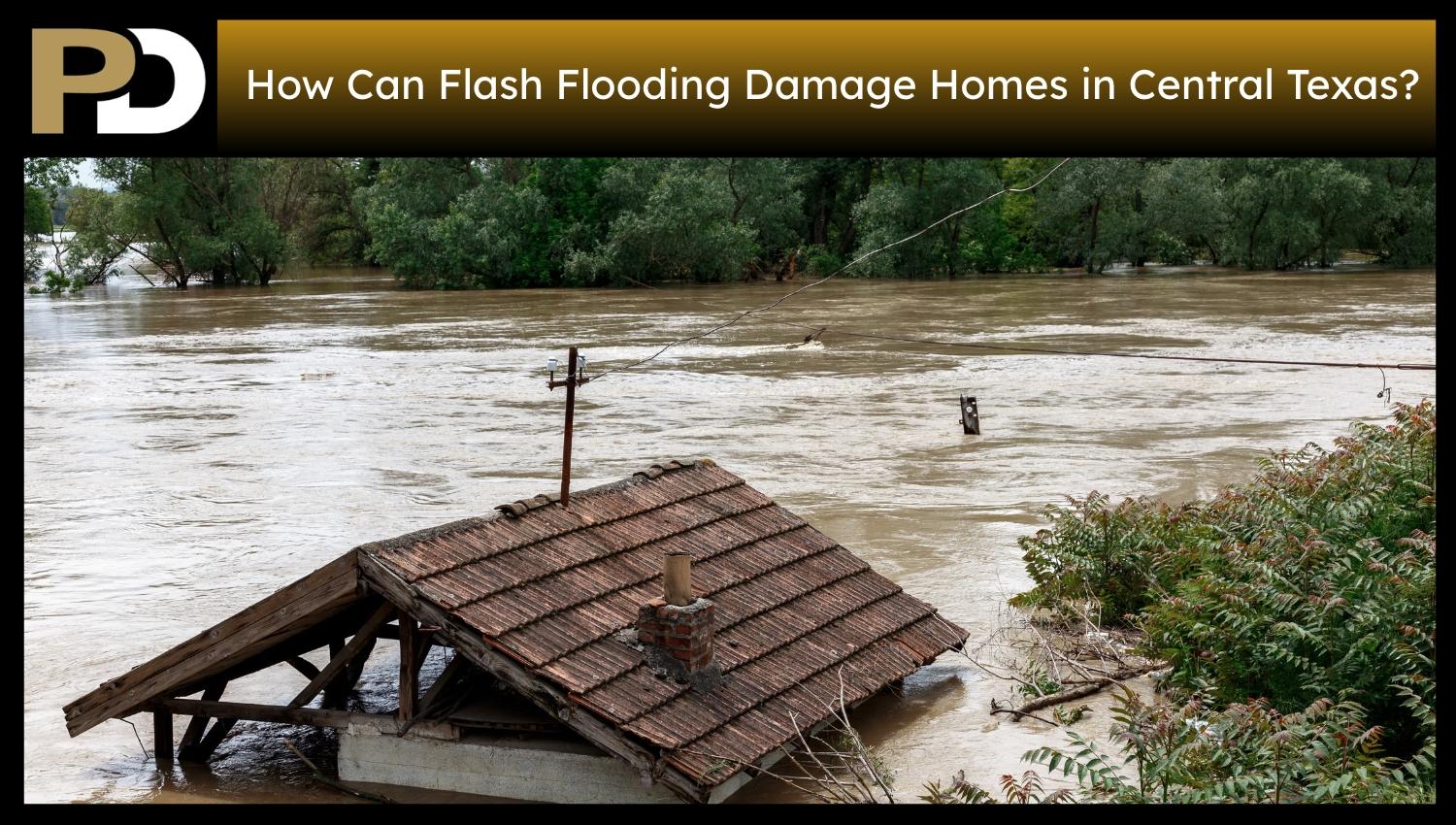
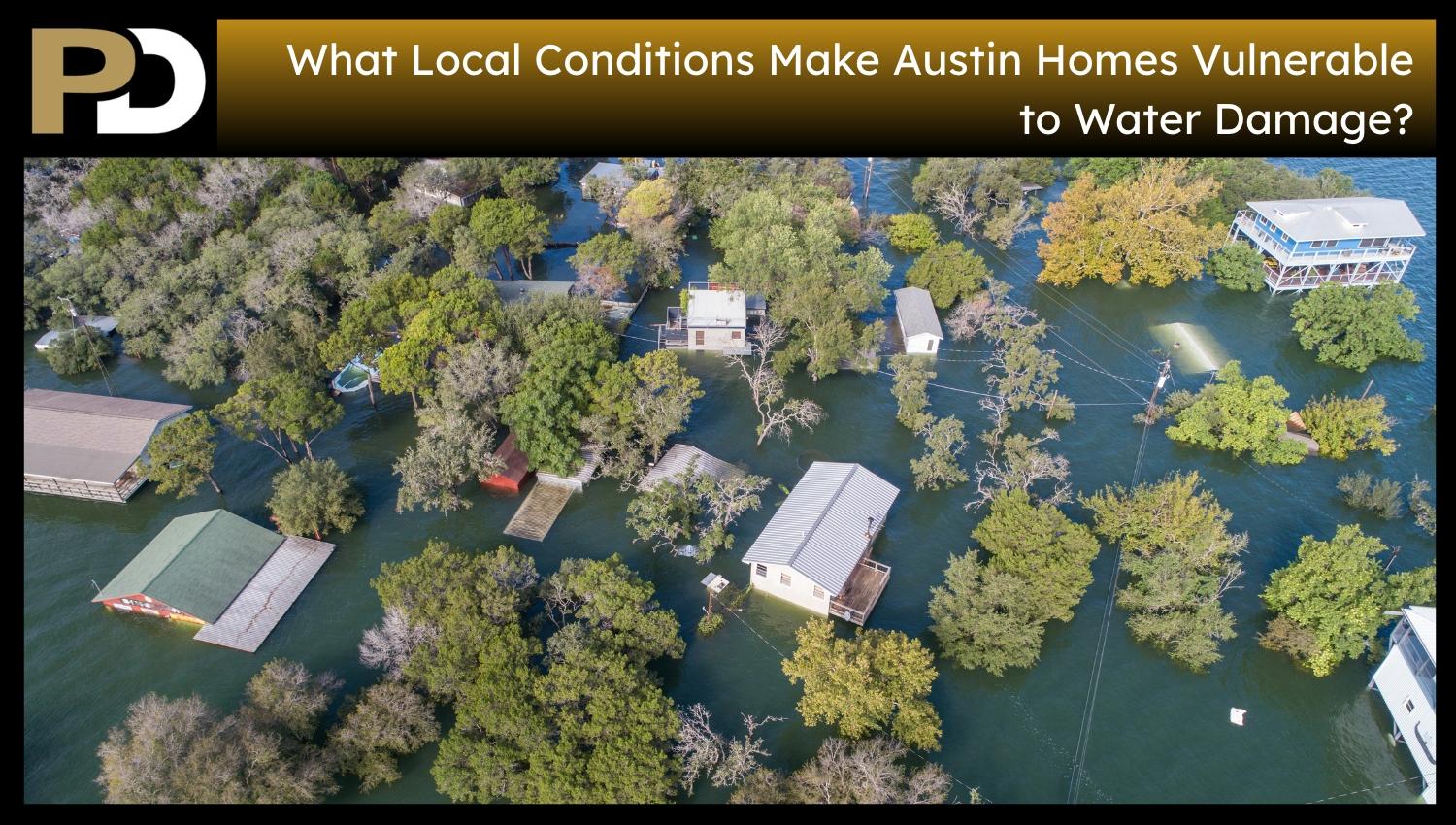
Consider sewage, floodwater, and polluted water a health risk. Avoid contact with floodwater, as it contains sewage, bacteria, chemicals, debris, and other pollutants that harm people and animals. Avoid direct contact with contaminated water if possible. NEVER bring contaminated items into the clean rooms, as this spreads the contamination. Wear protective equipment when cleaning is unavoidable, such as gloves, boots, eye protection, and appropriate respiratory protection. Call a qualified restoration specialist to handle heavily contaminated sewage or water.

What Should You Document Before Cleanup Begins?
Take photographs and videos of the affected rooms, damaged materials, standing water, and personal belongings before major cleanup begins. Document the source of the water, when the water was discovered, and the areas that were damaged. Relocate dry furniture, electronics, documents, and other valuable items away from the water and separate contaminated items from household items. Do not move heavily damaged materials if doing so poses a safety hazard. Restoration is important if water penetrates walls, floors, ceilings, insulation, or multiple rooms. Fast drying also helps minimize mold growth, as the EPA states that drying wet materials within 24-48 hours, if possible, helps minimize mold growth.
Should You Remove Standing Water Yourself?
You can remove a small amount of clean water from a known plumbing source using home plumbing tools. Inspect the water source and electrical conditions before draining. Do not use electric equipment in water or when the equipment is wet. Larger accumulations of standing water need extra attention as water seeps into walls, flooring, and insulation, and other hidden spaces. Never use to remove sewage without proper protective equipment and contamination controls. Professionals should remove water that inundates several rooms, affects structural materials, or comes from sewage or floodwater.
What Belongings Should You Move Immediately?
Move furniture, cardboard boxes, electronics, documents, photographs, and other valuables out of the water’s path when the area is safe. Use stable furniture blocks or move furniture away from shallow, clean water when items are at risk. Prioritize passports, financial documents, legal papers, photos, computers, and other hard-to-replace items. Keep wet and dry items apart to prevent moisture transfer. Do not collect, transport, or dispose of items containing sewage until a professional assesses them. The EPA states that other porous materials, such as drywall, insulation, ceiling tiles, books, and paper, must be disposed of or treated after massive water damage.
Should You Open Windows or Use Fans After Water Damage?
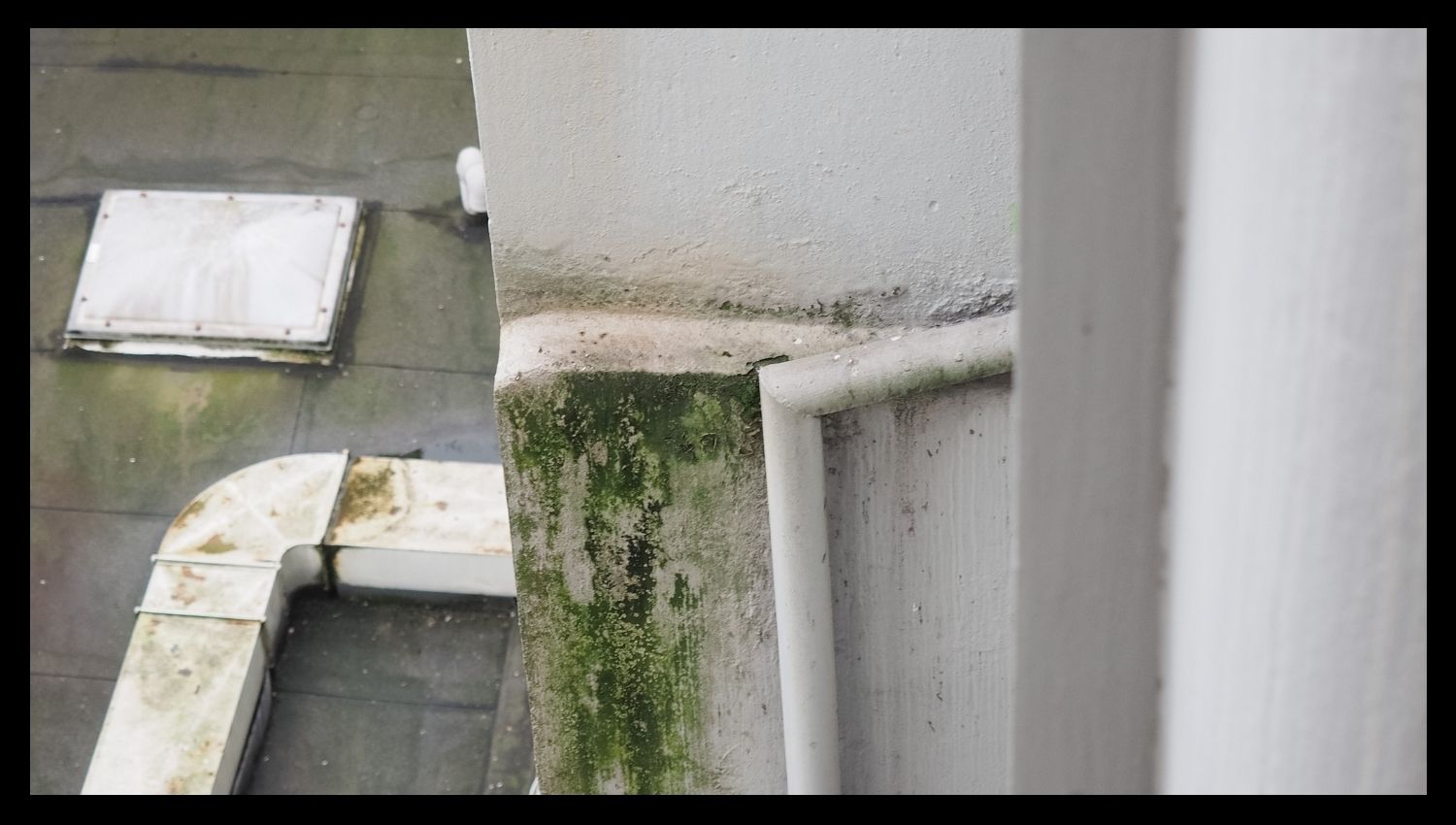
Use fans and dehumidifiers after determining safe electrical conditions for clean-water damage. Opening exterior windows also helps with drying. Avoid using fans where you see mold or contaminated water, as they spread mold and contaminants to other areas. The EPA recommends not using fans until you eliminate the contaminated water. Dry wet materials promptly and maintain indoor humidity levels to prevent mold growth. Excess moisture in walls, floors, insulation, and framing needs special drying equipment and moisture detection.
When Should You Call a Water Damage Restoration Professional?
Call a water damage restoration company if the water has contaminated the rooms, walls, floors, ceilings, insulation, or other concealed spaces. Water damage restoration professionals use equipment (moisture meters) to find moisture that isn’t obvious on the surface and to remove large amounts of standing water safely. Sewage backups and contaminated flood water require special containment, protective equipment, cleaning, and disposal procedures. A sagging ceiling, soft floors, buckling walls, damaged wires, or other structural issues require immediate professional attention. The building is also protected from moisture-related mold growth because the materials dried quickly. EPA and CDC recommend cleaning and drying the area, if possible, within 24 to 48 hours after water damage.