An insurance adjuster’s objective when reviewing a water damage claim is to determine what happened and the extent of the damage caused by the claimed event. The adjuster reviews the water source, property damage, property condition, and property loss. They also review temporary repairs, emergency mitigation, photographs, reports, receipts, and repair estimates when available. The adjuster then compares that information with the property’s condition during the inspection. The adjuster asks for additional information or asks the insurance company for professional advice before finishing the review if there’s any confusion.
What Does the Adjuster Verify About the Source and Cause of the Water Damage?
The adjuster starts by determining where the water originated from and what occurred during the loss. They see the reported source, the location of the water source or escape, and whether the water source was still functioning when the problem was discovered. This is a plumbing problem, an appliance connection, a roof entry point, a drainage problem, a sewer problem, or another reported source. The adjuster checks whether the information provided matches what he sees onsite. The adjuster asks for more information or findings from a plumber, contractor, or other professional if there is no identified source.
How Does the Adjuster Determine Which Damage Is Related to the Reported Water Loss?
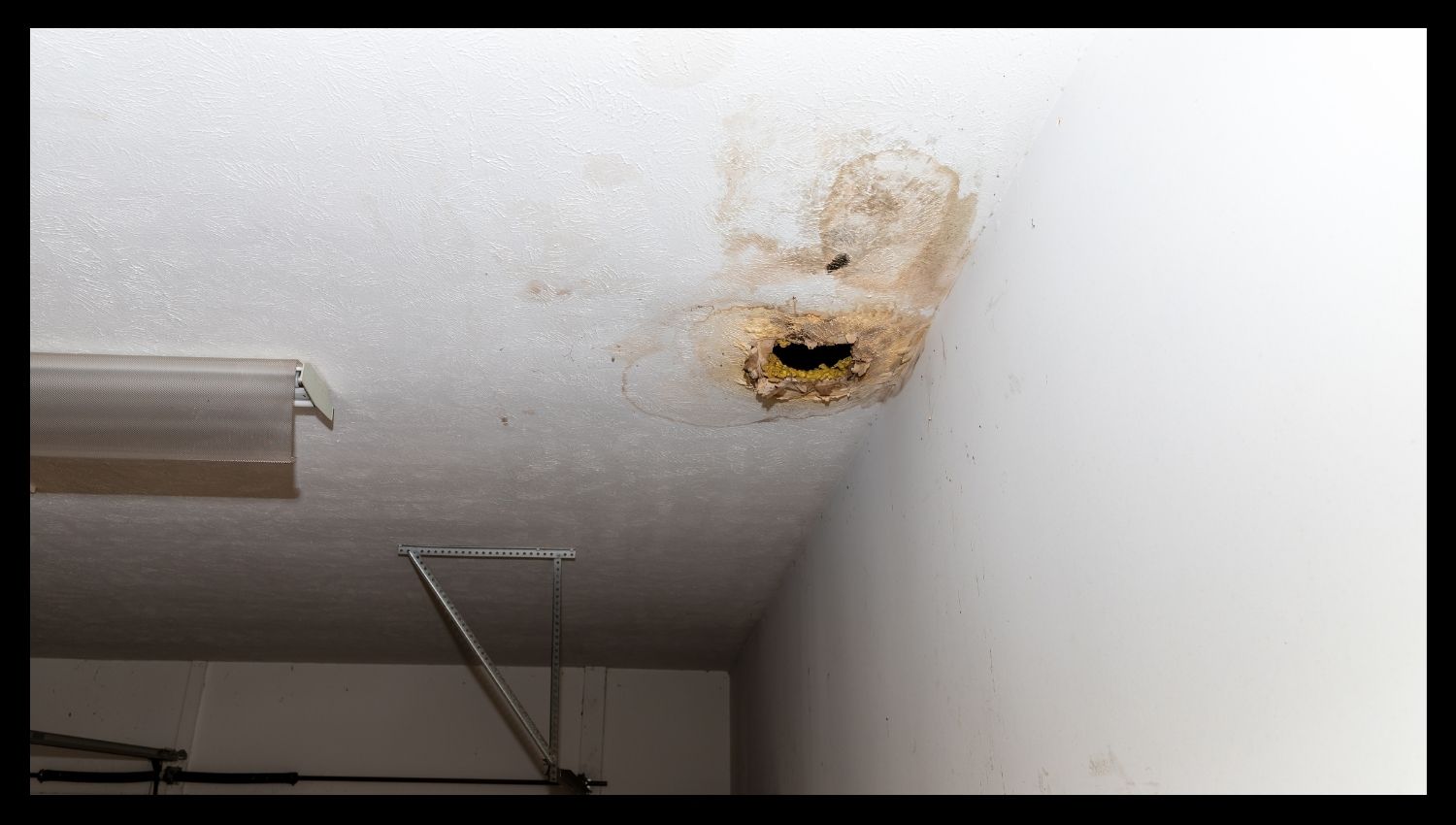
The adjuster determines whether the damage is related to the water event they are investigating. They assess the extent of the damage, its visual appearance, the apparent flow direction of the water, and the time the damage was reported. The condition of surrounding materials also helps assess whether the damage is associated with the reported event. The adjuster can determine whether conditions are older, pre-existing, deteriorated, or unrelated to the current loss. This helps distinguish water-related damage from other conditions identified during the inspection.
How Does the Adjuster Determine the Scope of Building Damage?
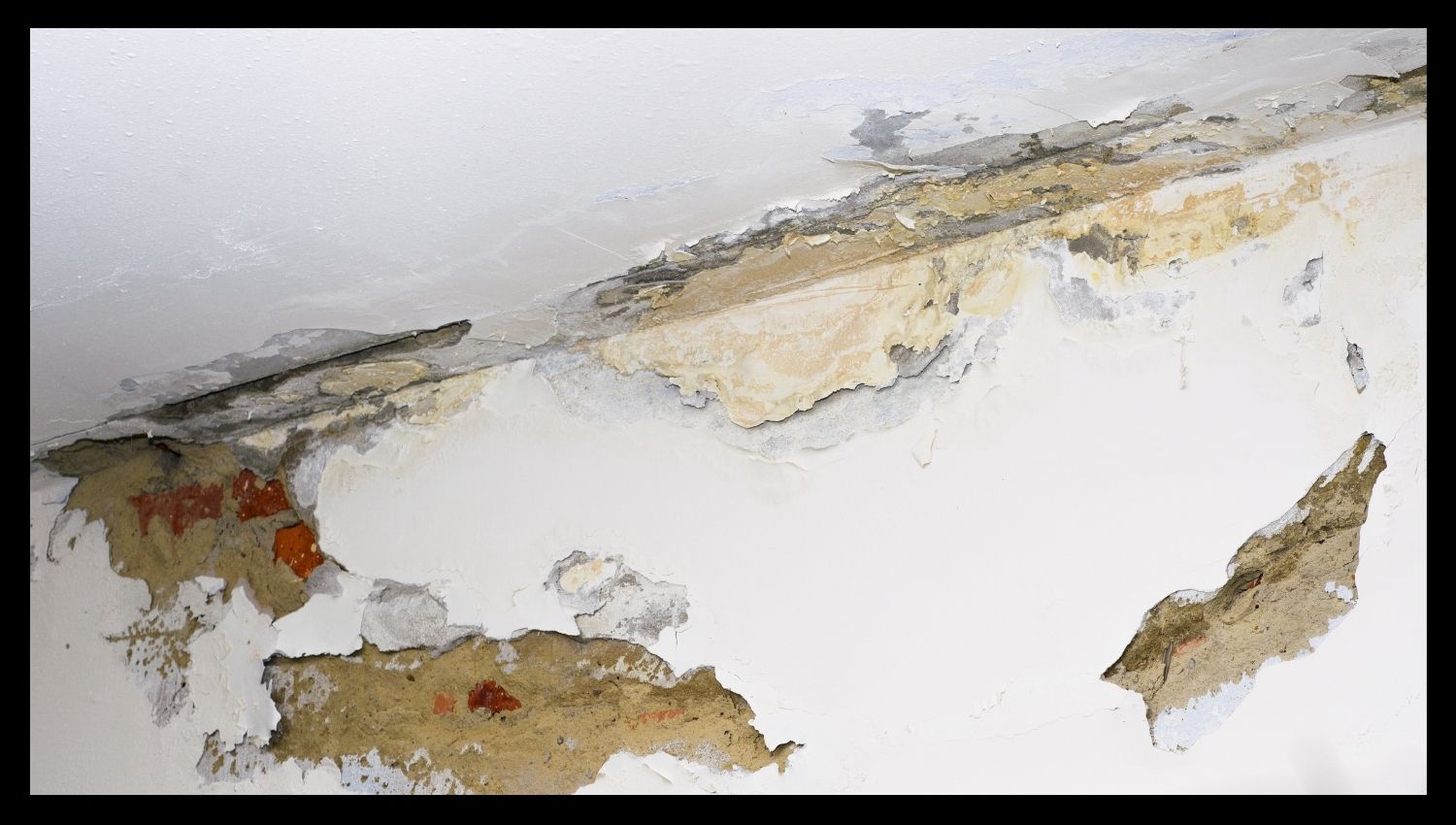
The adjuster inspects the damaged areas to determine what portion of the building is affected. Walls, ceilings, floors, baseboards, cabinets, trim, doors, and other built-in and permanent features are all possible areas of inspection. The adjuster takes measurements, reviews photographs, and documents the areas of damage. They also take down unaffected sections, as this helps establish the extent of the damage. The goal is to determine the extent of the damage and create a list of building materials that need further analysis or repair.
What Does the Adjuster Review for Water-Damaged Personal Property?
The adjuster examines which items were affected and their condition if personal items are claimed. They consider what it is, how many, its approximate age, condition, and information on repair, replacement, or value. The adjuster also uses photographs, receipts, inventories, or other records submitted with the claim to review the goods and compare them with the claimant’s description. Some materials or collections are more valuable or uncommon than others and need more information to determine their details and worth. This review allows the adjuster to identify which items are associated with the water loss and what it takes to repair or replace them.
How Do Emergency Mitigation and Temporary Repairs Factor Into the Adjuster’s Review?
The adjuster reviews the changes in the property since the water loss by reviewing the emergency mitigation and temporary repairs. This information includes water extraction, temporary plumbing, tarping, removal of damaged materials, or other reasonable protective measures. The adjuster compares the current condition with photos, service records, receipts, and other information available before or during the temporary work. This explains why the property may look different at the time of inspection. Assessing the original condition is harder, so it is even more crucial to have records available during the adjuster’s review if permanent repairs were made before the inspection.
Which Claim Records Does the Adjuster Compare With the Property Inspection?
The adjuster conducts a physical inspection and then compares it with records associated with the reported loss. This documentation contains photos and videos, the reported timeline, and information about the personal property. This document also contains plumber or contractor findings, restoration service documents, moisture or drying records (where applicable), temporary repair receipts, and repair estimates. These records help the adjuster determine the cause, when, how much, and what type of damage is being claimed. They also indicate information that needs clarification. The adjuster requests more details or professional opinions before reviewing the property if a critical piece of information is missing or doesn’t match the property’s actual condition.
How Does the Adjuster Estimate Repair or Replacement Costs?
Once the adjuster determines the scope of the damage, they develop or review an estimate for the work needed to repair or replace it. This estimate considers measurements, quantities, item descriptions, repair techniques, labour, and prices. The adjuster initially assesses the damaged areas and decides what the repairs should include. The adjuster then divides the total cost by repair and assigns a cost to each repair item. The adjuster examines the property’s condition, age, replacement value, and any depreciation when determining the value of personal property. The adjuster compares the scope and pricing to the insurer’s estimate if another contractor quotes a different estimate. This comparison helps identify differences when comparing materials, quantities, labor, repair techniques, or proposed work. It also helps the adjuster understand why the figures in the estimates vary for the reported water damage.