
The kitchen is one of the most used and most likely to leak rooms in any home. There are many water sources in it, such as sinks, faucets, dishwashers, refrigerators, garbage disposals, and plumbing pipes that are not visible. These fixtures are used daily, and a small leak may not be discovered for weeks or months. During that time, water gets into cabinets, flooring, drywall, insulation, and other building materials.
Water damage in the kitchen begins slowly. A leak may be caused by a loose plumbing fitting, worn appliance hoses, or a broken pipe, and it may leak only a few drops at a time. Over time, water damages the surrounding materials, leading to potential unseen issues while the leak may not seem significant. The extent of the damage depends on the source of the water, the length of the leak, and the materials that have come into contact with the water.
What Are the Most Common Sources of Kitchen Water Damage?
Here Are the 6 Most Common Sources of Kitchen Water Damage:
- Sink and Faucet Leaks: One of the top sources of water damage in the kitchen is sinks and faucets. A dripping faucet, old seals, faulty plumbing connections, or broken supply lines cause water to seep under the sink into cabinets. These leaks are frequent and go unnoticed for some time, with moisture slowly deteriorating the cabinetry, flooring, and adjacent walls.
- Dishwasher Leaks: Leaks occur in dishwashers because of broken door gaskets, worn hoses, loose water supply lines, or drainage issues. Water tends to pool under the appliance in a difficult-to-see area. Over time, hidden moisture penetrates flooring, subfloors, cabinets, and surrounding walls before visible damage is detected.
- Refrigerator Water Line Leaks: Water supply lines to ice makers and water dispensers are found in many refrigerators. Slow leaks occur behind or under the refrigerator due to cracked tubing, fittings, or loose connections. This area is not usually checked, and moisture builds up for long periods of time and impacts adjacent floor and wall materials.
- Garbage Disposal Failures: Garbage disposals have seals, drain connections, and plumbing fittings that wear out over time, and a crack in the disposal housing or a loose pipe connection causes water to leak under the sink. A slow leak causes undetected water that eventually harms cabinets and surrounding structural elements.
- Clogged Sinks: Kitchen drains clog with grease, food, soap, and other flakes and debris, inhibiting the flow of water. Water pools and overflows onto countertops, sink cabinets, or spreads throughout the floor. Repeated overflows can bring moisture into the surrounding elements.
- Broken Plumbing Pipes: As water lines age, corrode, shift,ift or are accidentally damaged, cracks form in water supply pipes and drain lines that are in walls or under cabinets. Leaky pipes in your home ooze water all the time and allow water to permeate your drywall, insulation, flooring, and framing before you’re aware of the problem.
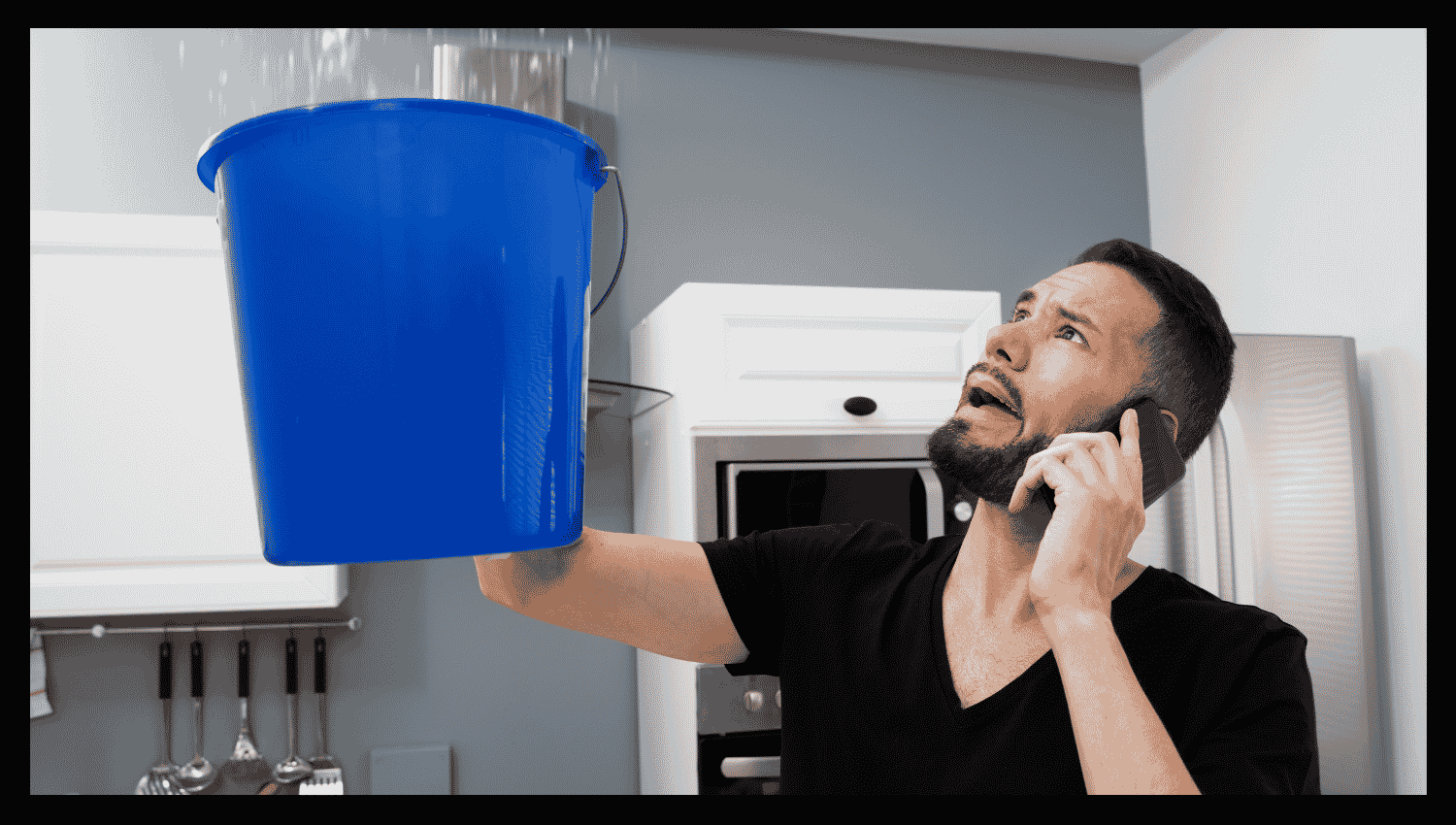
What Are the Early Warning Signs of Kitchen Water Damage?
Here Are the 6 Early Warning Signs of Kitchen Water Damage:
- Water Stains Inside Cabinets: The brown, yellow, low, or dark spots inside cabinets indicate leaking pipes or plumbing connections. These stains occur over time as moisture continually touches the surfaces of cabinets.
- Warped Cabinet Materials: Water is easily absorbed by wood, plywood, particleboard, ard and engineered cabinet materials. Wetness causes cabinet doors, shelves, and side panels to swell, warp, and even lift off their edges.
- Soft Flooring Areas: Floors that are near sinks, dishwashers, or refrigerators should be firm underfoot. Soft, spongy,ngy or irregular floors are a sign that water has seeped under the completed floor and damaged the subfloor.
- Musty Odors: The kitchen with a chronic musty odor is a sign that there is moisture in the cabinets, behind the walls, or under the floor. The smell intensifies after rainy weather or when more appliances are in use.
- Damaged Walls: Drywall around sinks or appliances is stained, has bubbles in the paint, peeling paint, or soft spots, indicating hidden plumbing leaks. Such changes are a sign of water or moisture within the wall cavity.
- Unexplained Water Puddles: Small puddles that occur regularly, near appliances or under sinks, should never be overlooked. Even small puddles are a sign of a leak in the plumbing system and need to be investigated.
How Does Kitchen Water Damage Affect Building Materials?
Almost all materials in the vicinity of the leak are damaged by kitchen water damage. Wooden cabinets and other wooden elements absorb moisture rapidly, leading to swelling, joint splitting, and deterioration over time. Water causes drywall to soften, stain, weaken, and crack. Moisture causes structural instability, loosening, or warping of flooring systems such as hardwood, laminate, vinyl, tile underlayment, and subfloors.
Moisture can stay within walls for a long time without being noticed, and insulation within walls can lose its insulating properties. Water resistance is a characteristic of countertops, but when seams, caulking, or edge seals get damaged, water seeps under the surface and gets to other materials. The area of damage is much larger than the leak itself as moisture travels.
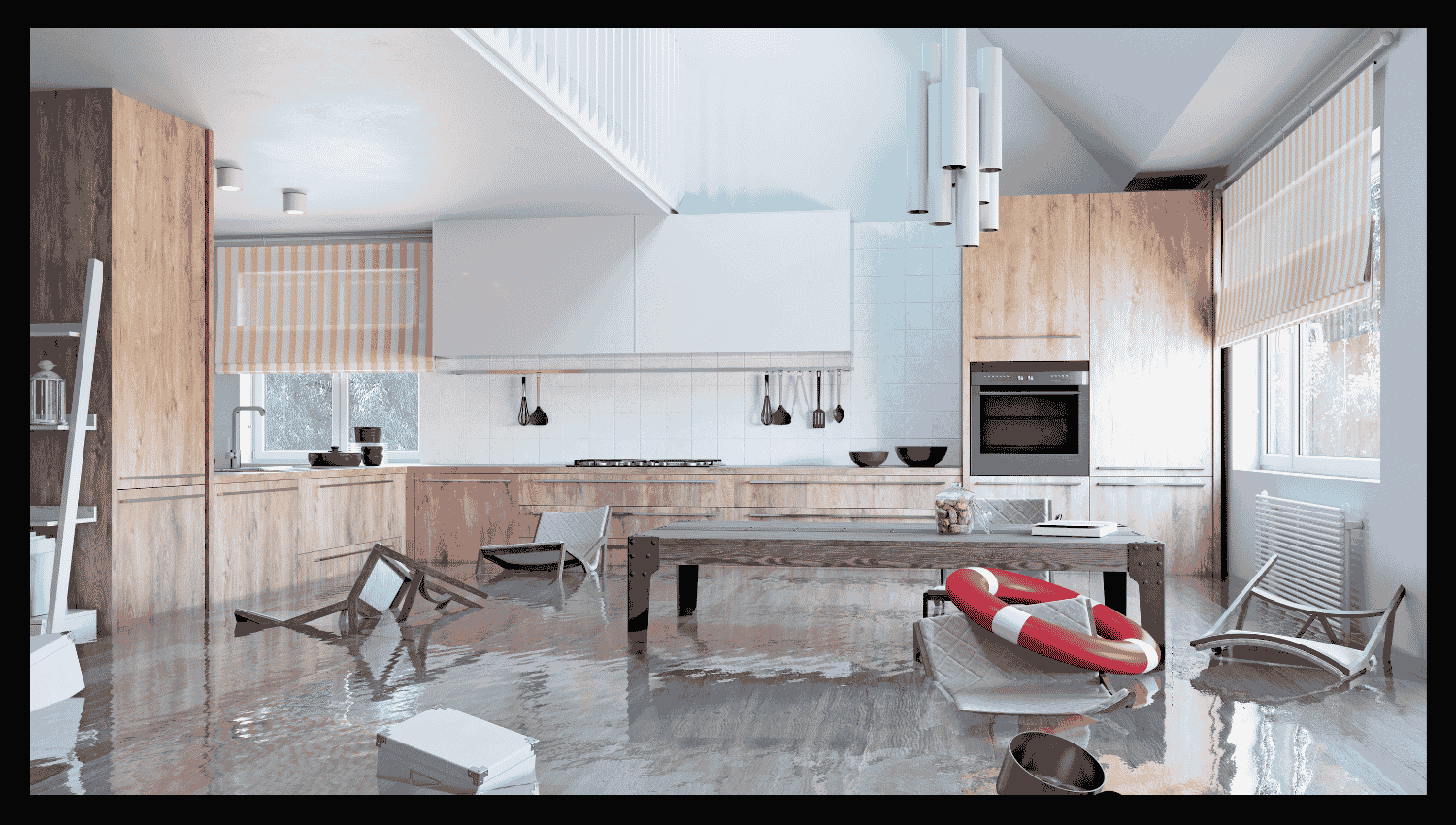
What Hidden Damage Can Develop From Kitchen Water Leaks?
It’s difficult to spot the effects of kitchen leaks since most of the plumbing is hidden behind cabinets, walls, or under flooring. Water builds up under finished floors and slowly deteriorates the subfloor systems without being noticed. Moisture within cabinets is unseen and damages the cabinets, shelving, and belongings inside.
Leaks in wall cavities seep through drywall, insulation, and wooden framing, causing deterioration behind finished surfaces. Over time, water causes structural wood and other building materials to become weak. Moisture also causes odors that persist indoors and won’t go away even after the water has been cleaned up.
How Can Kitchen Water Damage Affect Indoor Conditions?
Kitchen water damage becomes easily evident in the conditions in the home. Moisture leads to indoor humidity and dampness, creating a less-than-comfortable environment. Wall materials, cabinets, and floors cause a “musty” smell that infiltrates other rooms. Excessive moisture within enclosed areas increases discomfort and leads to poor indoor air quality. Long-term moisture affects indoor air quality when damp building materials release moisture and odors into the home.