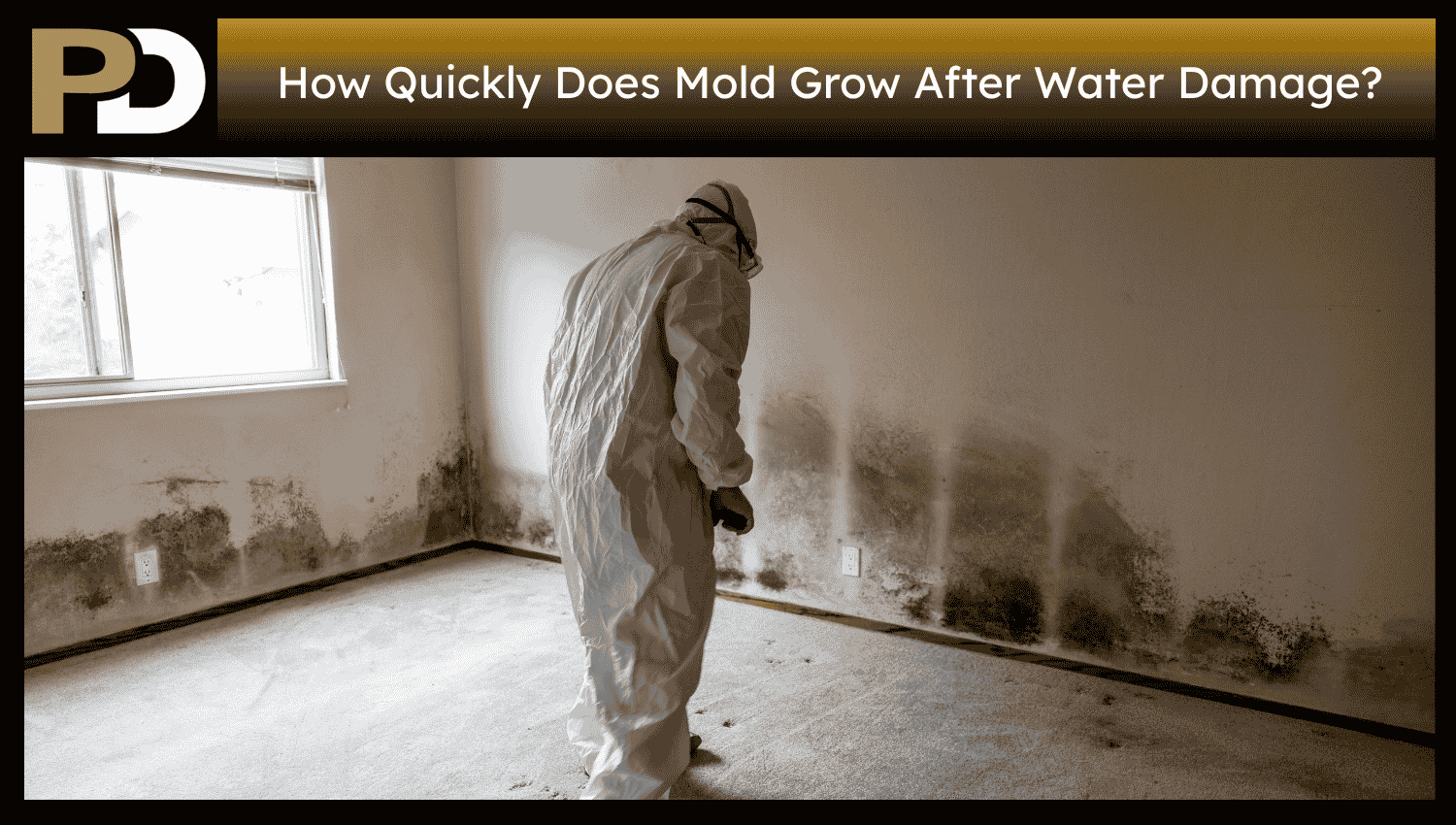
Mold grows quickly if moisture remains in your home. Fungal spores grow quickly in wet environments, so start water extraction and structural drying as soon as possible. Understanding how long mold takes to grow, the risk factors, the signs of mold, and how to prevent it helps protect your property. Knowing when to call a professional restorer also helps you avoid additional repair costs and indoor air quality problems.
How Soon Can Mold Start Growing After Water Damage?
Here are the 4 Times Mold Can Start Growing After Water Damage:
- First 24 Hours: Water penetrates porous materials such as drywall, carpet, insulation, and wood, creating ideal conditions for mold to grow within the first 24 hours.
- 24–48 Hours: Mold growth or spread starts within 24- 48 hours if moisture is present.
- After 48 Hours: After 48 hours, established mould growth becomes highly probable when materials stay wet and indoor air humidity stays high.
- Prolonged Moisture Exposure: Water sitting for several days causes mold to penetrate hard-to-see areas like wall cavities, floors, insulation, and cabinets.
What Are the Signs of Mold After Water Damage?
Here are the 8 Signs of Mold After Water Damage:
- Musty Odors: A musty, earthy, or damp odor means mold is growing in the wall, even if you do not see it on the surface.
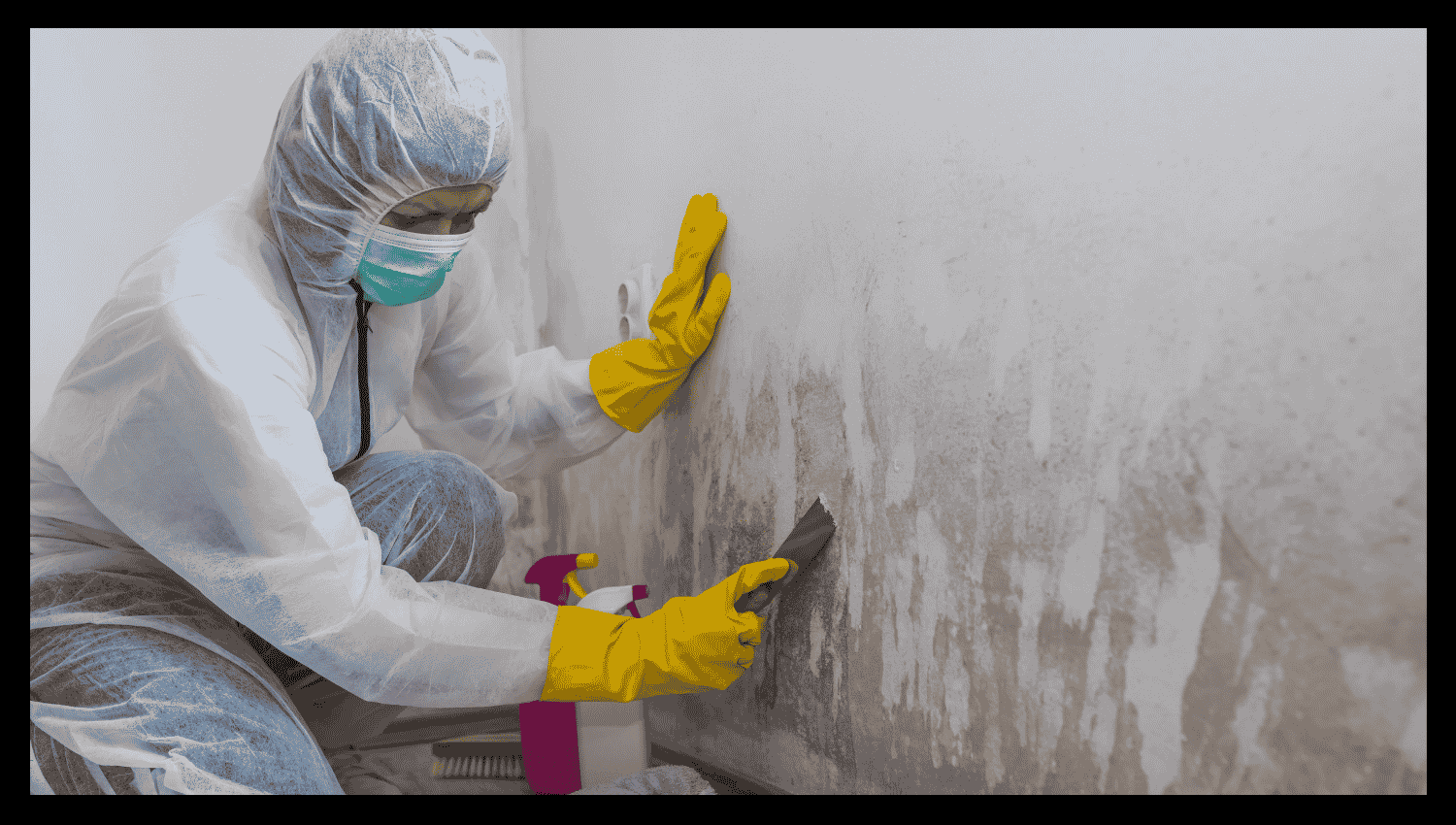
- Visible Mold Spots: Black, green, white, brown, or fuzzy patches on walls, ceiling, flooring, or furniture are visible mold spots.
- Wall Discoloration: Moisture buildup causes discoloration and unusual stains, indicating potential mold behind the wall.
- Peeling Paint or Wallpaper: Bubbled, cracked, or peeling paint (or wallpaper) results from moisture trapped beneath it.
- Warped Building Materials: Swelling, buckling, and warping are common issues with baseboards, wood floors, cabinets, and drywall when exposed to moisture over a long period.
- Persistent Dampness: Areas that have been damp or humid increase the risk of further mold growth.
- Recurring Water Stains: Stains that don’t go away after drying indicate a leak or an underlying moisture issue.
- Poor Indoor Air Quality: Excess moisture, mold, and damp, stale, or unusually humid air can indicate moisture issues.
What Makes Mold Grow Faster After Water Damage?
Here are the 5factors that make mold grow faster after water damage:
- Excess Moisture: Mold thrives in moist conditions that persist after water damage.
- Warm Temperatures: Warm indoor conditions strongly support rapid microbial growth.
- Poor Ventilation: Insufficient ventilation keeps surfaces wet longer.
- Porous Building Materials: Materials such as drywall, carpet, wood, insulation, and upholstery absorb and retain significant moisture.
- Delayed Water Cleanup: Water that isn’t cleaned up first leads to bigger hidden water problems.
Can Mold Grow After the Water Looks Dry?
Yes, mold proliferates on very dry surfaces after water cleanup. Outside walls or floors feel dry to the touch while water builds up underneath. Water is stored in insulation, under floors, in wall holes, or in structural wood for weeks without obvious damage. A professional uses a moisture meter to detect this hidden moisture, and a thermal imaging camera to find it before mold has a chance to spread unseen.
How Can You Prevent Mold After Water Damage?
Here are the 5 Ways to Prevent Mold After Water Damage:
- Stop the Water Source: Fix leaks in plumbing, damaged roofs, appliances, or other water sources first to prevent water from flowing.
- Remove Standing Water: Use pumps or vacuums to remove standing water quickly and safely.
- Dry the Affected Area: Use appropriate air movers and dehumidifiers if the water damage is extensive.
- Remove Unsalvageable Materials: Highly saturated, porous materials require removal and disposal instead of drying.
- Control Indoor Humidity: Maintaining humidity control helps prevent existing moisture from contributing to mold growth.
Should You Remove Mold Yourself After Water Damage?
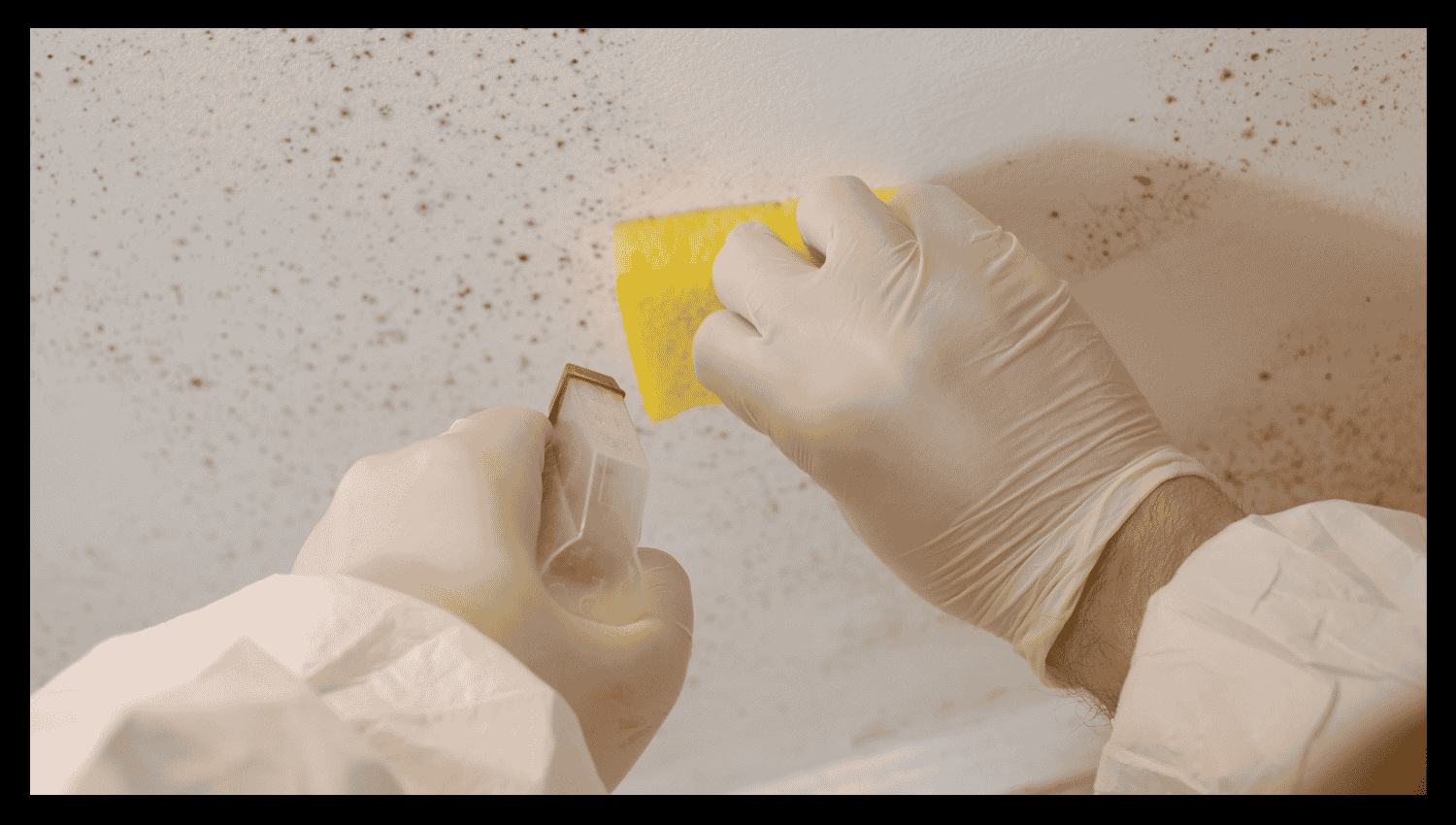
Surface mold issues and extensive mold issues that are concealed within walls or floors are quite different. Large mold-affected areas need special containment and professional remediation to prevent them from spreading throughout the house. Floodwaters also bring biological risks (diseases) in addition to mold. Professionals treat large mold areas using protective equipment, negative air pressure, and safe containment barriers.
How Do Professionals Handle Water Damage and Mold Risk?
Professionals handle water damage and mold threats systematically,y starting with a comprehensive moisture inspection and hidden moisture detection. They have access to commercial-grade extraction equipment to quickly remove standing water and structural drying equipment, including industrial air movers and dehumidifiers. They carefully remove materials that cannot be safely restored, and if mold is present, technicians install containment barriers to safely clean the affected surfaces. They closely monitor the drying process until moisture levels are acceptable, ensuring the property is safe for restoration and repairs.