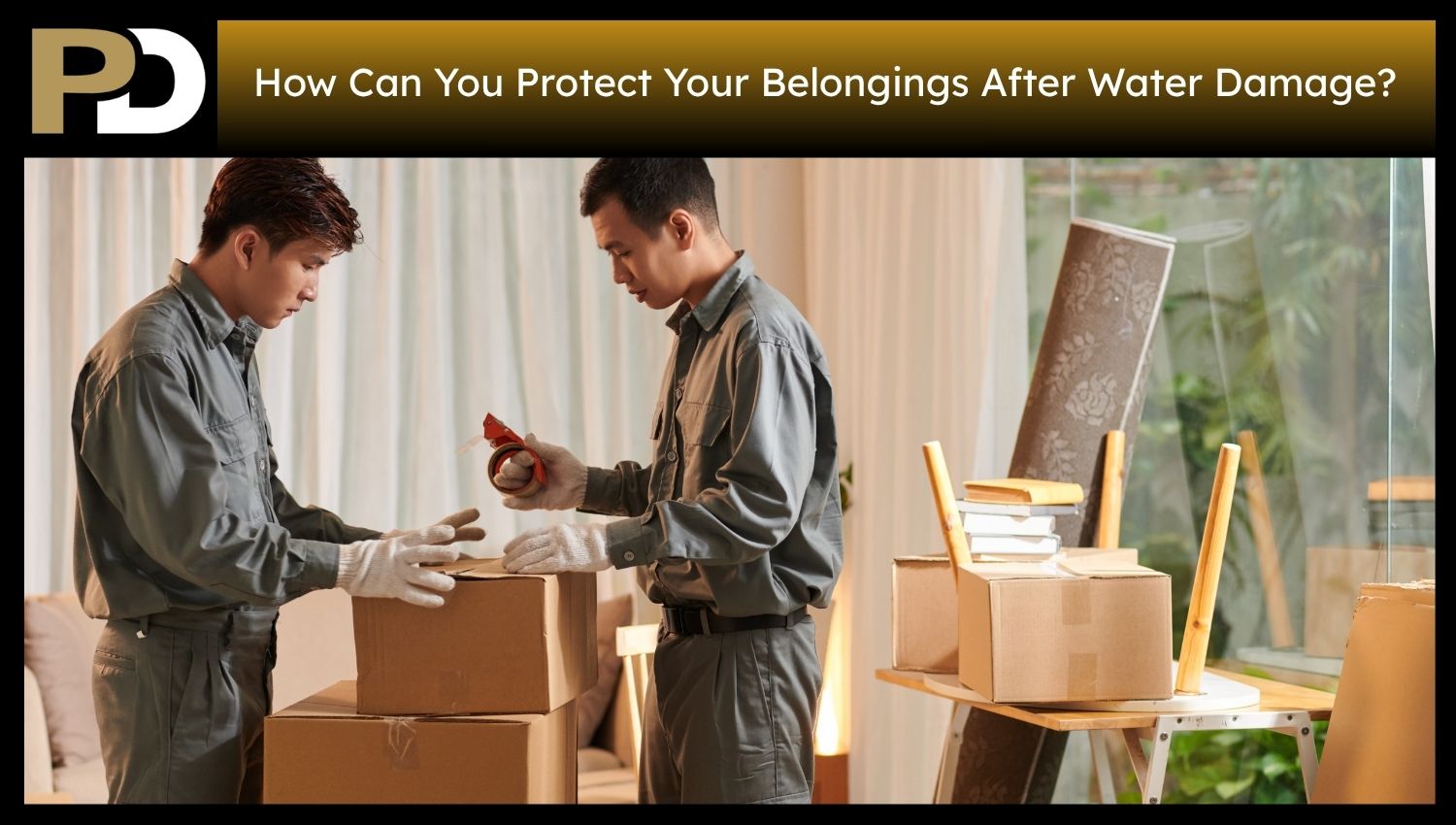
The first step in protecting your property after water damage is to act promptly and cautiously. Relocate dry furniture, electronics, files, clothing, and other valuables out of the area. Separate clean materials from wet and contaminated materials to reduce further damage and cross-contamination. Take photographs before relocating damaged items to document the damage, which helps with insurance claims and restoration planning. Act quickly to minimize swelling, corrosion, and mold growth. EPA suggests that the best way to prevent mold growth after water damage is to dry wet materials as quickly as possible.
Which Belongings Should You Protect First After Water Damage?
Protect items that are valuable, important, or hard to replace. Place family photos, heirlooms, jewelry, identification, financial records, passports, and certificates in a clean, dry place. Relocate dry electronics, small furniture, clothes, and other household belongings from the water. Disconnect electrical equipment and keep it away from wet areas. Never enter unsafe rooms or wade through water to retrieve items. Do not touch flood water as it contains sewage, chemicals, and other contaminants.
How Should You Separate Dry, Wet, and Contaminated Belongings?
Store dry items in a clean, dry space outside of the damaged room. Designate an area to dry and inspect wet items properly. Do not put anything that has been in contact with sewage or flood water into clean household contents, as contaminated water contains bacteria, chemicals, and other hazardous substances. Avoid piling wet clothing, books, papers, or fabrics close together, as moisture becomes trapped and slows drying. Clean containers to sort through undamaged items during restoration. Separate items to prevent moisture and contamination from spreading to other possessions.
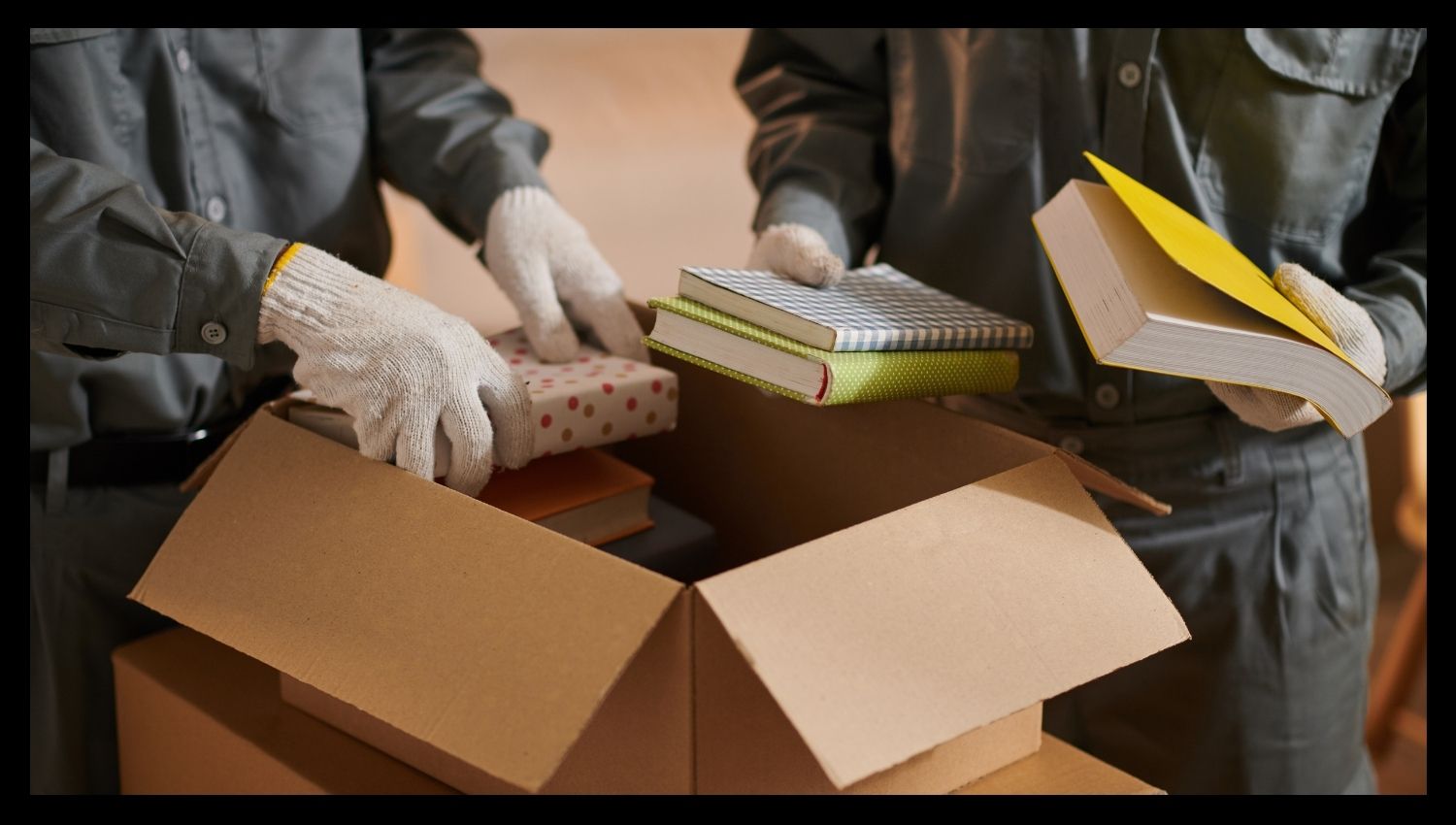
How Can You Move Belongings Without Causing More Damage?
Handle wet materials carefully as they are heavier and weaker when wet. Carry wet cardboard boxes with the bottoms up to support the box, as the cardboard weakens after it absorbs water. Be careful when carrying wet papers and do not take one sheet from a wet bundle. Avoid dragging furniture on wet floors, as it can damage the furniture and floor. Keep a clear path when transporting items to prevent water, mud, and debris from spreading to clean areas. Do not lift heavy contents, appliances, or heavy furniture alone; seek professional help. Don’t move electrical appliances when they are wet or plugged in.
How Should Furniture and Large Items Be Protected From Wet Flooring?
Do not move light furniture from wet spaces to a clean and dry space until it is safe to do so. Lift furniture that cannot be lifted by using adequate blocks or other non-absorbent lifting devices. Avoid letting wood furniture contact standing water, as it can swell, stain, and deteriorate over time. Vacuum rugs under furniture to improve air circulation and prevent moisture buildup on the floor. Avoid upholstering furniture against wet walls, as contact with water causes fabrics to absorb moisture. Do not put newspapers or magazines under furniture, as wet ink transfers to flooring or furniture surfaces.
How Should You Separate and Handle Contaminated Belongings?
Separate items that come into contact with sewage or flood water from other household items. Contaminated water contains bacteria, viruses, chemicals, and other harmful substances. Use proper protection when handling contaminated items, such as gloves and appropriate footwear. Never assume an item is clean once it has dried, as contaminants remain when the water dries. Surface cleaning methods for nonporous surfaces like glass, metal, or concrete are different from methods used for porous surfaces like carpets, upholstery, mattresses, and clothing. Follow local health advice when assessing whether to clean or dispose of contaminated belongings. The CDC recommends taking precautions with items that come into contact with flood water or sewage because of the risk of exposure.
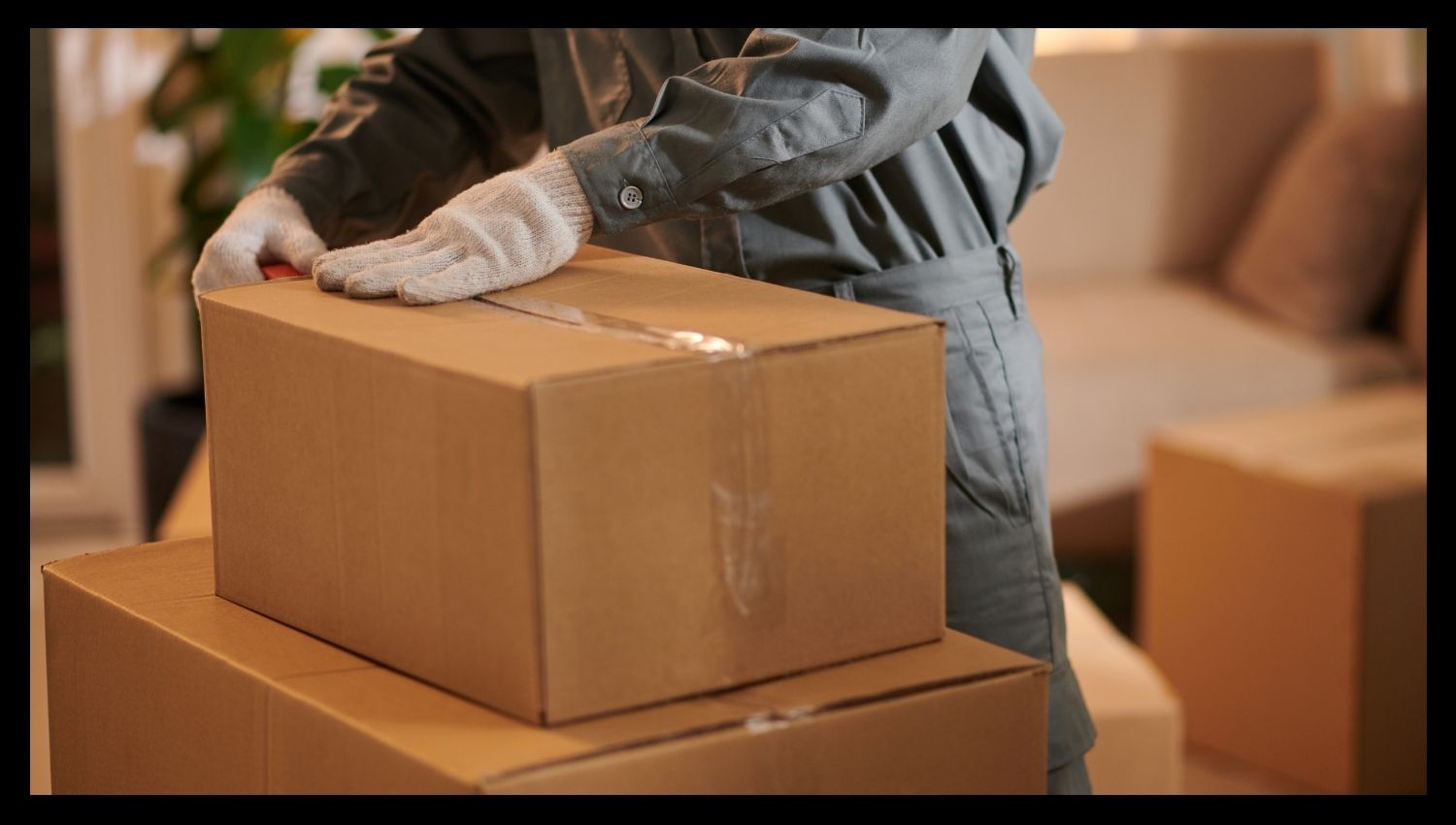
Where Should Belongings Be Stored During Water Damage Restoration?
Keep clean items in a dry, safe area outside of the damaged areas. Do not store items in wet basements, garages, or rooms with existing moisture issues. Elevate boxes and furniture off of bare floors to minimize contact with moisture. Leave space between stored items to allow air to circulate. During restoration, separate wet and contaminated items from dry and clean items. Label containers by room and item type, and use clean plastic containers for appropriate household items. A well-organized storage area also makes inventory and insurance documentation easier.
How Should Wet Textiles and Soft Belongings Be Handled Temporarily?
Do not leave wet clothes, towels, blankets, curtains, or rugs in small stacks. Spread damp fabrics out and allow air to reach wet surfaces if you have adequate dry space. Remove heavily moistened textiles from standing water and move them to a suitable drying spot, or to a professional for removal if needed. Avoid drying wet fabrics in plastic bags, as the moisture inside slows drying and encourages mold growth. Isolate soiled cloths from clean cloths. Professional contents restoration is necessary for valuable rugs, leather goods, specialty fabrics, and delicate materials. EPA advises drying damp materials promptly to minimize mold growth.
What Information Should You Record About Damaged Belongings?
Record property damage with photos and videos when safe to do so. Document the room the item was found in and the condition of the item as it appeared in the room. Record exposure to clean water, contaminated water, and flood water. Make note of stains, swelling, warping, discoloration, rust, or damaged parts. Keep the contents inventory as simple as possible, including item names, quantities, estimated age, and where you purchased them. Include receipts, photographs, warranty information, and ownership records with your claim. Detailed records help insurance and restoration companies assess damage and plan restoration.
When Do Belongings Need Professional Contents Restoration?
Contents restoration helps when items are valuable, fragile, antique, collectible, or sentimental. Professional services also help when large amounts of contents are damaged across multiple rooms. Upholstered furniture, thick rugs, mattresses, leather products, and specialty fabrics need special drying and cleaning procedures. Take care when evaluating items exposed to sewage or floodwater, as contamination creates additional health risks. Items with electronic parts or other components must also be properly evaluated by a professional after extensive water damage. A water damage restoration company records, packs, moves, cleans, dries, and stores eligible items throughout the restoration process. Professionals also advise whether a damaged item can be restored or should be disposed of.