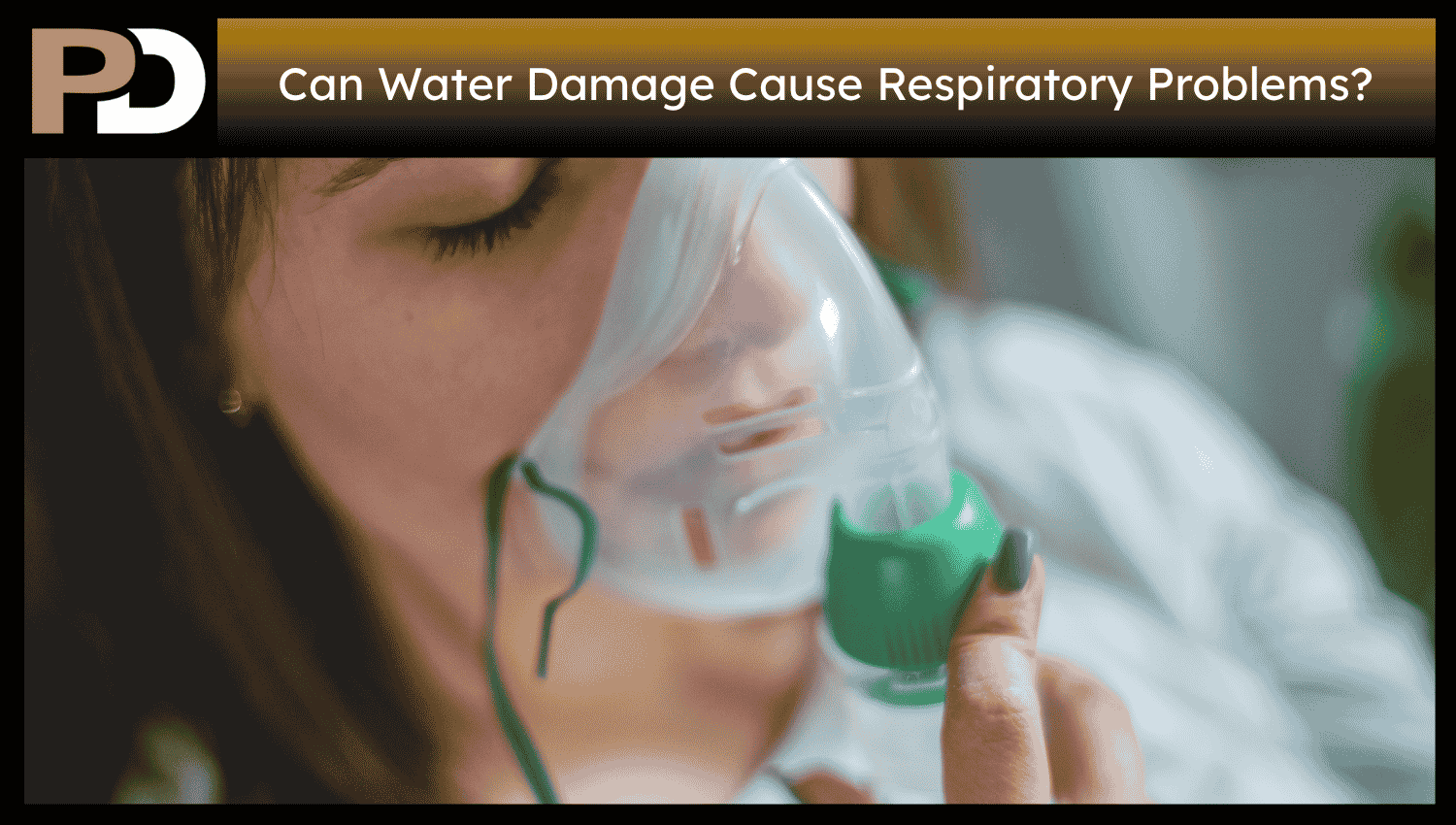
Moisture trapped in drywall, flooring, insulation, or other materials leaves your home feeling perpetually damp. Mold easily grows on moist building materials if you don’t address moisture issues. The EPA stresses that controlling indoor mold growth starts with controlling moisture. Once mold is established, spores and fragments become airborne, and occupants inhale them. Over time, moisture causes structural damage and substantial changes in the indoor environment that lead to respiratory problems like asthma. Mold, contaminated dust, and other particles are released into the air when you remove flood water, demolish, or disturb water-damaged materials, so the CDC advises using respiratory protection while working in the property.
What Respiratory Symptoms May Occur in a Water-Damaged Home?
Here are the 6 Respiratory Symptoms That May Occur in a Water-Damaged Home:
- Persistent Coughing: Exposure to damp or moldy environments causes coughing in some occupants (especially asthma patients).
- Wheezing: Moisture and mould can contribute to wheezing, especially for people sensitive to them.
- Nasal Congestion: People exposed to mold experience allergy symptoms like a stuffy or runny nose.
- Sore or Irritated Throat: Moldy environments cause airborne irritants to irritate the nose and throat.
- Chest Tightness: Asthmatics feel chest tightness when water-damage-related environmental factors worsen their condition.
- Shortness of Breath: Difficulty breathing happens during an asthma attack or with other respiratory issues. This condition requires medical treatment, especially if the person has to breathe hard for a long time or the problem doesn’t go away.
How Can Water Damage Affect People With Asthma?
People with mold sensitivity inhale mold, which triggers acute asthma attacks. The CDC reports a direct correlation between dry weather or a damp indoor climate and asthma symptoms. People with asthma may cough, wheeze, feel chest tightness, or have difficulty breathing when spending time in a damp building. Properly treating the source of moisture is critical because removing mold without addressing the underlying water issues can leave symptoms ongoing due to continued exposure.

Who Is More Vulnerable to Respiratory Effects After Water Damage?
Mold and other environmental factors trigger asthma in people with respiratory problems. People with active mold allergies have severe respiratory and allergy issues. The CDC recommends that individuals with chronic lung disease avoid moldy spaces, as some people are more susceptible to health effects from mold exposure. Mould exposure causes more serious health problems for immunocompromised people, and they should avoid areas infested with mould. The CDC advises that children should not do activities that clean up floods or mold because of the high risk of respiratory impacts.
Why Can Respiratory Symptoms Continue After the Leak Is Fixed?
Repairing a pipe or roof leak prevents additional water from entering the property, but it does not dry wet materials. An unrepaired leak and mold that stays moist for extended periods cause respiratory issues. After the water stops running, it remains wet in hidden spaces such as walls, cabinets, insulation, and floors. Contaminated porous materials that are not properly cleaned and dried must be removed for complete cleanup. Humidity remains high in the home long after a leak, creating moisture issues that affect air quality and cause respiratory problems.
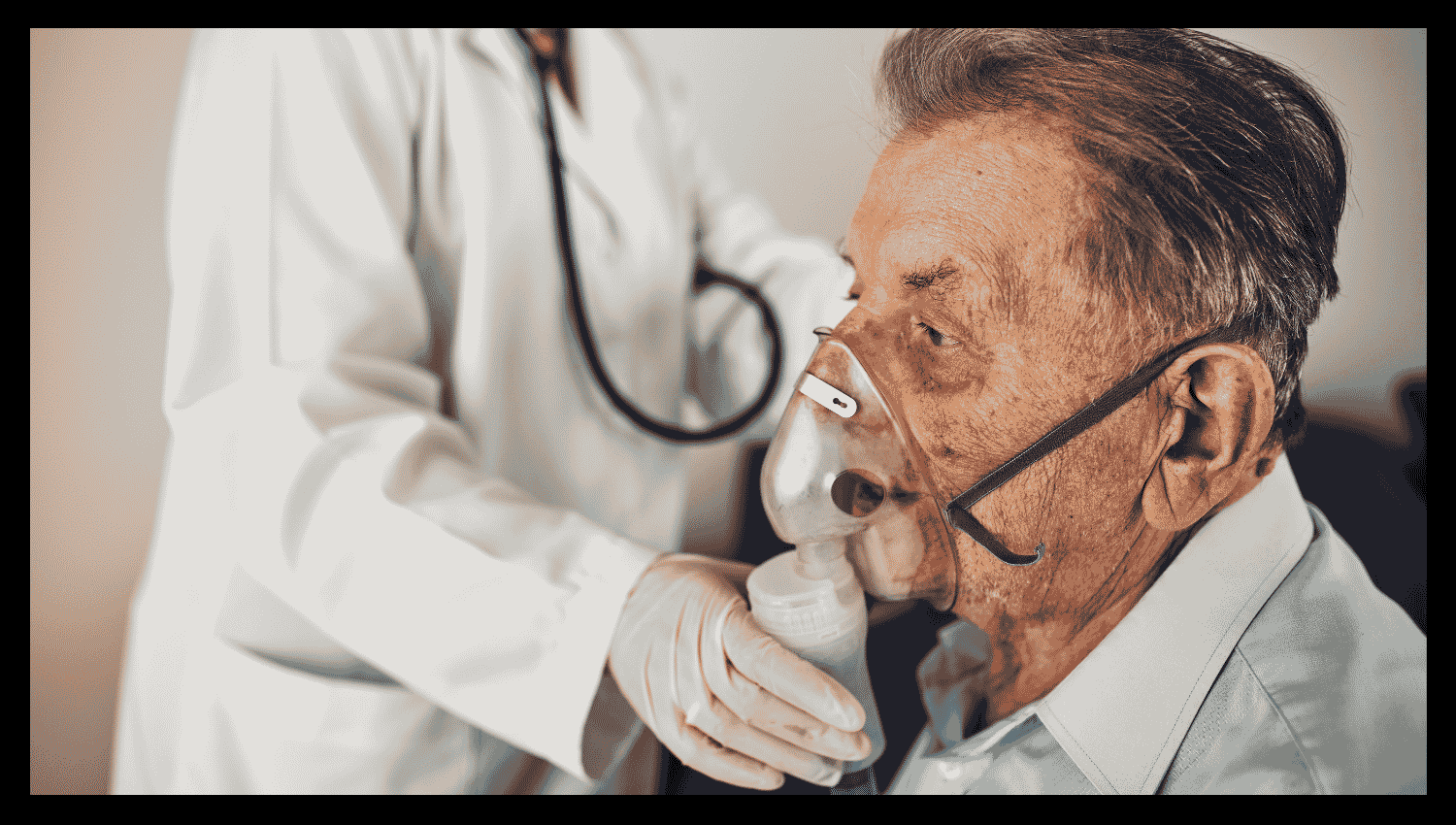
How Do Professionals Address Water Damage That May Affect Respiratory Health?
Here are the 8 ways professionals address water damage that may affect respiratory health:
- Moisture Mapping: Technicians identify how far water has migrated through affected materials.
- Hidden Moisture Detection: Moisture meters and other inspection techniques detect hidden moisture that is not visibly wet.
- Water Extraction: Technicians remove any standing, accessible water to help control the moisture problem.
- Structural Drying: Air movement and dehumidification help dry building materials quickly.
- Removal of Unsalvageable Materials: Technicians safely remove materials that cannot be salvaged or cleaned.
- Mold Remediation: Proper containment, removal, cleaning, and moisture correction efforts are best practices for removing mold.
- Air Filtration During Remediation: Air filtration during remediation helps control airborne particles during some remediation projects.
- Drying Verification: Check moisture levels to determine when affected materials have dried to the correct moisture levels.