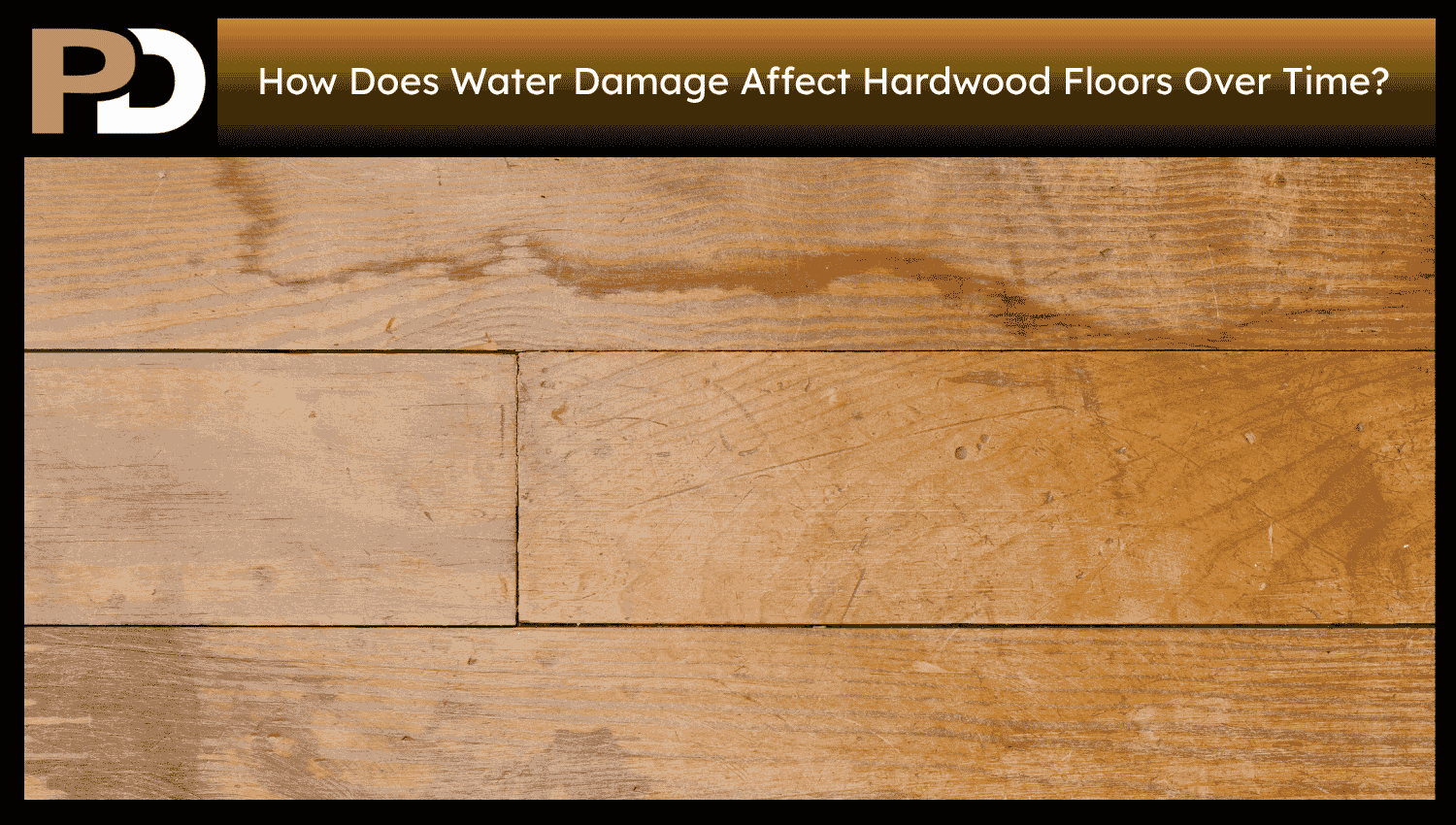
Hardwood flooring is extremely moisture-sensitive but is durable and long-lasting. No matter how little water it is, if not treated quickly enough, it affects the shape, stability, and appearance of wood. Damages are not visible above the surface until they have started to occur, and by this time, moisture has permeated the area.
Hardwood flooring retains moisture underneath for an extended period of time after the surface is dry, leading to moisture spreading throughout the building materials. Wet subfloors keep moving moisture through the flooring system, and insufficient air circulation under the floor slows drying. Expansion and contraction of these boards and supporting structures are under constant stress. Water spreads to other drywall, baseboards, and nearby rooms, making the damage even worse. Long-term exposure to moisture can increase humidity in the house, cause structural moisture damage to certain parts of the floor, and reduce the home’s aesthetics.
What Early Warning Signs Suggest Hardwood Floors Have Water Damage?
Here are the 6 Early Warning Signs That Suggest Hardwood Floors Have Water Damage:
- Uneven Floor Surface: Boards that are crooked when walked on are a sign that moisture is starting to get into the structure of the boards.
- Squeaking or Movement: Hardwood boards become loose from the subfloor because of water, which leads to movement or squeaking when walking.
- Discoloration: Dark stains, faded spots, or color changes are a sign of moisture invasion inside the wood.
- Raised Board Edges: One of the first signs of water-related expansion is lifting along the edges of the boards.
- Persistent Damp Odors: An area around hardwood flooring that smells musty indicates that moisture has built up under the hardwood floor.
- Visible Finish Damage: The peeling, bubbling, cloudy finishes or dull areas that seep under the surface waterproofing.
What Happens to Hardwood Floors Immediately After Water Exposure?
As soon as water comes into contact with hardwood floors, the boards start to absorb water from exposed edges and joints, and from any damaged finish. Protective coatings also lose their appearance or appear cloudy as absorption takes place. The wood begins to swell even before it is seen to be bent. The moisture slowly seeps underneath, towards the subfloor, where it starts to cause damage long before any major changes can be seen on top.
How Does Hardwood Flooring Change as Moisture Increases?
Here are the 5 Ways Hardwood Flooring Changes as Moisture Increases:
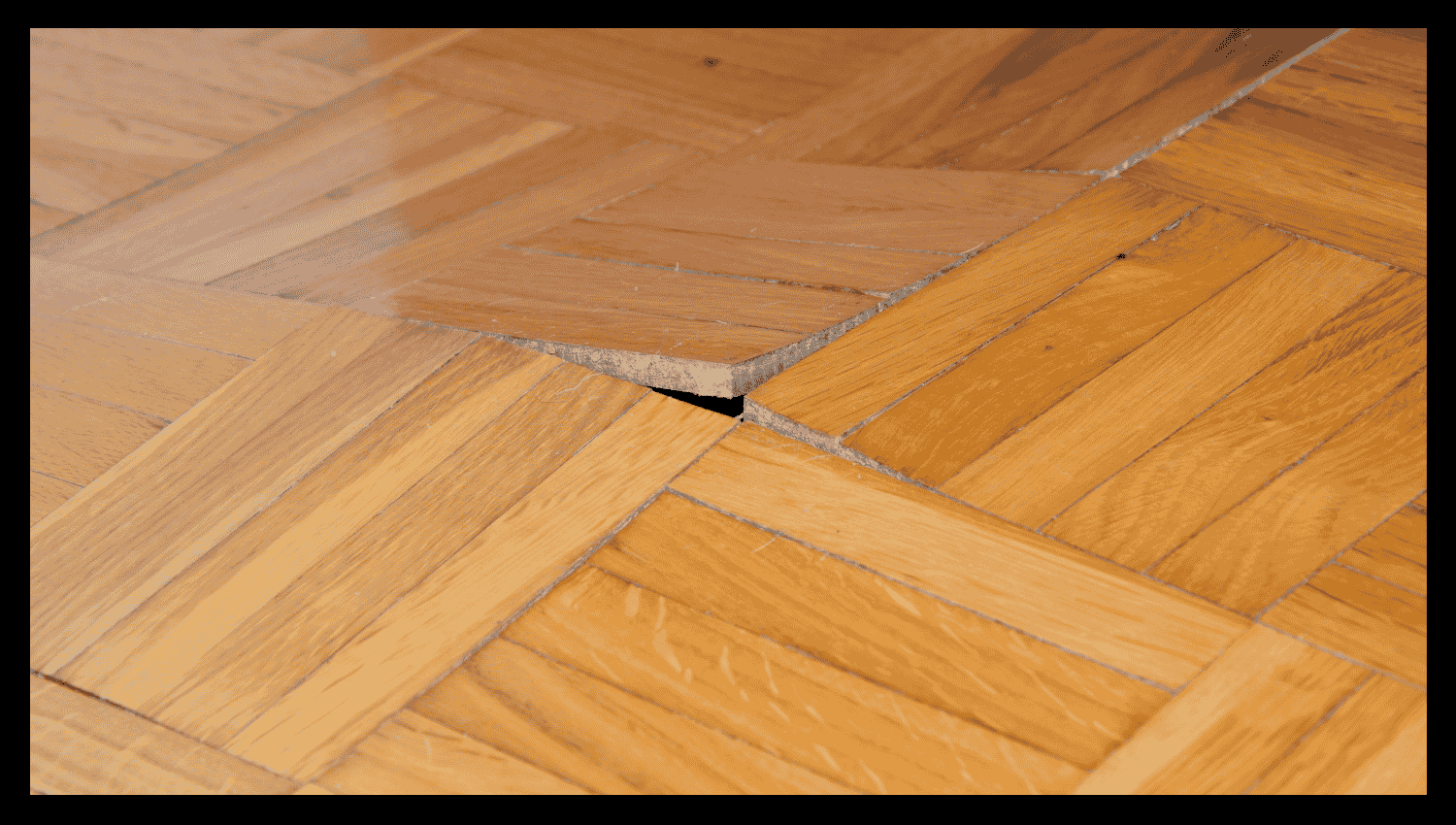
- Cupping: The edges of each board are raised above the center due to moisture absorption on the underside of each board compared to surface moisture.
- Crowning: Moisture changes cause the center of the boards to rise above the edges as a result of insufficient drying or extended moisture imbalance.
- Buckling: Hardwood boards expand when exposed to moisture, and when it is a lot, they lift completely off the subfloor.
- Board Separation: As wood dries out, there are visible gaps between the boards due to uneven drying.
- Surface Warping: Long exposure to moisture causes individual boards to twist, bend, and permanently change in shape.
Which Parts of the Hardwood Flooring System Can Be Damaged?
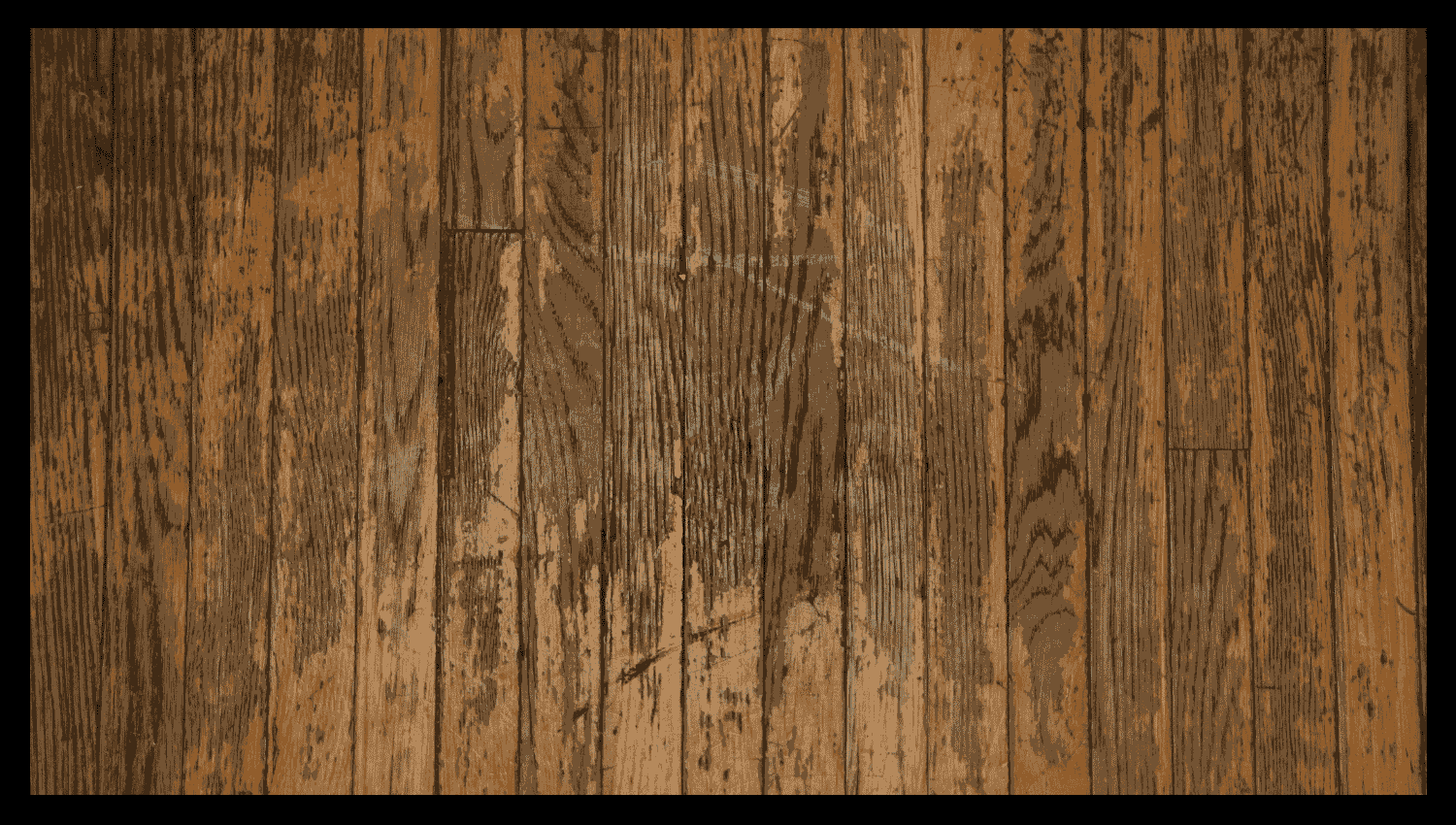
Water damage is a lot more than just what you can see on the surface in the hardwood area. The floorboards are the initial elements to take up water, and the water rapidly penetrates deeper into the floor system. Over time, the moisture causes the subfloor to weaken, which lessens the support it offers the hardwood. The adhesive used to glue the floor down fails, and nails and staples loosen with repeated expansion and contraction in a glue-down floor. Buckling also occurs when wood swell is too great for the expansion gaps that are provided for the normal movement of the wood.
What Factors Influence the Severity of Hardwood Floor Water Damage?
Here are the 6 factors that influence the Severity of Hardwood Floor Water Damage:
- Amount of Water: The more water, the more it becomes deeply saturated and causes extensive damage to the entire flooring system.
- Length of Exposure: The longer hardwood is wet, the deeper the moisture goes into the wood and underlying materials.
- Wood Species: Moisture absorption in wood varies by hardwood species, resulting in different damage rates.
- Floor Finish: Protective finishes reduce moisture absorption for extended applications, but do not totally prevent the water from reaching the surface.
- Indoor Temperature and Humidity: The drying rate is directly affected by the environmental conditions. Evaporation is slowed by high humidity and cooler temperatures, which help moisture stick around.
- Subfloor Moisture: Wet subfloors still move moisture back into hardwood floors, making it difficult to dry and continuing to cause damage.
When Should Hardwood Floor Water Damage Be Professionally Evaluated?
Professional evaluation is recommended if the hardwood flooring becomes severely buckled, warped, or is exhibiting generalized deformation. It is also a good idea to inspect whether moisture has penetrated the subfloor, whether the flooring is still moist after drying, whether damage is still expanding, or whether structural motion is observed. A professional assessment is also necessary if the source of the water is not easily discernible, since leaking water can cause damage under the floor.
Can Proper Restoration Preserve Hardwood Floors?
Timely restoration makes a big difference in the potential to preserve hardwood flooring. Removing moisture early helps to minimize wood movement and risk of permanent deformation. It is important to fix the actual source of water to prevent further damage and subsequent issues. The hardwood flooring and the subfloor are dried out during the restoration process to restore long-term stability. Once the damage has been assessed, professionals can decide whether they can restore the flooring or it should be replaced.