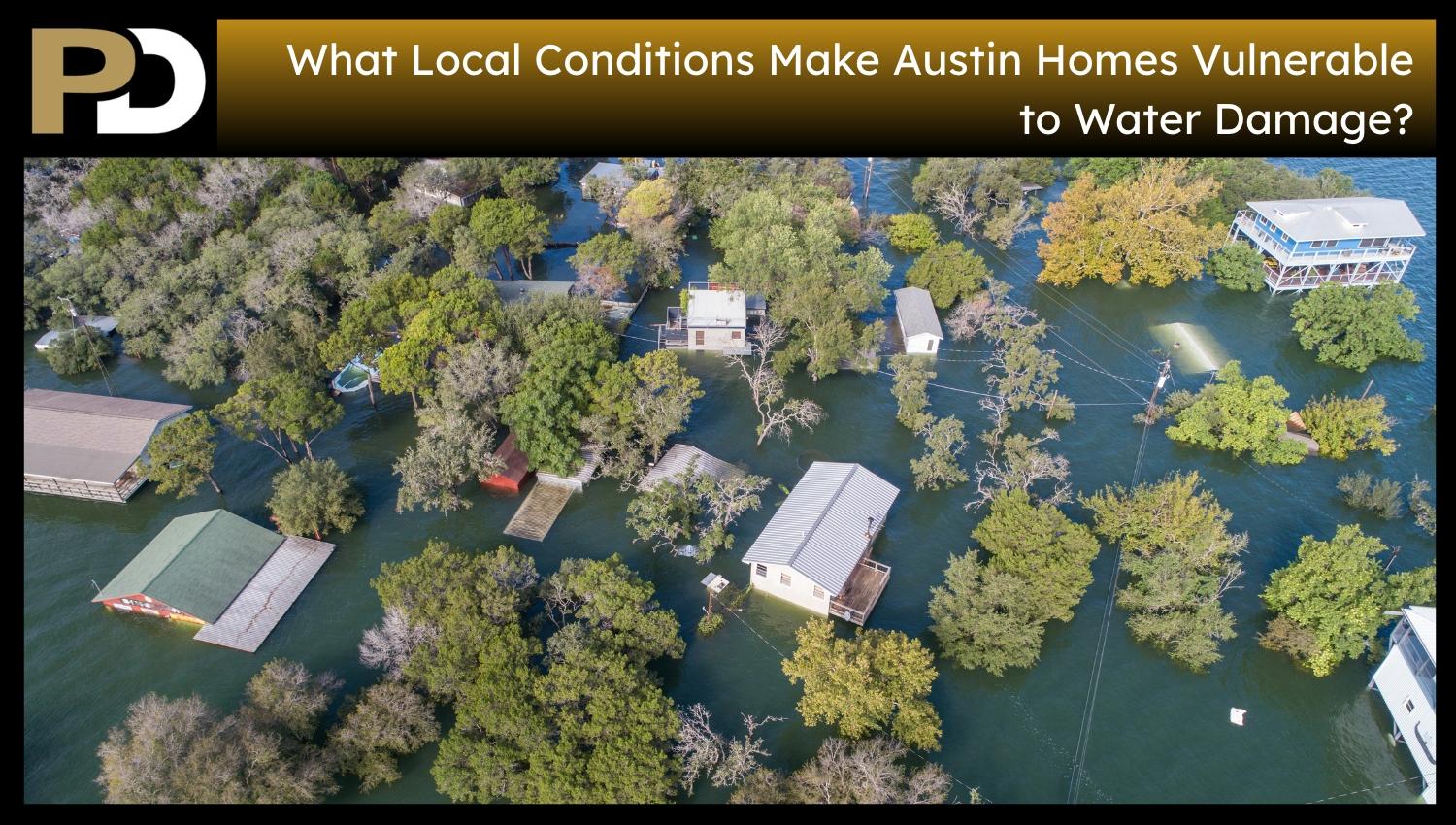
Water damage starts as a minor issue but quickly turns into an expensive one. Homeowners can find moisture problems before they spread to walls, ceilings, floors, or structural elements with a simple inspection. An effective inspection involves reviewing visible indications, areas where leaks are likely to occur, and areas where concealed leaks are likely to occur. The homeowner does a simple visual inspection, but if the water damage is hidden or extensive, it’s best to have a professional assess the damage.
It is highly significant to have a water damage inspection, as this helps identify the moisture issue while it is still traceable. It provides homeowners with an early warning of where they have leaks, and minimizes the exposure to long-term damage to walls, floors, ceilings, and building materials. Regular inspections also have the added benefit of recording damage following storms, plumbing problems, or appliance leaks, allowing for easier tracking of damage and determining when professional help is needed.
What Should Homeowners Check First After Suspecting Water Damage?
Here are 5 things Should Homeowners Check First After Suspecting Water Damage:
- Look for Visible Water Sources: Look for leaks in the pipes, faucets, overflowing fixtures and appliances, or water coming in through the roof or windows. A small leak can cause extreme damage if left unnoticed.
- Inspect Areas With Recent Moisture: Focus on areas that heavy rain, plumbing leaks, overflowing sinks, appliance failures, or previous floods have impacted. These are the places where moisture tends to accumulate.
- Check for Changes in Materials: Check walls, ceiling, floor, cabinets, and trim for swelling, staining, warping, bubbling, and other changes. These signs indicate exposure to moisture for an extended period.
- Identify Unusual Odors: A house with musty or damp odors indicates moisture behind the walls, under the flooring, or inside the ceilings. Any odor detected during the inspection that persists should not be ignored.
- Review Recent Water Events: Consider recent storms, plumbing issues, plumbing backups, and leaking appliances. These events often leave moisture present even though damage is not immediately apparent.
How Can Homeowners Inspect Walls and Ceilings for Water Damage?
Walls and ceilings are some of the first places where evidence of moisture is visible. Careful inspection can detect water before it results in more serious damage. Look for stains that are yellow, brown, or dark that are from past or existing leaks. Be alert for peeling paint or wallpaper because moisture behind finished surfaces causes the paint or wallpaper to peel. Gently press on any parts that are suspicious for bubbling, soft, or weak drywall. Look for sagging, cracks, or stains in ceilings, particularly under bathrooms, kitchens, or roof areas. Inspect walls in the vicinity of wet conditions for cracks that accompany moisture.

What Should Homeowners Check in Floors and Flooring Systems?
Here are 5 things Should Homeowners Check in Floors and Flooring Systems:
- Look for Warping or Buckling: Hardwood and laminate flooring swell, cup, or buckle when they come into contact with water. Even marginal shape changes mean that there is hidden water.
- Check for Soft Spots: Walk across the floor and watch for soft, spongy, or unstable areas. Over time, moisture weakens the subfloor beneath the floor.
- Inspect Tile and Grout: Check for loose tiles, cracked grout, or any cracks or openings that lead to water seepage under the flooring system.
- Check Carpeted Areas: Check for moisture by feeling for a wet pad, wet carpet, or cool spots long after cleaning or from rain. Moisture can be concealed in carpet for long periods.
- Inspect Around Floor Edges: Look for swollen, discolored, or separated baseboards, transitions, and flooring, which are the first signs of moisture problems.
Which Plumbing Areas Should Be Included on a Water Damage Checklist?
Leaks in the house start around plumbing fixtures or water-using appliances. These areas should always be covered in an inspection. Check under sinks for wet cabinets, leaking supply lines, water stains, or broken pipe connections. Test toilets for leaks on the floor around the toilet, on loose connections, or stains around the base of the toilet. Check behind refrigerators, dishwashers, and washing machines for any leaks or wet floor. Check water heaters for corrosion, pooling water, and leaking valves. Check the area around showers and bathtubs, and look for any moisture or failing grout or caulking around the baths and walls.

How Should Homeowners Inspect the Basement, Crawl Space, and Foundation?
Groundwater tends to pool around a home’s foundation, which makes lower levels highly susceptible. Look for wet spots, stains, or signs of seepage in basement walls. Check for pooled water around walls, floor drains, and utility rooms. Check the foundation for cracks, white mineral deposits, or moisture stains, which are signs of water entering the foundation. Pay attention to any odors that don’t go away after ventilating, as they are a sign of moisture problems. Note if the basement (or crawl space) is significantly more humid than the rest of the house.
What Exterior Areas Should Homeowners Inspect for Water Damage?
Here are the 5 Exterior Areas Homeowners Should Inspect for Water Damage:
- Roofing System: Inspect for missing shingles, faulty flashing, cracked roofing materials, and other openings that allow rain in.
- Gutters and Downspouts: Keep gutters free of debris and make sure that downspouts don’t pool near the house.
- Exterior Walls: Check siding, brick, stucco, or masonry for cracks, gaps, stains, and signs of sealant failure that bring water into the home.
- Windows and Doors: Look for openings in caulking, weather seals, and flashing where rainwater seeps in during storms.
- Drainage Around the Property: Keep an eye on the drainage around the property. Monitor drainage around the property. After a rain, check for water pooling near the foundation, bad grading, soil erosion, or any standing water.
What Should Homeowners Check After a Storm or Flood Event?
Check the roof for missing shingles, broken flashing, and storm openings after storms and flooding. Check for wind-driven rain on windows and doors. Look for pooling, seepage, or flooding in basements and low areas. Look for stains on ceilings or walls several days after it rains. Look for any moisture in hard-to-reach places like crawl spaces, attics, and utility rooms after the water is gone.