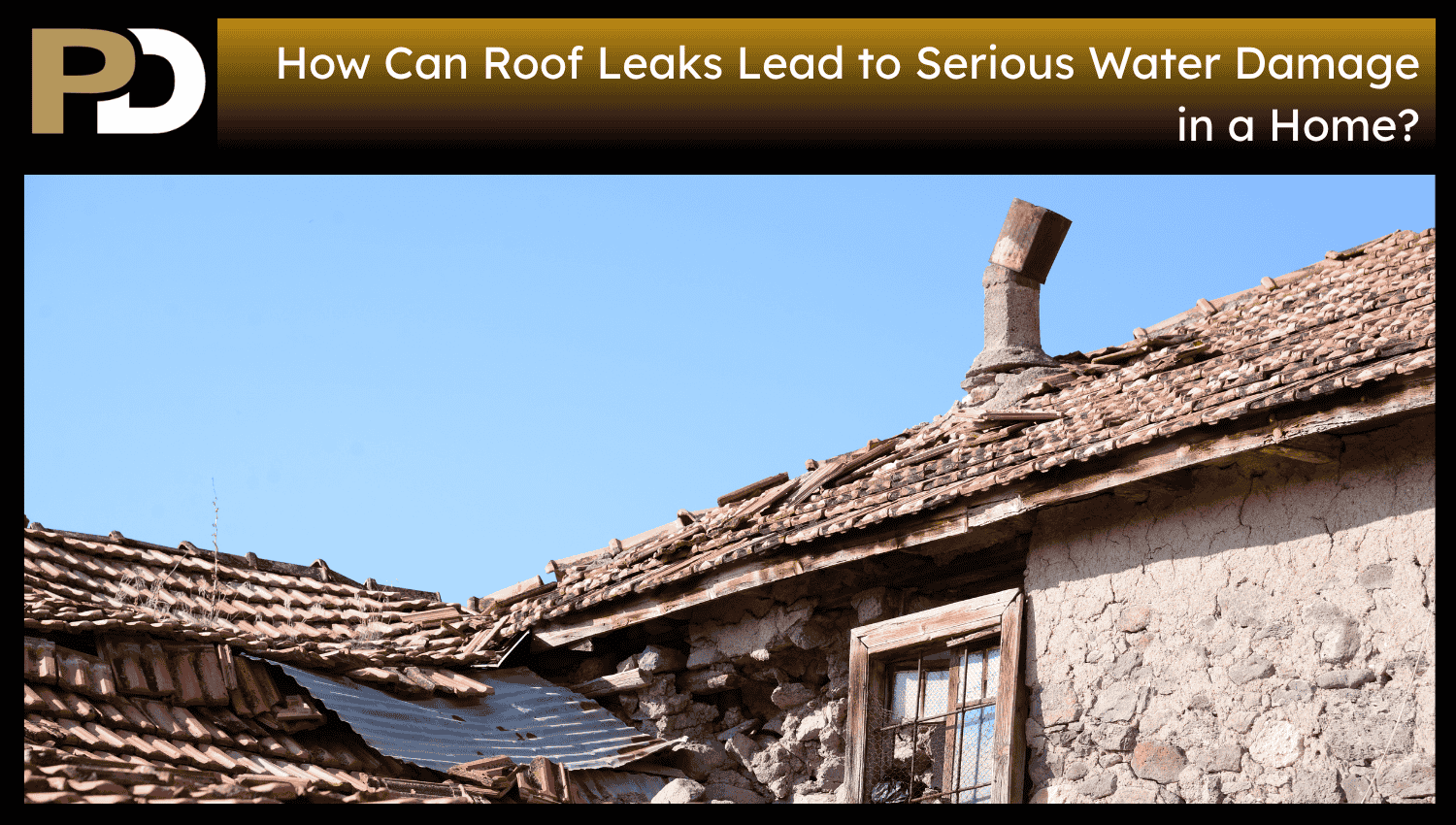
A roof leak occurs when roofing materials fail to prevent water from entering the building envelope. Roof leaks are caused by dripping water, and many of these leaks remain hidden for a long time in the roof structure or wall cavities. A roof leak allows rainwater into an attic or roof space of the house, and it seeps through ceilings, walls, insulation, flooring, and other components. The source of the roof leak is hard to find because water tends to flow back to where it was originally introduced.
Excess moisture causes ceiling drywall to stain, soften, or sag, and wooden rafters, trusses, and framing become weakened over time with prolonged exposure. Wet insulation becomes a poor insulator and tends to retain water for extended periods. Paint, trim, wallpaper, and decorative surfaces inside the building peel, bubble, crack, and deteriorate over time due to moisture exposure. Timely detection is crucial, as roof leaks start as small issues and become extensive problems.
What Causes Roof Leaks?
Here are the 6 causes of Roof Leakes:
- Damaged or Missing Shingles: Shingles crack, loosen, curl, or fall off due to wind, weathering, hail, and other harsh weather conditions. Rainwater seeps through the rest of the roof and into the house if the outer layer is torn.
- Cracked Flashing: Water is protected from entry around chimneys, skylights, vents, valleys, and roof joints by the flashing. Signs of cracking, corrosion, or improper installation of flashing result in openings that permit water to penetrate the roof assembly.
- Clogged Gutters and Downspouts: Obstructions such as leaves, debris, and other items block gutters and downspouts, preventing proper drainage. Properly backed-up water accumulates around the edges of the roof and work under roofing materials.
- Worn Roof Sealants: Over time and with exposure to the weather, sealants around roof penetrations will fail. Sealants crack, shrink, and separate over time, reducing their effectiveness in repelling water.
- Aging Roofing Systems: Over time, all roofing materials deteriorate due to exposure to the sun, temperature changes, rain, and wind. As shingles, underlayment, flashing, and other parts of the roof lose their protective qualities, older roofs become more susceptible to leaks.
- Storm and Weather Damage: Heavy rain, hail, strong winds, falling branches, and other harsh weather conditions damage roofing materials. Simple storm damage creates small openings that let water in during rain.
What Are the Early Warning Signs of a Roof Leak?
Here are the 5 Early Warning Signs of a Roof Leak:
- Ceiling Stains: Water flowing from the ceiling gives yellow, brown, or dark spots on ceiling surfaces. The stains grow over time as water continues to be spread.
- Peeling Paint or Bubbling Surfaces: Paint, plaster, or other finishes trapped behind painted walls or ceilings bubble, peel, and separate from the wall or ceiling surface when moisture gets behind the finish.
- Damp Attic Materials: Water resources in the roof before entering the living areas beneath are indicated by wet insulation, damp roof decking, or moisture on the woodwork inside the attic.
- Musty Indoor Odors: The musty odor is produced by moisture in the ceiling, walls, insulation, or attic area that is not visible to the naked eye. Damage is not noticeable until after the odor is detected.
- Dripping Water During Rainfall: There is definitely a leak in your roof that you need to pay attention to if water is dripping from the ceiling, light fixtures, or another area of your attic during heavy rain.
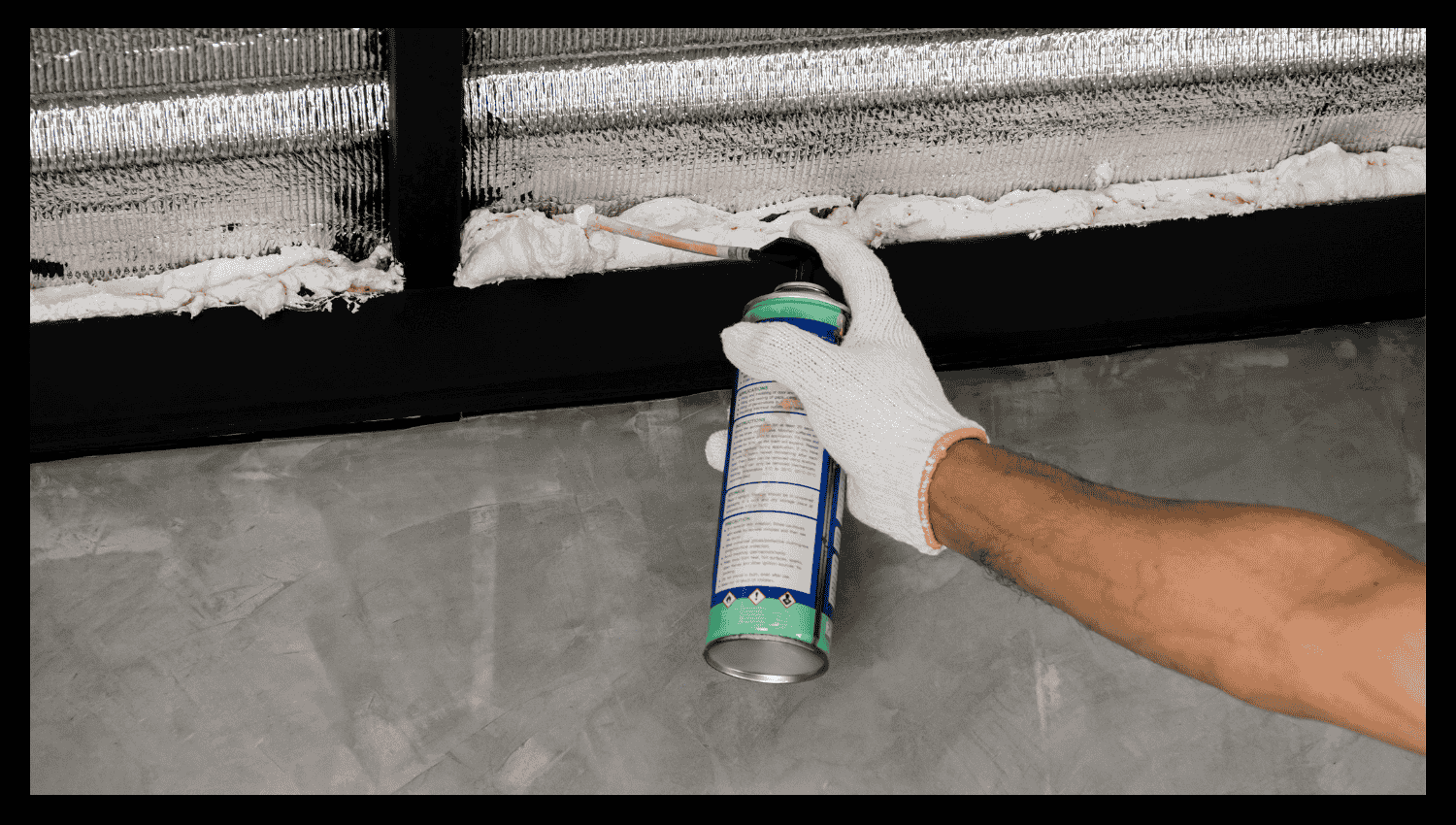
Where Does Water Typically Travel After Entering Through a Roof?
Once water gets under a roof, it isn’t in the immediate vicinity of the leak. It occurs on the roof decking, framing, and other parts of the structure before appearing inside the house. First, moisture is present in the attic, where insulation and wood framing absorb it. It then spreads into ceiling spaces, runs down wall spaces, and enters concealed structural spaces. Over time, as water continues to be drawn by gravity towards lower floors and rooms, it ends up in rooms and floors below the original leak site. Water migrates a great distance from where it enters the roof, resulting in obvious damage visible from a distance.
What Hidden Damage Can Develop From an Undetected Roof Leak?
Excessive moisture exposure weakens rafters, roof decking, trusses, and other wood framing elements. They become weaker and less durable with prolonged exposure to moisture. Water easily drips into the attic and wall insulation, and it remains damp for a long time after the water starts dripping. Wet insulation loses much of its insulating value and won’t retain all the moisture. Excessive moisture causes building materials to wear gradually over time. The roof leak is quite small, but the drywall becomes soft, paint peels off, wood warps, and interior finishes are affected.
How Can Roof Leaks Affect a Home’s Structural Integrity?
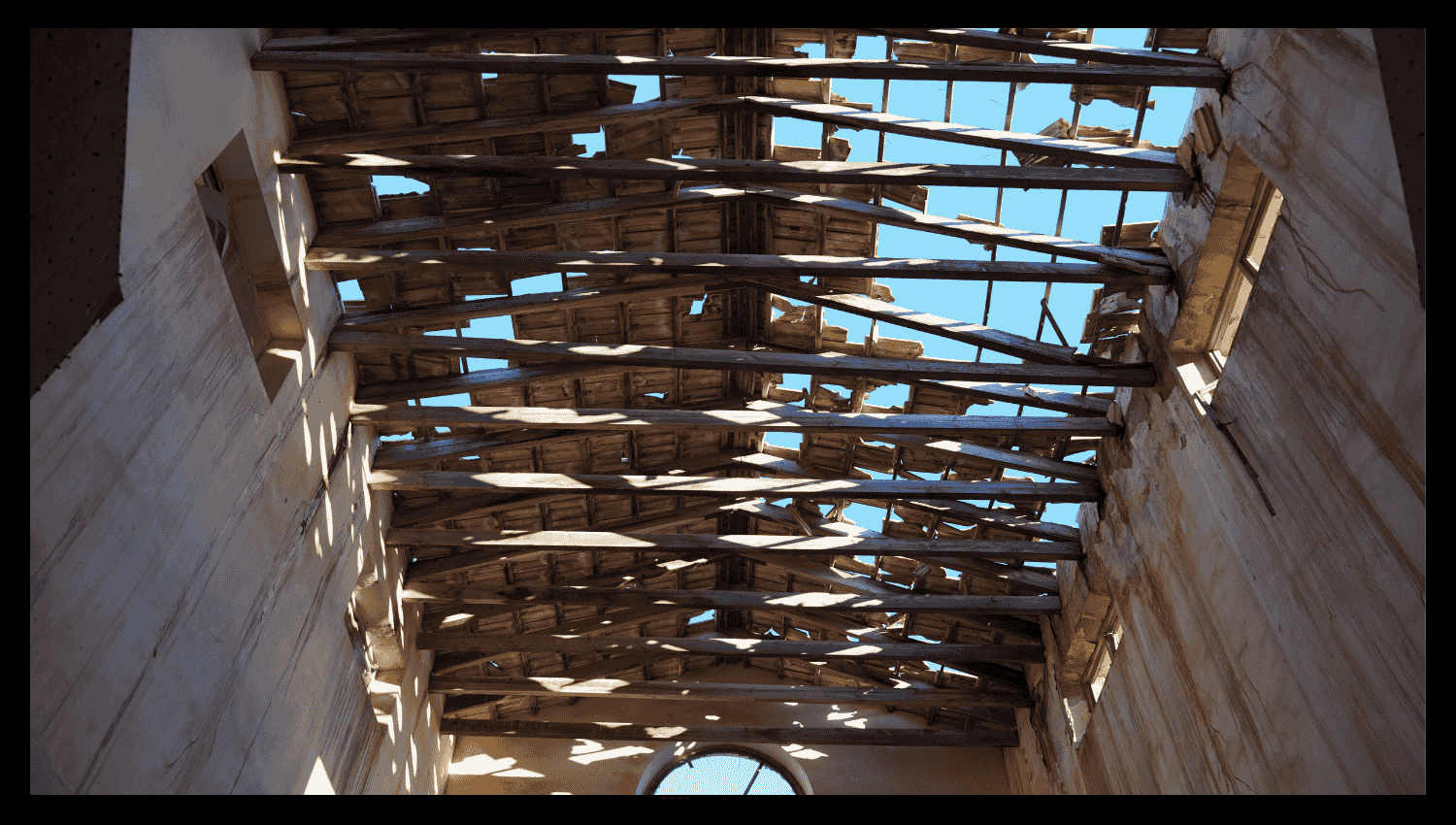
Over time, leaky roofs weaken the roof decking, and the surface beneath the roofing materials deteriorates. Long after installation, rafters and trusses, along with other wood framing members, weaken, warp, or rot due to moisture absorption. Water absorbed into ceiling systems can wet the drywall and structural materials, causing them to sag or become unstable. Continuous water entry damages several interrelated parts of the structure, causing extensive deterioration and loss of the building’s stability.
How Can Roof Leaks Impact Indoor Living Conditions?
Here are the 4 ways roof leaks impact indoor living conditions:
- Increased Indoor Humidity: Water entering through the roof increases interior humidity as it evaporates from the ceiling, walls, insulation, and other construction materials. Humidity remains high until the infested areas are dry.
- Reduced Comfort: Moisture makes buildings uncomfortable due to damp building materials, cooler indoor temperatures, and moisture accumulation. Rooms that have leaky roofs stay humid for an extended time after the rain stops.
- Persistent Odors: Unseen moisture behind ceilings, in attics, in insulation, or in wall cavities results in persistent musty smells. The odors are held until all the dampness is eliminated.
- Air Quality Concerns: Long-term damp conditions negatively affect overall indoor air quality by trapping moisture within the building structure. As water damage progresses through their home, poor indoor conditions become more apparent.
How Can Roof Leaks Affect Property Value?
Leaky roofs negatively impact property value by making buyers less confident in the home they are interested in and raising concerns about the roof’s condition. Evidence of water intrusion or unaddressed structural concerns can be seen through ceiling stains, peeling paint, musty smells, or damaged interior finishes. Roof-related water damage affects the property’s valuation and raises concerns for the potential buyer about future maintenance issues. A house that has been known to leak in the past, has roofing issues that have not been fixed, or is visibly damaged is also less attractive to potential home buyers. These conditions negatively impact the house’s marketability and take longer to sell.