Water damage in a bathroom occurs for several reasons, including leaks, flooding, and structural problems. Since bathrooms are constantly exposed to water, have plumbing systems, and have water fixtures, they are one of the most common places for water damage. Every day, bathroom surfaces are exposed to water from showers, bathtubs, sinks, and toilets. A small leak or faulty seal lets water in and creep into areas where it causes damage to other materials.
Enclosed areas in bathrooms, like walls, flooring systems, and cabinets, tend to retain moisture. Inadequate ventilation does not allow the surface to dry properly after everyday use. Small leaks go undetected behind fixtures or under floors for extended periods. Damaged waterproofing systems also let water into the building materials.
The warning signs of water damage include damp Drywall, discolored or soggy. Water causes floors and subfloors to weaken over time. Wood cabinets and trim swell and deteriorate. Cracked tile and grout allow water to reach hidden materials below. Wet insulation becomes trapped in the walls, and the ceiling materials below an upper-level bathroom are stained and damaged.
What Are the Most Common Causes of Bathroom Water Damage?
Here Are the 6 Most Common Causes of Bathroom Water Damage:
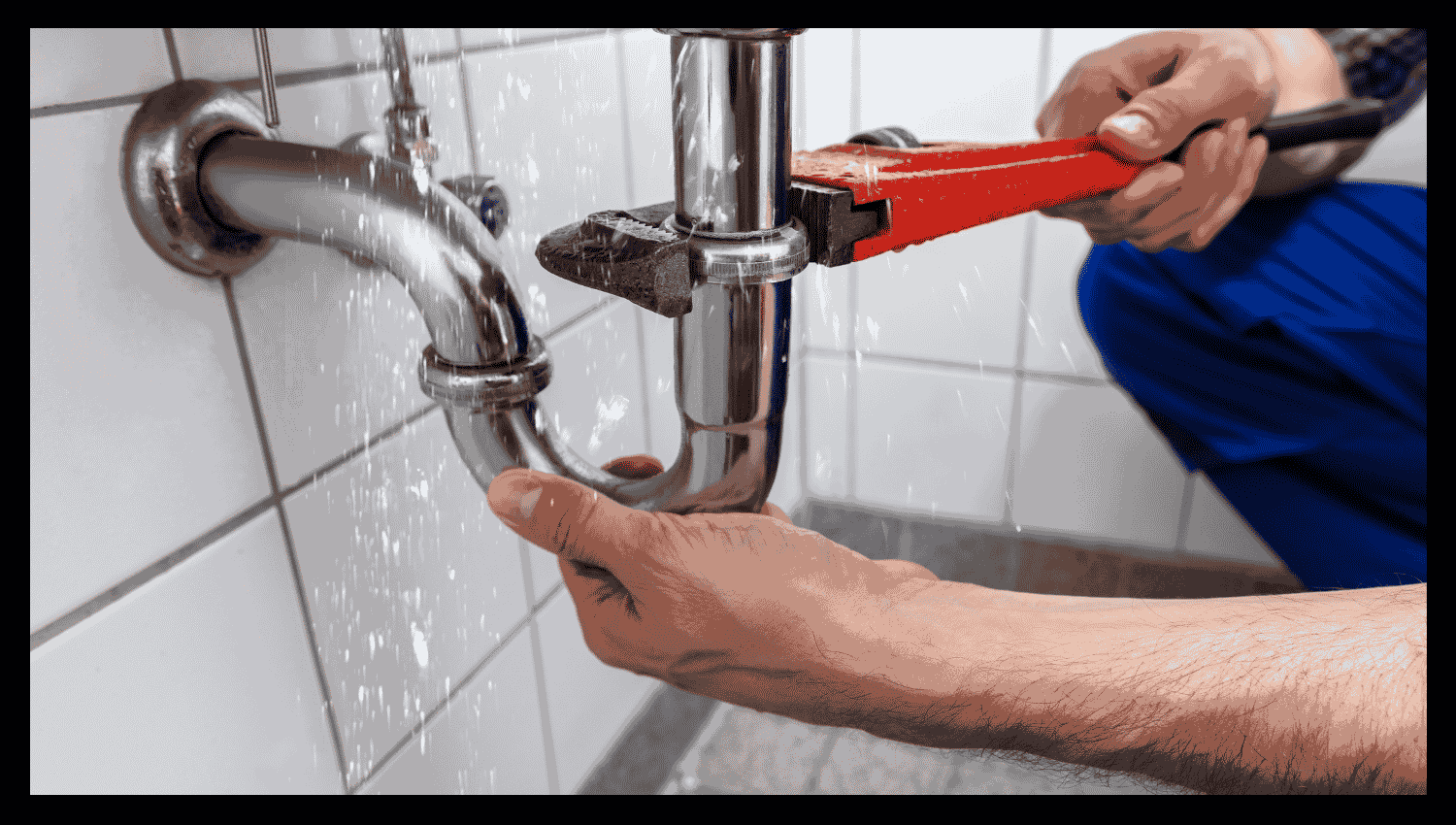
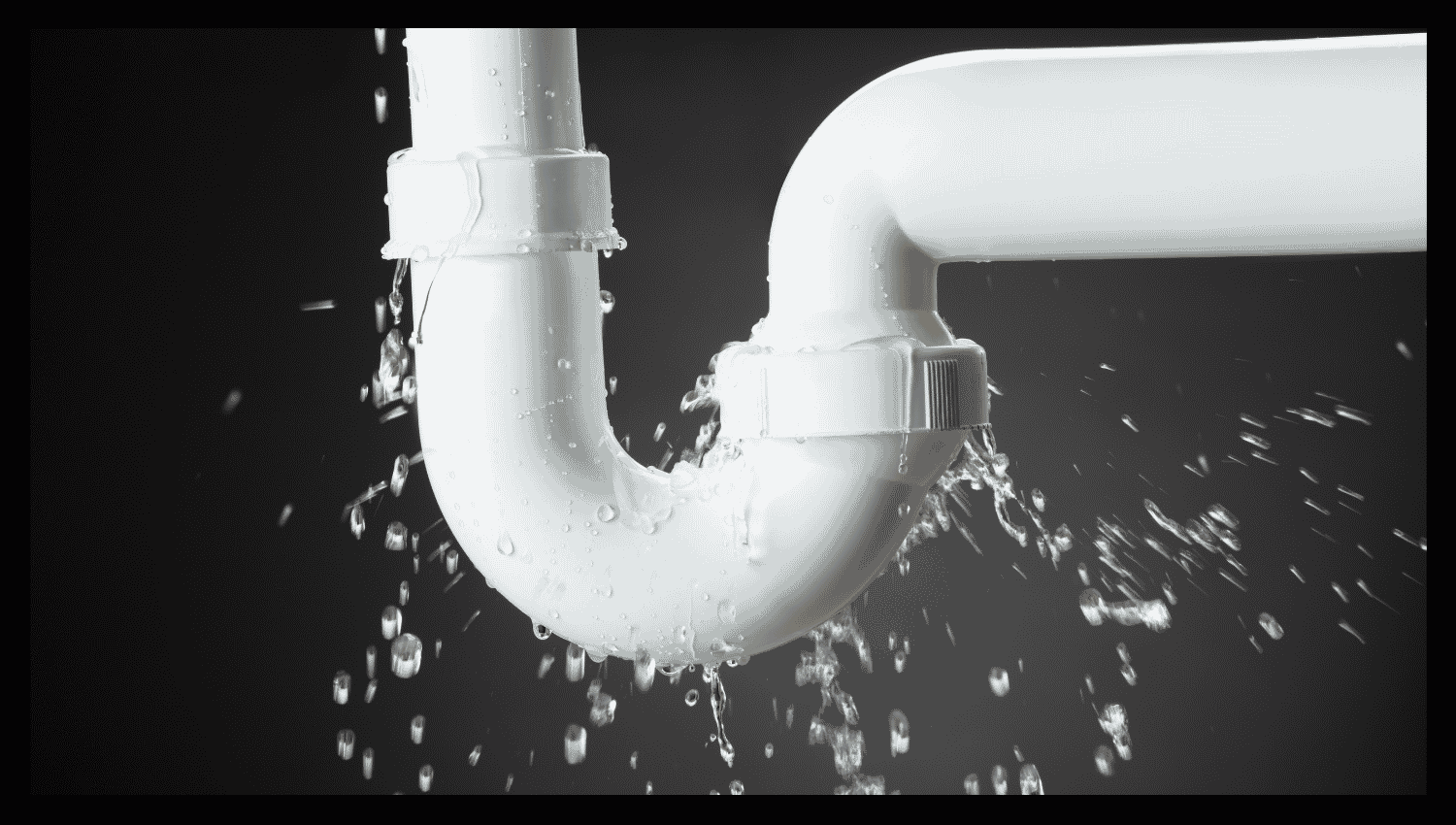
- Plumbing Connections: Over time, water supply lines, drain pipes, shut-off valves, and plumbing fittings wear out. Water leaks behind walls or under sinks or flooring due to loose fittings, damaged pipes, or old connections. These areas are not visible, so moisture travels there before any damage is noticed.
- Shower and Bathtub Leaks: Daily exposure to water in showers and bathtubs permeates finished surfaces when the grout is damaged, the tiles are cracked, the caulking has worn or failed, or the seals are broken. Water penetrates the walls, floor, and building materials around the shower or bathtub.
- Toilet Leaks: Water leaks out around the toilet due to broken wax rings, loose toilet bases, blocked drains, and frequent toilet overflows. The floor, adjacent walls, and subfloor under the bathroom get wet. Over time, neighboring materials begin to deteriorate because of the continual exposure.
- Sink and Faucet Leaks: Leaky faucets, frayed water lines, and broken drain pipes allow water to leak inside vanities and onto adjacent flooring. Small drips persist for weeks and go unnoticed, particularly if storage items cover the drip.
- Failed Waterproofing Systems: Waterproof membranes under tile, around showers, and under flooring are key to bathrooms. Water migrates under completed membranes and surfaces due to membrane damage or improper installation. Water penetrates drywall, wood frame, and other structural material.
- Poor Bathroom Ventilation: Many people tend to produce a lot of water in the shower/bathtub. The steam condenses on ceilings, walls, mirrors, and fixtures if there is no fresh air circulation. Surface condensation increases exposure to moisture throughout the bathroom and prevents surfaces from drying out.
What Are the Early Warning Signs of Bathroom Water Damage?
Here Are the 7 Early Warning Signs of Bathroom Water Damage:
- Discolored Walls or Ceilings: Moisture in walls or ceilings shows as yellow, brown, or dark stains. Water continually seeping into the stain area expands the stain.
- Loose or Cracked Tiles: Moving tiles, cracking, or lifting from the surface indicate moisture under the tiles. Water thins adhesives, and over time, tiles lose adhesion.
- Peeling Paint: Bubbling, cracking, or peeling paint means that moisture is building up under the paint. Repainting without addressing the source of moisture seldom resolves the issue.
- Spongy Flooring: Walking on the bathroom floor should feel firm. Soft or flexible flooring is a sign of water underneath the finished floor. Over time, the subfloor becomes weak due to moisture.
- Swollen Baseboards: Wood trim and baseboards are quick to get wet. It is common to find water behind other surfaces if they are swelling, warping, or separating from the wall.
- Musty Odors: Musty odors are a sign of water behind walls, under floors, or in cabinets. The smell sometimes persists after the bathroom has been dried out.
- Recurring Grout: Cracking, crumbling, and staining of grout is a sign of chronic water intrusion. The same issue recurs with each repair if the moisture source is not corrected.
What Hidden Problems Can Develop From Bathroom Water Damage?
Here are the 5 Hidden Problems That Can Develop From Bathroom Water Damage:
- Moisture Behind Walls: Leaky pipes, broken grout, or failed waterproofing are common entry points for water in wall cavities. Water infiltrates behind drywall and goes unseen, causing damage to other materials.
- Subfloor Damage: The water seeps under the floor and into the subfloor with tile, vinyl, or laminate flooring. Pressure from moisture weakens structural supports, resulting in uneven or unstable floors.
- Structural Material Deterioration: Exposure to water over time causes wood framing, support members, and other structural elements to rot; moisture within the building can lead to hidden deterioration and greater damage.
- Persistent Damp Conditions: Moisture is trapped in enclosed areas for a long time after the surfaces have been made dry. Nearby materials remain damp and help maintain high indoor humidity levels.
- Recurring Surface Damage: Repeated damage occurs to paint, grout, drywall finishes, and flooring when the moisture source is still active. Band aids can’t resolve the issue.
How Does Poor Bathroom Ventilation Contribute to Water Damage?
Poor ventilation causes moisture to stay in the bathroom after each shower or bath. Condensation occurs on ceilings, walls, mirrors, windows, and fixtures as a result of the humid air. Air flow is still restricted, keeping surfaces wet longer.
Drywall, wood trim, cabinets, and painted surfaces are subject to moisture daily due to slow drying. Damp conditions affect building materials and, over time, cause visible staining, peeling finishes, and persistent odors. Good ventilation helps eliminate excess moisture and prevent moisture damage to bathroom surfaces.
When Should Professional Water Damage Inspection Be Considered?
It’s time for a professional inspection if moisture is found behind walls or under floors, bathroom smells linger after you have cleaned, or if the leak is not visible. Professional assessments are also helpful if structural materials are damaged or if the water is causing damage in other areas of the home besides the bathroom. Specialized inspection equipment is used to detect hidden moisture within a building’s walls, flooring systems, ceilings, and other hidden building materials before it widens in scope.