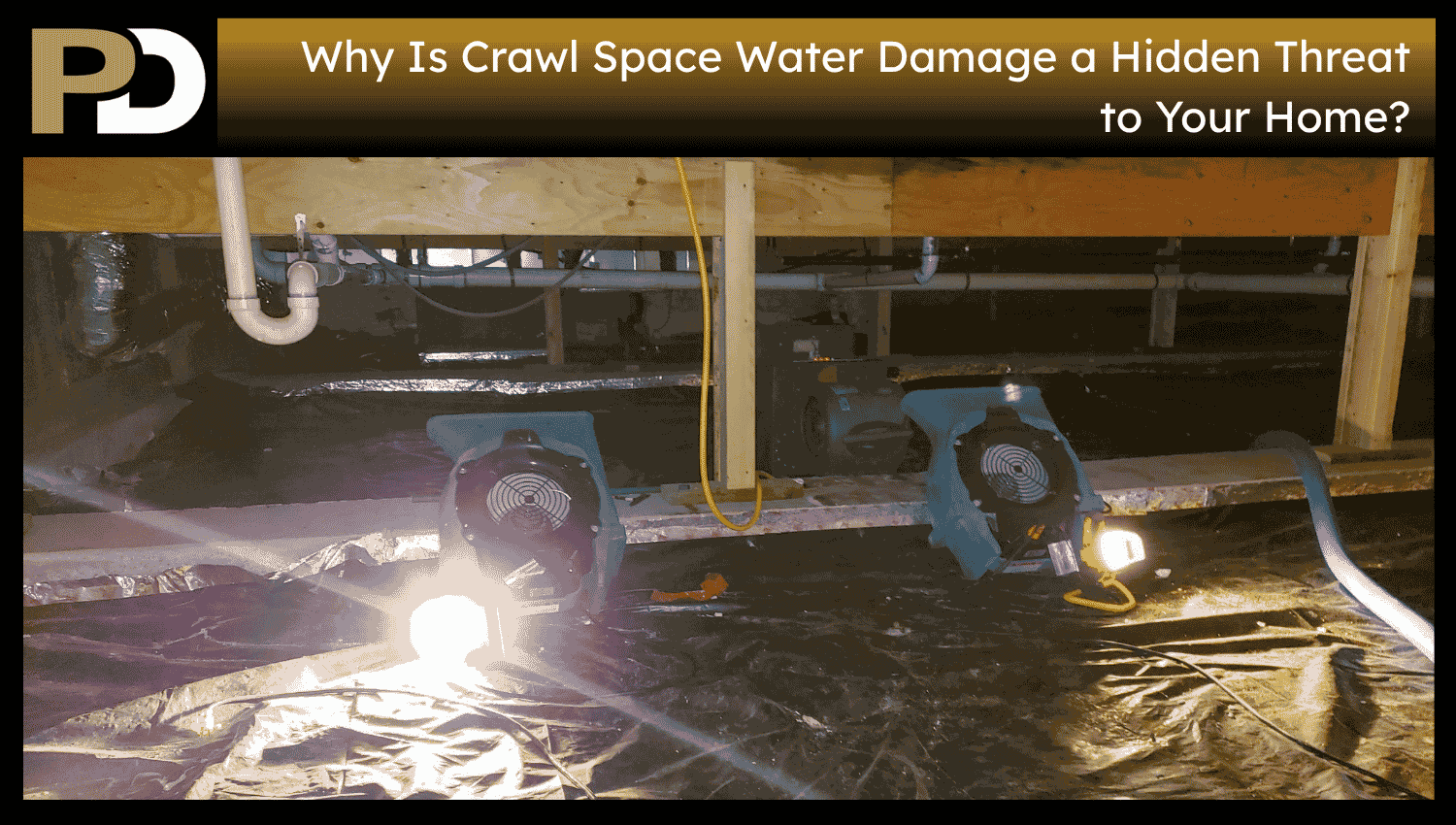
Crawl spaces are constructed near the ground, where water tends to accumulate. Low airflow reduces the rate of evaporation so that wet weather can last a long time. Water damage in crawl spaces can easily go unnoticed for months or even years since crawl spaces are enclosed and are not frequently visited. Crawl spaces are a common area for plumbing pipes, drain lines, and utility systems, where leaks can easily occur and go undetected. There may also be moisture increases throughout the year due to seasonal weather variations such as excessive rainfall and humidity.
Where Does Crawl Space Moisture Usually Come From?
Here are the 6 Crawl Space Moisture Sources:
- Groundwater Seepage: Water enters the crawl space through the soil beneath it when there is a lot of rain or when the groundwater level rises.
- Poor Exterior Drainage: Rainwater is rerouted to the home’s foundation due to improper grading and gutter blockages or short downspouts.
- Plumbing Leaks: Leakage in water supply lines, drain pipes, or plumbing fixtures can cause constant drips that drip water into the crawlspace.
- Foundation Openings: Water enters the crawl space through openings, cracks, and gaps in the foundation walls.
- Condensation: Warm, humid air meets cold pipes or surfaces, causing condensation that, over time, increases moisture.
- Improper Ventilation: Airflow from the outside is poor, which makes it harder for the air in the crawl space to dry out and prevents it from drying out.
What Are the Earliest Warning Signs of Crawl Space Water Damage?
Here are the 6 Earliest Warning Signs of Crawl Space Water Damage:
- Persistent Musty Odors: Musty odors coming into the house can indicate too much moisture under the floor.
- Soft or Uneven Floors: The moisture can weaken structural supports, leading to uneven, soft, or squeaky floors.
- High Indoor Humidity: Excess moisture in the crawl space can lead to higher humidity in the house.
- Standing Water or Mud: Puddles, muddy areas, or standing water signify poor drainage or plumbing leaks.
- Condensation on Pipes: Drops of water on plumbing lines that are exposed in the crawl space are a sign of too much humidity.
- Visible Moisture on Wood: Damp, dark, or wet wood framing is a sign of continued moisture exposure.
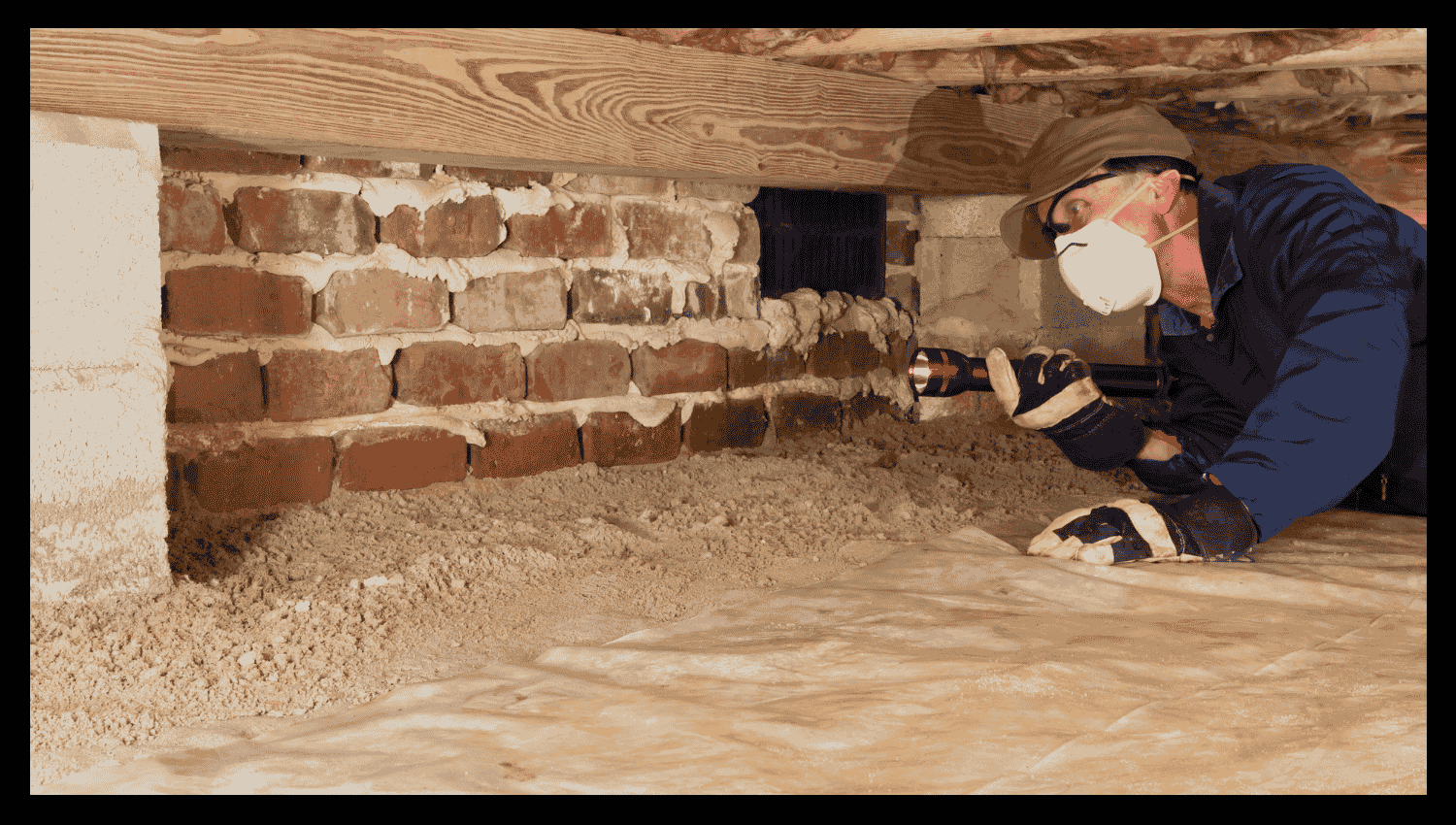
Which Structural Components Can Be Affected by Crawl Space Moisture?
Here are the 5 Structural Components Can Be Affected by Crawl Space Moisture:
- Floor Joists: Continuous moisture weakens the floor joists and compromises the longevity of the floor.
- Support Beams: Wooden beams can absorb water and weaken over time when exposed to moisture for a long period.
- Subfloor Systems: Over time, materials used in the construction of subfloors swell, warp, or deteriorate when exposed to moisture.
- Foundation Walls: Regular water pressure and damp conditions cause deterioration of the foundation and moisture intrusion.
- Support Posts: Posts that are continually exposed to moisture become unstable and compromise the structure.
How Can Crawl Space Moisture Influence the Living Areas Above?
Water under the house adversely impacts the comfort and condition of the spaces above. As structural supports deteriorate, floors can become uneven, soft, and squeaky. Dampness leads to higher indoor humidity and less comfortable rooms. Wet insulation decreases heating and cooling efficiency, thus consuming more energy. Musty odors tend to rise through holes in floors, vents, and so on. This can negatively impact the overall indoor environment if not addressed.
What Environmental Conditions Increase Crawl Space Moisture Problems?
Here are the 5 Environmental Conditions That Increase Crawl Space Moisture Problems:
- Heavy Rainfall: The groundwater entering the crawl space is higher when soil is saturated.
- Poor Property Grading: Improper grading causes rainwater to drain toward the house rather than away from it and toward the foundation.
- High Humidity: Evaporation is less rapid in moist outdoor air, and evaporation will keep crawl spaces damp longer.
- Seasonal Temperature Changes: The greater the difference in temperature between the exterior air and crawl space surfaces, the greater the amount of condensation will be.
- Poor Ventilation: Trapped moisture in the air is not able to dry efficiently due to limited airflow.
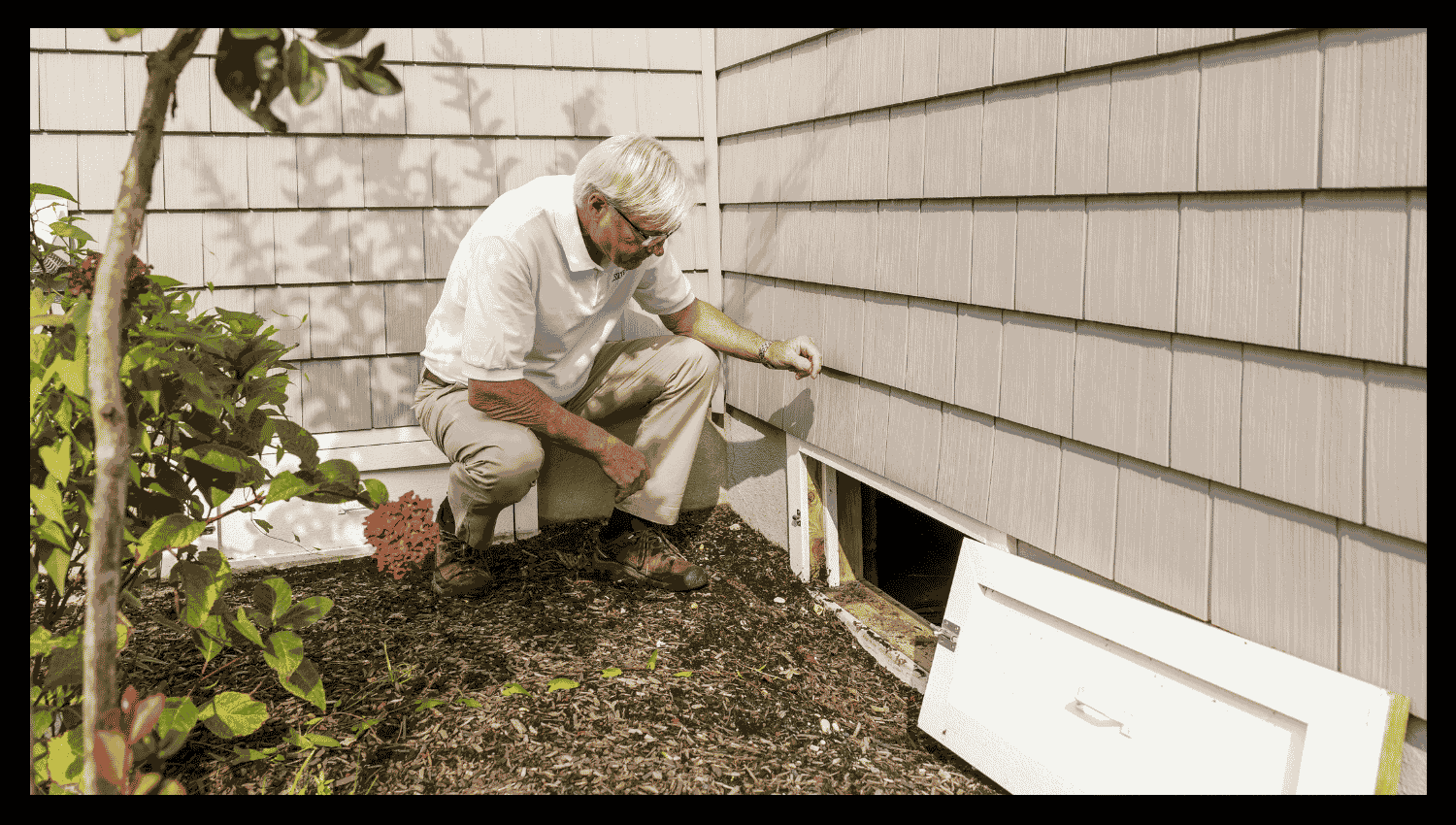
How Can Crawl Space Water Damage Go Undetected for Years?
Crawl spaces are easy to overlook since people seldom get under their homes for normal home upkeep. Under completed flooring, moisture can form and isn’t easily visible to homeowners. Minimal amounts of water can collect over time with no apparent signs or symptoms inside the house. Damp areas can be concealed behind pipes, insulation, and mechanical equipment. It can be several years before uneven floors, odors, or structural issues detect the moisture.
How Can Homeowners Inspect a Crawl Space for Moisture Problems?
It is a good idea for homeowners to periodically inspect the crawl space for any puddles, mud, or saturated soil. The wooden frame must be checked for moisture, color, or deterioration. Insulation should be checked for saggy, compressed, or wet areas. The areas of the foundation walls should be examined for moisture, water stains,s or white mineral deposits. Check for leaks or condensation at exposed plumbing connections. Strong, musty odors in the crawl space or in the living spaces are another sign of potential moisture issues.
What Can Homeowners Do to Reduce Crawl Space Moisture?
Here are the 5 Things Homeowners Can Do to Reduce Crawl Space Moisture:
- Improve Exterior Drainage: Properly grade the area around the house and keep gutters and downspouts in good repair to keep rainwater from collecting around the foundation of the house.
- Repair Plumbing Leaks Promptly: Repair any water supply lines or drain pipes immediately to stop leaks from occurring so it doesn’t cause a continuous buildup of moisture.
- Maintain Vapor Barriers: Maintain vapor barriers to minimize ground moisture from seeping into the crawl space.
- Increase Ventilation or Moisture Control: Use fans to promote ventilation or implement moisture control measures to minimize moisture and allow drying where possible.
- Inspect the Crawl Space Regularly: Regular check-ups can discover minor water issues before they escalate into major structural repairs.