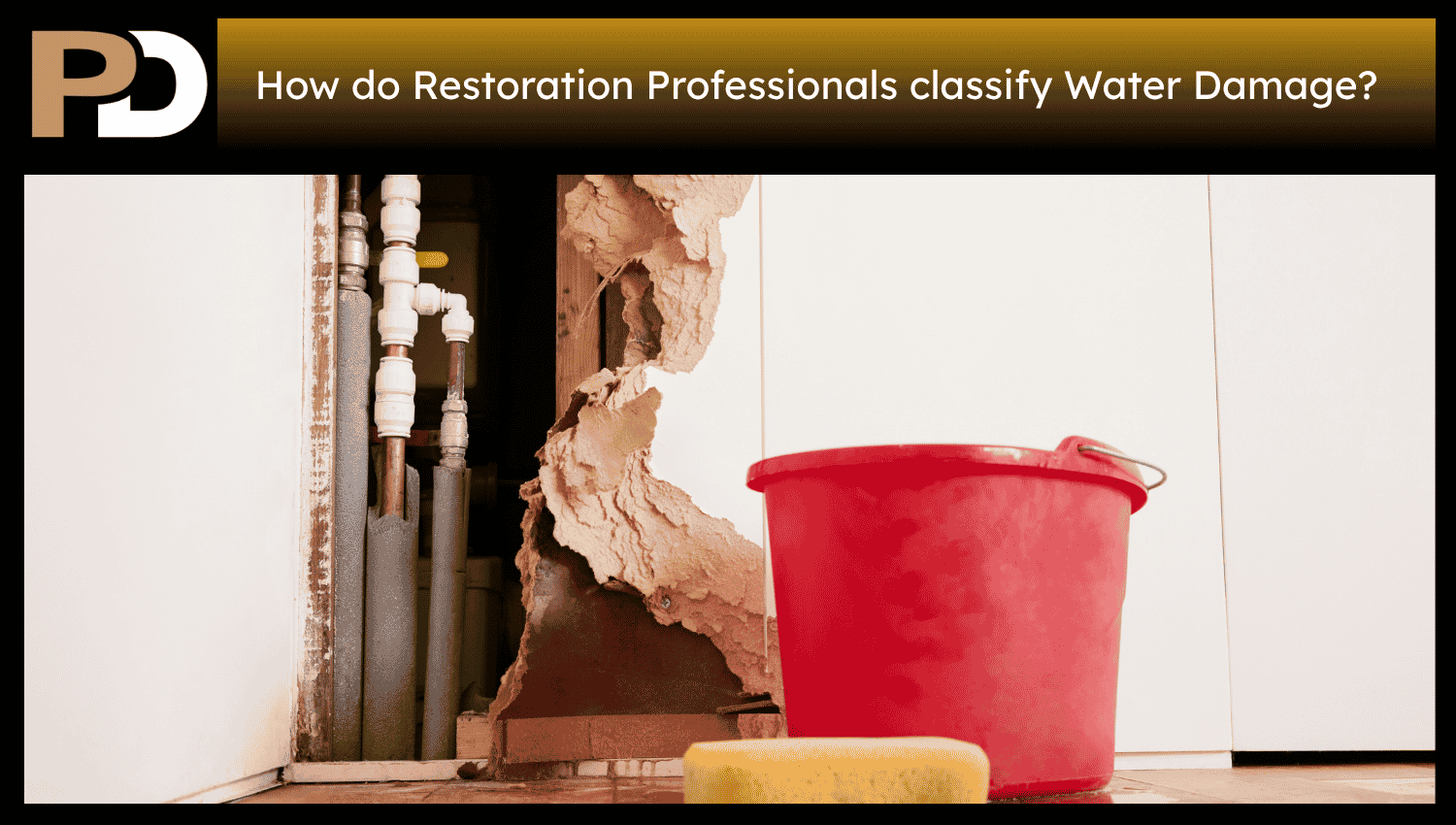
Restoration professionals classify water damage to categorize water contamination and absorption levels in a property. Restoration professionals adopt two classification systems, Water Damage Categories and Water Damage Classes. Water Damage Categories are based on the type of water contamination and include Categories 1, 2, and 3. These categories vary in their levels of contamination, health risks, common water sources, and effects on materials. Lower categories of water damage escalate to higher categories due to changes in environmental conditions, prolonged exposure to water, or contact with contaminants.
The water damage classes are based on the size of the damaged area, the amount of moisture absorbed, and the materials that are damaged and denoted as Classes 1, 2, 3, and 4. Water damage Class 1 shows less water damage, and Class 4 shows the most damage. These classifications help a property owner, property manager, or business owner understand the severity of the water loss. These classes ensure that water damage situations are evaluated and communicated consistently across the industry.
What Are the Categories of Water Damage?
Here are the 3 the Categories of Water Damage:
- Category 1: Category 1 of water damage represents clean Water that is free of contaminants and is from water supply lines or uncontaminated rainwater. It poses little short-term health risk compared to other categories. Category 1 becomes more damaging to materials if it continues to grow unchecked for a long time.
- Category 2 : Category 2 of water damage is moderately contaminated water that contains chemicals, microorganisms, or organic matter. Category 1 contains dirty water that causes health problems through direct contact and building deterioration. This category gets more dangerous as it proliferates or stagnates in building materials.
- Category 3: Category 3 water damage is the most critical classification because it involves sewage, bacteria, toxins, or other materials that pose a health risk and cause property damage. This water poses a health risk and pollutes the other materials it comes into contact with, making parts of a property unsafe to use.
What Are the Classes of Water Damage?
Here are the 3 the classis of Water Damage:
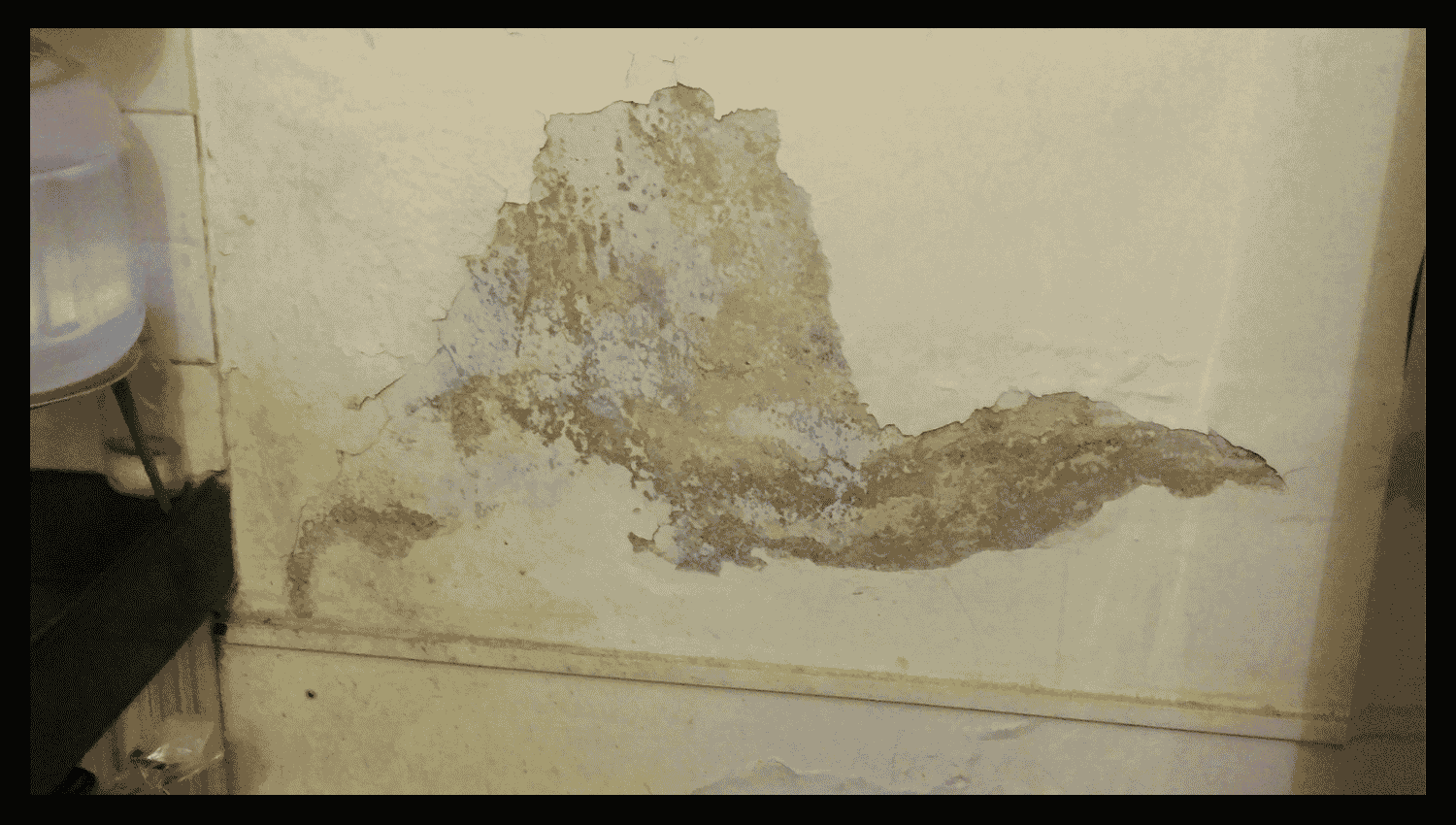
- Class 1 : Class 1 of water damage classification represents a small amount of water that caused minor damage in an area of the property. This class applies to low-porosity materials such as sealed surfaces, tile, or small areas of flooring. The moisture does not penetrate deeply into the structural components in Class 1, and the evaporation rate is relatively less and slower.
- Class 2 : Class 2 of water damage classification indicates a moderate amount of water intrusion and a greater extent of area than class 1. Class 2 water affects flooring, walls, carpet, electronics, and other interior materials. The more moisture penetrates the building materials in class 1, the more saturated the materials and the more surface area is affected.
- Class 3 : Class 3 of water damage classification indicates significant water saturation and extensive moisture involvement. Water impacts ceilings, walls, insulation, flooring, and other interior and structural materials. This class involves significant water intrusion and has a high evaporation rate due to the large areas and the presence of soaked materials.
- Class 4: Class 4 water damage classification is a deep water saturation, low permeance, or dense material with inherent water-holding capacity. Hardwood, concrete, brick, stone, and other heavy structural materials retain water for long periods. The moisture is hidden within these materials or in areas that are not readily apparent. This class is complicated because the affected materials release moisture slowly, and maintaining prolonged saturation makes drying difficult.
How Do Water Damage Categories Progress Over Time?
Water damage categories progress over time as conditions in the affected area change. Clean water (category 1 water) becomes contaminated due to stagnation and exposure to contaminated surfaces, escalating to category 2 and 3 water. The risk is higher when water is exposed to the environment, as it picks up dust, bacteria, and other contaminants in its vicinity. The longer the water sits, the greater the risk of contamination and degradation. Water spreading through walls, flooring, insulation, and other building materials picks up additional contaminants from these materials, further lowering the water’s quality. Delays in responding to water intrusion lead to a higher water damage category, so contamination worsens over time.
How Do Water Damage Classes Compare in Severity?
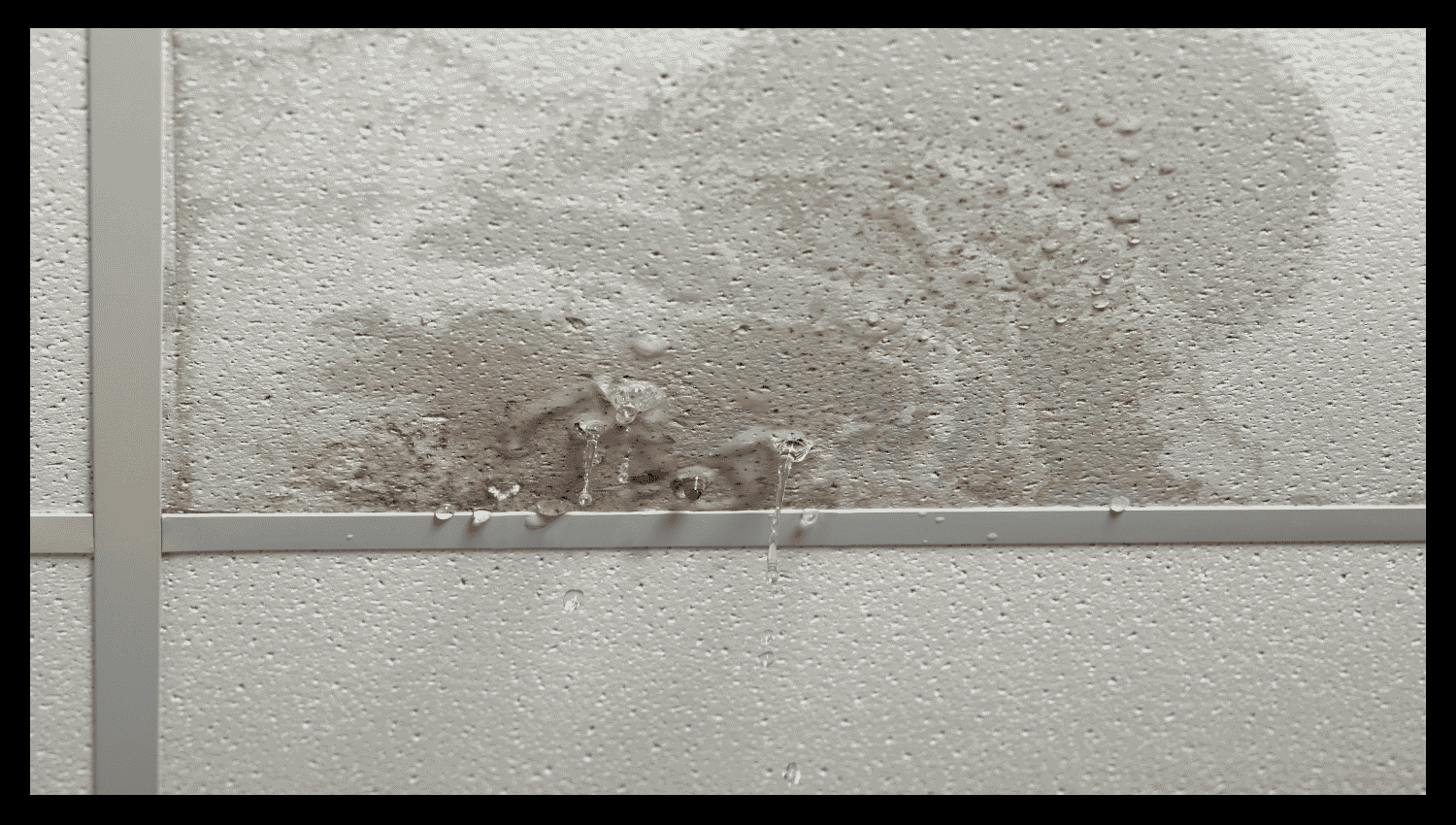
Water damage classes are more severe as the amount of water, the number of materials saturated, and the complexity of moisture retention increase. Class 1 is the least serious, and absorbs small amounts of water into small areas with limited materials. Class 2 shows moderate water damage in larger areas and is penetrating deeper into porous materials such as walls, carpets, and flooring. Class 3 is highly severe as it includes moisture saturation in the ceiling, walls, insulation, and flooring, and it has a widespread impact on the property. The most severe classification, class 4, applies to the deepest saturation in dense, low-permeance materials such as hardwood, brick, concrete, and stone. The deeper the water penetrates materials, the larger the affected area and the more complex the drying process, due to deeper, longer water retention as the class number increases.
What Is the Difference Between Water Damage Categories and Classes?
Water damage categories describe water quality, potential health risks, and the presence of contaminants, and are used to define the level of contamination in water. Water damage classes indicate the degree of water absorption and reflect the amount of water absorbed, the depth of absorption, and the severity of water intrusion. The classes are based on the amount of material impact and moisture penetration, while the categories are based on safety and contamination issues. Restoration professionals use both classification systems in conjunction to get a full picture and accurately assess the property. Category and class information together offer a better indication of contamination and its severity. These two are not mutually exclusive, as one system may have low water contamination and the other high water damage, depending on the situation.