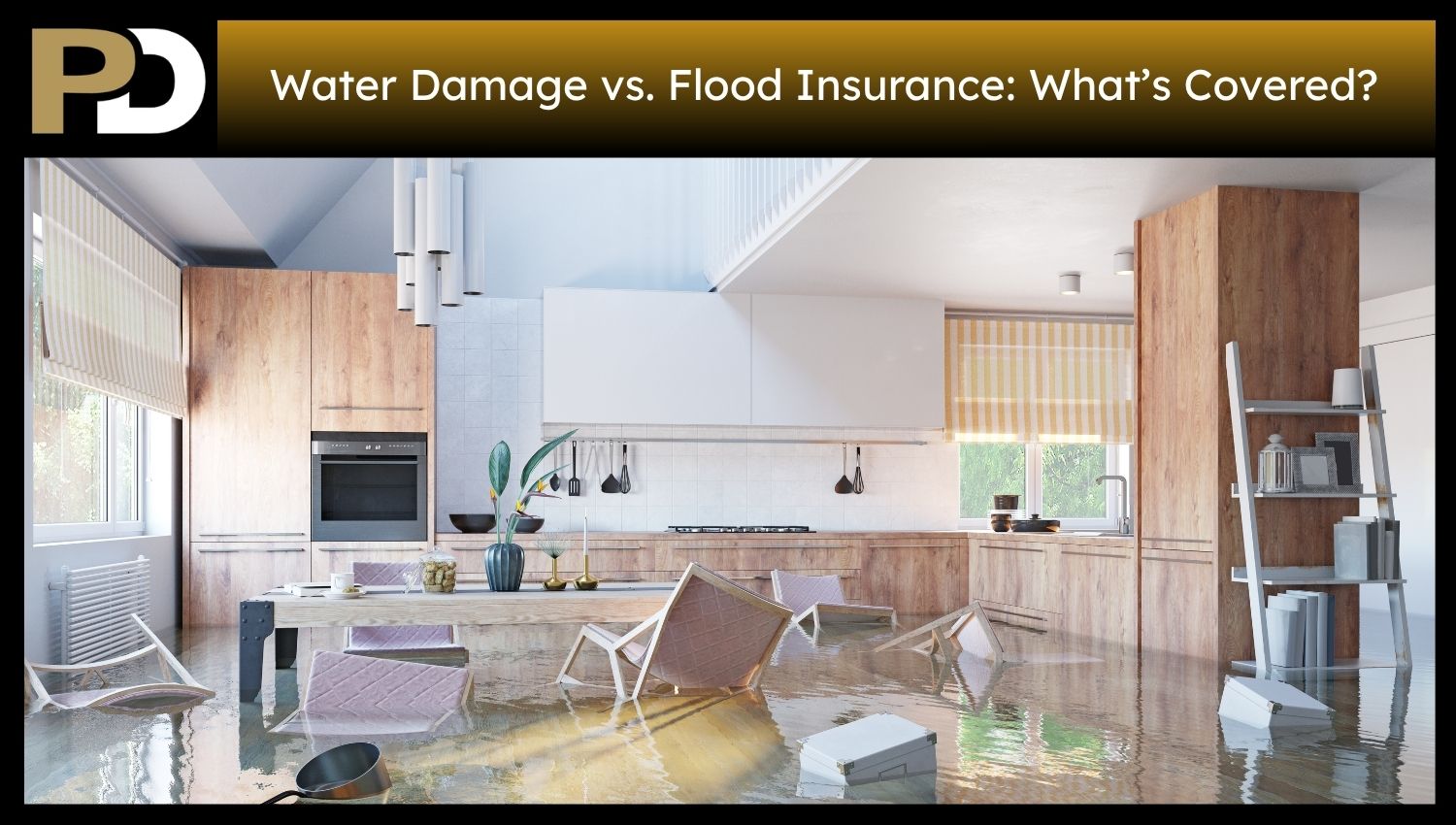
Water damage and flood damage look the same, but insurance treats them differently. This is because the difference lies in the water’s source and how it entered the property. Most home insurance policies cover some types of internal water damage, including broken appliance hoses, overflowing toilets, and burst pipes. Flood insurance focuses on flooding caused by rising water and surface runoff. Water from a specific source that follows a known path requires a separate policy.
What Is the Main Difference Between Water Damage Coverage and Flood Insurance?
Home insurance policies cover damage caused by a sudden event that starts inside the house, like a burst pipe, a broken washing machine hose, or a sudden toilet overflow. Flood insurance covers direct physical damage caused by qualified flooding, not normal plumbing system activity. Once you decide what to do, the water’s source and path still matter when choosing the right policy. A house can have the same amount of water and still be covered by different insurance policies, depending on how the water got in. The two policies complement each other as each one covers different kinds of water losses.
Which Insurance Applies to Common Water-Damage Scenarios?
A burst interior pipe is a homeowners insurance issue because the water comes from inside the home and the damage results from an unexpected event covered under the policy. A homeowners insurance policy covers a broken washing machine supply hose or a sudden toilet overflow, if it qualifies. Flood insurance covers water that rises from a creek, river, lake, or extensive surface runoff if it is reasonably expected to inundate a given property. Homeowners insurance doesn’t cover long-term seepage of water into a home, and water that piles up inside the house doesn’t automatically count as flood damage. Sewer backup also depends on the cause, as plumbing-related sewer backup requires an endorsement and homeowners coverage.
What Counts as a Flood for Flood Insurance Purposes?
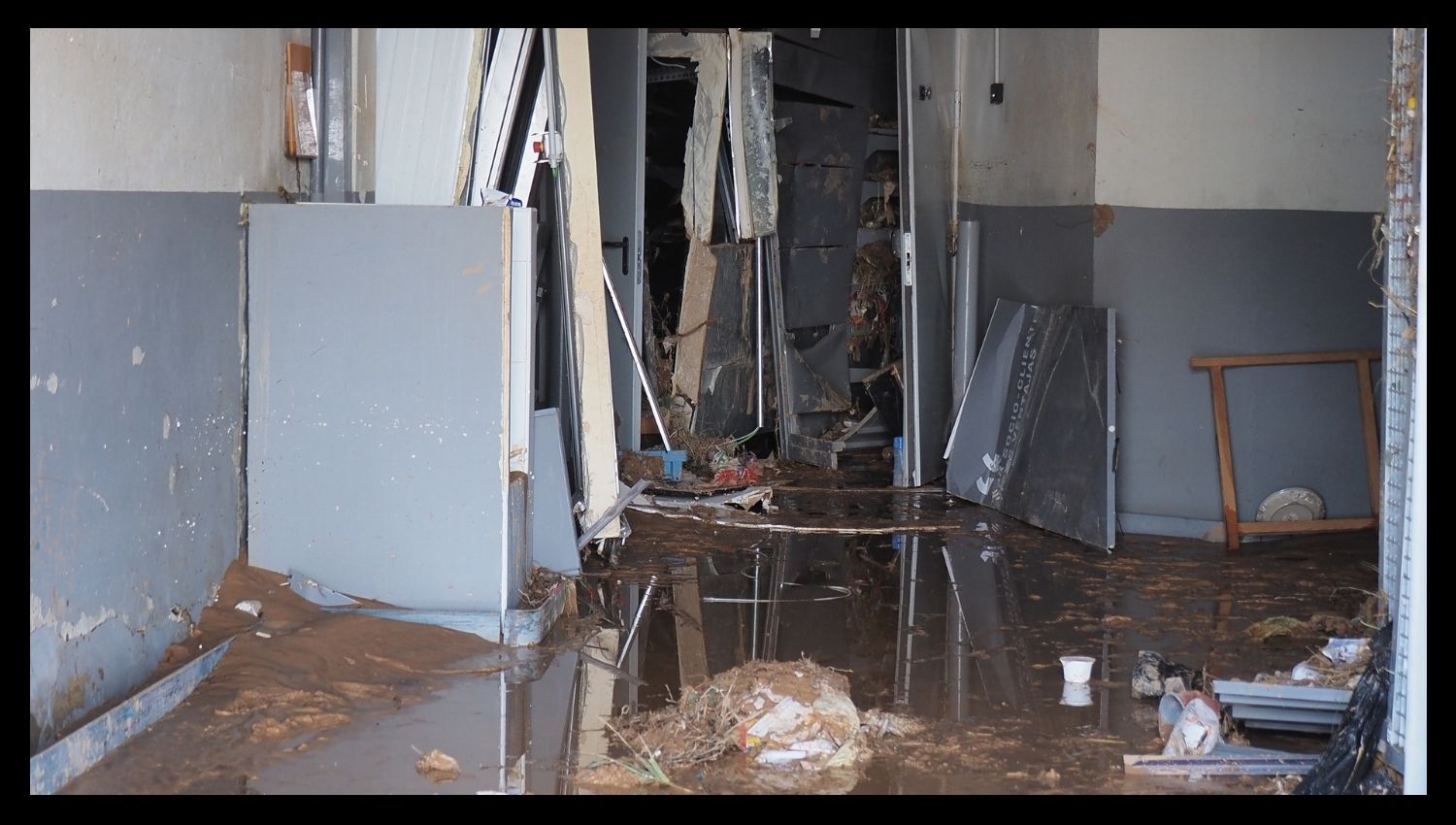
A flood is a general and temporary flooding of two or more acres of normally dry land or two or more properties, one of which is the insured property. Water from inland or tidal sources, which include rivers, creeks, lakes, or coastal water, qualifies if the required conditions are met. Rapid surface water accumulation and runoff from heavy rainfall also constitute a flood when the policy conditions are met. A plumbing leak that fills your home with water is not a flood if the water stays inside the home and doesn’t flow into another home.
What Does Flood Insurance Cover That Homeowners Insurance Usually Does Not?
Flood insurance protects eligible direct physical damage caused by qualifying flooding. That includes some damage to the insured building and the personal possessions if the policy includes the necessary building and contents coverage. Flood insurance covers damage from surface runoff and rising water, which standard homeowners insurance does not cover. Building coverage applies to eligible structural components and systems, and contents coverage applies to qualifying personal property. Both types of flood coverage have limits, exclusions, and conditions that affect claim amounts.
What Does Homeowners Insurance Cover That Flood Insurance Does Not?
Homeowners insurance covers sudden, accidental water damage to the home that isn’t considered flood. This includes burst pipes, burst appliance supply hoses, and unexpected plumbing discharges. Eligible water loss covers damage to covered property, including floors, walls, cabinets, furniture, and other covered property. Loss-of-use coverage is also included in homeowners policies, provided a covered loss makes the home uninhabitable. Flood insurance will not cover additional living expenses while your home is being repaired or temporary housing until you get back home.
How Are Basement Contents Treated Under Flood Insurance?
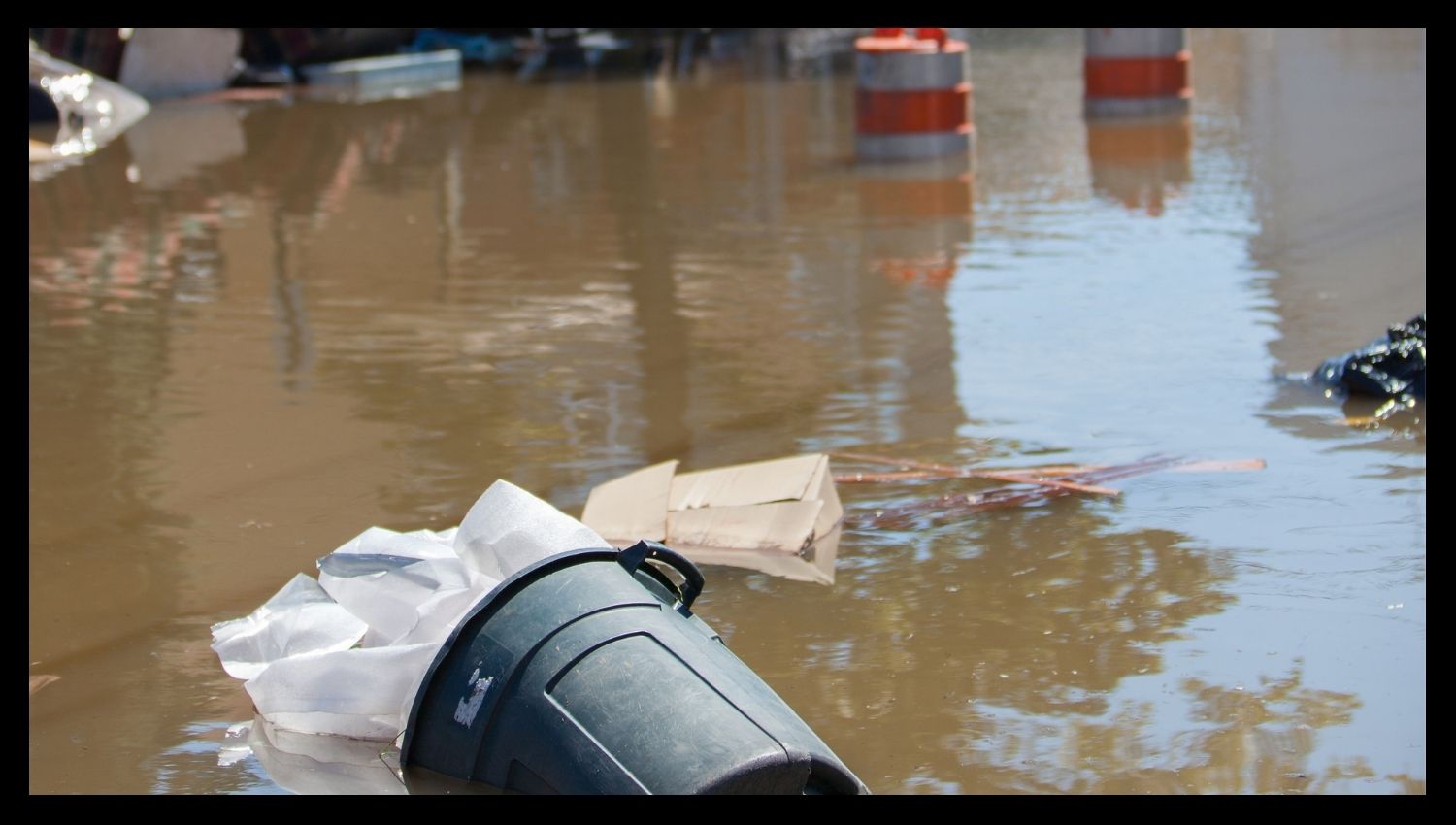
Property coverage for properties below ground level, including basements, has certain restrictions. Building equipment and systems are covered by limited insurance, provided they meet the relevant NFIP criteria. Storage location is also a critical consideration when deciding whether to include flood contents coverage in your personal property policy. Homeowners insurance has other rules, as coverage for household items depends on the cause of the water damage and the specific language of the homeowners insurance policy. Homeowners carefully review both policies when valuable property is kept below ground level.
What Water Losses May Fall Into a Gap Between Both Policies?
Some water losses don’t fit into either homeowners insurance or flood insurance. Homeowners coverage excludes long-term plumbing leaks and slow water seepage from the building and doesn’t automatically qualify it as a flood. Even groundwater that enters a property on its own cannot be said to have flooded the property. The homeowner is responsible for maintenance issues, and they are not a typical insurance loss. Sewer backup coverage is generally separate coverage for the homeowner, or an endorsement, if it is not caused by flooding. The amount of mold and moisture damage also depends on the source of the initial water loss. Having both policies doesn’t automatically cover any kind of water intrusion.
Can One Storm Involve Both Homeowners and Flood Insurance?
One storm can cause multiple types of water damage, each covered by different insurance policies. Rising water, or surface water, can come on quickly, and flood insurance may cover it if it falls under the flood definition. The homeowners insurance policy covers another covered event (a sudden failure of an internal pipe). It is still important to determine the cause of each loss to see which policy applies. A water damage insurance adjuster reviews the causes of water damage and how the water got into the building. Two policies are not in effect for the same covered loss.